
Diving in Finland
In Finland, dive sites present a mix of conditions that change depending on location and environment. 1 dive locations are currently indexed within Finland on our platform. The available data helps divers make more informed decisions.
Finland's diverse aquatic environments offer unique diving experiences, ranging from the Baltic Sea coastline near cities like Helsinki and Turku to vast inland lakes such as Lake Saimaa. The country's far north, including locations like Kilpisjärvi, presents a distinct opportunity for scientific diving beneath polar ice. These varied geographical features shape the nature of underwater exploration across the nation. Diving here often involves adapting to cold water conditions.
Dive Map of Finland
Diving locations are spread across Finland, with a concentration in two distinct geographical types: the coastal Baltic Sea and numerous inland lakes. The Baltic Sea near Helsinki and Turku represents a primary area for exploration. Further north, specific sites like Kilpisjärvi in Finnish Lapland offer specialized ice diving. Lake Saimaa is another notable inland location, contributing to the country's varied underwater topography.
Dive Sites to Explore
View all 1 sites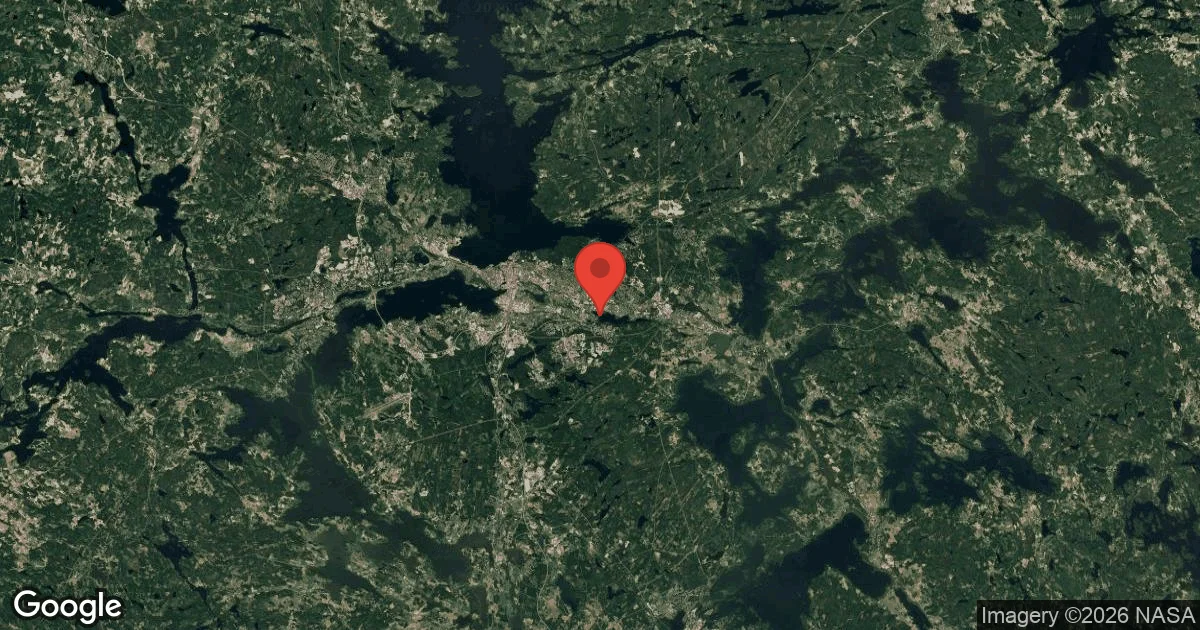
Kilpisjärvi stands out as a unique dive site, primarily associated with polar scientific diving beneath the ice, particularly in March. This northern location provides an environment for specialized research and training. Beyond this icy frontier, other popular dive areas include the Baltic Sea, notably near Helsinki and Turku. Inland, Lake Saimaa offers additional opportunities for exploration. Each location presents a different freshwater or brackish water experience.
Best Time to Dive in Finland
Diving in Finland often includes specific seasonal considerations, with March noted as a period for polar scientific diving in regions like Kilpisjärvi. During winter, air temperatures in the far north can reach an extreme minus 40°C (minus 40°F). While general best periods are not widely detailed, the documented activities suggest that cold-water and ice diving are prominent seasonal pursuits. Divers should prepare for severe winter conditions in northern areas.
Monthly Sea Temperatures
Water temperatures in Finland are often described as frigid, particularly in northern lakes like Kilpisjärvi. Specific temperature ranges for different regions are not broadly documented. Available information suggests that diving typically occurs in cold water environments. Divers planning to explore these sites should expect low water temperatures and prepare accordingly with appropriate thermal protection.
| Jan | Feb | Mar | Apr | May | Jun | Jul | Aug | Sep | Oct | Nov | Dec | |
|---|---|---|---|---|---|---|---|---|---|---|---|---|
| Max | 4° | 1° | 1° | 4° | 12° | 17° | 22° | 21° | 19° | 15° | 11° | 9° |
| Avg | 1° | 0° | 0° | 2° | 6° | 13° | 18° | 19° | 16° | 11° | 7° | 4° |
| Min | -1° | -1° | -1° | -1° | 0° | 9° | 15° | 16° | 12° | 7° | 3° | 0° |
Dive Conditions
Diving activity in this country is not extensively documented at a national level, with most available information focused on specific locations rather than broad regional patterns.
Marine Life Highlights
Most Mentioned Species
Marine life in Finland varies across dive locations, with different species appearing depending on environment and conditions. The species highlighted here are the most frequently associated with dive sites in our data, offering a realistic overview of what divers are most likely to encounter.
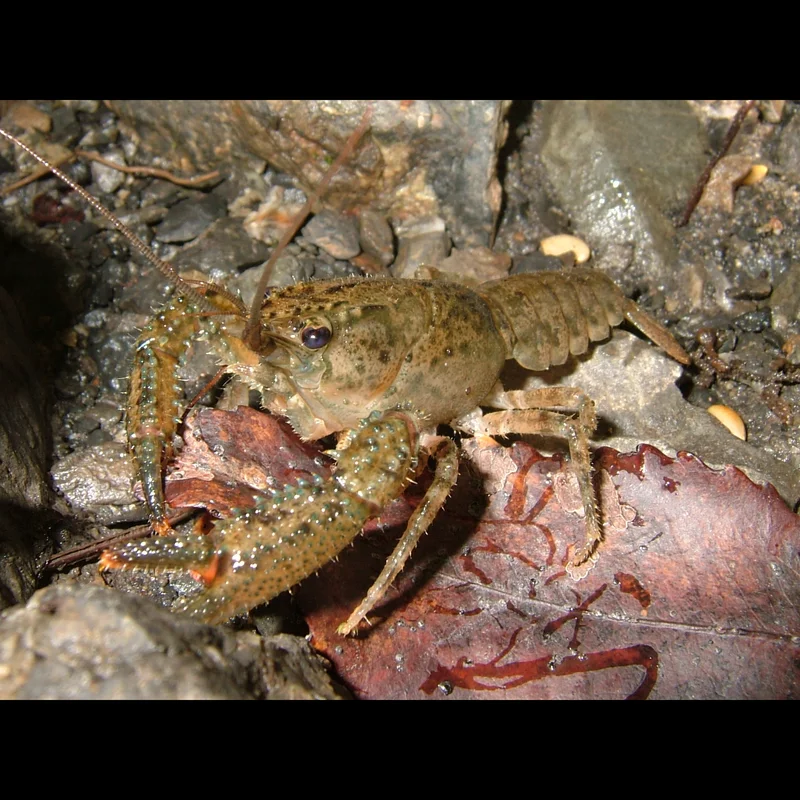
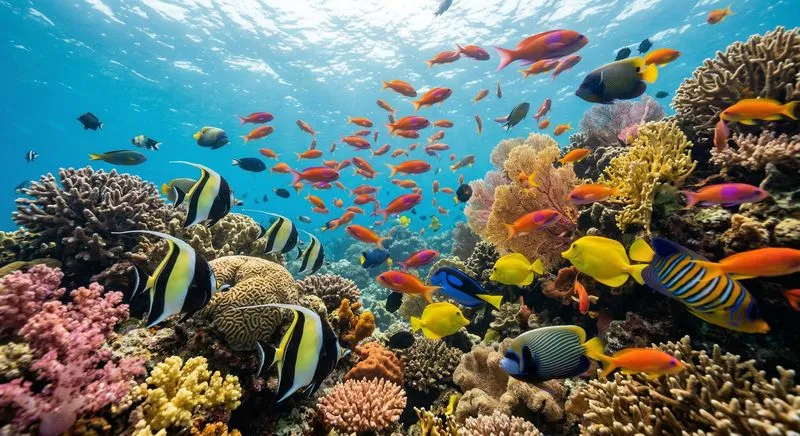
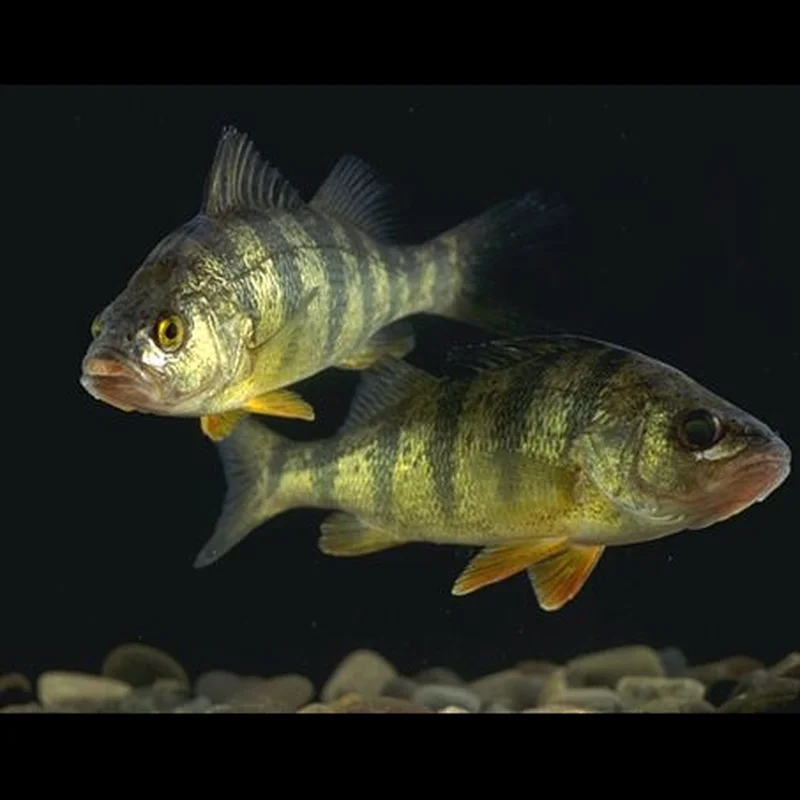
Available dive information is concentrated around a limited number of documented locations rather than being widely distributed. Details on specific marine life encounters are not extensively documented.
Regions for Diving
Finland offers distinct diving regions, encompassing the Baltic Sea coastline and several inland lake systems. The Baltic Sea near Helsinki and Turku is a popular area for underwater activities. Further north, the Arctic region, specifically around Kilpisjärvi, is known for scientific ice diving, which occurs during colder months like March. Lake Saimaa also represents a significant inland diving option. These areas offer varied aquatic landscapes, from brackish coastal waters to cold freshwater lakes.
Travel & Passport Guide
Travel Basics
Trip Planning
Safety & Diving Considerations
Diving activity in this country is not extensively documented at a national level, with most available information focused on specific locations rather than broad regional patterns.
Dive Centers in Finland
View all 6 dive centers
Frequently Asked Questions
Where are the primary diving locations in Finland?
Diving is primarily centered around the Baltic Sea near Helsinki and Turku, as well as inland lakes like Lake Saimaa. Specialized ice diving occurs in the far north, notably in Kilpisjärvi.
What are the typical water temperatures for diving in Finland?
The water temperatures are generally frigid, especially in northern areas and during colder months. Divers should anticipate cold conditions and plan for appropriate thermal protection.
Is ice diving a common activity in Finland?
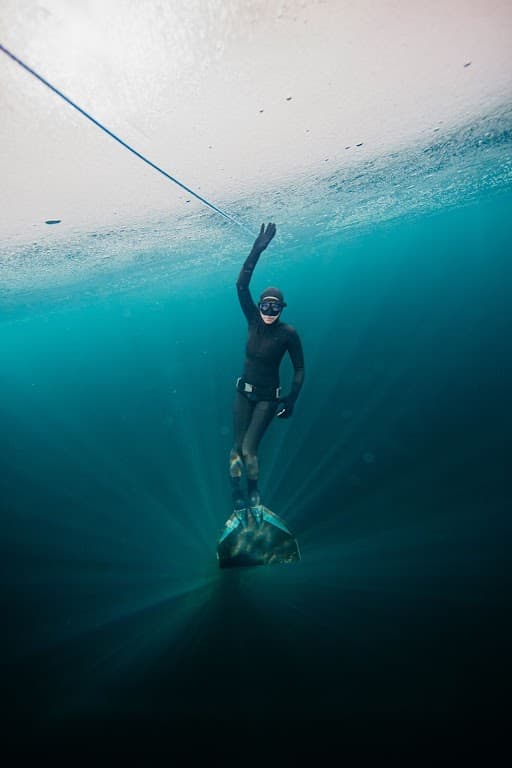
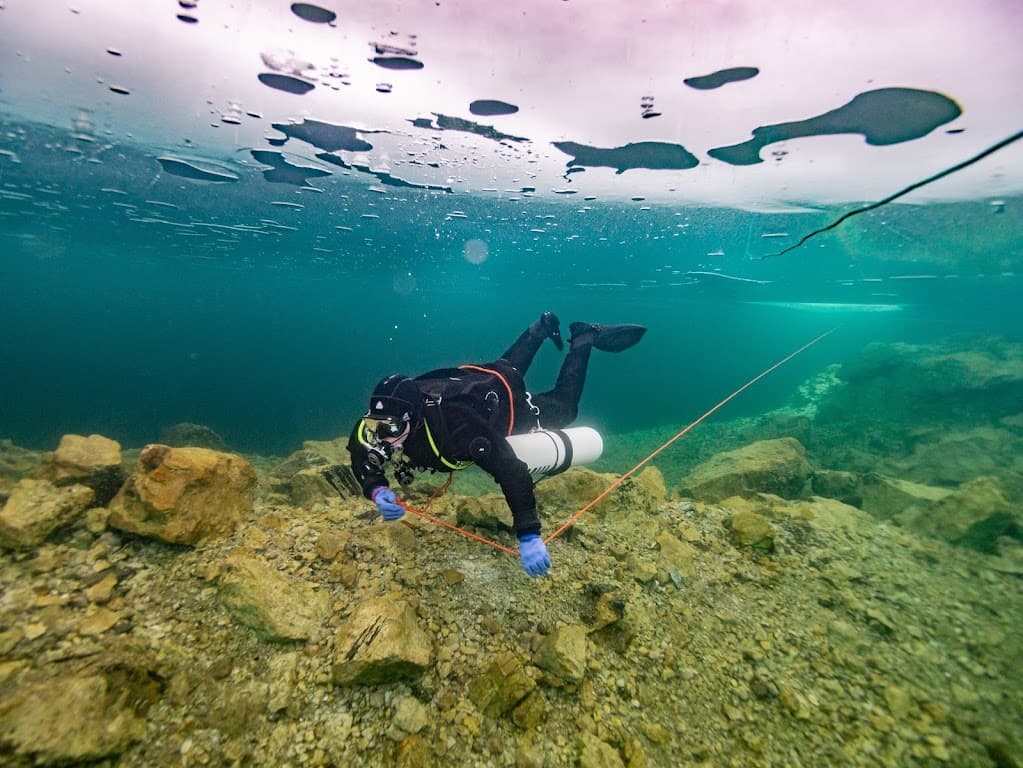
Yes, ice diving is a notable activity, particularly for scientific research in the far north, such as in Kilpisjärvi during March. This specialized diving requires specific training and equipment.