
Diving in Thailand
Thailand features a variety of dive sites, where conditions depend on both environmental factors and site characteristics. There are currently 119 dive sites mapped on our platform within Thailand.
The underwater topography of this Southeast Asian nation presents a fascinating duality, shaped by its two distinct coastlines: the Andaman Sea to the west and the Gulf of Thailand to the east. Each region offers unique geological formations and marine environments, appealing to a wide spectrum of diving interests.
The Andaman Sea, particularly along its western coast, features dramatic national marine parks such as the Similan and Surin Islands. Here, divers explore large submerged boulders, deep walls, and offshore pinnacles. This area is known for significant pelagic sightings, including whale sharks and manta rays. Phuket and the Phi Phi Islands serve as primary access points, leading to diverse sites ranging from coral reefs to wrecks and intricate underwater rock formations.
Conversely, the Gulf of Thailand, home to destinations like Koh Tao, provides a different character. It is well-regarded for dive certifications and offers a mix of wreck, wall, and drift diving. The varied underwater landscape across both coasts ensures a comprehensive experience, from navigating expansive coral gardens to exploring complex pinnacles and canyons.
Dive Map of Thailand
Understanding the geographical distribution of dive sites is key for planning a trip here. The dive map clearly delineates the two primary marine regions: the Andaman Sea on the western side and the Gulf of Thailand to the east. These distinct areas offer different seasonal conditions and diving experiences.
This visual guide pinpoints key destinations such as the Similan Islands, Surin Islands, Phuket, and Koh Lanta within the Andaman Sea.
In the Gulf, locations like Koh Tao, Koh Samui, and Koh Chang are highlighted. Each marker on the map represents a cluster of notable dive sites, providing a logical framework for regional exploration and itinerary development.
Dive Sites to Explore
View all 119 sites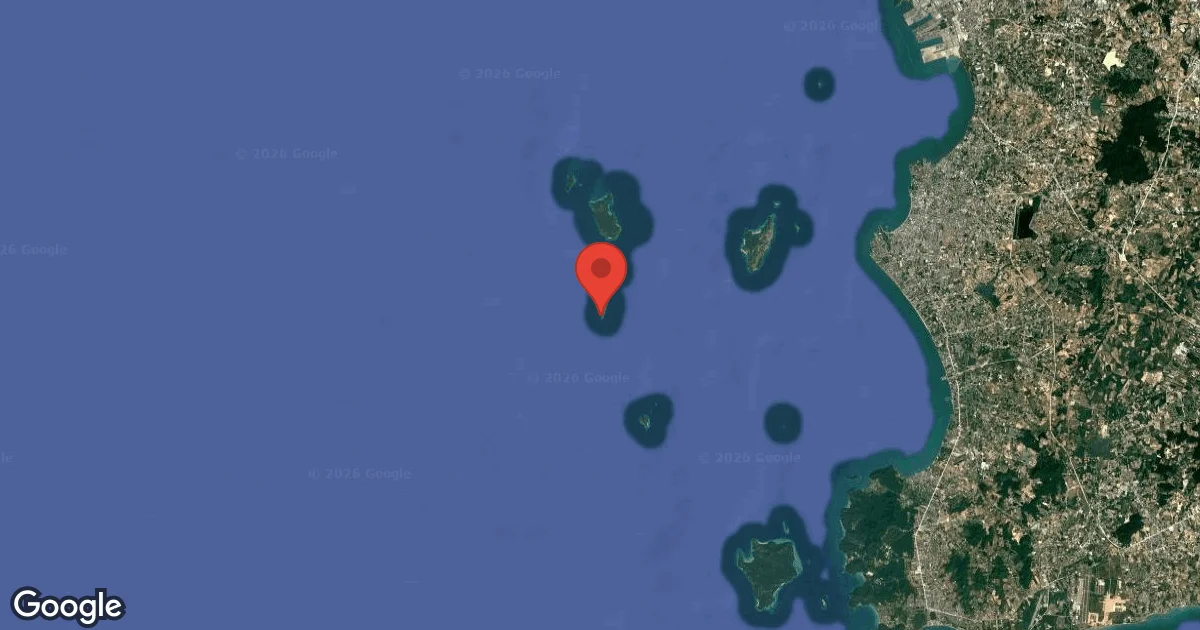
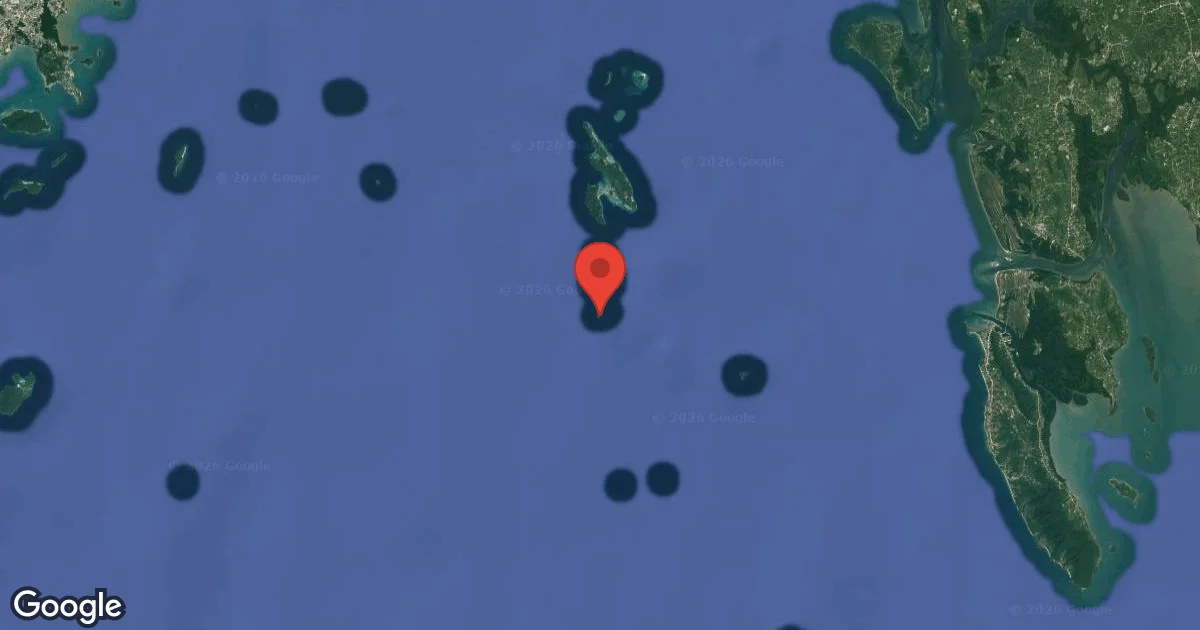
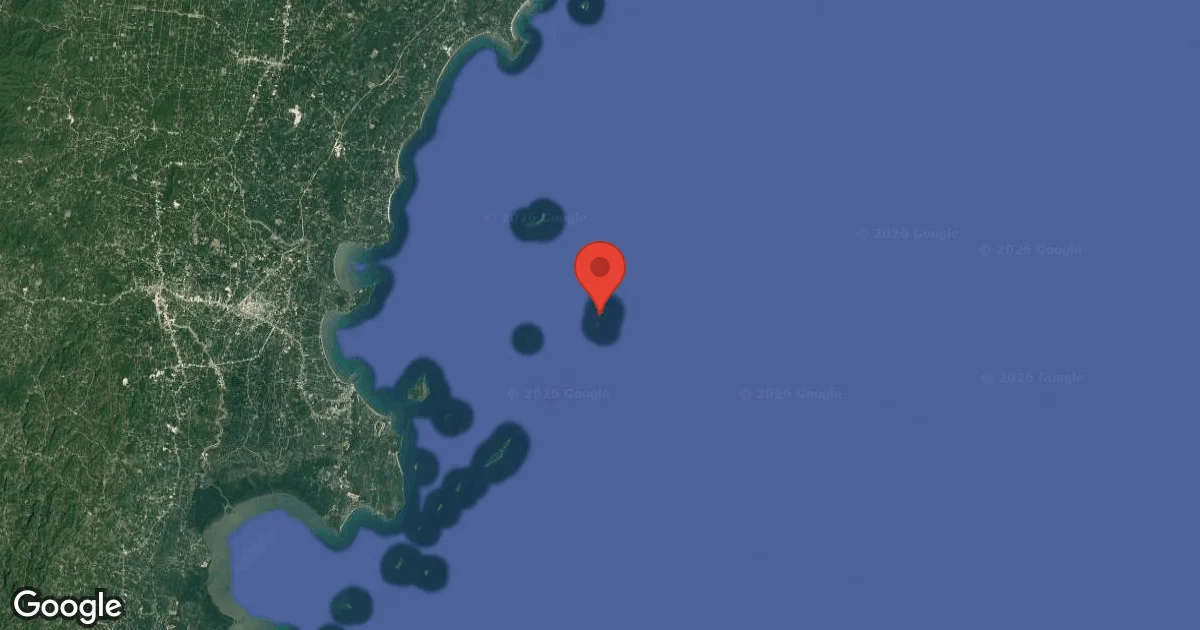
Diving in Thailand provides a collection of sites, each with distinct features. The Andaman Sea, known for its offshore pinnacles and national parks, offers some of the country's most celebrated spots, while the Gulf of Thailand provides accessible sites for various skill levels.
In the Andaman Sea, Richelieu Rock stands out as a submerged pinnacle in the Surin Islands National Park, known for attracting whale sharks and manta rays, especially between February and April. Hin Daeng and Hin Muang, located in Mu Koh Lanta National Park, are characterized by deep walls and the potential for large pelagic sightings. These sites offer good visibility, often exceeding 20 meters (66 ft) during peak season, but can present medium to strong currents, making them suitable for more experienced divers.
The Similan Islands, forming the Koh Similan National Marine Park, are celebrated for their granite boulder formations and diverse ecosystems. Sites like Elephant Head Rock feature open ocean conditions and can have strong currents, appealing to advanced divers. The HTMS Sattakut wreck, resting at 30 m (100 ft), is another notable site in this region, surrounded by marine life.
Moving to the Gulf of Thailand, Koh Tao offers various sites, including the popular Chumphon Pinnacle, which is covered in pink anemones and hosts reef fish. The HTMS Chang wreck near Koh Chang is Thailand’s largest wreck dive at 117 meters, providing habitat for squid, grouper, and batfish within its cabins and holding areas. These sites generally have calmer waters and good visibility, though conditions can vary.
Best Time to Dive in Thailand
When planning a dive trip to Thailand, considering the seasonal trade-offs is crucial, as conditions vary significantly between the Andaman Sea and the Gulf of Thailand. The dry season, spanning from November to April, is generally considered optimal for the Andaman Sea, offering calm seas, warm water, and excellent visibility, often ranging from 20-40 m (66-131 ft).
During this period, specifically from February to May, the Andaman Sea also sees the highest chances for whale shark and manta ray encounters, though plankton blooms can reduce visibility temporarily. The national marine parks, including the Similan and Surin Islands, officially open around October 15th, kicking off the peak season. By October, conditions improve, with water temperatures around 29°C (84°F) and improving visibility.
In contrast, the Gulf of Thailand experiences its best diving conditions from March to September, characterized by generally calm waters and good visibility. The southwest monsoon (May-September) brings occasional wind and rain, which can lead to slightly choppier seas and temporary drops in visibility, especially near shore due to runoff. However, this period can still offer clear waters and consistent marine life sightings. The northeast monsoon (November-December) brings cooler water temperatures, sometimes dipping to 26°C (79°F), and can result in unsettled seas and reduced visibility, making it a season for macro life and sheltered bay dives.
Monthly Sea Temperatures
Divers can expect comfortable conditions throughout the year, though seasonal variations influence specific regional temperatures. In the Andaman Sea, water temperatures generally range from 27-30°C (81-86°F), with the warmest conditions typically observed between February and May.
The Gulf of Thailand, particularly around Koh Tao, usually sees temperatures between 28-30°C (82-86°F) during its calmest periods from March to May.
During the northeast monsoon, from November to December, temperatures can dip to approximately 26°C (79°F). While some divers might prefer a 3mm wetsuit for these cooler periods, a shorty or rash guard is often sufficient given the consistently warm waters.
| Jan | Feb | Mar | Apr | May | Jun | Jul | Aug | Sep | Oct | Nov | Dec | |
|---|---|---|---|---|---|---|---|---|---|---|---|---|
| Max | 29° | 30° | 30° | 32° | 32° | 31° | 31° | 30° | 30° | 30° | 31° | 30° |
| Avg | 28° | 29° | 29° | 30° | 31° | 30° | 30° | 29° | 29° | 29° | 29° | 29° |
| Min | 27° | 28° | 28° | 29° | 29° | 29° | 29° | 28° | 28° | 28° | 28° | 27° |
Dive Conditions
Diving conditions in Thailand can present varied challenges, making certain areas more suitable for specific diver skill levels. The Andaman Sea, especially around sites like Elephant Head Rock in the Similans, often features medium to strong currents. These conditions are ideal for experienced divers seeking drift dives and encounters with larger pelagic species.
Visibility in the Andaman Sea is generally excellent during the peak season from November to April, ranging from 20-40 m (66-131 ft). However, during April and May, plankton blooms, while attracting whale sharks and manta rays, can reduce visibility. Divers should be prepared for changing conditions, as some sites are exposed to open ocean currents.
The Gulf of Thailand generally offers milder currents and calmer waters, making it a suitable destination for divers of all levels, including those seeking certifications. Visibility in the Gulf can vary, typically ranging from 5-20 m (16-66 ft), though it can improve significantly beyond 20 meters during the dry season. Heavy rains can cause temporary drops in visibility, particularly near shore, reducing it to 5 meters (16 ft) or lower.
Marine Life Highlights
Most Mentioned Species
Marine life in Thailand varies across dive locations, with different species appearing depending on environment and conditions. The species highlighted here are the most frequently associated with dive sites in our data, offering a realistic overview of what divers are most likely to encounter.
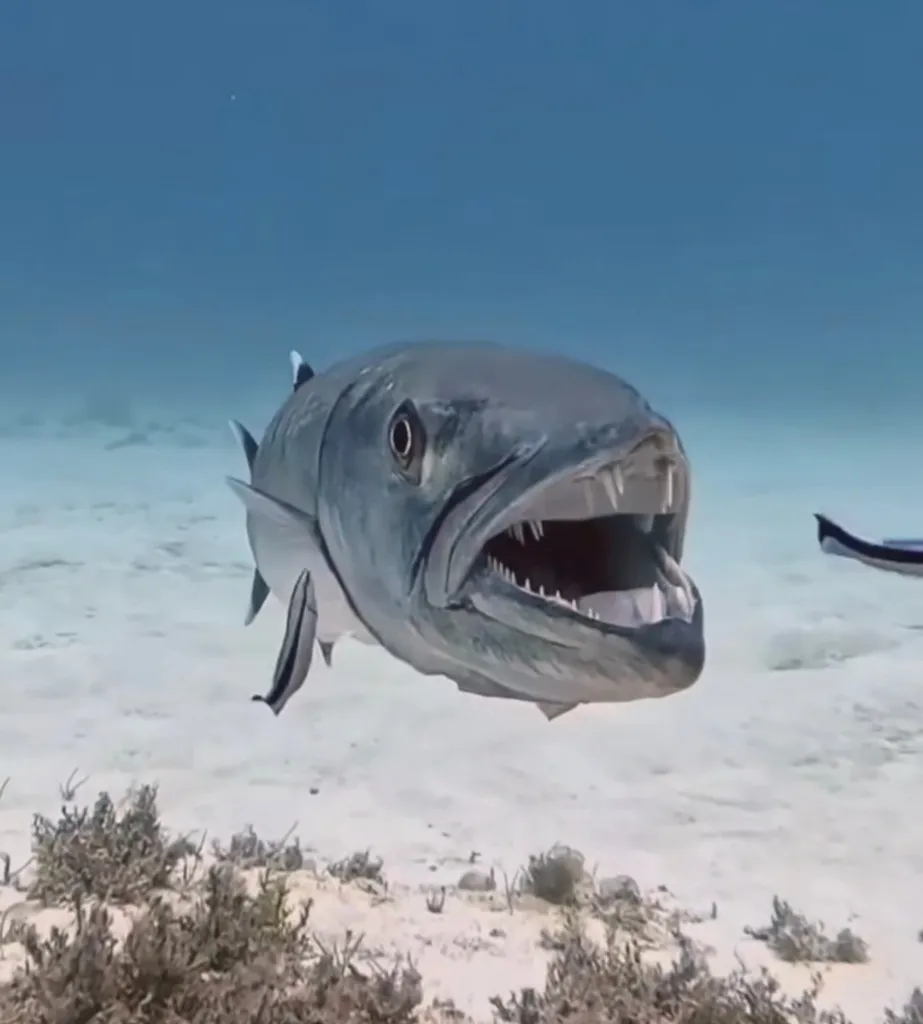
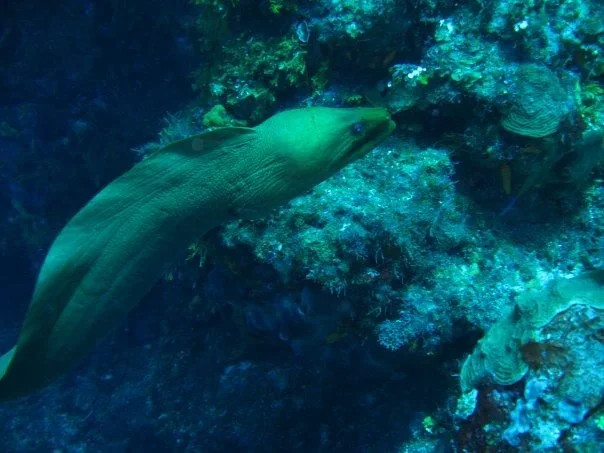
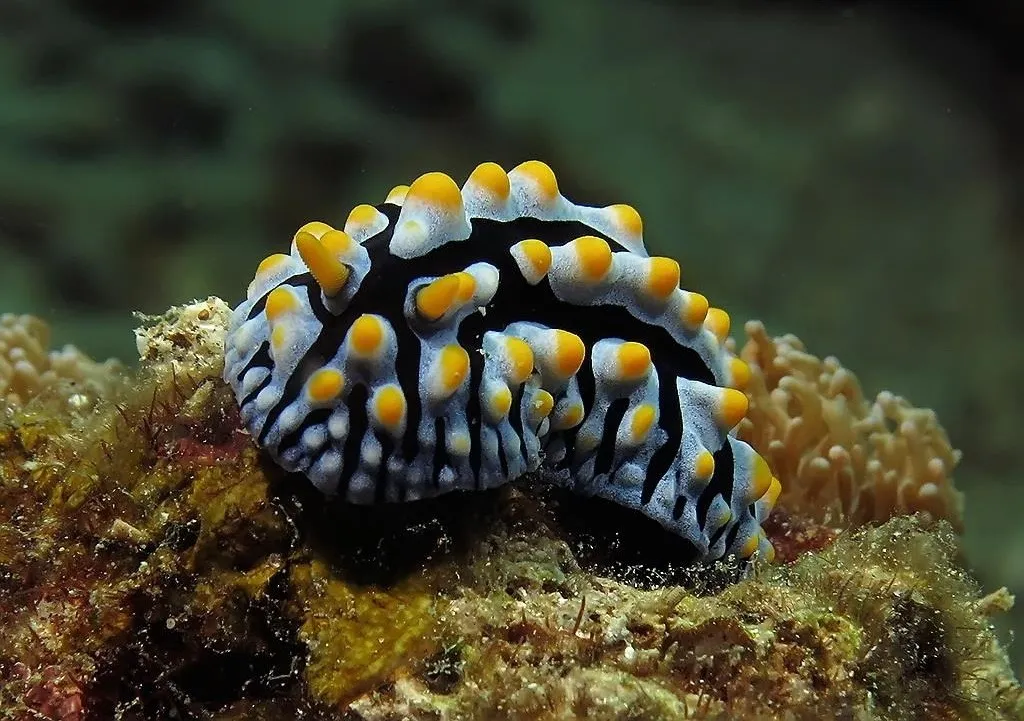
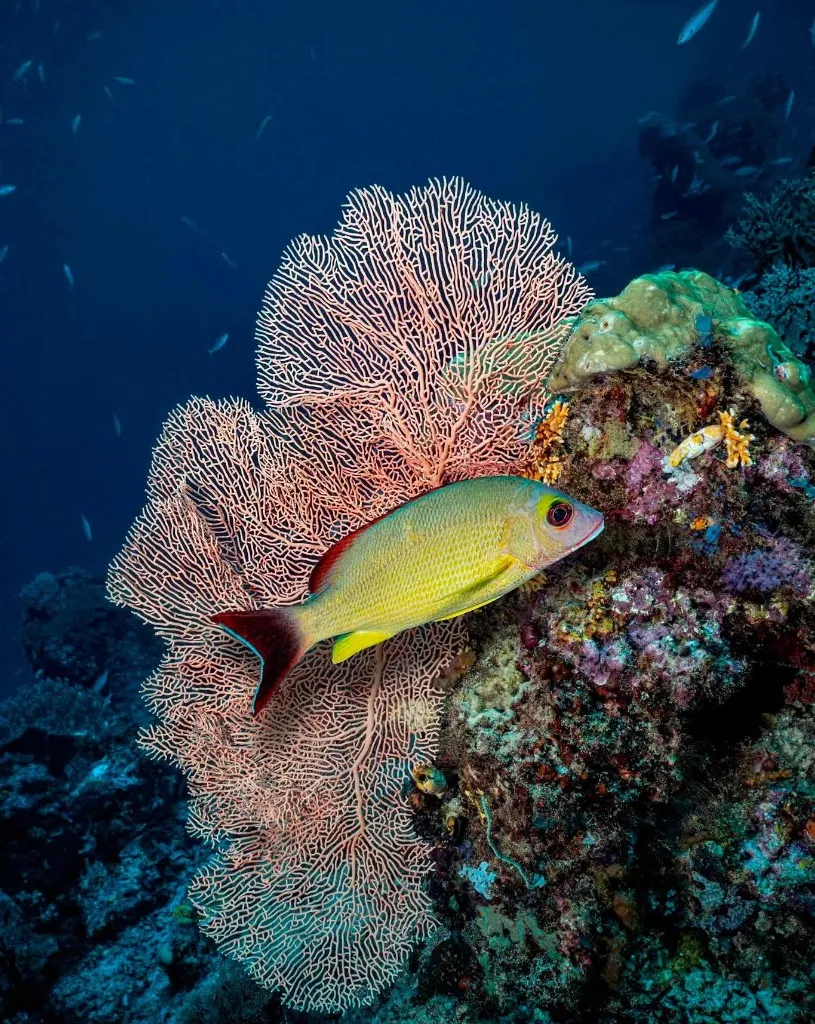
A rich array of species defines the underwater ecosystems here, with several signature encounters drawing divers. Whale sharks and manta rays are frequently sighted, particularly at sites like Richelieu Rock and Hin Daeng-Hin Muang during the peak season from February to May. Leopard sharks are another common presence, often observed in the Similans and around Shark Point near Phuket.
Beyond these larger pelagics, the reefs host an abundance of colorful fish, including parrotfish, angelfish, butterflyfish, and schooling barracuda, fusiliers, and trevally. Intricate hard and soft corals create vital habitats for smaller creatures such as nudibranchs, seahorses, cuttlefish, and octopuses. Turtles are also regular sightings across many dive sites.
Wreck sites, like the HTMS Chang, provide unique environments for critters such as squid, frogfish, and various eels. Blacktip and whitetip reef sharks are also part of the diverse aquatic community. The combination of reef, wreck, and pinnacle diving ensures a wide spectrum of marine encounters.
Regions for Diving
The diving landscape is distinctly segmented, with each region presenting unique offerings for divers. The Andaman Sea, encompassing the Similan and Surin Islands, is a prime area for liveaboard trips accessing offshore pinnacles and national parks. These areas, like Mu Ko Surin National Park, feature large submerged boulders and deep walls, attracting large pelagics such as whale sharks and manta rays. Visibility here is excellent during the dry season, often 20-40 m (66-131 ft), with water temperatures around 27-29°C (81-84°F). This region is best explored from November to April.
Phuket and the Phi Phi Islands serve as popular land-based hubs for diving in the Andaman Sea. From Phuket, divers can access sites like the Racha Islands, King Cruiser Wreck, and Shark Point. The Phi Phi Islands, including Koh Phi Phi Don and Koh Phi Phi Leh, are known for their diverse marine ecosystems and coral formations. These destinations offer a mix of reef and wreck diving with generally good visibility and comfortable water temperatures.
Further south, destinations like Koh Lanta and Koh Lipe provide access to sites such as Hin Daeng and Hin Muang within Mu Koh Lanta National Park, which are often considered notable for their marine diversity and potential for large animal sightings. Koh Lipe, part of Tarutao National Marine Park, offers less frequented dive sites, ideal for those seeking quieter underwater exploration.
The Gulf of Thailand, anchored by Koh Tao, Koh Samui, and Koh Phangan, presents a different diving character. Koh Tao is particularly popular for dive certifications due to its generally calm waters and good visibility (5-20 m / 16-66 ft). This region is diveable year-round, with peak conditions from March to September. Koh Chang also offers a number of local dive sites, including underwater pinnacles and ridges, and is close to Koh Rang National Marine Park. While visibility can be lower than in the Andaman Sea, the Gulf offers consistent diving and easy access to many sites.
Travel & Passport Guide
Travel Basics
Trip Planning
Safety & Diving Considerations
Mitigating risks while diving involves understanding local conditions and adhering to best practices. Many dive centers operate under international safety standards, providing professional guided dives and reliable equipment rentals. It is always prudent to select operators known for well-maintained gear and experienced dive guides.
A key safety consideration is understanding local currents, especially at exposed sites in the Andaman Sea where they can be medium to strong. Divers should be comfortable with drift diving or ensure their skill level aligns with site conditions.
In the event of an emergency, recompression chambers are accessible in central diving areas, offering crucial medical support. Always dive within your training limits and follow the guidance of your dive professionals.
Dive Centers in Thailand
View all 35 dive centers


Frequently Asked Questions
What are the best dive sites in Thailand for seeing large marine life?
For encounters with large marine life, Richelieu Rock in the Surin Islands is a prime location, particularly for whale sharks and manta rays between February and April. Hin Daeng and Hin Muang in the Andaman Sea are also known for attracting large pelagic species. Shark Point near Phuket is frequently visited for leopard and bamboo sharks.
When is the optimal time to dive in Thailand?
The dry season, from November to April, is generally considered the best time for diving in the Andaman Sea, offering calm seas and excellent visibility. For the Gulf of Thailand, the peak diving season extends from March to September. October marks the reopening of many national parks and the commencement of improved conditions across the broader diving landscape.
What are the typical water temperatures for diving in Thailand?
Water temperatures in Thailand are consistently warm and comfortable for diving. In the Andaman Sea, temperatures typically range from 27-30°C (81-86°F). In the Gulf of Thailand, temperatures generally stay between 28-30°C (82-86°F), occasionally dipping to 26°C (79°F) during the northeast monsoon.
Are there good wreck diving opportunities in Thailand?
Yes, Thailand offers notable wreck diving experiences. The HTMS Chang wreck near Koh Chang in the Gulf of Thailand is one of the largest, providing extensive exploration opportunities. The HTMS Sattakut wreck, at 30 m (100 ft) depth, and the King Cruiser Wreck are other popular sites, particularly accessible from Phuket and the Phi Phi Islands.
What is the typical underwater visibility in Thailand?
Visibility varies by region and season. The Andaman Sea often boasts excellent visibility during its peak season, ranging from 20-40 m (66-131 ft). In the Gulf of Thailand, visibility is generally good, typically between 5-20 m (16-66 ft), though it can exceed 20 meters during dry periods. Plankton blooms can temporarily reduce visibility but often attract larger marine animals.