
Diving in Egypt
Conditions for diving in Egypt can vary significantly between regions, influenced by terrain and exposure. We currently feature 83 mapped dive sites across Egypt. This allows divers to evaluate locations before planning trips.
Beneath the surface, a captivating world of vibrant reef systems, dramatic drop-offs, and a compelling collection of historical wrecks awaits divers in Egypt's Red Sea. This rich blend establishes the region as a primary destination for underwater exploration globally, offering varied experiences suitable for all certification levels.
The extensive coastline, stretching from the northern Sinai Peninsula to the remote Deep South, provides diverse opportunities. Major dive hubs such as Sharm El Sheikh, Hurghada, Dahab, and Marsa Alam serve as direct entry points to these thriving marine environments.
Divers here can navigate expansive coral gardens, encounter a wide spectrum of marine species, and explore the intriguing narratives of sunken vessels. Its consistently warm, clear waters and unique ecosystem support well over a thousand fish species, with approximately one-fifth found nowhere else. This makes Egypt an engaging location for both seasoned underwater enthusiasts and newcomers, providing consistent opportunities for memorable dives throughout the year.
Dive Map of Egypt
Dive locations across the Red Sea are distinctly organized by geography, presenting unique underwater experiences from its northern to southern expanses. The northern areas, easily accessed from centers like Hurghada and Sharm El Sheikh, are particularly notable for historical wrecks and flourishing reef formations.
Venturing southward, destinations such as Marsa Alam unlock access to more secluded offshore sites. These include the Brothers Islands, Daedalus Reef, and Elphinstone Reef, recognized for significant pelagic encounters. Further south, nearer the Sudanese border, the Deep South reveals unspoiled, less-frequented reef systems such as St. John's and Fury Shoals.
This extensive network of dive locations ensures a diverse itinerary, whether the goal is wreck exploration or interactions with large marine life.
Dive Sites to Explore
View all 83 sites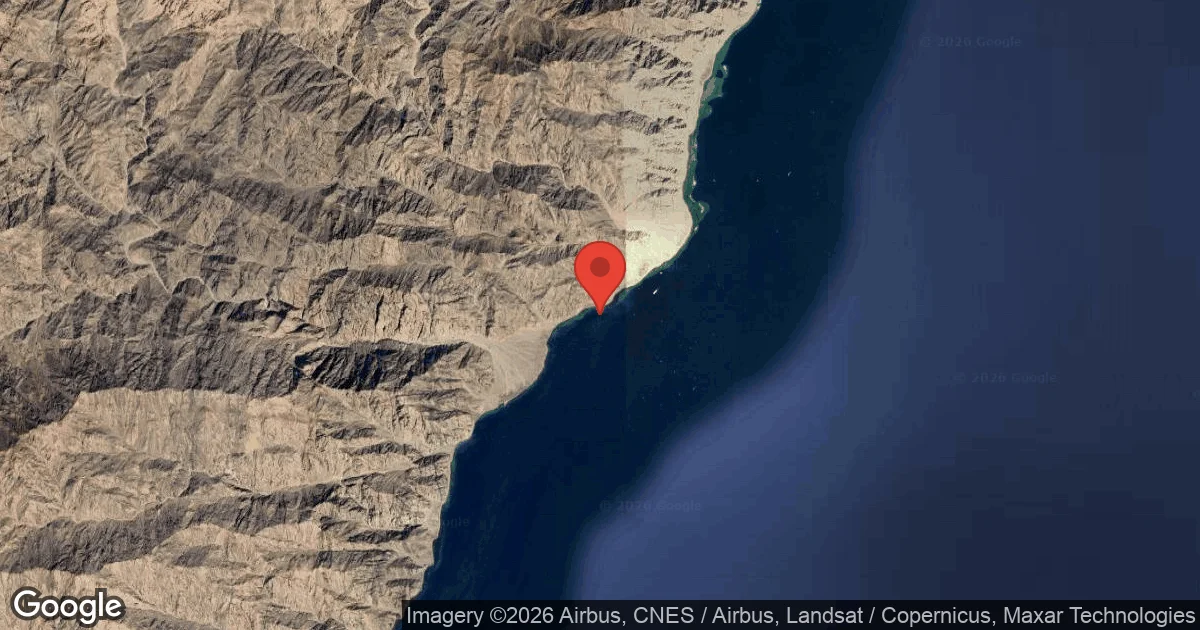
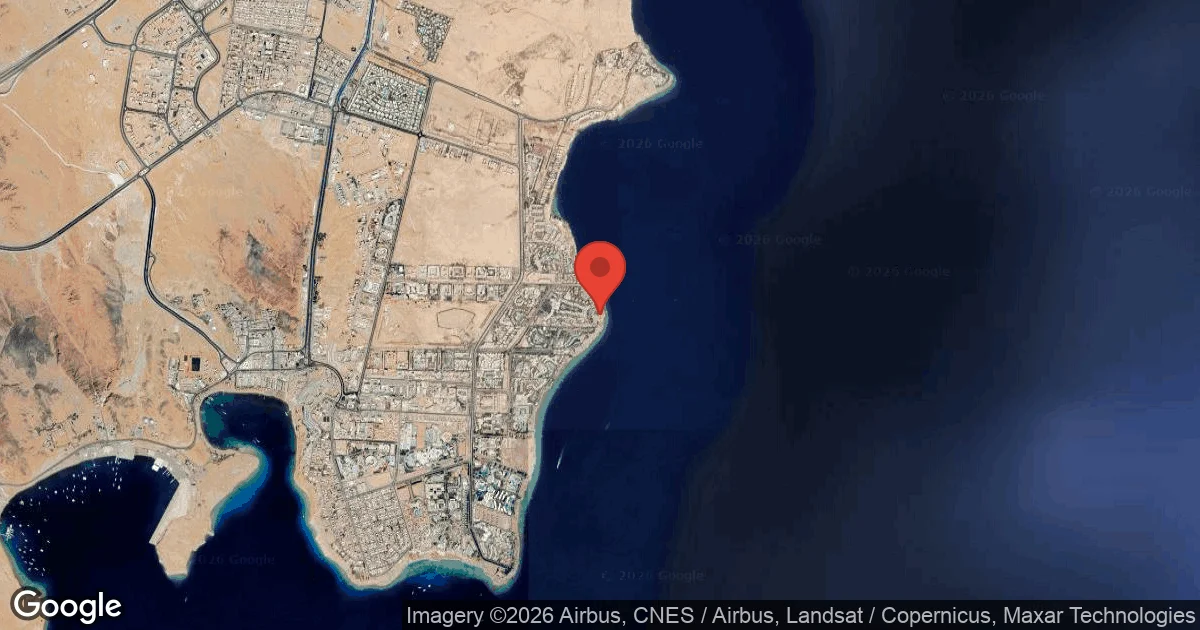
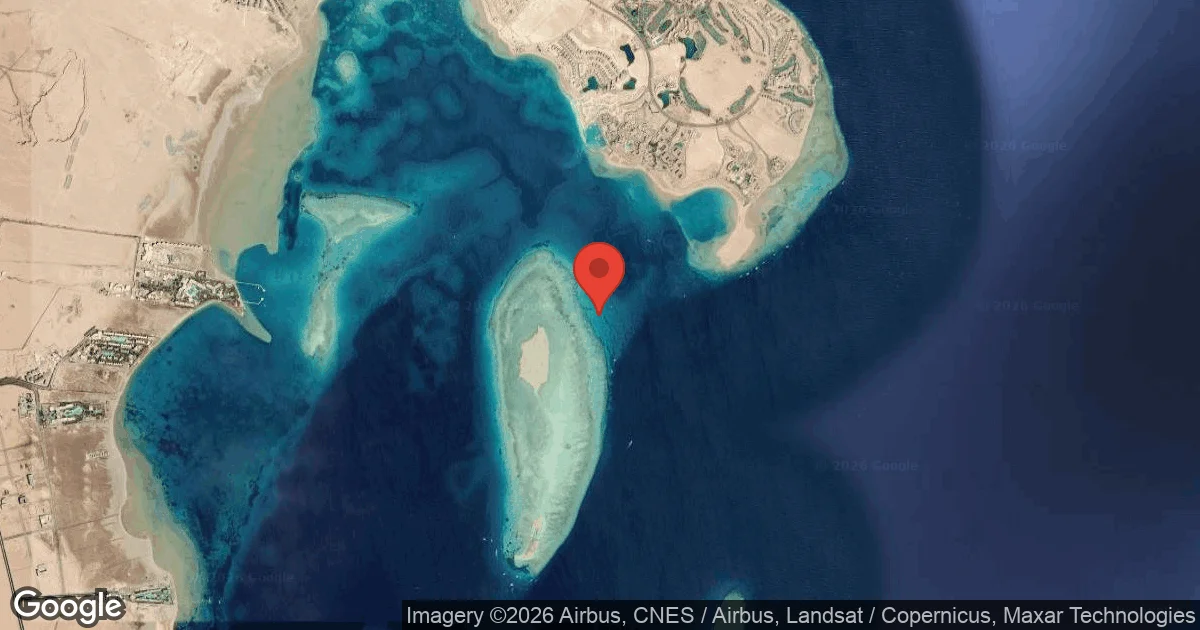
Egypt's Red Sea dive sites offer a remarkable range of depths, from shallow coral gardens to formidable technical chasms and deep wrecks. Divers can explore a variety of underwater topography, catering to different experience levels and interests.
The SS Thistlegorm is a significant example of deep wreck diving, resting at a maximum depth of 32 meters (105 ft). This challenging site requires a minimum of 20 logged dives and rewards divers with intact military cargo, including motorbikes and ammunition, making it a captivating historical dive. Another notable wreck cluster is Abu Nuhas reef, often called the Red Sea's ship graveyard. Its multiple wrecks, such as the Giannis D and Carnatic, lie between 20 to 30 meters (65-100 ft) and are adorned with corals, attracting schools of barracuda and glassfish.
For those seeking encounters with larger pelagic species in deeper waters, Daedalus Reef is a standout. Located 90 kilometers east of Marsa Alam, this teardrop-shaped reef features steep walls and strong currents, where divers often spot oceanic whitetips, grey reef sharks, and schools of hammerheads. Similarly, Elphinstone Reef, just 20 minutes from Marsa Alam, is known for its dramatic drift walls and deep drop-offs, attracting oceanic whitetips and hammerhead sharks, especially at its southern point. Its Western Wall reveals steep ledges and caverns, home to diverse reef fish.
In contrast, sites like Lighthouse Bay near Dahab cater to beginner divers with shallower reefs featuring vibrant hard and soft corals, moray eels, and parrotfish. The nearby Blue Hole, while offering excellent technical dives into its 100-meter deep chasm for advanced divers to spot barracuda and tuna, is also known for its challenging nature, making it a site that demands respect and appropriate training. Visibility across these sites is generally superb, often ranging from 20 to 50 meters (65-165 ft), enhancing the experience of exploring both the shallow and deep wonders.
Best Time to Dive in Egypt
Planning a dive trip to Egypt often involves considering the high and low season dynamics to balance optimal conditions with crowd levels. The peak periods, typically April–May and October–November, offer an excellent mix of warm air and water temperatures, coupled with superb visibility. During these shoulder seasons, the weather is comfortable, and while popular sites can be busy, it's generally less crowded than the intense summer months.
Summer, from June to August, brings the warmest water temperatures, reaching up to 30°C (86°F), and guaranteed sunshine. However, topside air temperatures can be uncomfortably hot, sometimes exceeding 40°C (104°F). This period is prime for spotting hammerhead sharks, which tend to migrate to cooler northern waters. Despite the heat, some resorts may be quieter, offering a more relaxed experience.
Winter, from December to February, offers cooler air and water, especially in the north where temperatures can drop to 21°C (70°F). Southern waters remain slightly warmer, around 23°C (73°F). This season provides crystal-clear visibility and fewer divers, appealing to those who prefer solitude and cooler conditions. Oceanic whitetip sharks are often spotted in the Southern Red Sea during these months. Keep in mind that strong winds can occur from October to April, potentially causing choppy surface conditions at exposed sites like St. John's Reef.
Monthly Sea Temperatures
Water temperatures within Egypt's Red Sea show notable variation throughout the year and across different regions, generally fluctuating from 21°C (70°F) in the colder months to 30°C (86°F) during the summer peaks.
In the northern Red Sea, winter temperatures, particularly from December through February, can drop to 21-23°C (70-73°F). For these cooler conditions, a 5mm wetsuit is typically advised, and some divers may opt for a 7mm suit for enhanced comfort during multiple or deeper dives.
As spring progresses, from March to May, water temperatures gradually increase to a comfortable 25-27°C (77-81°F). The summer months, spanning June through September, bring the warmest conditions, with southern areas reaching up to 30°C (86°F) and northern waters hovering around 28°C (82°F). During this period, a 3mm wetsuit usually provides sufficient insulation. Autumn, from September to November, offers a pleasant transition with temperatures around 27-29°C (81-84°F), providing an ideal balance for diving. These consistently warm waters, especially in the south, support year-round diving opportunities across the Red Sea.
| Jan | Feb | Mar | Apr | May | Jun | Jul | Aug | Sep | Oct | Nov | Dec | |
|---|---|---|---|---|---|---|---|---|---|---|---|---|
| Max | 25° | 23° | 23° | 24° | 26° | 27° | 30° | 30° | 29° | 29° | 28° | 26° |
| Avg | 23° | 22° | 22° | 23° | 24° | 26° | 28° | 29° | 28° | 27° | 25° | 24° |
| Min | 21° | 21° | 21° | 22° | 23° | 25° | 27° | 28° | 27° | 26° | 23° | 22° |
Dive Conditions
Excellent visibility consistently defines the underwater environment of Egypt's Red Sea, alongside a diverse range of current conditions. Visibility frequently extends from 20 to 50 meters (65-165 ft) year-round, with particularly outstanding clarity observed from November through May.
The lack of significant river runoff into the Red Sea largely contributes to this exceptional underwater clarity, allowing for unobstructed views of marine life and intricate reef structures. Currents vary considerably depending on the region and specific dive site.
Northern sites, including those surrounding Hurghada and Sharm El Sheikh, typically experience gentle to moderate currents. This makes them well-suited for relaxed drift dives along vibrant walls and wrecks, accommodating less experienced divers. In contrast, the Southern Red Sea, especially around offshore reefs like Daedalus, Elphinstone, and the Brothers Islands, is recognized for its stronger currents. These nutrient-rich flows attract larger pelagic species but also necessitate greater experience from divers. Locations like the Straits of Tiran also present strong currents, facilitating exhilarating drift dives along expansive coral walls. Divers planning to explore these southern and offshore sites should possess experience with currents, and carrying a surface marker buoy (SMB) is essential for safety, particularly during drift dives.
Marine Life Highlights
Most Mentioned Species
Marine life in Egypt varies across dive locations, with different species appearing depending on environment and conditions. The species highlighted here are the most frequently associated with dive sites in our data, offering a realistic overview of what divers are most likely to encounter.
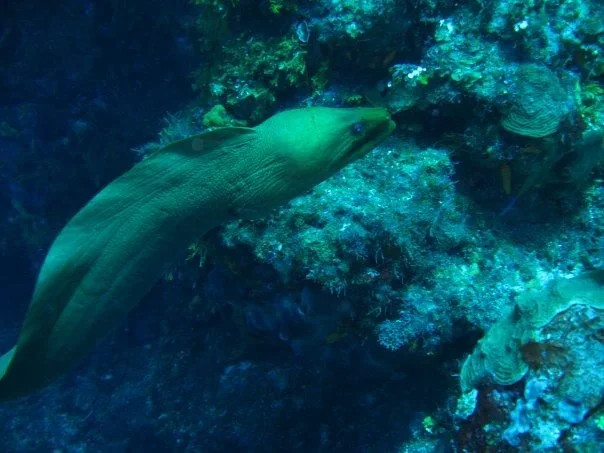
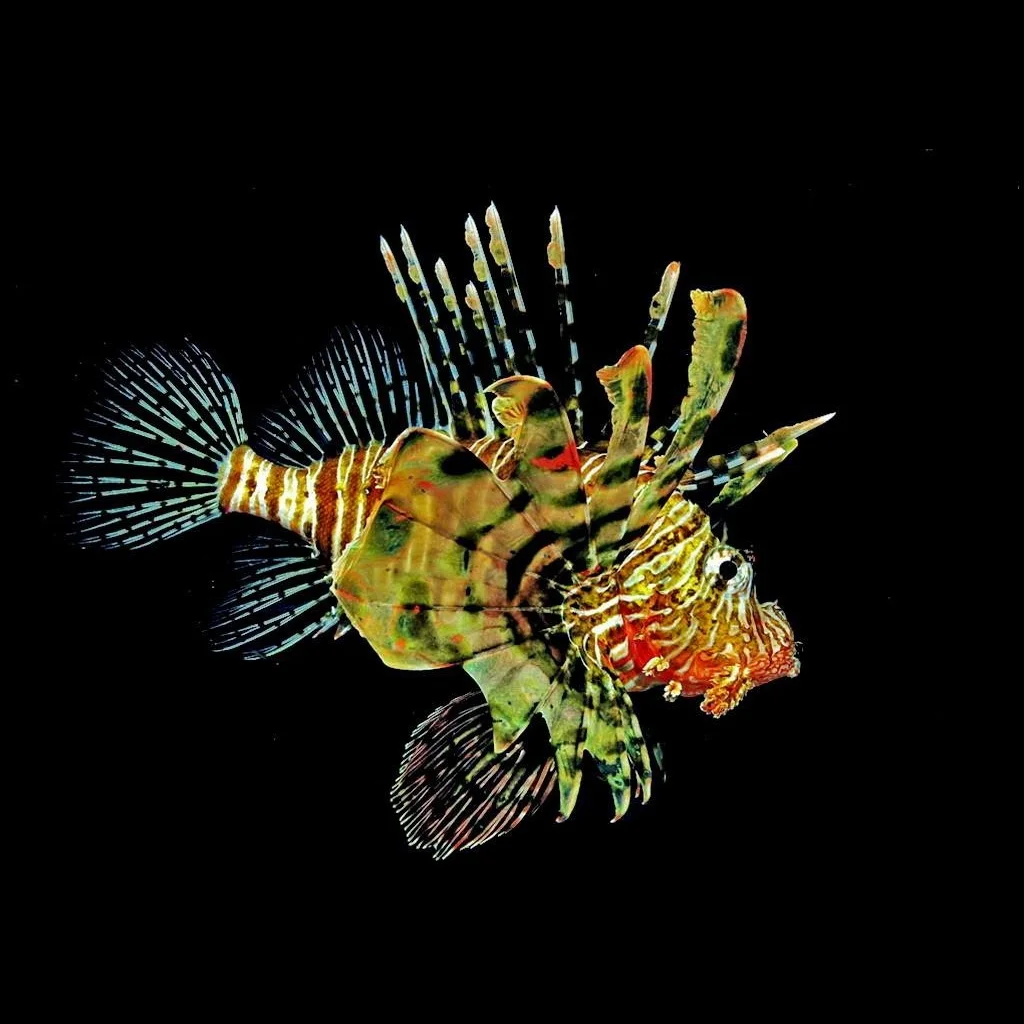
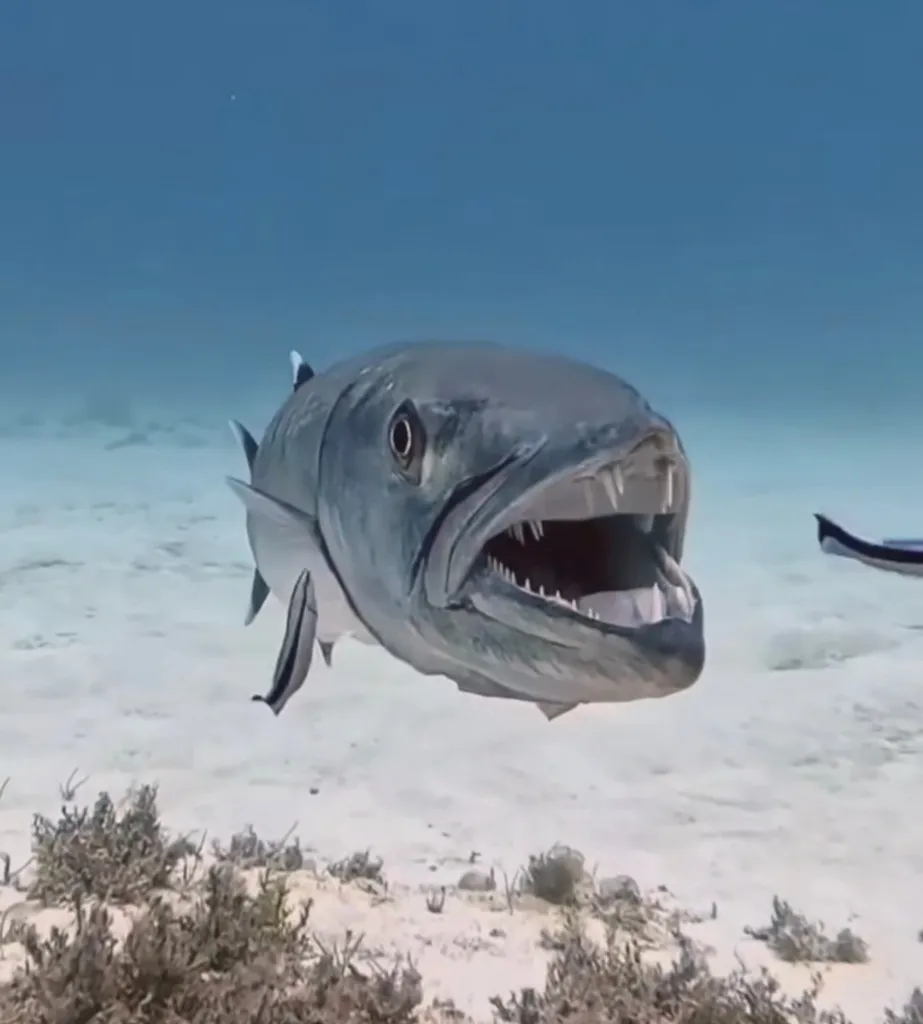
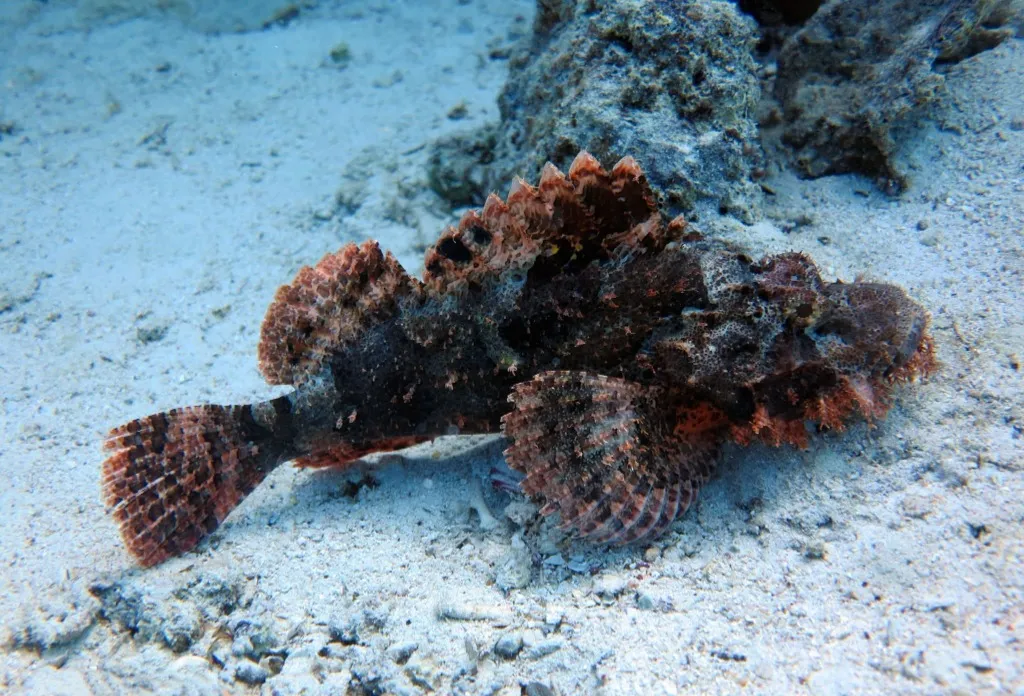
A rich and diverse array of marine life inhabits Egypt's Red Sea, boasting over a thousand fish species, a notable proportion of which are unique to this region. This high density of life, encompassing everything from vibrant reef residents to majestic pelagic species, promises abundant encounters for divers.
Reefs are active with colorful fish such as anthias, glassfish, and sweepers, while moray eels, parrotfish, and gobies frequent shallower zones. Green and Hawksbill turtles are regularly sighted, particularly during their nesting season. The elusive dugongs are a special highlight in specific locations like Marsa Abu Dabab.
For those keen on shark encounters, the Red Sea offers numerous possibilities; oceanic whitetip sharks, grey reef sharks, thresher sharks, silvertips, and hammerheads are commonly observed, especially around offshore sites like Daedalus and the Brothers Islands. Whale sharks appear most frequently between May and August, and manta rays are also a potential sighting, particularly near Daedalus Reef and Elphinstone. Other large pelagics like barracuda, jacks, and tuna frequent the nutrient-rich waters of Ras Mohammed and the Straits of Tiran. Night dives reveal a different realm, with nocturnal fish and shrimp emerging, adding another layer of discovery to this dynamic ecosystem.
Regions for Diving
Exploring Egypt's Red Sea presents a progression of dive experiences as one moves from its northern to southern reaches. The Northern Red Sea, encompassing destinations like Hurghada, Sharm El Sheikh, and Dahab, serves as an excellent starting point for divers of all levels, including beginners. Here, you'll find vibrant, shallow reefs and well-known wrecks. The Straits of Tiran, accessible from Sharm El Sheikh, are recognized for fast drift dives along coral walls, while the Ras Mohammed National Park boasts healthy reef habitats and pelagic encounters. Visibility in this region is consistently good, often 20-40 meters (65-130 ft), with water temperatures ranging from 21-30°C (70-86°F) throughout the year, peaking in spring and summer.
Moving into the Southern Red Sea, closer to Marsa Alam, the diving becomes more suited for experienced divers due to stronger currents and deeper sites. This region is home to legendary offshore pinnacles like the Brothers Islands, Daedalus Reef, and Elphinstone Reef. These sites are magnets for large pelagics, including numerous shark species like hammerheads, oceanic whitetips, and threshers, alongside manta rays and dolphins. The Brothers Islands, for instance, feature vertical walls covered in sponges and gorgonians, with wrecks like the Numidia and Aida adding to the allure. Visibility remains excellent, typically 20-40 meters (65-130 ft), and water temperatures are warm, especially from May to September, ranging from 25-30°C (77-86°F).
Further south, bordering Sudan, lies the Deep South, an area offering remote and less-explored reefs such as St. John's Reefs, Fury Shoals, Zabargad, and Rocky Island. This region is characterized by varied topography, including tunnels and drop-offs, pristine hard corals, and significant pelagic life. Strong currents and deeper sites mean this area primarily caters to advanced divers. St. John's is known for healthy corals and large shoals of fish, while Rocky Island's wild currents attract reef sharks, hammerheads, and manta rays. The water temperatures in the Deep South are generally warm, ranging from 23-31°C (73-88°F), with the best conditions wind-wise from May to September.
Travel & Passport Guide
Travel Basics
Trip Planning
Safety & Diving Considerations
Egypt's Red Sea diving benefits from a well-established infrastructure, with hundreds of liveaboards and numerous dive resorts providing well-run operations. Dive safety is governed by strict local laws, and guides are typically experienced and well-trained. However, divers should be prepared for varying conditions and specific site requirements.
Currents can be strong, particularly in the Southern Red Sea and at exposed offshore sites like the Brothers and Daedalus. Divers planning to visit these areas should have prior experience with strong currents. Many Red Sea dives are drift dives, making the use of a surface marker buoy (SMB) mandatory for safety. It's also advisable to carry a Nautilus Lifeline or similar GPS device for emergency signaling.
For sites like the SS Thistlegorm, a minimum of 20 logged dives and proficiency at a maximum depth of 32 meters (105 ft) are required. Southern sites such as the Brothers, Daedalus, Zabargad, and Rocky Islands often require at least 50 logged dives due to challenging conditions, including rough surface conditions and surge. Water temperatures range from 21-30°C (70-86°F). For repetitive or deeper dives, especially during winter months (mid-November to March), divers should bring appropriate insulation, such as a 5mm wetsuit, as the cooler water combined with wind on the surface can feel cold. Access to some offshore sites may also incur additional marine park fees. Travelers to Egypt must have a passport valid for at least six months and should apply for an e-Visa at least 7 days before departure.
Dive Centers in Egypt
View all 82 dive centers
Frequently Asked Questions
When is the best time to encounter whale sharks and other large pelagics?
Whale shark sightings are most frequent between May and August, though these gentle giants can appear at any time. For hammerhead sharks, the prime season is June to September when waters are warmest. Oceanic whitetip sharks are popular at Elphinstone's southern point from October to December, and thresher sharks are often seen in the Southern Red Sea during autumn (September to November).
What are the typical underwater visibility ranges in the Red Sea?
Visibility in the Red Sea is consistently high, averaging between 20 to 40 meters (65-130 ft) year-round. Conditions are often excellent, reaching up to 50 meters (165 ft) or more, particularly from November to the end of May. This exceptional clarity is attributed to the Red Sea's limited river tributaries and minimal microalgae, providing clear views of marine life and underwater topography.
What are the general water temperatures throughout the year in Egypt's dive regions?
Water temperatures in the Red Sea range from 21°C (70°F) in winter to 30°C (86°F) in summer. Northern areas see winter lows of 21-23°C (70-73°F), while southern waters remain slightly warmer. Summer months (June-September) bring the warmest water, up to 30°C (86°F). Spring and autumn offer moderately warm temperatures, typically 25-29°C (77-84°F), providing comfortable diving conditions across most regions.
What safety precautions should divers be aware of for Red Sea diving?
Egypt has strict dive safety regulations and experienced guides. However, divers should be prepared for strong currents, especially in the Southern Red Sea and at offshore sites like the Brothers and Daedalus. An SMB is mandatory for drift dives, and it's recommended to carry a Nautilus Lifeline. Some sites, like the SS Thistlegorm, require a minimum of 20 logged dives, and advanced offshore sites often require 50 logged dives. Proper wetsuit insulation is advised, particularly for cooler winter dives.
What are the main entry and travel requirements for divers visiting Egypt?
Travelers to Egypt need a passport valid for at least six months beyond their intended stay. An e-Visa application must be submitted online at least seven days before departure, granting a tourist visa for up to thirty days. International flights typically arrive at Hurghada, Sharm El Sheikh, or Marsa Alam International Airports, all conveniently located near dive sites. Connecting flights via Cairo International Airport are also an option.