
Diving in Indonesia
Across Indonesia, underwater environments vary, creating a range of diving conditions to consider. 178 dive locations are currently indexed within Indonesia on our platform. The available data helps divers make more informed decisions.
Indonesia's diving identity is deeply intertwined with its unparalleled position at the heart of the Coral Triangle, a region globally recognized for its marine biodiversity. Spanning over 17,000 islands and four time zones, this vast archipelago offers an extraordinary range of underwater experiences for certified divers.
From the nutrient-rich waters attracting large pelagics to intricate coral gardens and historical wrecks, the dive sites cater to a broad spectrum of interests. Areas like Raja Ampat in West Papua and Komodo National Park are celebrated for their vibrant ecosystems, hosting thousands of fish species and hundreds of corals.
Divers can explore diverse environments, including flourishing reefs, dramatic wall dives, and unique muck diving sites rich in macro life. The country's extensive coastline presents continuous opportunities for discovery, with each region offering distinct seasonal patterns and marine encounters. Preparing for travel across this expansive nation often involves domestic flights to reach remote dive hubs.
Dive Map of Indonesia
Exploring Indonesia's dive landscape on a map reveals a tapestry of distinct regions, each presenting varied underwater adventures. From Sumatra in the west to West Papua in the east, the archipelago stretches across diverse marine environments.
This expansive country encompasses key areas like Bali, Komodo, Raja Ampat, and North Sulawesi, dotted with notable dive sites. Browsing a map helps divers visualize the proximity of destinations such as the Liberty shipwreck in Tulamben, the vibrant reefs of Bunaken, or the manta cleaning stations around Nusa Penida.
The sheer scale of Indonesia ensures that regardless of where you point on the map, a compelling dive experience awaits.
Dive Sites to Explore
View all 178 sites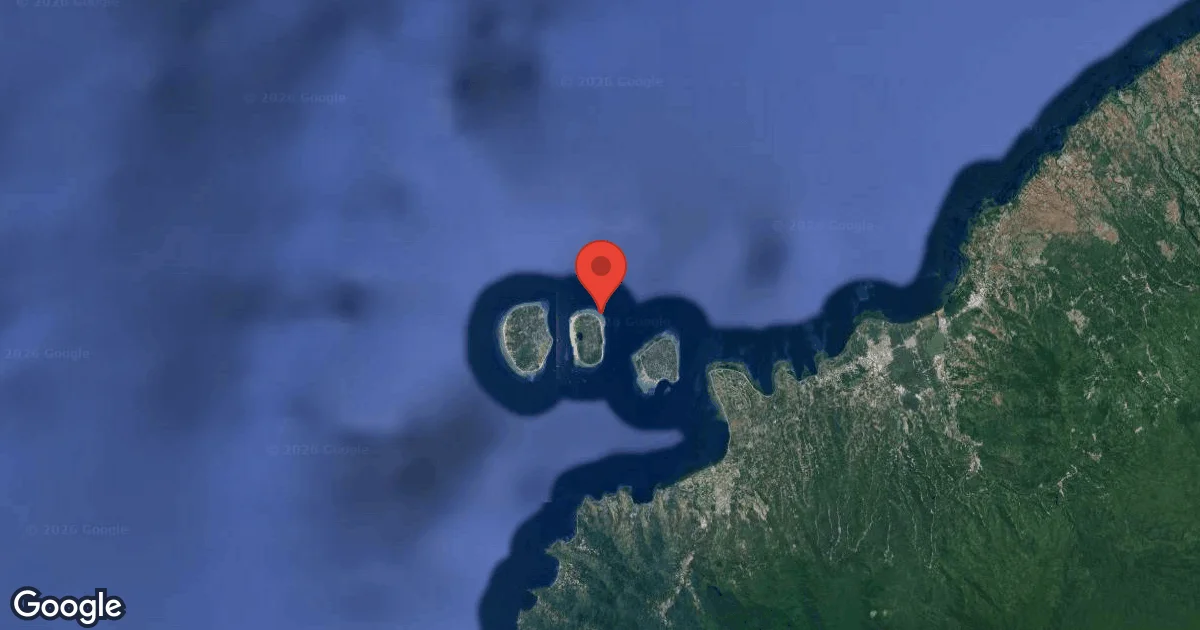
Indonesia provides a remarkable collection of dive sites, each offering a distinct underwater experience. The USAT Liberty Wreck in Tulamben, North Bali, is an accessible shore dive from 5 m (16 ft) to 30 m (98 ft), suitable for day, night, and snorkelers.
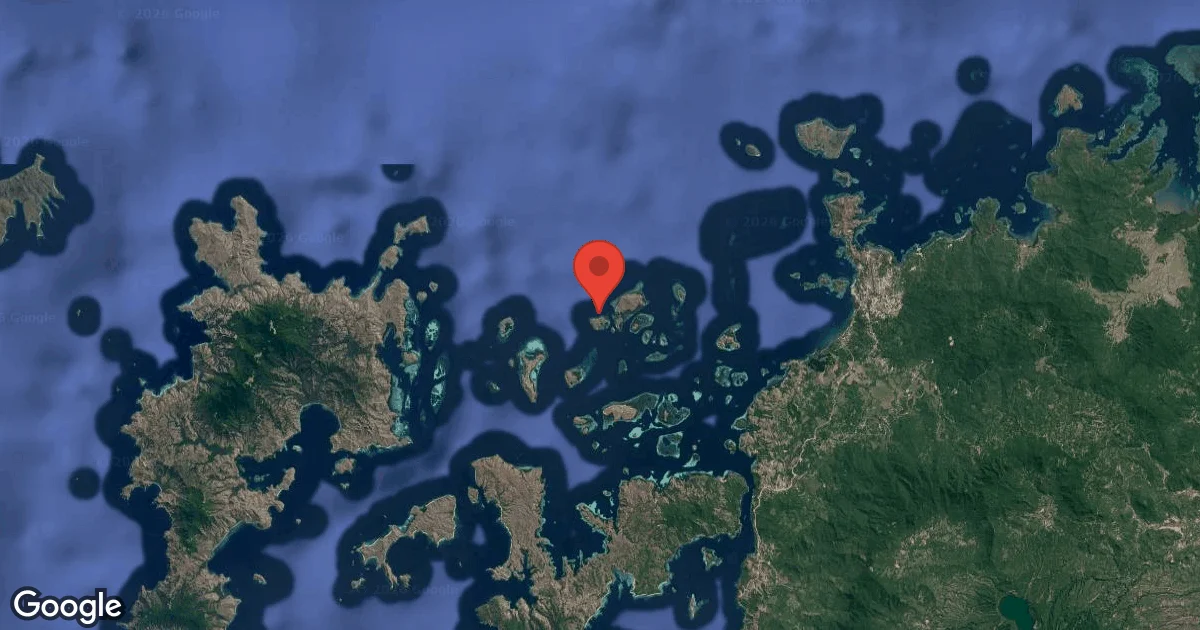
Further east, Komodo National Park features sites like Manta Alley, known for manta ray encounters, and Batu Bolong, a reef descending to 70 m (229 ft). These Komodo sites often have strong currents but reward divers with abundant marine life, including grey reef sharks and giant trevallies.
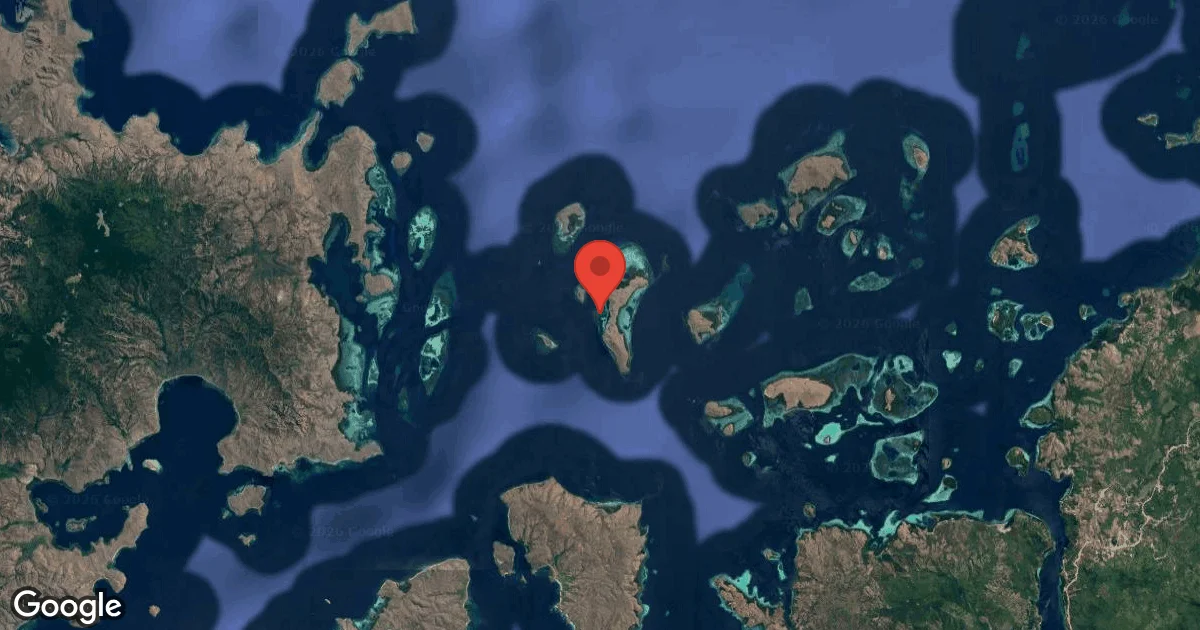
In Raja Ampat, Cape Kri holds a world record for fish species counted on a single dive. Manta Sandy is a popular reef manta cleaning station at 18 m (59 ft). The Passage, a narrow channel, provides a distinct dive, feeling like an exploration through a submerged jungle.
For macro enthusiasts, the Lembeh Strait in North Sulawesi offers world-class muck diving, with rare critters like Wonderpus Octopus and Hairy Frogfish. The shallower Amed Japanese Wreck in Bali, from 2 m (6 ft) to 12 m (39 ft), is an excellent option for newer divers.
Best Time to Dive in Indonesia
Seasonal wildlife patterns significantly influence the best times to dive in Indonesia. From July to October, cold water upwellings around Nusa Penida and Nusa Lembongan attract giant Mola mola (oceanic sunfish) to shallower depths. Meanwhile, Komodo National Park sees its prime diving season from May through October, coinciding with peak manta ray sightings, despite its rainy season during winter months.
Indonesia's vastness means that favorable diving conditions can be found year-round, as one region's rainy season often aligns with another's dry season. The dry season, generally from April to October, offers calmer seas and consistent visibility across most regions, making it ideal for exploring strong currents and encountering large pelagics. Raja Ampat, situated near the equator, provides relatively steady conditions year-round, though its optimum period for calm seas and excellent visibility is October to April, aligning with peak manta and whale shark season.
Transition periods, such as April and October, are also excellent for exploring areas like the Banda Sea and Wakatobi. During the wet season (November to March), frequent rains and cooler, nutrient-rich waters can occur. While visibility might fluctuate due to plankton blooms, these periods can attract feeding mantas and other pelagic life, offering different types of encounters.
Monthly Sea Temperatures
Sea temperatures across Indonesia generally range from the mid-20s to low-30s°C (77-86°F) year-round, offering comfortable conditions for diving. However, regional variations and seasonal upwellings can introduce cooler patches.
In areas like Raja Ampat and Bunaken, water temperatures typically hover between 27-30°C (81-86°F). Komodo and Bali can experience cooler waters, especially with cold water upwellings from July to October, which attract species like Mola mola. During these periods, temperatures might drop to around 23°C (73°F) in some spots, making a 5mm wetsuit a practical choice.
Lembeh Strait generally maintains a stable 28°C (82°F). Divers should consider the specific region and time of year for their trip, as wetsuit thickness may need to be adjusted accordingly to ensure comfort during dives.
| Jan | Feb | Mar | Apr | May | Jun | Jul | Aug | Sep | Oct | Nov | Dec | |
|---|---|---|---|---|---|---|---|---|---|---|---|---|
| Max | 30° | 30° | 31° | 31° | 30° | 29° | 28° | 28° | 29° | 30° | 31° | 31° |
| Avg | 29° | 29° | 29° | 29° | 29° | 28° | 27° | 27° | 27° | 29° | 30° | 30° |
| Min | 29° | 29° | 28° | 28° | 28° | 27° | 26° | 26° | 26° | 27° | 28° | 29° |
Dive Conditions
Underwater conditions in Indonesia are highly diverse, influenced by its vast geography and the meeting of the Indian and Pacific Oceans. Visibility typically ranges from 15 m (50 ft) to 30 m (100 ft) in many areas, often reaching 25 m (82 ft) or more in places like Padang Bai and Lekuan 2 in Bunaken. The dry season generally brings clearer waters and more consistent visibility, ideal for wide-angle photography.
However, visibility can fluctuate with plankton blooms, which, while sometimes reducing clarity to 10-15 m (33-49 ft), are crucial for attracting large pelagic life. Currents are a defining feature of many Indonesian dive sites, particularly in Komodo and Raja Ampat. Sites like Crystal Rock, Castle Rock, and Cauldron (aka Shotgun) in Komodo are known for very strong currents. Similarly, the Lintah Strait, where Komodo National Park is located, brings powerful currents.
These strong currents, while challenging, are responsible for the rich biodiversity and frequent pelagic encounters. Many dives in these regions are drift dives, requiring divers to be comfortable in moving water. Raja Ampat's Dampier Strait also experiences strong currents, especially during certain seasons. Divers should be prepared for varied conditions and consider their comfort level with currents when planning trips.
Marine Life Highlights
Most Mentioned Species
Marine life in Indonesia varies across dive locations, with different species appearing depending on environment and conditions. The species highlighted here are the most frequently associated with dive sites in our data, offering a realistic overview of what divers are most likely to encounter.
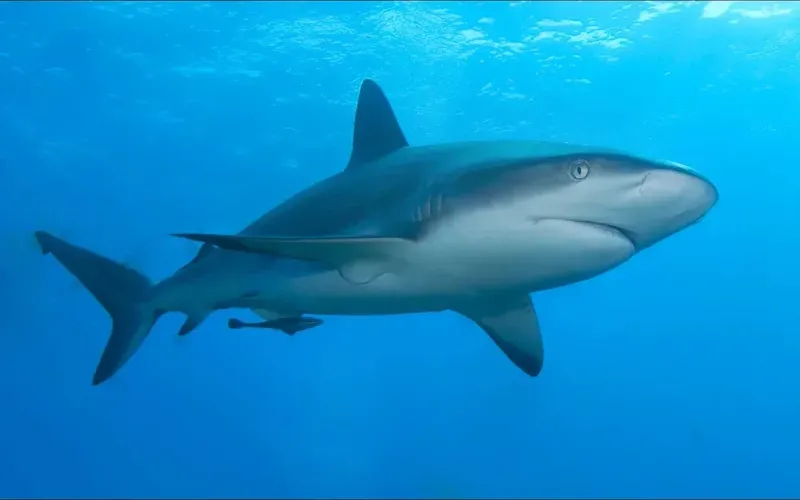
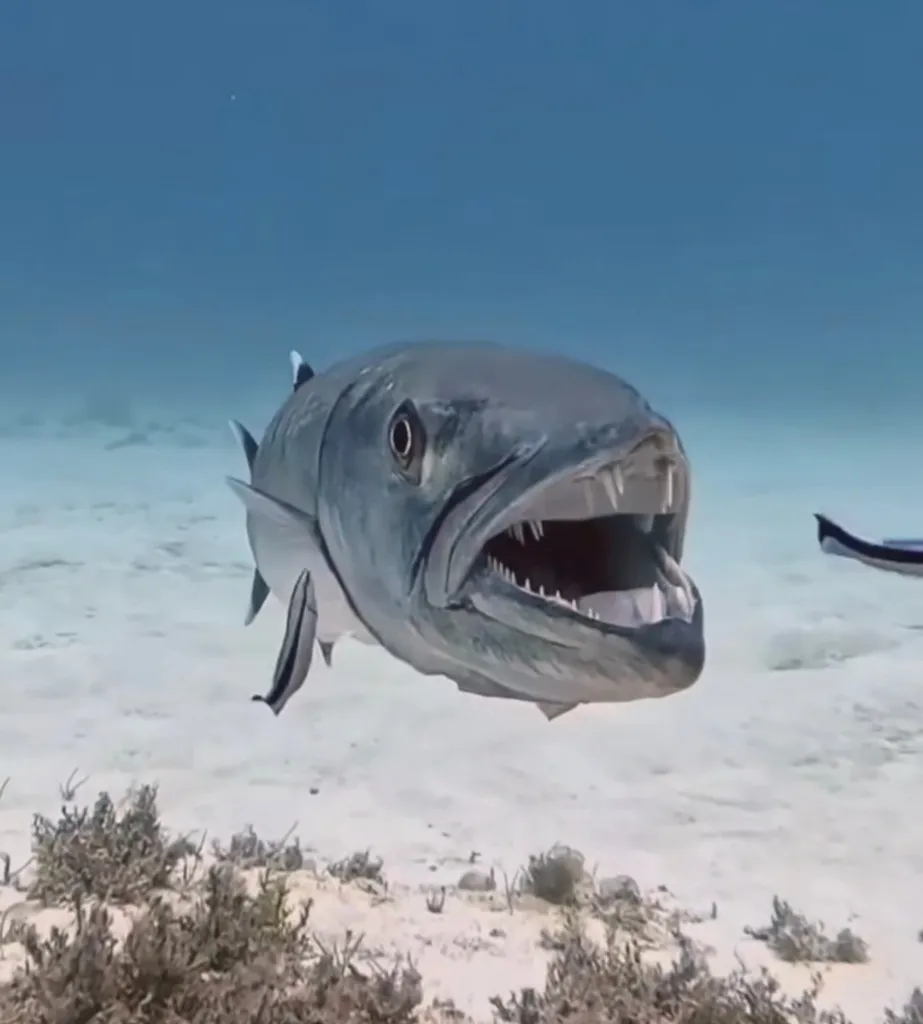
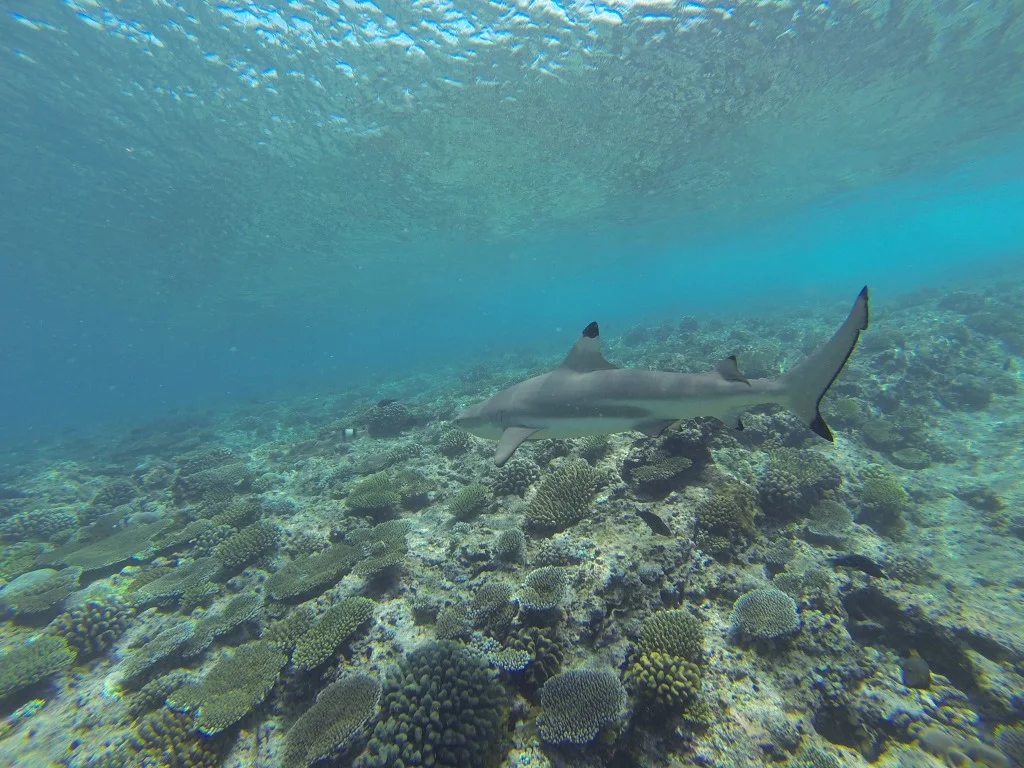
Indonesia's marine life is characterized by extraordinary biodiversity, supporting thousands of fish species and hundreds of coral types. Raja Ampat, for instance, records over 1,500 fish species and 500 coral species, showcasing an abundance of reef and oceanic mantas, pygmy seahorses, and wobbegong sharks. Cape Kri, in particular, holds a world record for fish species counted on a single dive.
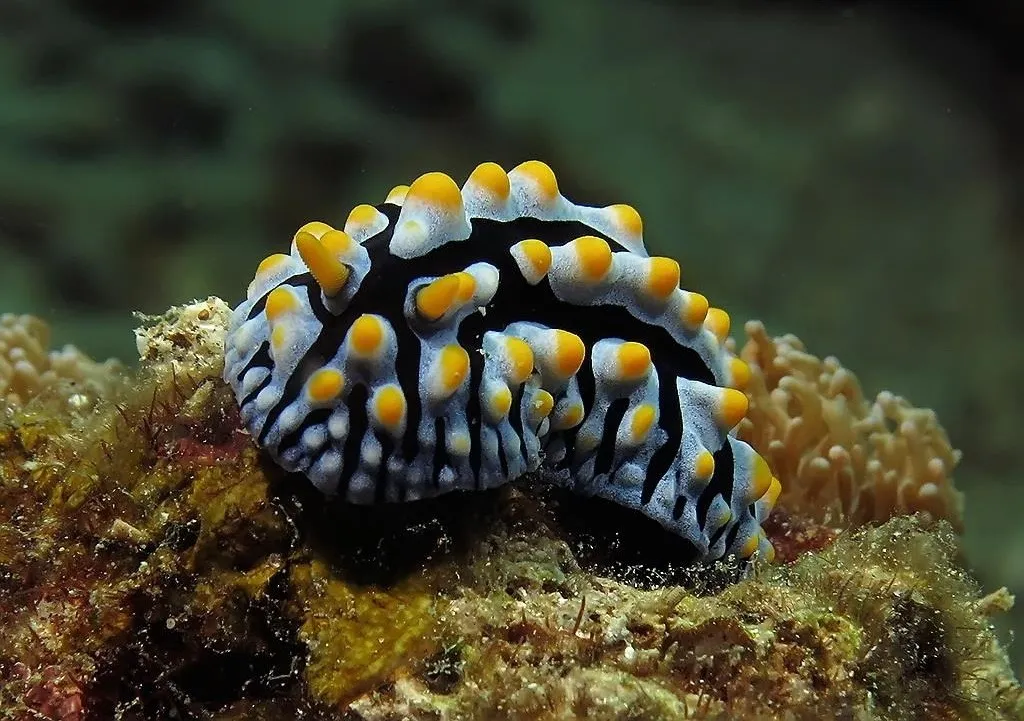
For macro enthusiasts, Lembeh Strait is a global hotspot for unique critters such as the Mimic Octopus, Flamboyant Cuttlefish, Hairy Frogfish, and an impressive array of nudibranchs. Alor offers sightings of rare Rhinopias, thresher sharks, and even large pods of dolphins. Pulau Weh is notable for its numerous eel species, including massive Giant Moray eels.
Larger marine animals are also present throughout the archipelago. Komodo National Park is a prime location for Manta Rays, sharks (including grey reef and white tip reef sharks), and the elusive Mola mola, especially during specific seasons. The Banda Sea is celebrated for its hammerhead migration, with schools of scalloped hammerhead sharks gathering around remote volcanic islands. Green turtles are common in many areas, and Maratua Island is a significant turtle breeding site.
Regions for Diving
Indonesia's vastness ensures a diverse array of diving regions, each with its unique character and marine offerings. Raja Ampat in West Papua is often considered a premier destination, boasting some of the world's highest marine biodiversity. Diving here is excellent from October to April, with water temperatures around 27-30°C (81-86°F) and visibility often exceeding 30 m (100 ft). Notable sites like Cape Kri and Manta Sandy offer abundant reef and pelagic life, though strong currents can be present in areas like the Dampier Strait.
Komodo National Park, located in East Nusa Tenggara, is another iconic region, best dived from April to October. This area is recognized for its strong currents, offering thrilling drift dives and encounters with Manta Rays, sharks, and Komodo Dragons on land. Water temperatures can range from 23-29°C (73-84°F), with visibility typically between 15-40 m (49-131 ft). Sites such as Crystal Rock and Batu Bolong require experienced divers due to the intense currents.
North Sulawesi offers two distinct diving experiences: Bunaken National Park and Lembeh Strait. Bunaken, north of Manado, features incredible wall dives, suitable for both new and experienced divers, with occasional currents and visibility from 15-50 m (49-164 ft). Water temperatures typically stay around 28-29°C (82-84°F), with the best diving from March to October. The nearby Lembeh Strait is celebrated as the muck diving capital of the world, offering year-round opportunities to find rare macro critters in stable 28°C (82°F) waters. This area is better appreciated by divers with some experience in identifying unique marine life.
Bali provides accessible and varied diving, including wreck dives in Tulamben (like the USAT Liberty) and pelagic encounters off Nusa Penida. The best time to dive in Bali is from April through October, with water temperatures around 26-28°C (79-82°F) and visibility often exceeding 25 m (82 ft) in places like Padang Bai. Nusa Penida is particularly known for Mola mola sightings from July to October, brought by cold water upwellings.
Travel & Passport Guide
Travel Basics
Trip Planning
Safety & Diving Considerations
Safety is a paramount consideration when diving in Indonesia, especially given the challenging conditions in some regions. Strong currents, particularly in Komodo and Raja Ampat, necessitate that divers possess advanced-level certification or have at least 50 logged dives. Komodo's currents are intense, and choosing a reputable dive operator that emphasizes safety and provides essential gear like Surface Marker Buoys (SMBs) is crucial. Divers should always carry an SMB and know how to use it, and a Nautilus Lifeline GPS device can be a life-saving tool if caught in strong currents.
Wearing a thicker wetsuit, sometimes 5mm, might be necessary in areas with cooler upwellings, like parts of Bali or Komodo, even if overall water temperatures are warm. In certain areas, like Raja Ampat, a lightweight reef hook (used strictly on rocks, where permitted) can help maintain position in strong currents without damaging delicate corals. Gloves are generally forbidden to protect marine life. Some dive sites, such as Cauldron (aka Shotgun) in Komodo, are specifically for highly experienced divers due to extreme currents.
Beyond underwater safety, cultural respect is important, particularly in regions like Aceh, Sumatra, which is a conservative Muslim area. Visitors should dress modestly and refrain from public displays of affection or drinking in public. While Indonesia offers easy travel to major hubs like Bali, reaching more remote dive destinations often involves domestic flights and boat transfers, requiring careful planning to avoid no-fly times after diving.
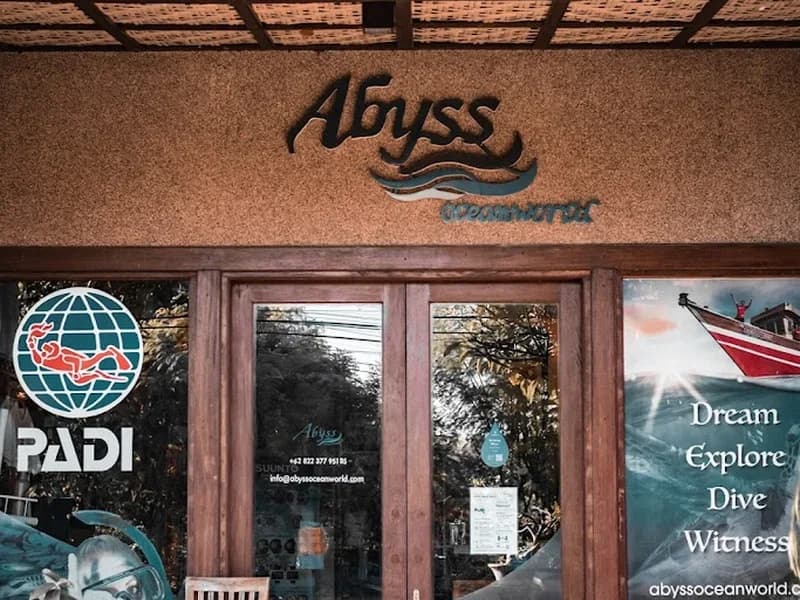
Dive Centers in Indonesia
View all 68 dive centers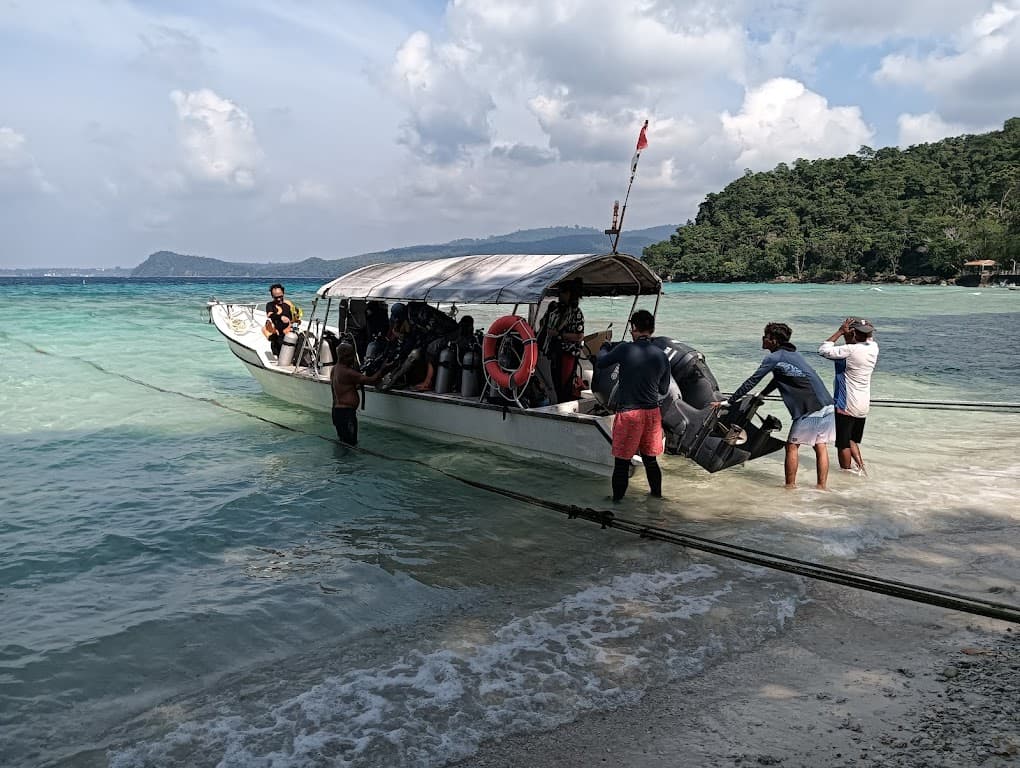

Frequently Asked Questions
What are the primary dive seasons in Indonesia?
Indonesia generally experiences a dry season from April to October and a rainy season from November to March. The dry season typically offers calmer seas and better visibility across most regions, making it popular for diving. However, due to its vast size, some regions, like Raja Ampat, have prime diving during the rainy season (October to April), while others, like Komodo, are best from May to October.
What kind of marine life can I expect to see?
Indonesia boasts exceptional marine biodiversity. Divers can encounter large pelagics like manta rays (both reef and oceanic), various shark species (including white tip, black tip, wobbegong, and even schooling hammerheads in the Banda Sea), and the elusive Mola mola (oceanic sunfish). For macro enthusiasts, regions like Lembeh Strait are teeming with unique critters such as mimic octopus, flamboyant cuttlefish, hairy frogfish, and pygmy seahorses. Vibrant hard and soft corals are abundant throughout the archipelago.
Are the currents strong in Indonesian dive sites?
Yes, many of Indonesia's world-class dive sites are known for strong currents, particularly in Komodo National Park and parts of Raja Ampat. These currents drive the rich marine life and pelagic action. Sites like Crystal Rock, Batu Bolong, and Cauldron in Komodo offer powerful drift diving. Divers planning to visit these areas should have advanced certification or significant experience with drift diving.
What are the typical water temperatures?
Water temperatures in Indonesia are generally warm, ranging from 27-30°C (81-86°F) in most areas like Raja Ampat and Bunaken. However, colder upwellings can occur, especially around Bali and Komodo from July to October, potentially dropping temperatures to 23°C (73°F). It's advisable to check regional temperatures for your specific travel dates and consider a 3mm or 5mm wetsuit accordingly.
What dive sites are recommended for beginners?
While many sites require experience, some are suitable for beginners. The USAT Liberty Wreck in Tulamben, North Bali, is an accessible shore dive between 5 m (16 ft) and 30 m (98 ft) that welcomes various skill levels, including snorkelers. The Amed Japanese Wreck, also in Bali, is shallow and suitable for Level 1 divers. Manta Sandy in Raja Ampat, with a depth of 18 m (59 ft), is suitable for all diver levels. Bunaken also offers wall dives suitable for new divers.
What essential safety gear should I bring?
For safety, especially in areas with strong currents, it is highly recommended to always carry a Surface Marker Buoy (SMB) and know how to deploy it. A Nautilus Lifeline GPS device can also be invaluable in open water. In some regions, a lightweight reef hook (used on rocks only, where permitted) can help divers stabilize themselves in currents without harming corals. Choosing a dive operator that prioritizes safety and provides comprehensive briefings is also crucial.