
Diving in Mexico
Dive conditions in Mexico are influenced by local geography, resulting in noticeable differences between sites. We currently feature 134 mapped dive sites across Mexico. This makes it easier to assess where and when to dive.
Mexico's extensive coastlines, encompassing the Pacific Ocean and Caribbean Sea, present an array of underwater landscapes for certified divers. From the dramatic volcanic pinnacles of the Revillagigedo Archipelago to the vibrant coral gardens of Cozumel, the country provides diverse diving experiences. The distinct freshwater cave systems, known as cenotes, provide an inland adventure on the Yucatan Peninsula. Divers can encounter a wide spectrum of marine life, including large pelagics like giant manta rays, various shark species, and whales, alongside abundant reef dwellers.
The country is segmented into several key diving regions, each with its own character. The Pacific Coast, including Baja California and its offshore islands, contrasts with the Caribbean's clear, warm waters and intricate reef structures.
Destinations like Cozumel and the Riviera Maya are well-established for their accessible reef and drift diving, while more remote locations cater to advanced divers seeking big animal encounters. The underwater terrain promises an engaging experience for every diver.
Dive Map of Mexico
Dive sites across Mexico are geographically diverse, offering distinct experiences from coast to coast. The Caribbean side, particularly around Cozumel, Cancun, and Isla Mujeres, features extensive reef systems and cenotes. Cozumel presents numerous drift dives like Palancar Reef and Santa Rosa Wall, while Cancun and Isla Mujeres host sites such as Manchones Reef and the unique Museo Subacuático de Arte (MUSA).
Moving to the Pacific, Baja California Sur and the Sea of Cortez offer vibrant marine parks like Cabo Pulmo, with sites such as El Bajo.
Further offshore, the remote Revillagigedo Archipelago, including Socorro Island, is a liveaboard destination with sites like Roca Partida and The Boiler. These locations are spread to provide a range of diving environments, from sheltered bays to open ocean pinnacles.
Dive Sites to Explore
View all 134 sites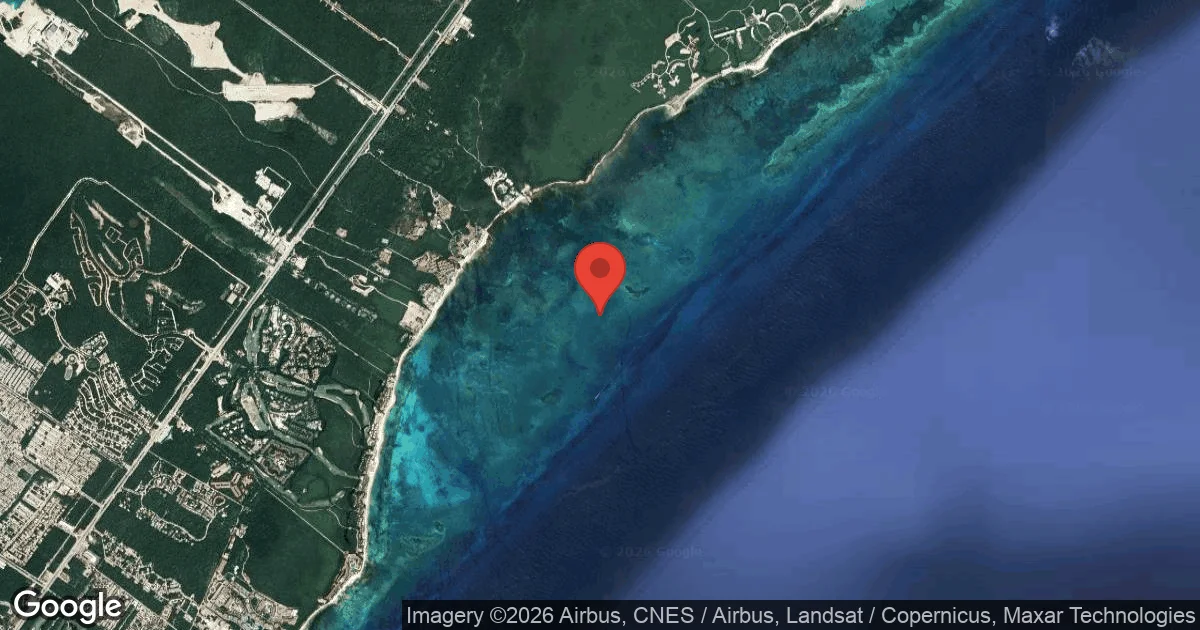
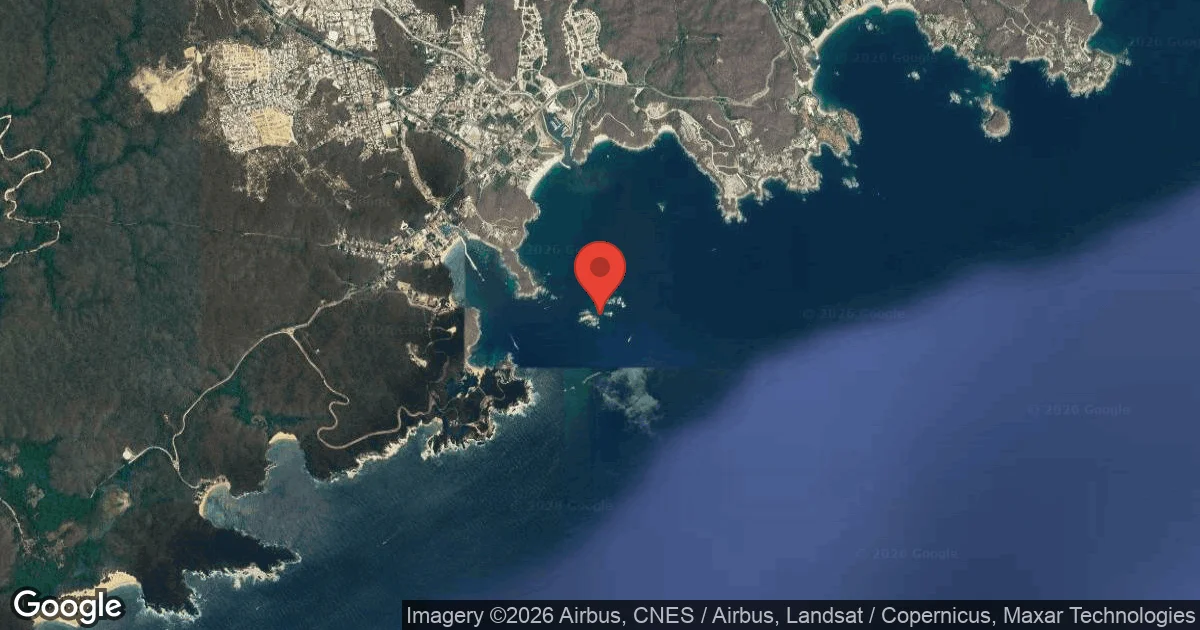
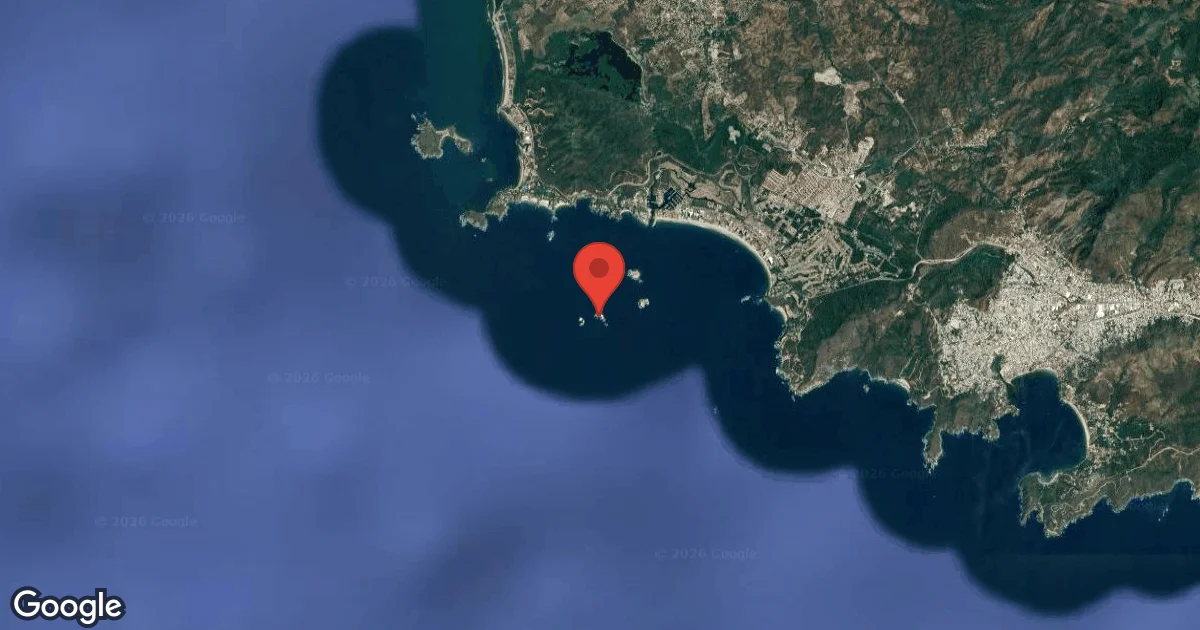
Mexico presents a rich diversity of dive types, ranging from vibrant coral reefs and intricate wreck dives to exhilarating drift opportunities and distinct cave explorations. Divers can explore a variety of underwater environments tailored to different skill levels and interests.
Palancar Reef in Cozumel exemplifies Caribbean reef diving. This 5 km (3.5 mile) long reef features numerous coral species, tunnels, and caves, with visibility often reaching 30-50 meters (100-165 ft). Its varied sections suit both beginner and advanced divers, offering chances to spot sharks, turtles, and eagle rays.
For wreck enthusiasts, the C-53 Xicotencatl in Cozumel is a notable site. This 56-meter (184 ft) long wreck forms an artificial reef teeming with marine life. Visibility here can be excellent, making it a clear exploration for those interested in historical underwater structures.
Exploring the cenotes of the Yucatan Peninsula provides a freshwater cave diving experience. Dos Ojos, north of Tulum, is a well-known cenote with excellent visibility and shallow depths of around 10 meters (30 ft), making it accessible for beginners and snorkelers. For technical divers, The Pit, located between Playa del Carmen and Tulum, plunges to 119 meters (391 ft) and features crystal clear visibility, stalactites, and a surreal hydrogen sulfide cloud.
The Socorro Islands, part of the Revillagigedo Archipelago, are a prime location for pelagic encounters. Sites like Roca Partida attract a variety of large marine species, including sharks, mantas, and dolphins. These high-energy dives are best suited for advanced divers, with visibility typically ranging from 10-60 meters (33-200 ft).
Best Time to Dive in Mexico
Seasonal wildlife patterns significantly influence the best time to dive in Mexico, with different regions offering peak encounters throughout the year. For the Socorro Islands, the official dive season spans November through May, featuring consistent pelagic sightings. Humpback whales migrate to Socorro from January to March, when water temperatures are at their coolest, around 21-23°C (70-73°F). Whale sharks are frequently seen in Socorro from November to December, though visibility might be slightly lower, around 15-20 meters (50-65 ft), due to plankton blooms.
In the Sea of Cortez, the peak season for liveaboard diving is from July through November, offering excellent visibility and warmer waters, up to 29°C (85°F). This period is ideal for seeing mobula rays, which migrate between May and July, and juvenile whale sharks from late September through November. The dry season, from November through June, generally brings clearer conditions and cooler air temperatures across many regions, though northerly winds can cause occasional surface chop.
On the Caribbean side, including the Riviera Maya, Cozumel, and the cenotes, the ideal ocean diving season runs from November to May. Cenotes, however, are excellent for diving year-round, with stable water temperatures of approximately 24°C (75°F) and consistent, clear visibility. During the dry season (November to April), the Yucatan Peninsula experiences more stable weather and excellent underwater visibility. It's worth noting that the Yucatan can get crowded during December and March due to holidays.
Monthly Sea Temperatures
Sea temperatures in Mexico vary across its diverse diving regions and seasons, generally offering warm conditions for most of the year. In the Caribbean Sea and Yucatan Peninsula, including Cozumel and the cenotes, water temperatures typically range from 25-30°C (77-86°F). Cenotes maintain a remarkably consistent temperature, usually staying around 24°C (75°F) year-round, making a 5mm wetsuit a comfortable choice.
Along the Pacific Coast and in the Sea of Cortez, temperatures can be more variable. From July to November, the Sea of Cortez experiences its warmest waters, reaching up to 29°C (85°F). During the cooler months, from December to March, temperatures can dip to around 18°C (64°F).
The Socorro Islands see warmer waters, 23-26°C (73-79°F), from November through early January and again in April and May. Temperatures can drop to 21-23°C (70-73°F) during the humpback whale migration season from late January to early April.
| Jan | Feb | Mar | Apr | May | Jun | Jul | Aug | Sep | Oct | Nov | Dec | |
|---|---|---|---|---|---|---|---|---|---|---|---|---|
| Max | 29° | 29° | 29° | 30° | 31° | 31° | 31° | 31° | 31° | 31° | 30° | 30° |
| Avg | 28° | 28° | 28° | 29° | 29° | 30° | 30° | 30° | 30° | 30° | 29° | 29° |
| Min | 27° | 27° | 26° | 27° | 28° | 29° | 29° | 29° | 29° | 28° | 28° | 28° |
Dive Conditions
Underwater conditions in Mexico are as varied as its geography, influenced by regional currents and seasonal weather patterns. Visibility is often excellent, especially in the cenotes of the Yucatan Peninsula, where it can reach up to 100 meters (330 ft) in some areas, offering clear views through the light shafts. On the Caribbean reefs, visibility typically ranges from 20 to 30 meters (65-100 ft), providing clear, blue water.
In the Pacific, particularly the Sea of Cortez, visibility can range from 10 to 60 meters (33-200 ft) and may change quickly. During the rainy season (May-October), plankton blooms can temporarily reduce visibility in some areas, though offshore reefs often retain good clarity once surface conditions settle after tropical downpours.
Currents also vary significantly; Cozumel provides strong drift diving opportunities, with currents sometimes reaching 1.14 knots (0.59 m/sec). The Revillagigedo Archipelago also experiences strong currents, ideal for high-energy pelagic dives. Conversely, many inner reef sites, like those within Banco Chinchorro, are typically protected from strong currents, making them accessible for less experienced divers. However, winter fronts, locally known as 'nortes,' can bring cooler air, stronger north winds, and choppier surface conditions to the Yucatan, affecting exposed reefs for a day or two.
Marine Life Highlights
Most Mentioned Species
Marine life in Mexico varies across dive locations, with different species appearing depending on environment and conditions. The species highlighted here are the most frequently associated with dive sites in our data, offering a realistic overview of what divers are most likely to encounter.
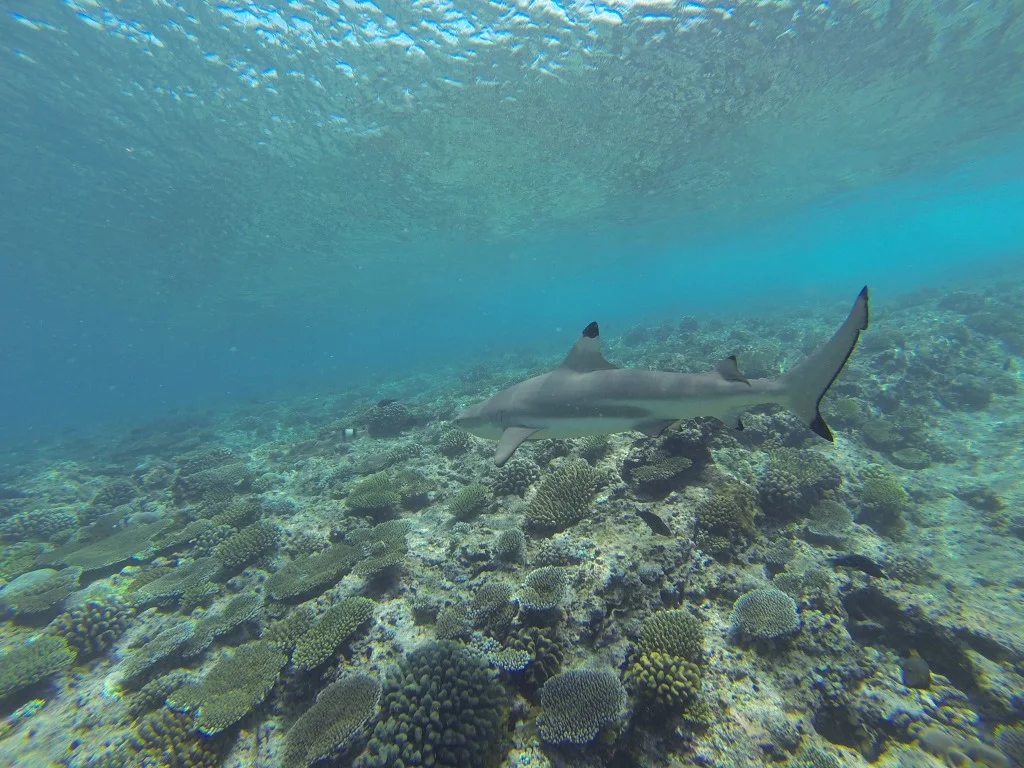
Mexico's diverse marine environments support an incredible array of species, making it a premier destination for wildlife encounters. The Pacific waters, including the Sea of Cortez and the Revillagigedo Archipelago, are particularly noted for their large pelagic inhabitants. Divers can expect to see schooling hammerhead sharks, tiger sharks, silky sharks, and oceanic white-tip sharks. Giant manta rays are resident in Socorro year-round, with humpback whales migrating through from January to March. Mobula rays are common from May through July, often seen in vast schools.
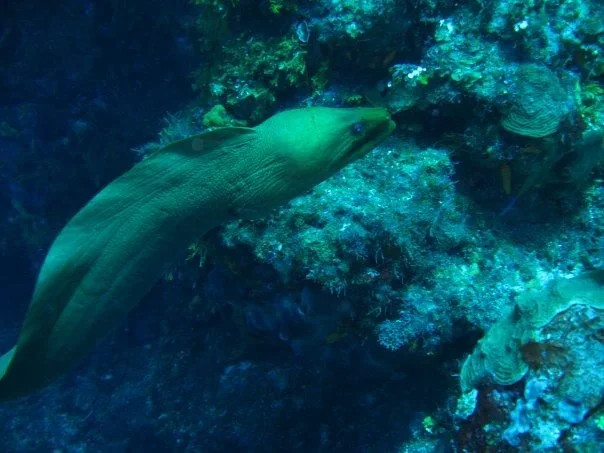
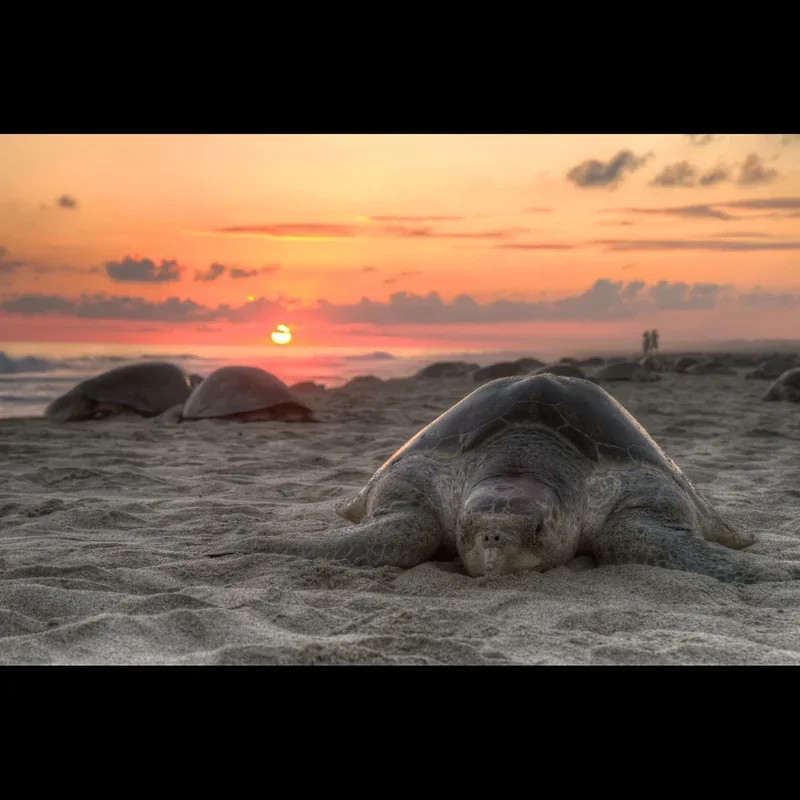
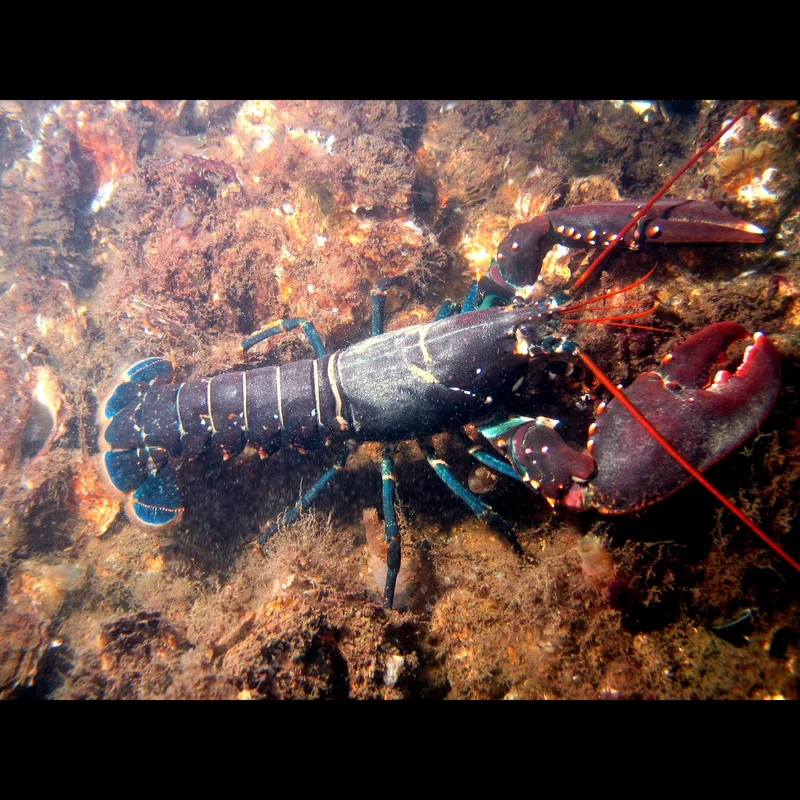
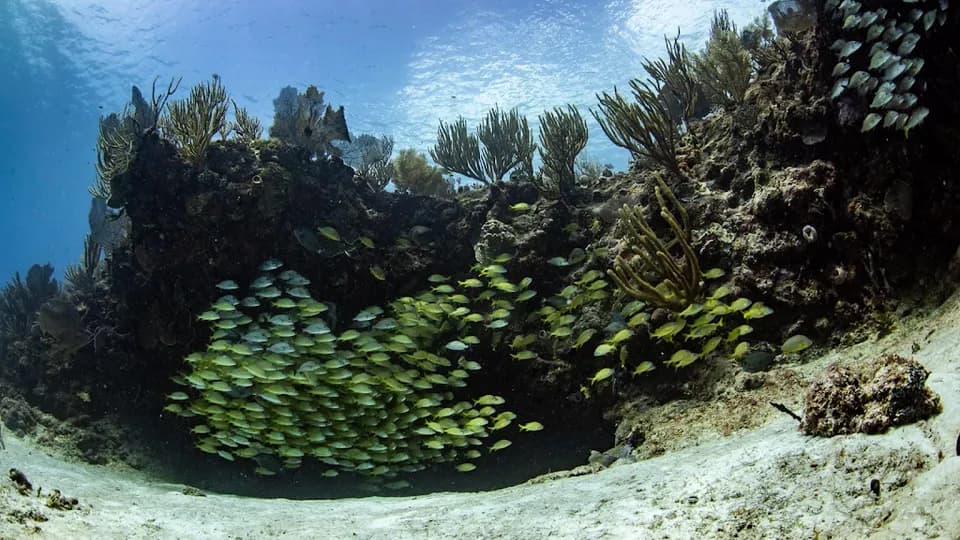
The Caribbean side boasts vibrant coral reefs that are home to a different suite of species. Here, you'll encounter numerous tropical reef fish such as wrasse, snappers, parrotfish, angelfish, and groupers. Turtles are frequently spotted, alongside eagle rays, lobsters, pufferfish, moray eels, and nurse sharks.
A seasonal draw in Playa del Carmen is the presence of female bull sharks from November to March. The cenotes, while primarily known for their geological formations, can also host unique life like catfish in some systems and stromatolites in others.
Regions for Diving
Embarking on a diving journey through Mexico reveals distinct underwater worlds across its key regions.
The Yucatan Peninsula on the Caribbean side offers a dual experience: vibrant ocean reefs and mystical freshwater cenotes. Cozumel stands out with its pristine reefs like Palancar Reef and Santa Rosa Wall, perfect for drift diving amidst abundant marine life. Visibility here is consistently excellent, often 20-30 meters (65-100 ft), with water temperatures ranging from 25-30°C (77-86°F). The best time for ocean diving is November to May. Inland, the cenotes, such as Dos Ojos and The Pit, provide unique cavern and cave diving experiences with stable 24°C (75°F) water and crystal clear visibility year-round. Playa del Carmen also offers ocean diving and access to cenotes, with the added seasonal draw of bull sharks from November to March.
Moving to the Baja California region and the Sea of Cortez, divers encounter a different ecosystem, often referred to as the "aquarium of the world." Cabo Pulmo Marine Park is a thriving protected area known for its abundance of fish, groupers, and sea lions, with a season running from May to November. La Paz offers opportunities to swim with whale sharks from October to April, alongside playful sea lion encounters at sites like Los Islotes. Water temperatures vary more here, from 18-29°C (64-84°F), and visibility can range from 10 to 60 meters (33-200 ft) depending on the site and season. The peak diving season for this region is July to November.
Further offshore, the Revillagigedo Archipelago, including Socorro Island, is a remote liveaboard destination in the Pacific. This region is a magnet for large pelagic species, including giant manta rays, schooling hammerhead sharks, dolphins, and humpback whales. The dive season is from November to May, with water temperatures between 21-28°C (70-82°F). Conditions often involve strong currents and high-energy dives, making it ideal for experienced divers seeking big animal encounters. Visibility typically ranges from 10 to 40 meters (33-130 ft), with some seasonal variations.
Travel & Passport Guide
Travel Basics
Trip Planning
Safety & Diving Considerations
Safety in Mexican waters requires divers to be aware of local conditions and their personal skill levels. Many of Mexico's dive sites, particularly in the Revillagigedo Archipelago and areas of Cozumel like Barracuda Reef, feature strong currents and are best suited for advanced and experienced divers. Sites such as Santa Rosa Wall and Palancar Horseshoe are also favorites among advanced divers due to their depths and potential currents. For technical divers, cenotes like The Pit offer challenging deep dives.
In the cenotes, good buoyancy control and comfort with cavern environments are crucial, even for open water certified divers in systems with natural light. During the rainy season (May to October), there is a higher risk of tropical storms, which can lead to port closures. Harbor masters enforce these closures for small vessels when wind and wave conditions exceed safe limits, meaning no licensed operator can take divers out.
Divers should always carry a surface marker buoy and know how to use it, especially in areas with currents. Traveling in the Yucatan Peninsula is generally safe, but driving at night is best avoided due to wildlife on the roads. For remote areas like the Socorro Islands, accessibility is strictly via liveaboard, requiring careful planning and adherence to expedition safety protocols.
Dive Centers in Mexico
View all 62 dive centers

Frequently Asked Questions
What is the best time of year to dive in Mexico?
The ideal time for diving in Mexico varies by region. For the Caribbean side, including Cozumel and the Riviera Maya, November to May offers stable weather and excellent visibility. Cenotes are suitable year-round. For Baja California and the Sea of Cortez, May to November typically provides warmer water and good visibility, while the Socorro Islands are best visited from November to May for peak pelagic encounters.
What kind of marine life can I expect to see?
Mexico's waters are rich with marine life. On the Pacific side, expect large pelagics like giant manta rays, hammerhead, silky, and oceanic white-tip sharks, dolphins, and various whales including humpbacks. The Caribbean reefs host tropical fish such as parrotfish, angelfish, groupers, and snappers, alongside turtles and eagle rays. Bull sharks are a seasonal attraction in Playa del Carmen.
Are cenotes suitable for beginner divers?
Many cenotes, like Dos Ojos, are accessible to beginner divers and snorkelers due to their shallow depths and excellent visibility with natural light. However, some cenotes are deeper and more complex, requiring advanced or technical diving certifications and good buoyancy skills. Always dive with a professional guide familiar with the specific cenote.
What are the typical water temperatures for diving?
Water temperatures range significantly across Mexico. The Caribbean Sea generally stays warm, between 25-30°C (77-86°F), while cenotes are consistently around 24°C (75°F). In the Sea of Cortez, temperatures can vary from 18°C (64°F) in cooler months to 29°C (85°F) in warmer periods. Socorro Islands typically range from 21-28°C (70-82°F) depending on the season.
How do currents affect diving in Mexico?
Currents are a notable feature in Mexican diving. Cozumel is well-known for its strong drift currents, which are ideal for experienced divers. The remote Revillagigedo Archipelago also experiences strong currents, contributing to its high-energy pelagic dives. Many inner reef sites offer milder conditions, but divers should always be prepared for varying current strengths and carry a surface marker buoy for safety.