
Diving at Tatsunokuchi (Japan)
Tatsunokuchi, a shore entry dive site, sits on the fringes of Nagasaki City, Japan. It provides direct access to ocean diving from a beach, reaching a maximum depth of 25 m / 82 ft. Divers here can expect to encounter tropical fish within its saltwater environment.
As evening covers Tatsunokuchi, the local air temperature is measured at 25°C. The current wave height at the surface is recorded at 0.3 m. These late-day readings characterize the surface conditions for the night.
Dive Site Location & Key Facts
Dive Site Overview
Tatsunokuchi offers a distinct appeal through unparalleled accessibility, serving as a direct shore entry point from a small beach at the edge of Nagasaki City. Its characteristic simplicity and convenience shape the entire dive experience.
Divers don't need boat transfers; instead, gearing up allows a direct walk into Pacific waters, which gradually deepen to a maximum of 25 m / 82 ft. Such direct access fosters a relaxed diving rhythm, ideal for multiple dives or focused underwater photography without complex boat schedules. While primarily a beach dive, the site transitions into an oceanic environment, providing habitat for various tropical fish.
On-site facilities are tailored for shore diving ease, featuring hot showers, dedicated equipment washing and drying areas, and a comfortable terrace for logging and socialising. This infrastructure supports a streamlined diving day, making Tatsunokuchi a pragmatic choice for those valuing an accessible, low-fuss experience where the primary focus is the immediate underwater world.
An inviting destination for both local enthusiasts and traveling divers seeking uncomplicated aquatic exploration.
Conditions are Good
Optimal conditions expected
Current conditions near Tatsunokuchi show 25° air, 28° sea temperature, 0.5 m waves, and 30 km/h wind. Forecast data is refreshed regularly to ensure accuracy.
Best Time to Dive
To fully appreciate Tatsunokuchi's diving opportunities, planning around the calmer periods is key. The most favorable conditions generally occur from September through October, when the dive scores are consistently high. During these months, the air temperatures are pleasant, averaging around 27°C / 81°F in September and 21.5°C / 71°F in October, creating comfortable surface conditions. While diving is possible year-round with generally good or moderate scores, other months, particularly winter (January-March) and late autumn (November), tend to have higher wave heights and stronger winds, which can impact the shore entry and overall comfort. Rain is generally manageable throughout the year, with June seeing the highest average rainfall at 14.33 mm. For optimal comfort and the calmest sea state, aiming for late summer to early autumn is advisable, balancing warm conditions with reduced wave action.
PEAK SEASON SCORE
Scores combine air & water temps, waves, wind & rainfall for overall conditions.
BEST MONTHS TO DIVE
Monthly records compiled from satellite and marine observation nodes over the last 3 years. Data provided by Open-Meteo and MET Norway.
Dive Experience & Conditions
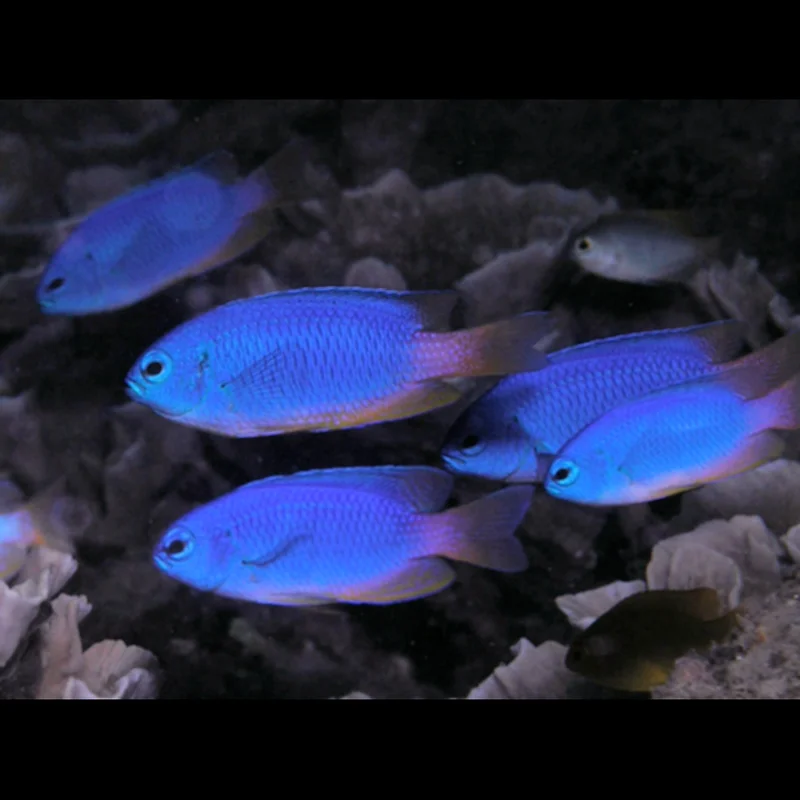
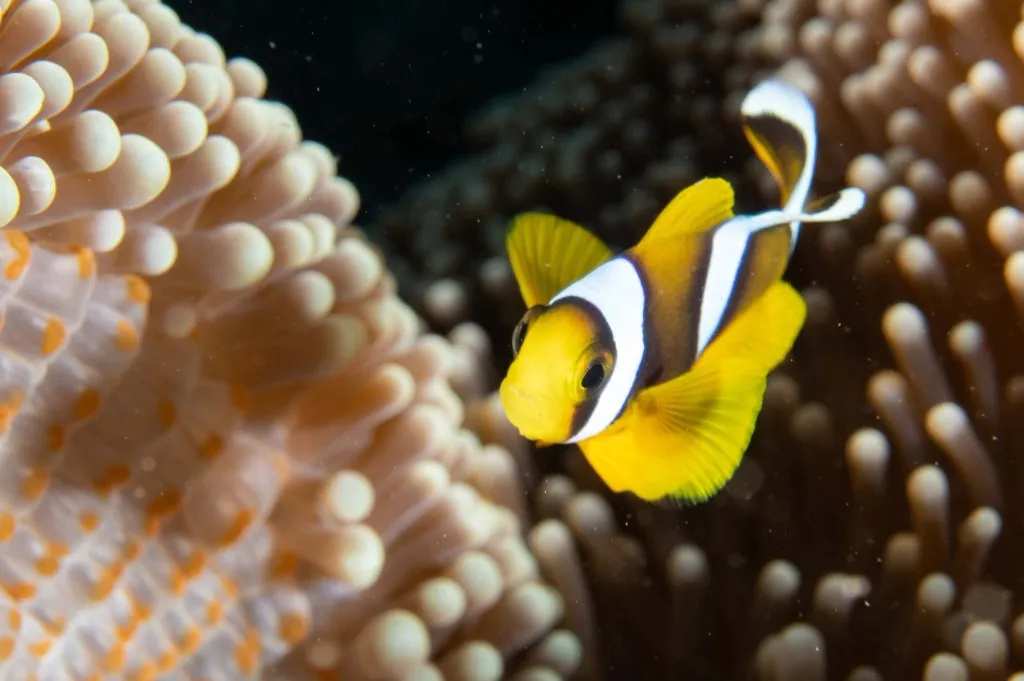
Descending into Tatsunokuchi from the beach offers an immediate sense of immersion. Initial entry is straightforward, leading into saltwater that gradually deepens, allowing divers to acclimate comfortably. While specific water temperature data isn't consistently reported for this exact site, on-site hot showers suggest cooler water during certain seasons, a comforting amenity after a dive. Visibility varies, though focus here is often on macro life and smaller reef inhabitants found closer to shore. Strong currents don't typically characterize the site, making for a relaxed environment suitable for divers of varying experience levels. It’s an easy-going dive where subtle movements of damselfish and clownfish create a serene underwater tableau.
Dive Difficulty & Safety Guidelines
Approaching Tatsunokuchi requires standard shore diving safety considerations. Always assess the entry and exit points for any changing wave action or currents before entering. While the site is generally considered calm, conditions can vary, making a thorough pre-dive check of surface conditions essential.
Given that marine life highlights smaller, less active species, maintaining proper buoyancy control is advised to protect the delicate environment. The site's maximum depth remains well within standard recreational limits, accommodating most certified divers.
Always follow local guidelines and ensure equipment is suitable for the conditions, particularly a wetsuit given the regional climate.
Recommended Equipment
- Dive Computer
- DSMB
- Hard-soled Dive Boots
This gear list is based on verified equipment signals for Tatsunokuchi, Japan. Always confirm final gear choices with your dive operator, guide, or liveaboard.
Recommended Dive Suit
2-3mm shorty or light wetsuit usually provides adequate warmth in water around this temperature. A hood or vest is suggested for sensitive divers due to surface winds. Those diving at Tatsunokuchi today will likely encounter water temperatures in the region of 28°C (82°F). Surface air temperatures are resting at 25°C (77°F).
Environmental conditions are expected to remain consistent in the short-term outlook.
Conditions can vary slightly across different parts of the same dive site.
Emergency & Medical Support
Essential information to help you plan your dive trip to Tatsunokuchi.

Hyperbaric chambers are a critical part of dive safety infrastructure. Availability varies significantly by region, and not all dive areas have immediate access.
Before diving, it's recommended to:
- confirm nearest medical facilities
- check emergency procedures with local dive operators
- ensure dive insurance covers evacuation if required
Divers Alert Network
Diving emergency assistance available through DAN Japan.
+81338124999- 24/7 emergency hotline
- Diving medical assistance
- Evacuation coordination
Emergency contacts are provided for reference. Always verify local emergency services before diving.
Marine Life at Tatsunokuchi
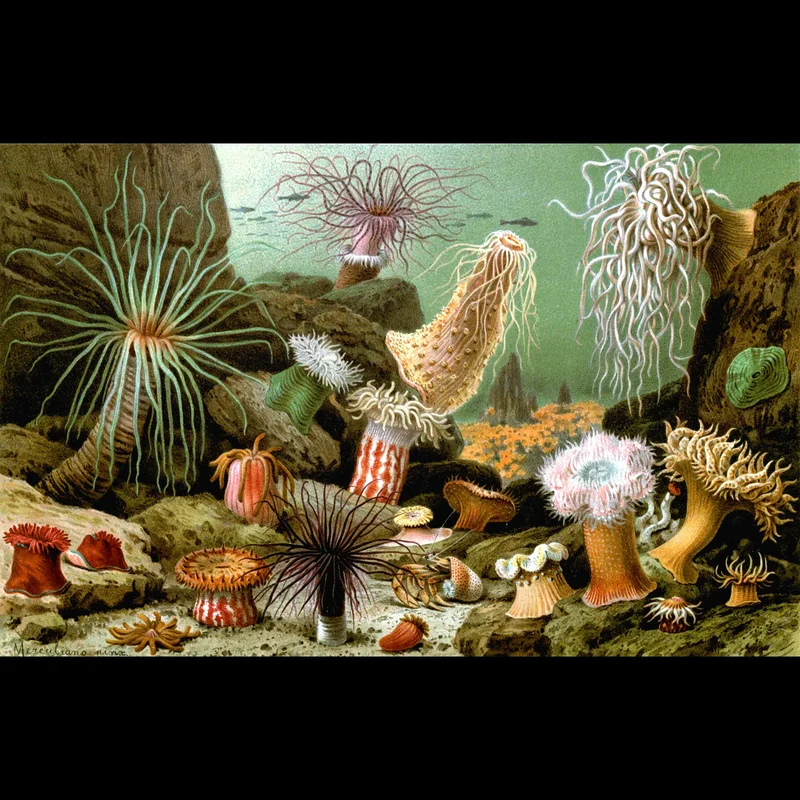
Entering Tatsunokuchi's waters reveals an active world of smaller reef inhabitants. Divers consistently encounter tropical fish species, notably vibrant clownfish nestled among anemones and various damselfish darting through nearshore corals.
Seabream are also commonly sighted, contributing to the site's overall marine diversity. The focus here lies on observing these colorful, often intricate creatures that thrive in the coastal environment, presenting engaging subjects for detailed observation and macro underwater photography opportunities.
Dive Centers Near Tatsunokuchi
No Dive Centers Local To Tatsunokuchi
Are you a dive center visiting this location? Get listed to reach divers.
Nearest Airports
Nearest airports to help plan travel to this dive area.
Search Flights
Check available flights and routes on Expedia, using the nearby airports listed in this section.
Search Flights on ExpediaFrequently Asked Questions
What type of entry does Tatsunokuchi offer?
Tatsunokuchi is primarily a shore entry dive site. Divers access the water directly from a small beach, making it convenient for gearing up and entering the ocean without the need for boat transfers.
What is the maximum depth at Tatsunokuchi?
The maximum diving depth reported for Tatsunokuchi is suitable for certified recreational divers. The site typically reaches depths well within recreational limits, accommodating most open water certifications.
What kind of marine life can I expect to see?
You can typically expect to see tropical fish such as clownfish and various damselfish. Seabream are also common sightings within the site's saltwater environment.
Are there facilities available at the dive site?
Yes, dive operations in the area often provide facilities like hot showers, changing rooms, and equipment washing/drying areas. There may also be a terrace for post-dive activities.
Is Tatsunokuchi suitable for beginner divers?
Given its straightforward shore entry and generally calm conditions, Tatsunokuchi is often suitable for divers of various experience levels, including beginners under proper supervision. The site's focus on smaller marine life also lends itself to a relaxed dive.
What months offer the best diving conditions?
Based on climate data, September and October generally offer the most favorable diving conditions. These months present good dive scores, pleasant air temperatures, and typically calmer seas.
Is a wetsuit necessary for diving here?
A wetsuit is recommended for diving at Tatsunokuchi. Water temperatures can vary, and a wetsuit helps ensure thermal comfort throughout your dive, especially during cooler seasons.
Planning to dive Tatsunokuchi?
Send one inquiry and receive offers directly from the best verified local dive operators.
Conditions are Good
Optimal conditions expected
Current conditions near Tatsunokuchi show 25° air, 28° sea temperature, 0.5 m waves, and 30 km/h wind. Forecast data is refreshed regularly to ensure accuracy.