
Diving at Los Arcos (Mexico)
Venturing into Los Arcos presents divers with a unique challenge in Banderas Bay. This site is known for being the deepest point in the entire bay, offering impressive walls and a network of caves and tunnels to explore. Navigating its varied topography requires attentive dive planning. Divers can expect to encounter diverse marine life within these protected waters, making careful exploration rewarding.
Tonight's objective overview for Los Arcos shows an air temperature of 27.5°C. The measured surface conditions include wave heights around 0.5 m. This environmental data is logged for the close of the day.
Dive Site Location & Key Facts
Dive Site Overview
Exploring Los Arcos plunges divers into the vibrant underwater world of Banderas Bay, a protected area celebrated for its rich biodiversity. This site holds the distinction of being the bay's deepest point, drawing divers into a complex environment shaped by impressive walls, intricate caves, and engaging tunnels.
With average visibility around 18 m (60 ft), the varied topography is often clear, allowing for detailed observation of the reef and its inhabitants. Descending here, you'll find depths ranging from 9 m (30 ft) in shallower sections, ideal for less experienced divers, to a maximum depth of 39.6 m (120 ft) in the deeper areas that appeal to advanced certification levels.
Boat entry is the standard approach for this saltwater dive, providing easy access to its diverse reef and wall formations. Navigating through the natural arches and dramatic rock formations reveals a dynamic ecosystem, supporting a wide variety of fish and attracting numerous seabirds above.
A dive at Los Arcos requires good buoyancy control, particularly when exploring the confined spaces of the caves. Divers typically experience a transition from sunlit reefscapes to more subdued, mysterious environments within the rock structures.
Understanding the site's layout and currents ensures a rewarding and safe experience amidst its distinct geological features and abundant marine life.
Conditions are Good
07:00 - 14:00
Optimal conditions expected
Current conditions near Los Arcos show 28° air, 32° sea temperature, 0.5 m waves, and 17 km/h wind. Forecast data is refreshed regularly to ensure accuracy.
Best Time to Dive
Optimal diving conditions at Los Arcos typically occur during the dry season, extending from January through May and again from November to December. During these months, the dive scores are consistently rated 'Excellent,' reflecting more stable weather patterns. Air temperatures during these prime times generally hover between 23.5°C and 26.5°C (80°F)and 79.9°F), creating comfortable surface conditions. Rain is minimal, often less than 1 mm, which contributes to better visibility and calmer seas. Conversely, the months from June to October present slightly different conditions. While still rated 'Good' for diving, these months see higher rainfall, with averages ranging from 6.7 mm to 8.28 mm. Air temperatures during this period are warmer, peaking around 28.5°C (83°F). While diving is still very viable, the increased chance of rain and slightly choppier surface conditions might contrast with the pristine calm of the dry season. Water temperatures are not consistently reported but generally align with regional patterns, remaining comfortable year-round. Divers planning a trip should consider the trade-offs between the cooler, drier season and the warmer, wetter period.
PEAK SEASON SCORE
Scores combine air & water temps, waves, wind & rainfall for overall conditions.
BEST MONTHS TO DIVE
Monthly records compiled from satellite and marine observation nodes over the last 3 years. Data provided by Open-Meteo and MET Norway.
Dive Experience & Conditions
The underwater environment at Los Arcos is shaped by its deep reef and wall formations. Visibility averages around 18 m (60 ft), but this can vary depending on recent weather and currents. While currents are generally mild, stronger surges can occur, especially around the exposed rock pinnacles and archways. Descending along the walls, divers will notice the distinct transition from shallower reef areas to much deeper sections, with max depth reaching close to 40 meters. Exploring the caves and tunnels demands careful buoyancy control and awareness, as these enclosed spaces require precise navigation. The water is consistently saltwater, providing typical marine buoyancy. Divers often find themselves moving through a diverse landscape, from sunlit shallow reefs to the dramatic drop-offs of the walls. These dynamic conditions ensure each dive can offer a slightly different experience, requiring divers to remain observant of their surroundings.
Dive Difficulty & Safety Guidelines
Diving safely at Los Arcos involves proper planning and respect for its unique characteristics. Considering its deeper sections and the presence of caves and tunnels, divers should possess appropriate certifications for deep diving and overhead environments. Penetrating the cave systems requires specialized training and reliable equipment, including backup lights.
Buoyancy control becomes paramount, preventing accidental contact with delicate formations or stirring up sediment. Divers should always descend and ascend slowly, adhering to no-decompression limits and safety stops, especially after exploring deeper areas.
Always dive with a buddy and maintain awareness of local conditions, including currents, which can vary. Local dive operators provide crucial guidance on specific entry and exit procedures for optimal safety.
Recommended Equipment
Current and surface separation risk. Local briefing strongly recommended.
- Dive Computer
- DSMB
- Reel / Spool
This gear list is based on verified equipment signals for Los Arcos, Mexico. Always confirm final gear choices with your dive operator, guide, or liveaboard.
Recommended Dive Suit
Forecast trends indicate little change in overall diving conditions during the next few days.
Two divers in the same water temperature may experience very different comfort levels.
Many divers find that dive skin or rash guard offers the right level of insulation for conditions like these. Divers preparing to enter the water at Los Arcos will likely find temperatures around 32°C (89°F) today. Surface air temperatures are resting at 28°C (82°F).
Emergency & Medical Support
Essential information to help you plan your dive trip to Los Arcos.

Hyperbaric chambers are a critical part of dive safety infrastructure. Availability varies significantly by region, and not all dive areas have immediate access.
Before diving, it's recommended to:
- confirm nearest medical facilities
- check emergency procedures with local dive operators
- ensure dive insurance covers evacuation if required
Divers Alert Network
Diving emergency assistance available through DAN World.
+1-919-684-9111- 24/7 emergency hotline
- Diving medical assistance
- Evacuation coordination
Emergency contacts are provided for reference. Always verify local emergency services before diving.
Marine Life at Los Arcos
Upon entering the waters of Los Arcos, divers often first notice the rich abundance of fish life that thrives within this protected marine area. The varied reef and wall structures provide habitat for countless smaller species, creating a dynamic ecosystem.
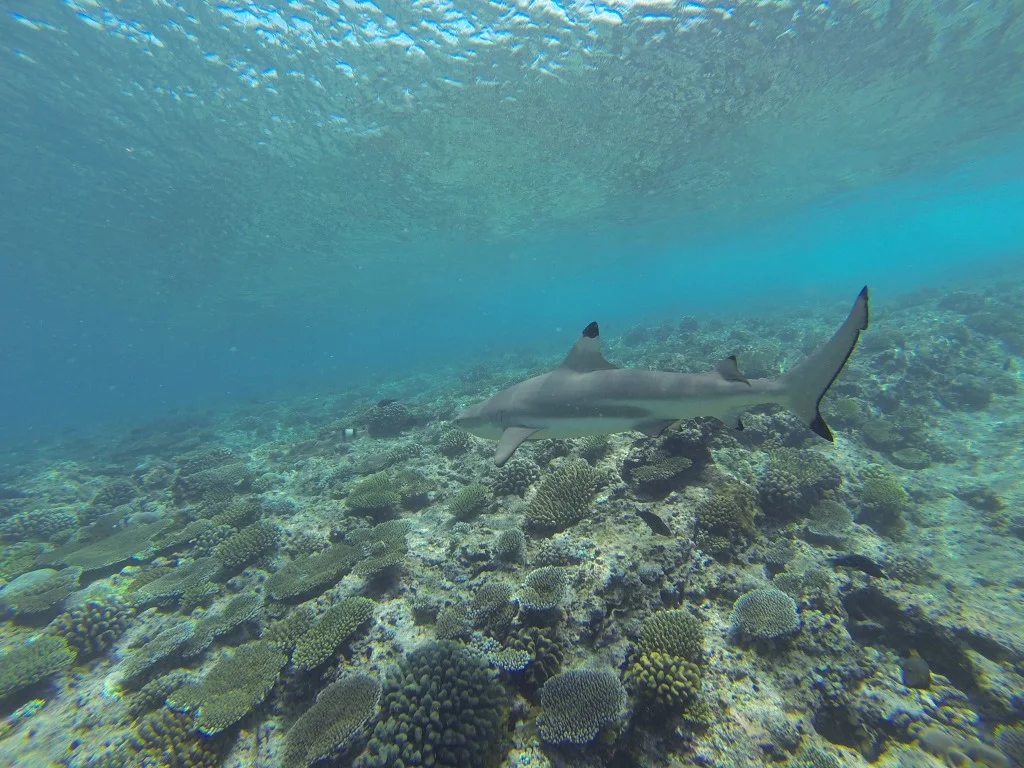
While not guaranteed on every dive, encounters with larger pelagics like sharks, whales, dolphins, and turtles are possible, adding an element of excitement. Whale sightings are seasonal, typically during migration periods.
Keep an eye out for diverse schools of fish congregating around the arches and rock formations. This site supports a healthy population of both resident and transient marine creatures, making each exploration a chance to observe different species interacting with their environment.
Dive Sites Near Los Arcos
View all dive sites in MexicoDiscover more underwater gems in this area.
Dive Centers Near Los Arcos
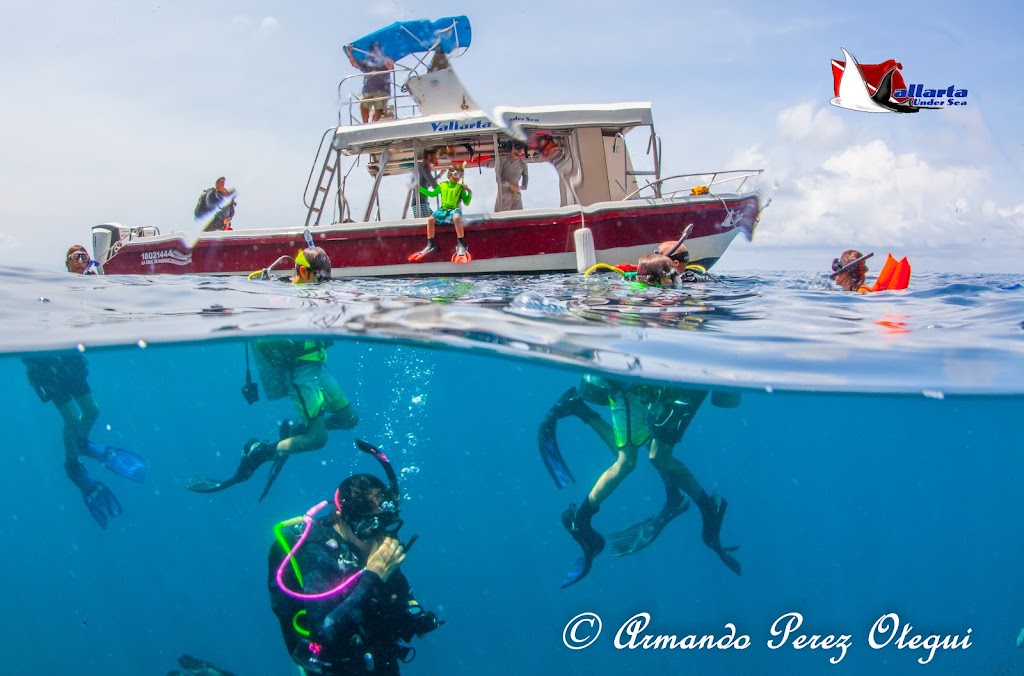
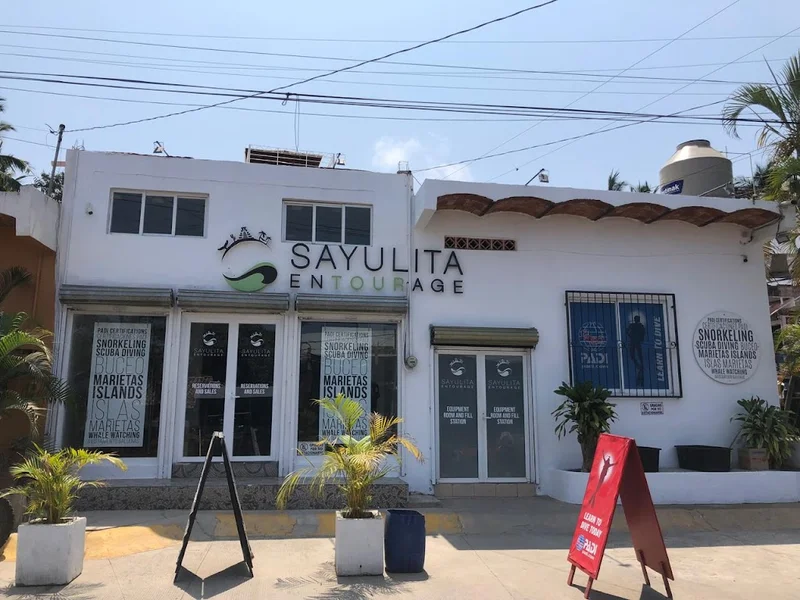
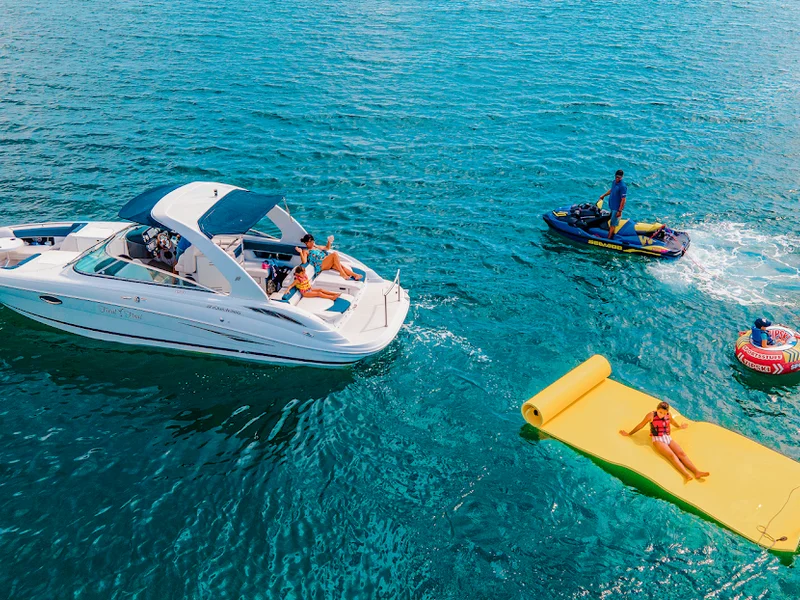
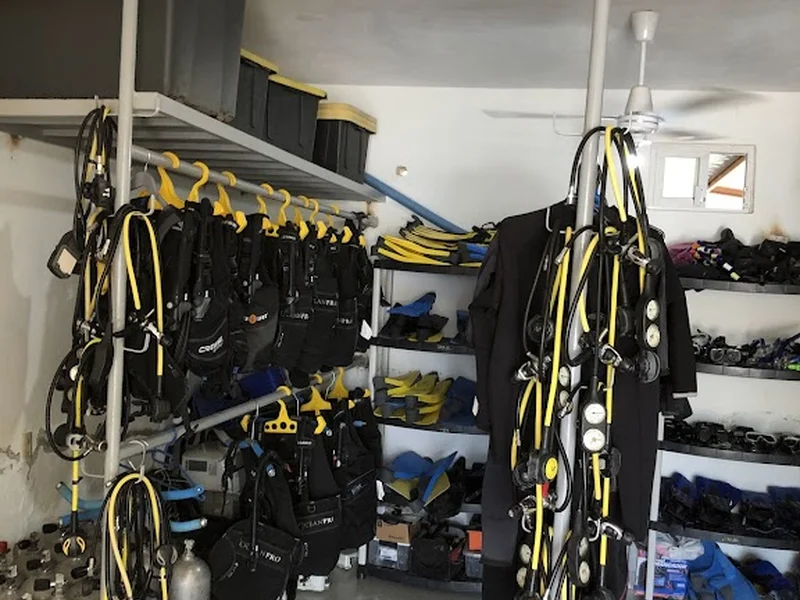
Today: 08:00 - 16:00
Nearest Airports
Nearest airports to help plan travel to this dive area.
Search Flights
Check available flights and routes on Expedia, using the nearby airports listed in this section.
Search Flights on ExpediaFrequently Asked Questions
What makes Los Arcos a protected area?
It's designated a protected area due to its wide variety of fish and seabirds. This status helps preserve its unique ecosystem and geological formations, including the arches, caves, and tunnels.
What are the typical depths encountered at Los Arcos?
Depths vary significantly, with shallower areas ideal for recreational diving and much deeper sections that appeal to advanced certification levels. This range makes the site accessible for various experience levels and certification types.
What is the average visibility like at the site?
Average visibility typically allows for clear views of the varied topography. However, like any marine environment, conditions can fluctuate based on recent weather, currents, and seasonal factors.
What types of marine life can divers expect to see?
Divers can encounter a wide variety of fish inhabiting the reef and wall structures. Additionally, common sightings include larger animals like sharks, dolphins, whales (seasonally), and turtles.
Is specialized training required for diving Los Arcos?
While shallower parts are suitable for certified divers, exploring the deeper sections and particularly the caves and tunnels requires advanced certifications, such as deep diving and cavern or cave diving specialties, for safety.
What is the best way to access Los Arcos?
Access to Los Arcos is exclusively by boat. Local dive operators typically arrange boat trips from nearby Puerto Vallarta, ensuring convenient and safe transport to the dive site.
Planning to dive Los Arcos?
Send one inquiry and receive offers directly from the best verified local dive operators.
Conditions are Good
07:00 - 14:00
Optimal conditions expected
Current conditions near Los Arcos show 28° air, 32° sea temperature, 0.5 m waves, and 17 km/h wind. Forecast data is refreshed regularly to ensure accuracy.