
Diving at Razorreef (Thailand)
To truly appreciate Razorreef, divers should embrace a slower pace, actively seeking out its sheltered reef areas. Observing the unique behavior of razorfish, often found head-down in small, synchronized groups, rewards patience. Adopting this approach helps you discover the subtle textures and smaller inhabitants typically overlooked during faster-paced dives, allowing for a deeper connection with the site's unique ecosystem.
Evening condition tracking at Razorreef features an air temperature of 27.5°C. We have recorded wave heights measuring 0.9 m during this period. These figures outline the environmental parameters currently present.
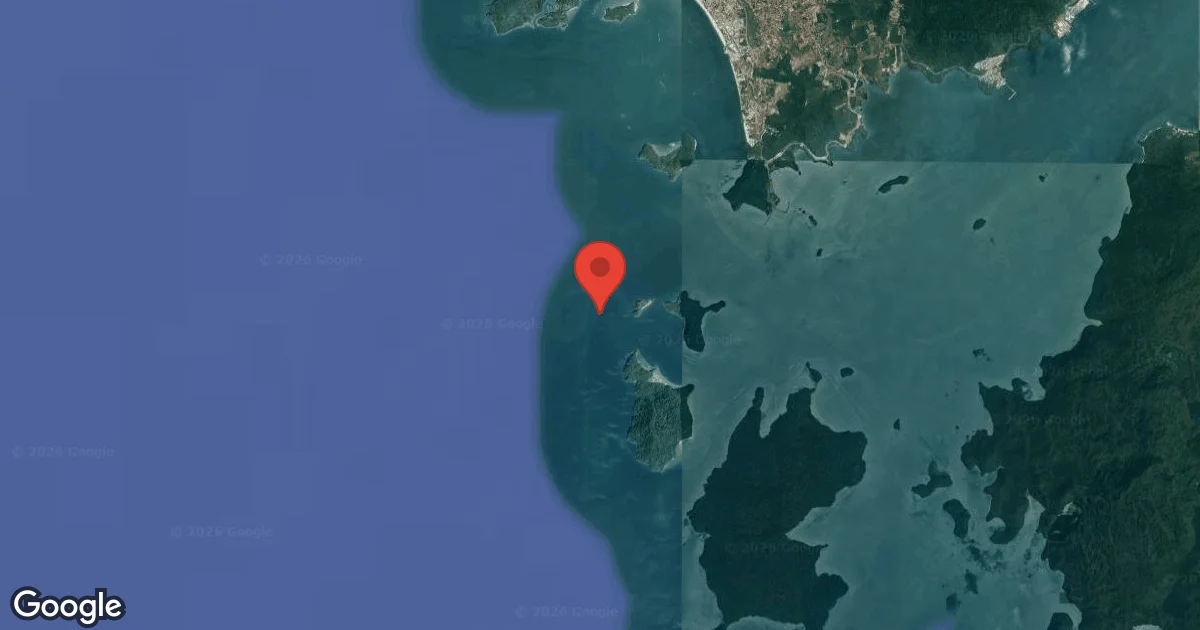
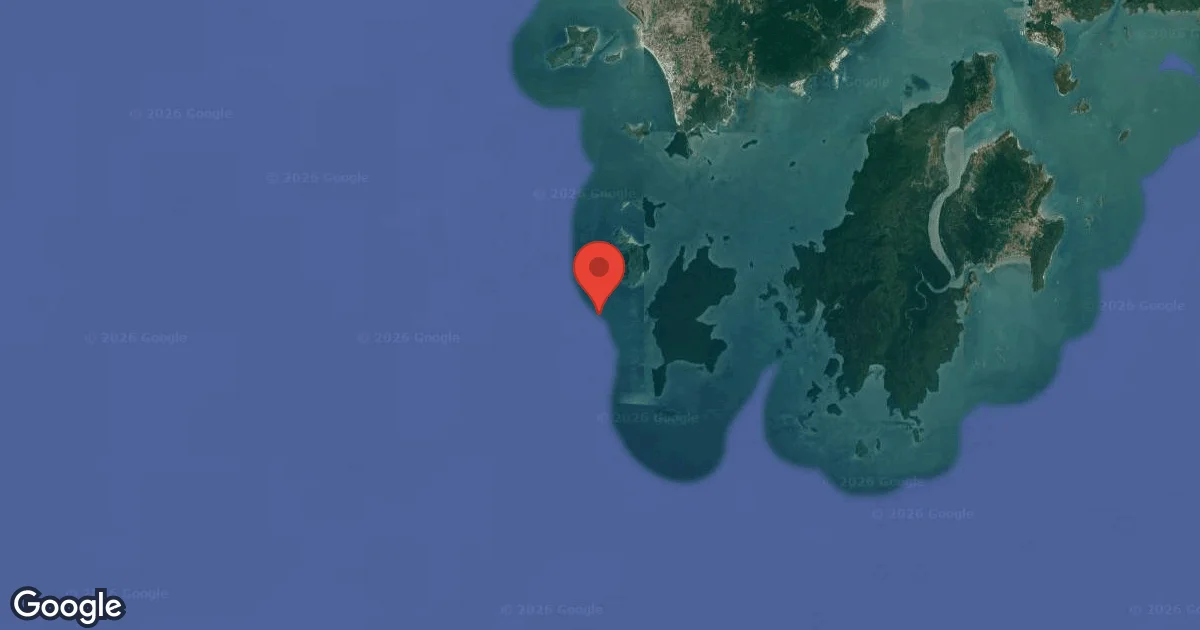
Dive Site Location & Key Facts
Dive Site Overview
Razorreef, a vibrant reef environment, promises an engaging experience for divers who appreciate close observation. While often associated with the unusual razorfish, the site itself offers a dynamic reef structure that invites exploration beyond a single species.
Imagine descending into warm, clear tropical waters, often around 27-28°C (81-82°F), where light plays across coral formations and sandy patches. Instead of chasing large pelagics, expect to focus on the intricate details of a thriving ecosystem here. Ample opportunities exist for skill refinement, especially for those working on buoyancy control to navigate its sheltered sections and coral branches where smaller life congregates.
With average air temperatures staying consistently warm, typically above 27°C (81°F) throughout the year, surface intervals are comfortable and relaxed. While exact depth varies across the reef, divers can explore areas generally ranging from shallow sections suitable for razorfish, perhaps 5 m (15 ft) down to around 25 m (80 ft) on deeper reef slopes.
Visibility here varies depending on local currents and plankton blooms, but typically allows for enjoyable viewing distances. A moderate environment shapes the site's character, with wave heights often less than 1 meter, creating generally calm dive conditions.
Conditions are Good
Optimal conditions expected
Current conditions near Razorreef show 28° air, 31° sea temperature, 1.0 m waves, and 20 km/h wind. Forecast data is refreshed regularly to ensure accuracy.
Best Time to Dive
While Razorreef offers good diving for much of the year, distinct seasonal patterns influence the experience. Conditions during March stand out as excellent, with average air temperatures reaching a pleasant 28.5°C (83°F) and minimal rainfall, averaging just 2.4 mm. Calmer seas usually characterize this period, with average wave heights around 0.4 m (1.3 ft) and lighter winds at 23.2 km/h (14.4 mph), making for comfortable boat rides and surface conditions. Contrast this with the monsoon season, particularly from August to October, when rainfall increases significantly, peaking around 12.3 mm in August. During these months, average wave heights can rise to about 0.9 m (3.0 ft) and winds can be slightly stronger, around 22 km/h (13.7 mph), potentially leading to choppier conditions and reduced visibility. However, even during these periods, dive scores remain "Good", suggesting dive opportunities are still present. For consistently smooth conditions and excellent visibility, targeting the drier, calmer months like March, or the broader period from January to April, is generally advised.
PEAK SEASON SCORE
Scores combine air & water temps, waves, wind & rainfall for overall conditions.
BEST MONTHS TO DIVE
Monthly records compiled from satellite and marine observation nodes over the last 3 years. Data provided by Open-Meteo and MET Norway.
Dive Experience & Conditions
Descending into Razorreef provides an immediate sense of entering a structured, vibrant ecosystem. Water typically feels warm, aligning with surface air temperatures consistently in the high 20s Celsius (around 27-28°C / 81-82°F). Visibility, while not always "gin clear", generally allows for expansive views of the reefscape, only occasionally experiencing reduction due to plankton or localized currents. Currents at this site are typically mild, allowing for relaxed drifts over reef sections or stationary observation in sheltered areas. Divers will navigate a landscape primarily composed of reef structures, interspersed with sand patches and sheltered crevices. Moving deliberately helps spot the smaller, shyer inhabitants. Absence of strong surge, most days experiencing wave heights under 0.8 meters (2.6 feet), contributes to a comfortable and focused dive. It's a site that encourages immersion in the immediate surroundings, revealing its details to those who take their time.
Dive Difficulty & Safety Guidelines
While Razorreef generally presents as a straightforward reef dive, mastering excellent buoyancy control is key for responsible interaction. A primary challenge lies in maintaining precise trim to avoid accidental contact with delicate coral structures, particularly in sheltered sections where razorfish and other small marine life often seek refuge. Such a careful approach protects the ecosystem and enhances your observational opportunities.
Staying alert to your surroundings, including your dive buddy, is always paramount. While the site doesn't report specific hazards, exercising standard safe diving practices remains crucial.
Always monitor air consumption and no-decompression limits, especially when engrossed in spotting macro life. Gentle currents here rarely pose a challenge, but knowing your dive plan and respecting depth limits, such as a maximum recreational depth of 25-30 m (80-100 ft), ensures a safe return to the surface.
Recommended Equipment
- Dive Computer
This gear list is based on verified equipment signals for Razorreef, Thailand. Always confirm final gear choices with your dive operator, guide, or liveaboard.
Recommended Dive Suit
For many recreational divers, dive skin or rash guard provides a practical level of insulation in these conditions. Divers who tend to get cold easily may prefer slightly thicker exposure protection.
At the moment, divers exploring Razorreef will likely experience water temperatures near 31°C (87°F). Surface air temperatures are resting at 28°C (82°F).
Current forecasts indicate relatively stable conditions for the coming days.
Emergency & Medical Support
Essential information to help you plan your dive trip to Razorreef.

Hyperbaric chambers are a critical part of dive safety infrastructure. Availability varies significantly by region, and not all dive areas have immediate access.
Before diving, it's recommended to:
- confirm nearest medical facilities
- check emergency procedures with local dive operators
- ensure dive insurance covers evacuation if required
Divers Alert Network
Diving emergency assistance available through DAN World.
+1-919-684-9111- 24/7 emergency hotline
- Diving medical assistance
- Evacuation coordination
Emergency contacts are provided for reference. Always verify local emergency services before diving.
Marine Life at Razorreef
What you first notice at Razorreef are the unusual razorfish, often observed in small, synchronized groups swimming head-down. These small, silvery fishes, typically around 10 cm but sometimes up to 15 cm, possess a distinctive dark brown stripe running from snout to tail.
Their razor-thin bodies and long snouts make them instantly recognizable as they forage for tiny crustaceans in the zooplankton. Look closely within sheltered reef areas and among coral branches or sea urchin spines; this is where they frequently shelter.
Beyond the razorfish, the reef environment supports a variety of smaller ray-finned fishes and other invertebrates, though specific sightings can vary. Taking your time here reveals a diverse array of reef-associated creatures, rewarding patience and keen observation.
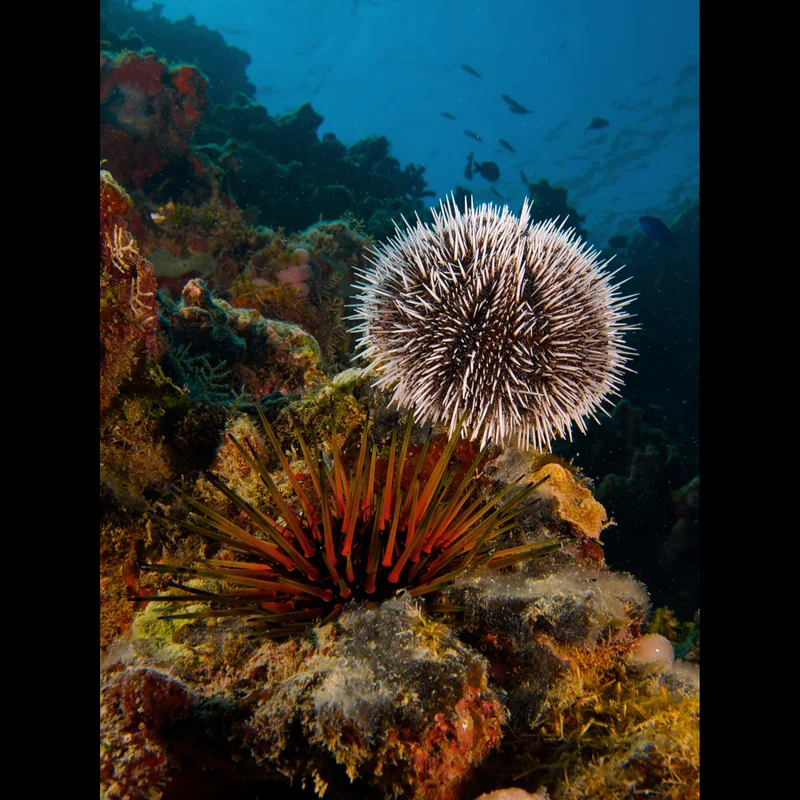
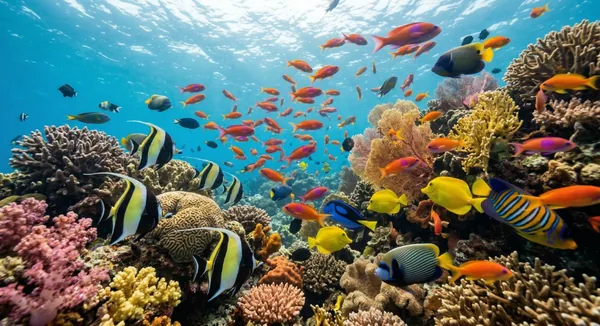
Dive Sites Near Razorreef
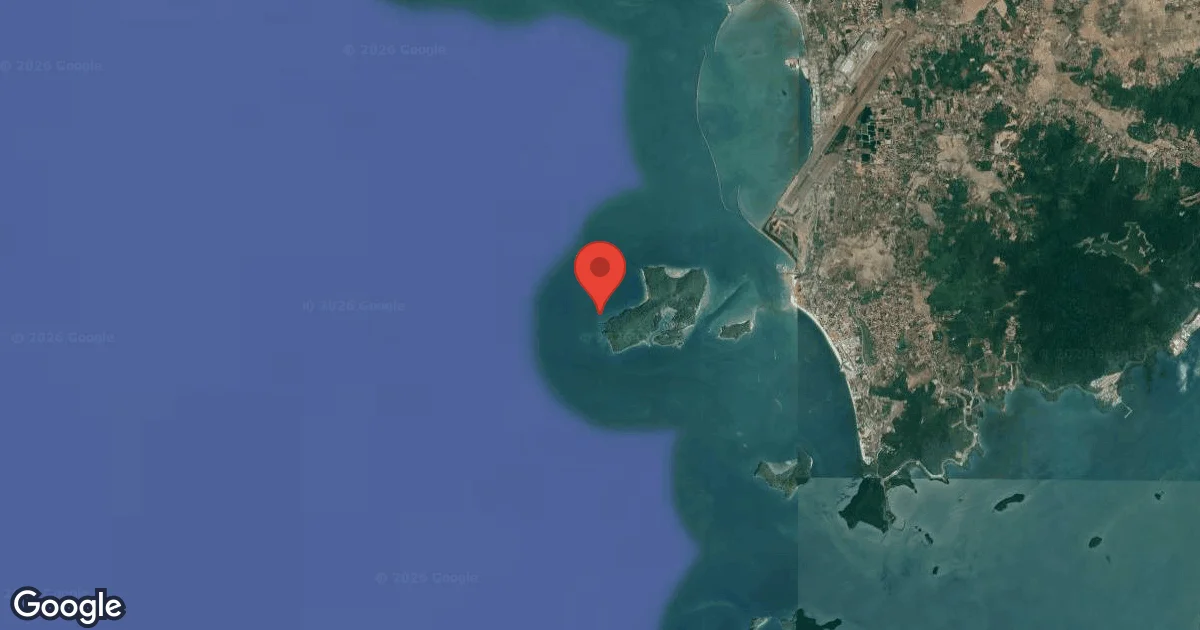
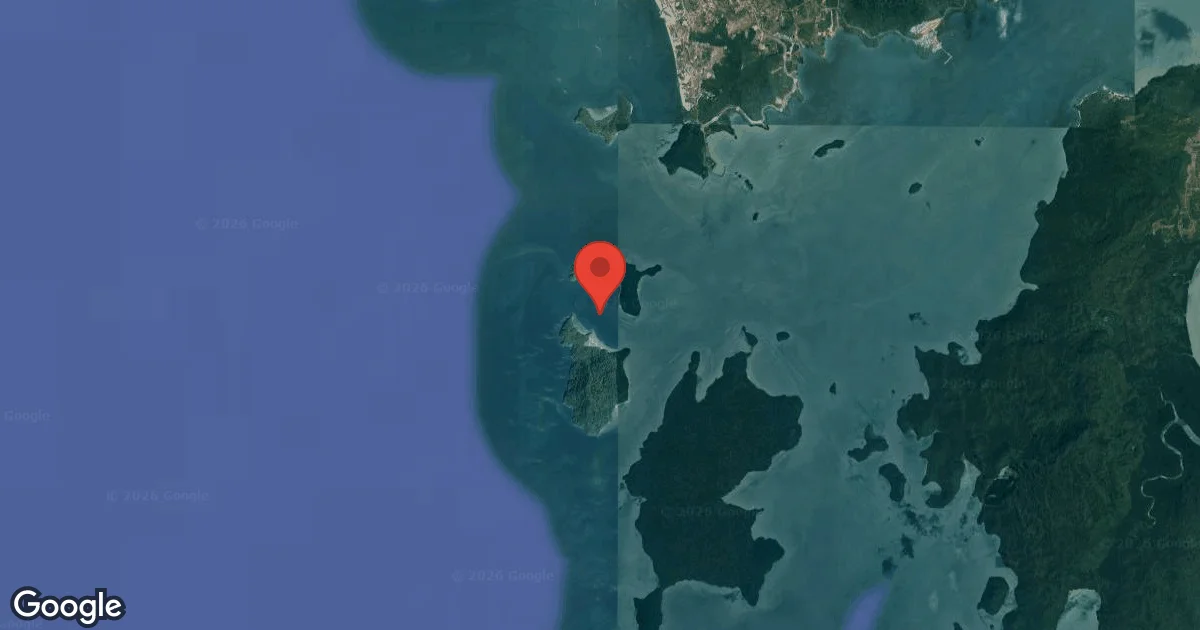
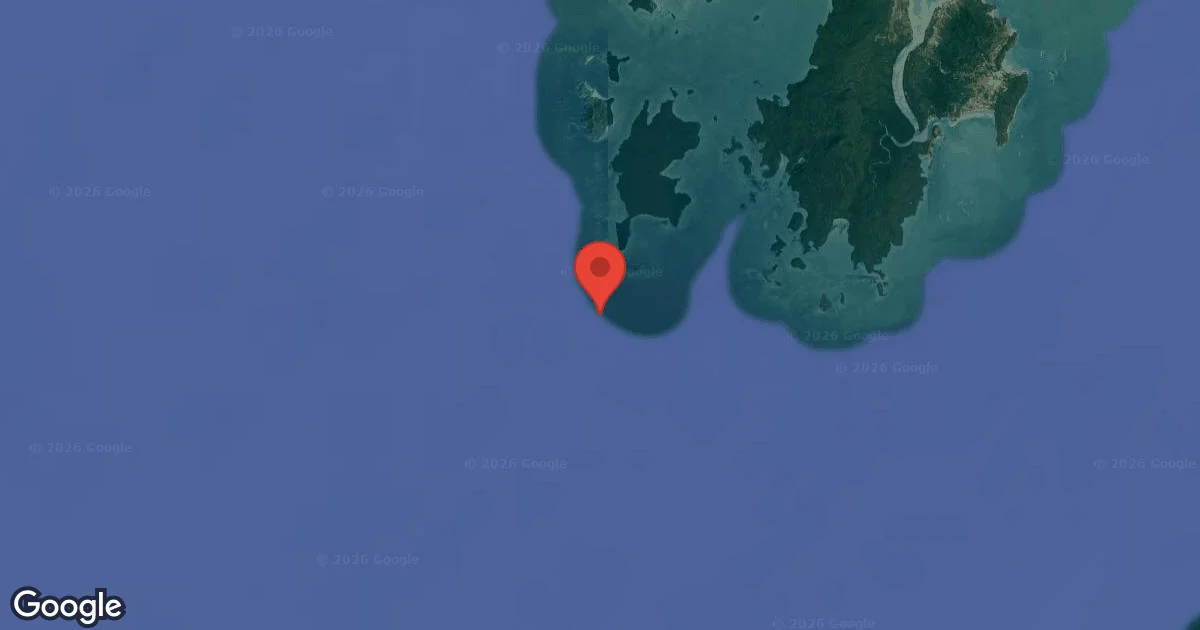
View all dive sites in ThailandDiscover more underwater gems in this area.
Dive Centers Near Razorreef

Nearest Airports
Nearest airports to help plan travel to this dive area.
Search Flights
Check available flights and routes on Expedia, using the nearby airports listed in this section.
Search Flights on ExpediaFrequently Asked Questions
What distinguishes Razorreef from other dive sites in Thailand?
Razorreef is particularly noted for the presence and unique behavior of razorfish. Divers often observe these distinct, thin-bodied fish swimming head-down in synchronized groups, a sight less common at other sites. Focus here shifts to macro observation and intricate reef life.
What is the typical depth range for a dive at Razorreef?
Divers can generally explore depths from approximately 5 m (15 ft) down to about 25 m (80 ft) on the reef slopes. Some sections may reach up to 30 m (100 ft), providing varying environments for different skill levels.
What are the water conditions like throughout the year?
Water temperatures remain consistently warm, typically around 27-28°C (81-82°F) year-round. While visibility can vary due to local conditions or plankton, it generally remains good for enjoyable diving.
Is Razorreef suitable for less experienced divers?
Yes, the site is generally suitable, especially if divers practice good buoyancy control. Usually mild currents and a structured reef environment make it a comfortable place to refine skills and observe marine life.
When is the best time to plan a trip to Razorreef for optimal conditions?
From January to April, especially March, conditions are most favorable. During these months, you can expect excellent dive scores, minimal rainfall, and calmer seas with lighter winds, enhancing the overall dive experience.
What special equipment might be helpful for diving Razorreef?
A dive computer is essential for safety, and a 3mm wetsuit or rash guard is sufficient for thermal protection in the warm waters. Consider bringing a macro lens for photography, as the site encourages close-up observation of smaller creatures.
Planning to dive Razorreef?
Send one inquiry and receive offers directly from the best verified local dive operators.
Conditions are Good
Optimal conditions expected
Current conditions near Razorreef show 28° air, 31° sea temperature, 1.0 m waves, and 20 km/h wind. Forecast data is refreshed regularly to ensure accuracy.