
Diving at Bathtub Spring (United States)
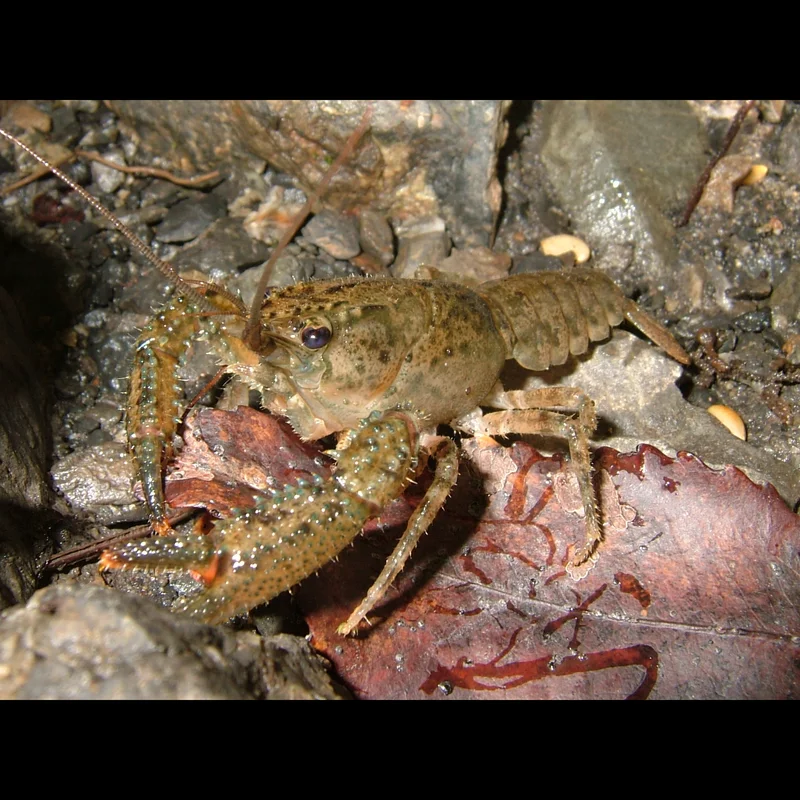
While not a hub for large pelagics, Bathtub Spring's clear, blue water provides an intimate setting to observe the subtle aquatic life thriving within its flow. Divers can often spot small freshwater fish, crayfish, or insect larvae among the algae-covered limestone, offering close-up encounters with the spring's delicate ecosystem. This serene environment encourages a focused appreciation of micro-level observations. Expect a quiet immersion into a natural freshwater habitat.
At Bathtub Spring, the ambient air temperature is currently recorded at 26.5°C. This dive site in United States is operating under normal seasonal weather patterns. Familiarize yourself with the local topography prior to navigating.
Dive Site Location & Key Facts
Dive Site Overview
Accessing Bathtub Spring requires a scenic journey along the Suwannee River, traveling approximately 6.1 miles downstream from the SR 51 bridge near Luraville, Florida. This freshwater spring emerges on the north bank, marked by an oval-shaped pool measuring 3.6 meters (12 ft) east to west and 2.1 meters (7 ft) north to south.
A single vent discharges from exposed limestone, serving as the primary entry point for divers. Clear blue water here creates excellent visibility through the shallower sections. While the immediate pool averages 1.2 meters (4 ft) deep, the system extends further, reaching about 6 meters (20 ft) in its deeper passages.
A spring run, averaging 1.8 meters (6 ft) wide and 0.5 meters (1.6 ft) deep, flows for 3 meters (10 ft) southwest under a land bridge before converging with the Suwannee River. A concrete retaining wall at the river junction indicates past modifications.
Divers recognize this location for its potential for open water, cavern, and limited cave diving, attracting those seeking a tranquil exploration of Florida's unique freshwater springs.
Conditions are Good
Optimal conditions expected
Current conditions near Bathtub Spring show 27° air, --° sea temperature, N/A waves, and 18 km/h wind. Forecast data is refreshed regularly to ensure accuracy.
Best Time to Dive
Diving at Bathtub Spring offers a consistent environment, though surface conditions vary markedly throughout the year. The spring's interior maintains a relatively stable temperature, contrasting sharply with the seasonal air temperature fluctuations from a cooler 10.5°C (51°F) in winter months to a warm 27.5°C (82°F) in summer. Winter and spring, particularly from November to May, present highly favorable surface conditions, aligning with dive scores consistently rated 'Good' (8 out of 10). During these months, rainfall averages lower, creating a more comfortable topside experience. While summer months like July and August still receive 'Good' (7 out of 10) dive scores, these periods see higher average rainfall, around 5.2-6.1 mm (0.2-0.24 inches) monthly. This increased precipitation might marginally affect river visibility, though the spring's outflow tends to maintain its clarity. For divers seeking a tranquil experience with comfortable air temperatures and minimal surface disruption, late autumn through spring generally provides the most appealing conditions.
PEAK SEASON SCORE
Scores combine air & water temps, waves, wind & rainfall for overall conditions.
BEST MONTHS TO DIVE
Monthly records compiled from satellite and marine observation nodes over the last 3 years. Data provided by Open-Meteo and MET Norway.
Dive Experience & Conditions
Entering Bathtub Spring, divers first encounter its shallow, oval-shaped pool, only 1.2 meters (4 ft) deep, where algae often covers the limestone bottom. From this tranquil surface, descent leads directly to a single vent on the north side, serving as the primary point of interest. Clear blue spring water flows steadily, providing excellent initial visibility; however, divers must be mindful of the heavy fine silt prevalent throughout the system. Disturbing this silt can quickly reduce visibility, necessitating precise buoyancy control and careful finning, potentially leading to low or zero visibility conditions on exit. A maximum depth of around 6 meters (20 ft) is reachable within the immediate spring system, making it suitable for open water certifications with proper overhead environment training. A spring run, averaging 1.8 meters (6 ft) wide and 0.5 meters (1.6 ft) deep, carries discharge towards the Suwannee River, offering an additional area to explore.
Dive Difficulty & Safety Guidelines
Navigating Bathtub Spring requires an awareness of its unique challenges, primarily the significant presence of heavy fine silt. Divers must employ excellent buoyancy control and finning techniques to prevent disturbing the bottom, which can rapidly diminish visibility from clear conditions to a low or even zero-visibility exit. Its max depth is 6 meters (20 ft), but as a spring-fed system with an overhead environment for cave and cavern diving, appropriate certification and training are essential for venturing beyond the open water section.
While the spring run itself is shallow, divers should be aware of the steady discharge flow towards the Suwannee River. A concrete retaining wall at the spring run's junction with the river may influence local currents, warranting caution near this interface.
Private ownership encompasses the surrounding area, so respecting property boundaries and access agreements is paramount.
Recommended Equipment
- Dive Computer
This gear list is based on verified equipment signals for Bathtub Spring, United States. Always confirm final gear choices with your dive operator, guide, or liveaboard.
Recommended Dive Suit
With water temperatures around 27°C (80°F), many divers find a a 3mm wetsuit provides comfortable protection.
Local conditions can vary slightly across different parts of the same dive site.
Weather patterns are currently shifting, so expect some variability in conditions. Cooler days are ahead; you might want a warmer option for later in the week. A warmer option can provide additional comfort if conditions shift.
Emergency & Medical Support
Essential information to help you plan your dive trip to Bathtub Spring.

Hyperbaric chambers are a critical part of dive safety infrastructure. Availability varies significantly by region, and not all dive areas have immediate access.
Before diving, it's recommended to:
- confirm nearest medical facilities
- check emergency procedures with local dive operators
- ensure dive insurance covers evacuation if required
Divers Alert Network
Diving emergency assistance available through DAN World.
+1-919-684-9111- 24/7 emergency hotline
- Diving medical assistance
- Evacuation coordination
Emergency contacts are provided for reference. Always verify local emergency services before diving.
Marine Life at Bathtub Spring
Upon entering Bathtub Spring, divers first notice the clear blue water and the pervasive algae covering the limestone bottom, which forms the foundation of its subtle ecosystem. While large marine creatures aren't the draw here, patience allows for observations of smaller freshwater inhabitants.
Divers might spot various small fish species, juvenile turtles, or even crayfish moving amongst the rocks and vegetation. The beauty of this spring lies in its unique geological formations and the clarity it offers for observing the micro-level aquatic life adapted to constant freshwater flow.
This site is more about appreciating the pristine spring environment itself rather than a diverse fauna.
Dive Centers Near Bathtub Spring
No Dive Centers Local To Bathtub Spring
Are you a dive center visiting this location? Get listed to reach divers.
Nearest Airports
Nearest airports to help plan travel to this dive area.
Search Flights
Check available flights and routes on Expedia, using the nearby airports listed in this section.
Search Flights on Expedia
Plan Your Stay
Looking for a place to stay for your dive trip? Explore hotels, stays, and vacation rentals for dive groups near Mayo.
Dive Navigator may earn a commission from these links at no extra cost to you.
Frequently Asked Questions
What is the maximum diving depth at Bathtub Spring?
The immediate spring pool is shallow at 1.2 meters (4 ft), but the diveable system, including the vent, extends to a maximum depth of approximately 6 meters (20 ft).
What are the typical water conditions at Bathtub Spring?
Expect clear blue spring water with a steady flow originating from the vent. Visibility can be excellent, but be prepared for heavy fine silt that can reduce clarity if disturbed.
Is Bathtub Spring suitable for beginner divers?
The shallow pool and spring run are suitable for open water divers. However, any penetration into the overhead environment of the vent or cave system requires appropriate cavern or cave diving certification.
How do I access Bathtub Spring?
Access is primarily by boat. You'll need to travel downstream on the Suwannee River for about 6.1 miles from the SR 51 bridge south of Luraville, Florida.
What kind of marine life can be observed at this site?
Bathtub Spring is home to smaller freshwater species. Divers can typically spot small fish, crayfish, and other aquatic insects, with a focus on the unique spring ecosystem itself rather than large wildlife.
What precautions should divers take regarding visibility?
Due to heavy fine silt, divers should practice excellent buoyancy control and careful finning. Disturbing the silt can quickly lead to low or zero visibility conditions, especially during exit.
Are there any strong currents present at Bathtub Spring?
There is a steady discharge flow from the vent, which creates a noticeable current in the spring run towards the Suwannee River. Divers should be aware of this flow, particularly near the river junction where a concrete wall may influence dynamics.
Planning to dive Bathtub Spring?
Send one inquiry and receive offers directly from the best verified local dive operators.
Conditions are Good
Optimal conditions expected
Current conditions near Bathtub Spring show 27° air, --° sea temperature, N/A waves, and 18 km/h wind. Forecast data is refreshed regularly to ensure accuracy.