
Diving at Beaver Lake - Dive Park (United States)
Divers approaching Beaver Lake's Dive Park should prepare for the unique considerations of inland lake diving. While offering numerous submerged attractions, the environment can present conditions distinct from oceanic sites. Factors like variable visibility, cooler water temperatures at depth, and different thermocline behaviors are important. Planning for these conditions ensures a more enjoyable and safer experience in this freshwater setting.
At Beaver Lake - Dive Park, the ambient air temperature is currently recorded at 26°C. This dive site in United States is operating under normal seasonal weather patterns. Familiarize yourself with the local topography prior to navigating.
Dive Site Location & Key Facts
Dive Site Overview
Beaver Lake's Dive Park offers a distinctive underwater experience, rooted in the lake's unique formation. A damming project created the lake, submerging parts of the past landscape and filling its depths with a variety of items.
Divers can explore old cars, various boat types, and modern-day statues, all strategically placed for interaction. Delving into the site's history, one finds 'The Old Foundation,' remnants of an 1800s resort; its stone remains and scattered artifacts are a key attraction, though often partially obscured by silt or algal growth.
A popular training ground, Dive Park consistently draws divers from Arkansas, Oklahoma, Missouri, and Kansas to refine open water skills and practice advanced techniques. Organized underwater navigation lines and signs guide divers efficiently to specific points of interest across the site, simplifying exploration tasks.
Such a structured approach fosters an accessible location for both skill-building and casual discovery, set within the scenic Ozark Mountains. Accessibility and clear site mapping make it an ideal setting for beginners and experienced divers aiming to hone navigation or buoyancy.
Conditions are Excellent
07:00 - 14:00
Optimal conditions expected
Current conditions near Beaver Lake - Dive Park show 26° air, --° sea temperature, N/A waves, and 18 km/h wind. Forecast data is refreshed regularly to ensure accuracy.
Best Time to Dive
For a comfortable diving experience, planning your visit to Beaver Lake from late spring through early autumn is generally advisable. Air temperatures during these months range from a pleasant 19.5°C (67°F) in May to a high of 26°C (79°F) in July, making surface intervals more enjoyable. Rainfall is moderate, averaging 2.13 mm (0.08 inches) in July and 1.50 mm (0.06 inches) in September, indicating generally stable weather. While year-round diving is possible, colder air temperatures during winter, dropping to an average of 0°C (32°F) in January, necessitate suitable drysuit protection and careful thermal management. Water temperatures vary significantly with depth and season, so specific local reports should always be checked.
PEAK SEASON SCORE
Scores combine air & water temps, waves, wind & rainfall for overall conditions.
BEST MONTHS TO DIVE
Monthly records compiled from satellite and marine observation nodes over the last 3 years. Data provided by Open-Meteo and MET Norway.
Dive Experience & Conditions
Currents are generally minimal at Beaver Lake, allowing for relaxed exploration of the various submerged items. Visibility is often reported as clear, contributing to pleasant conditions, though it can fluctuate depending on recent weather and boat traffic. While the lake's overall depth can reach 90 m (300 ft) in certain areas, diving at the Dive Park typically occurs within recreational depth ranges. Expect thermoclines, distinct temperature layers common in deep lakes, indicating that water temperatures can drop noticeably as you descend. Underwater navigation benefits from a comprehensive system of lines and signs, leading directly to specific attractions such as sunken boats and statues. This organized layout supports divers in exploring efficiently and confidently, reducing navigational stress.
Dive Difficulty & Safety Guidelines
Diving in freshwater lakes requires specific safety considerations. Due to potentially varied water temperatures and thermoclines, divers should always monitor their thermal comfort and plan for appropriate exposure protection. It's crucial to consult with a dive professional familiar with Beaver Lake's current conditions before diving, especially concerning localized visibility and any temporary site changes.
While underwater navigation is enhanced by established lines, independent navigation skills remain essential. As with any dive site, divers must adhere to standard safe diving practices, including dive computer usage, buddy system protocols, and conservative ascent rates. Always check local regulations and park hours before entering the water.
Recommended Equipment
- Dive Computer
This gear list is based on verified equipment signals for Beaver Lake - Dive Park, United States. Always confirm final gear choices with your dive operator, guide, or liveaboard.
Recommended Dive Suit
With water temperatures around 26°C (78°F), many divers find a a 3mm wetsuit provides comfortable protection.
Divers performing multiple dives may appreciate slightly warmer protection later in the day.
Weather patterns are currently shifting, so expect some variability in conditions. Cooler days are ahead; you might want a warmer option for later in the week. A warmer option can provide additional comfort if conditions shift.
Emergency & Medical Support
Essential information to help you plan your dive trip to Beaver Lake - Dive Park.

Hyperbaric chambers are a critical part of dive safety infrastructure. Availability varies significantly by region, and not all dive areas have immediate access.
Before diving, it's recommended to:
- confirm nearest medical facilities
- check emergency procedures with local dive operators
- ensure dive insurance covers evacuation if required
Divers Alert Network
Diving emergency assistance available through DAN World.
+1-919-684-9111- 24/7 emergency hotline
- Diving medical assistance
- Evacuation coordination
Emergency contacts are provided for reference. Always verify local emergency services before diving.
Marine Life at Beaver Lake - Dive Park
Beaver Lake's Dive Park emphasizes a unique collection of human-made attractions rather than extensive coral formations. Divers will encounter various sunken items, from old foundations to cars and boats, which act as points of interest.
While specific species aren't consistently reported, site descriptions note 'lots of fish to see.' These structures often serve as habitats for local freshwater fish, providing opportunities for observation against the backdrop of the submerged Ozark terrain. Clear water conditions sometimes allow for excellent views of these structures and their resident aquatic life.
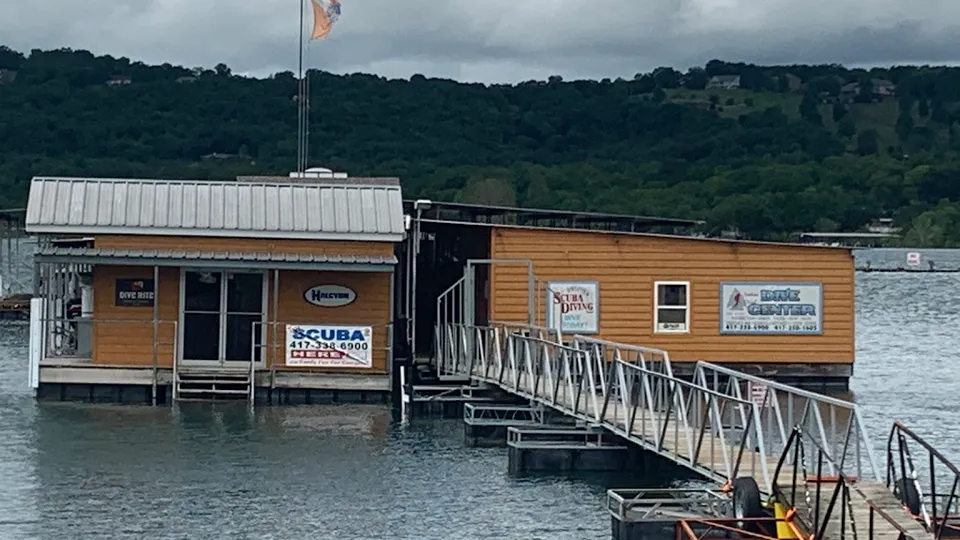
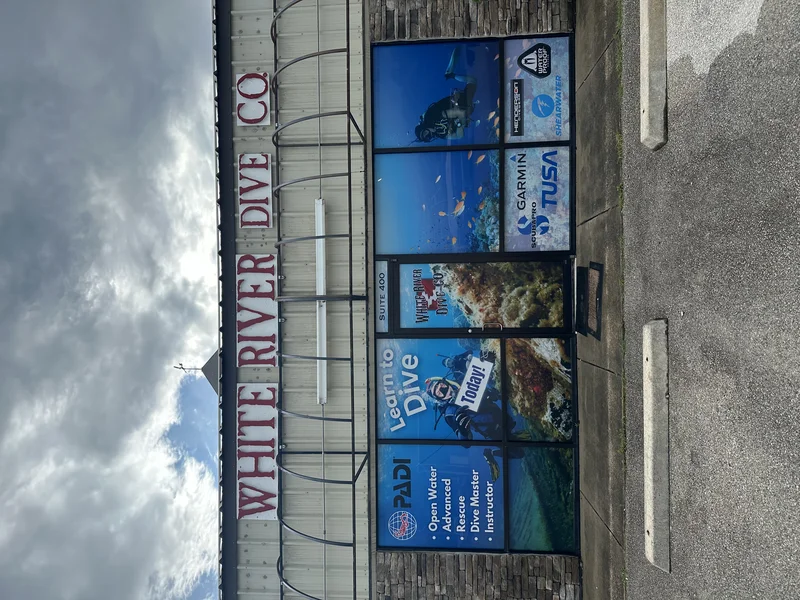
Dive Centers Near Beaver Lake - Dive Park
Nearest Airports
Nearest airports to help plan travel to this dive area.
Search Flights
Check available flights and routes on Expedia, using the nearby airports listed in this section.
Search Flights on Expedia
Plan Your Stay
Looking for a place to stay for your dive trip? Explore hotels, stays, and vacation rentals for dive groups near Garfield.
Dive Navigator may earn a commission from these links at no extra cost to you.
Frequently Asked Questions
What is the typical depth range for recreational diving at Beaver Lake Dive Park?
While Beaver Lake is very deep in some areas, Dive Park focuses on recreational depths. Divers can explore numerous sunken items within standard recreational limits, suitable for various certification levels.
Is Beaver Lake suitable for diver training and certification?
Yes, Beaver Lake is a popular location for diver training. Many groups use the Dive Park to practice skills and complete open water certifications, benefiting from its structured layout and submerged features.
What kind of underwater attractions can be found at the Dive Park?
Dive Park features a variety of sunken items, including boats, old cars, and even statues. One notable historical site is 'The Old Foundation,' remnants of a 19th-century resort.
How is navigation handled at the Dive Park?
Underwater navigation is simplified by a system of lines and signs guiding divers to various points of interest. An organized setup helps divers explore the site's attractions more easily.
Can I get air tank refills at Beaver Lake?
Yes, Lost Bridge Marina, which is located nearby, offers scuba air tank refills for diver convenience.
Are there equipment rental options directly at Lost Bridge Marina?
Lost Bridge Marina currently does not rent scuba diving equipment. Divers should plan to bring their own gear or arrange rentals from local dive shops in the surrounding area like Northwest Arkansas.
What is the visibility like at Beaver Lake?
Water in Beaver Lake is often described as clear. However, visibility can vary based on factors such as recent rainfall, sediment, and boat activity.
Planning to dive Beaver Lake - Dive Park?
Send one inquiry and receive offers directly from the best verified local dive operators.
Conditions are Excellent
07:00 - 14:00
Optimal conditions expected
Current conditions near Beaver Lake - Dive Park show 26° air, --° sea temperature, N/A waves, and 18 km/h wind. Forecast data is refreshed regularly to ensure accuracy.