
Diving at Bryson Additions (United States)
Bryson Additions presents a lesser-documented dive experience within the diverse landscape of US inland diving. While specific details for this site are not widely reported, it represents the kind of localized opportunity that divers often seek out, away from more heavily trafficked destinations. Its character aligns with the regional focus on accessible recreational diving, often found in quarry or spring environments. Divers seeking local exploration might find interest here.
Tonight's objective overview for Bryson Additions shows an air temperature of 27.5°C. The measured surface conditions include wave heights around 0.8 m. This environmental data is logged for the close of the day.
Dive Site Location & Key Facts
Dive Site Overview
For Bryson Additions, specific historical diving records or developmental timelines are not consistently reported in available datasets. Many inland dive sites across the South Central United States, especially those not requiring extensive boat access, often evolve from natural features or repurposed industrial sites.
Without detailed historical context, it's approached as a site whose local lore and community involvement likely shape its current accessibility and appeal. Understanding the dive here means considering the patterns of similar recreational destinations, which frequently involve freshwater springs or quarries. Sites like Morrison Springs and Vortex Springs, mentioned in regional discussions, exemplify accessible diving experiences often found in the US.
These spots usually offer straightforward entry and allow for self-directed exploration. Divers often find these locations serve as training grounds or accessible local getaways, characterized by varying visibility and diverse aquatic life adapted to freshwater conditions.
The focus shifts from historical narrative to a practical understanding of typical inland dive operations and what divers can expect from such a location.
Conditions are Excellent
07:00 - 14:00
Optimal conditions expected
Current conditions near Bryson Additions show 28° air, 30° sea temperature, 0.3 m waves, and 20 km/h wind. Forecast data is refreshed regularly to ensure accuracy.
Best Time to Dive
Optimizing your dive experience at Bryson Additions primarily hinges on air temperature and rainfall patterns, as specific water temperature data isn't consistently available. The period from February through November generally offers 'Good' dive conditions, providing a comfortable topside environment. Air temperatures during these months typically range from 15°C (59°F) in February, peaking around 29°C (84°F) in August, before gradually cooling to 20.5°C (69°F) by November. For divers who prefer warmer conditions, the summer months from June to September present the highest air temperatures, hovering around 27-29°C (81-84°F). Rainfall remains relatively low throughout the year, with slightly higher averages in August (7.0 mm) and September (8.3 mm). This generally dry climate contributes to clearer conditions, assuming inland water sources aren't heavily impacted by runoff. Planning your trip during these milder, drier periods can significantly enhance the overall comfort and enjoyment of the dive, ensuring more pleasant surface intervals and entries.
PEAK SEASON SCORE
Scores combine air & water temps, waves, wind & rainfall for overall conditions.
BEST MONTHS TO DIVE
Monthly records compiled from satellite and marine observation nodes over the last 3 years. Data provided by Open-Meteo and MET Norway.
Dive Experience & Conditions
Regarding the depth profile and underwater conditions at Bryson Additions, specific information is not consistently reported. Inland dive sites, such as quarries or springs, can vary considerably in their maximum depth and underwater topography. Without precise data for Bryson Additions, divers should anticipate a recreational depth range, typically extending up to 18-30 m (60-100 ft) for certified divers, although shallower sections are common for training or casual exploration. Water clarity in these environments varies significantly, influenced by recent rainfall, diver activity, and the nature of the bottom sediment. Currents are generally minimal in enclosed or spring-fed locations, but local hydrology can introduce mild flows. Temperatures often fluctuate seasonally, even without specific readings; freshwater can be quite cool in deeper sections, even when surface temperatures are warm. Entry and exit points usually involve gradual slopes or steps, common at many freshwater sites. Divers should be prepared for potential thermoclines, which can dramatically change water temperature with depth.
Dive Difficulty & Safety Guidelines
Approaching Bryson Additions requires a practical understanding of general inland diving safety, suitable for various diver skill levels. Since precise site-specific hazards aren't consistently detailed, divers should prioritize standard safety protocols applicable to freshwater environments. Buoyancy control is paramount to protect delicate ecosystems and prevent disturbing bottom sediments, which can significantly reduce visibility.
Divers should always plan their dive within their certification limits, especially concerning maximum depth and no-decompression limits. For any site featuring overhead environments, like the 'cavern' context mentioned for Devil's Den, strict adherence to cavern or cave diving protocols is essential; never penetrate beyond the visible light zone without appropriate training and equipment.
It's advisable to dive with a local guide or someone familiar with the specific entry and exit procedures, especially during a first visit. Maintaining situational awareness and diving with a reliable buddy ensures a safer and more enjoyable experience.
Recommended Equipment
- Dive Computer
This gear list is based on verified equipment signals for Bryson Additions, United States. Always confirm final gear choices with your dive operator, guide, or liveaboard.
Recommended Dive Suit
Water temperatures at Bryson Additions are currently estimated to be around 30°C (86°F), shaping the overall diving conditions for today. Surface air temperatures are resting at 28°C (82°F).
Dive skin or rash guard is generally considered suitable for water temperatures like this. Consider warmer surface protection (like a boat coat) due to brisk winds.
Forecast trends indicate similar diving conditions over the next few days.
Emergency & Medical Support
Essential information to help you plan your dive trip to Bryson Additions.

Hyperbaric chambers are a critical part of dive safety infrastructure. Availability varies significantly by region, and not all dive areas have immediate access.
Before diving, it's recommended to:
- confirm nearest medical facilities
- check emergency procedures with local dive operators
- ensure dive insurance covers evacuation if required
Divers Alert Network
Diving emergency assistance available through DAN World.
+1-919-684-9111- 24/7 emergency hotline
- Diving medical assistance
- Evacuation coordination
Emergency contacts are provided for reference. Always verify local emergency services before diving.
Marine Life at Bryson Additions
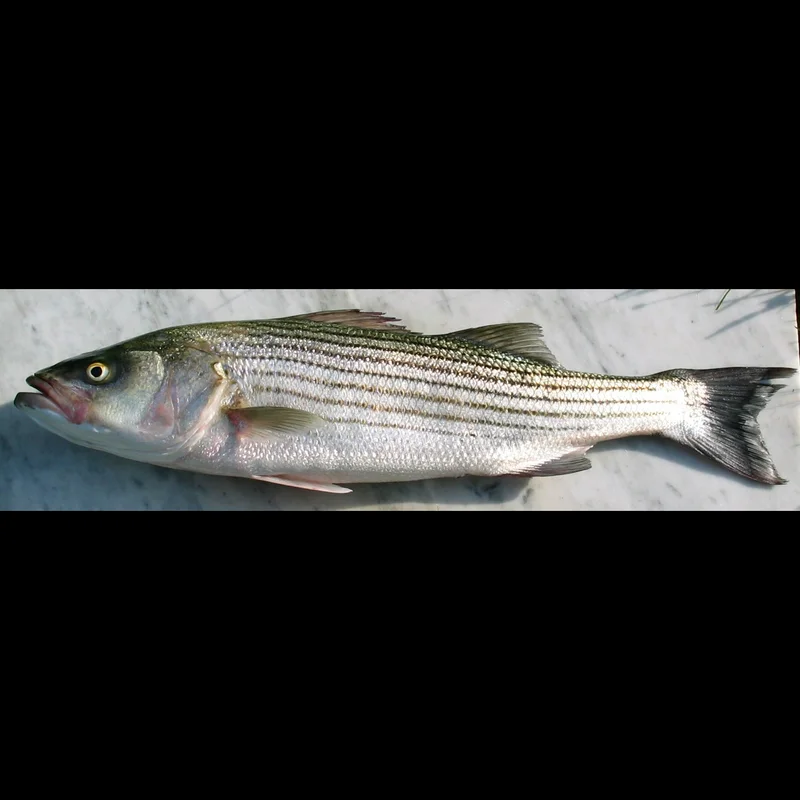
Upon entering the water at Bryson Additions, divers should prepare for the unique aquatic life adapted to freshwater environments, as specific marine life reports for this site are not widely documented. Initial observations often reveal common freshwater fish species, which can range from various sunfish and bass to catfish, inhabiting the shallower and vegetated areas.
Patience may reward divers with sightings of freshwater turtles navigating the bottom or small invertebrates clinging to submerged structures. Without specific data, the density and variety of life will depend heavily on the site's particular ecosystem health and hydrology.
The subtle movements of these freshwater inhabitants, often camouflaged against the substrate, require a keen eye and slow pace to fully appreciate.

Dive Centers Near Bryson Additions
No Dive Centers Local To Bryson Additions
Are you a dive center visiting this location? Get listed to reach divers.
Nearest Airports
Nearest airports to help plan travel to this dive area.
Search Flights
Check available flights and routes on Expedia, using the nearby airports listed in this section.
Search Flights on ExpediaFrequently Asked Questions
Is Bryson Additions suitable for new divers?
While specific data for Bryson Additions is limited, many inland US dive sites are considered beginner-friendly, especially for training purposes or recreational dives within shallow limits. It's crucial for new divers to confirm local conditions with a dive operator and consider diving with a guide.
Are there currents at Bryson Additions?
Freshwater inland sites typically have minimal currents, particularly in quarries or enclosed springs. However, local hydrology can introduce mild flows, so divers should be prepared to assess conditions on site.
What is the water temperature like?
Specific water temperature data for Bryson Additions is not consistently reported. Inland freshwater temperatures can vary significantly by season and depth, with potential thermoclines, even if air temperatures are warm.
Is shore diving possible here?
Many accessible inland dive sites in the US allow for shore entry. Without specific details for Bryson Additions, it's advisable to inquire locally about the practicality and ease of shore-based diving access.
What kind of underwater visibility can I expect?
Visibility at freshwater sites like Bryson Additions varies considerably depending on factors such as recent rainfall, bottom composition, and diver activity. It's not uncommon to experience anything from excellent clarity to more moderate conditions.
Are there any overhead environments to be aware of?
If Bryson Additions features any overhead environments, such as caverns or swim-throughs, divers must adhere strictly to appropriate training and safety protocols. Never enter confined spaces without proper certification and equipment.
Planning to dive Bryson Additions?
Send one inquiry and receive offers directly from the best verified local dive operators.
Conditions are Excellent
07:00 - 14:00
Optimal conditions expected
Current conditions near Bryson Additions show 28° air, 30° sea temperature, 0.3 m waves, and 20 km/h wind. Forecast data is refreshed regularly to ensure accuracy.