
Diving at Captain Bart (United States)
Diving at Captain Bart invites preparation for dynamic coastal conditions often encountered in the United States. Expect varied visibility, influenced by local weather and recent swells. This dive offers a sense of engagement with maritime environments, where understanding daily reports becomes paramount. The experience starts with anticipation, as specific site features and marine encounters depend entirely on the prevailing environment. It's a place where adaptability guides the dive.
Current morning readings from Captain Bart indicate an air temperature of 24°C. Surface wave heights are averaging around 0.6 m at this time. These local measurements provide a baseline for your daily dive planning.
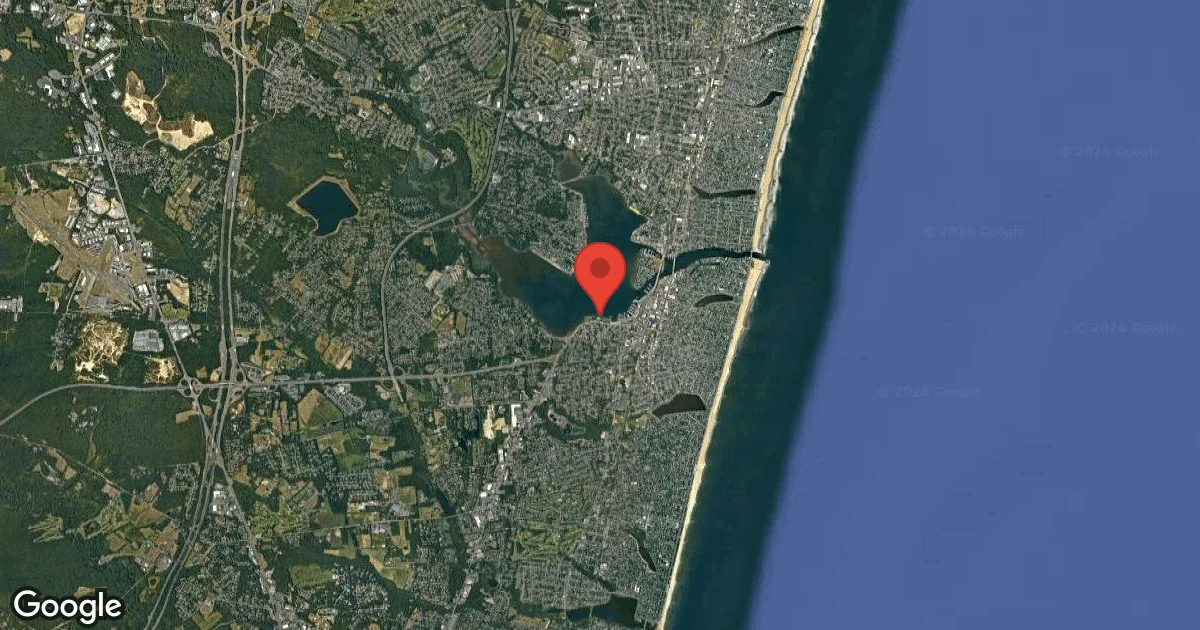
Dive Site Location & Key Facts
Dive Site Overview
Captain Bart offers a dive experience in the United States where diligent planning defines the expedition. Unlike sites with well-documented wrecks or established reef structures, a visit here demands a broader perspective, relying heavily on up-to-date local intelligence rather than pre-published site specifics.
Its designation carries an implied connection to maritime tradition, potentially honoring figures such as Robert A. Barth, a pioneering Navy aquanaut known for his contributions to underwater exploration. Available data does not consistently report specific details regarding the site’s unique formations, typical depths, or prevalent currents.
Consequently, each expedition to this location presents a distinct opportunity to explore, with conditions varying significantly from day to day. Divers should prepare for a recreational depth range, typically within 30 m (100 ft), though confirming exact depths with local operators is always advisable.
Without precise information on common underwater topography or specific current patterns, focus shifts to a versatile diving approach. This demands strong situational awareness and readiness for diverse underwater environments, from potential sand flats to isolated structures.
The site's dynamic nature fosters a strong reliance on in-the-moment observations and comprehensive pre-dive checks.
Conditions are Good
Optimal conditions expected
Current conditions near Captain Bart show 24° air, 23° sea temperature, 1.0 m waves, and 32 km/h wind. Forecast data is refreshed regularly to ensure accuracy.
Best Time to Dive
Planning a dive at Captain Bart means prioritizing comfortable surface conditions and generally calmer seas, which are most common from late spring through early autumn. June and July consistently show the highest dive scores, making them particularly favorable. During these months, average air temperatures reach their peak, with July seeing around 25°C (77°F), providing a pleasant topside experience. Wave heights are typically at their lowest in July, averaging about 0.8 m (2.6 ft), contributing to smoother boat rides and potentially better underwater visibility. Wind speeds also tend to be lighter, around 19 km/h (12 mph) in July. While specific water temperature data is not consistently reported for this location, it generally correlates with seasonal air temperature trends, suggesting warmer conditions during these peak months. For those seeking cooler air temperatures but still good dive scores, May, September, and October present viable alternatives, though with slightly increased wave heights and wind speeds. Divers should always check current local marine forecasts for optimal planning, as conditions can vary.
PEAK SEASON SCORE
Scores combine air & water temps, waves, wind & rainfall for overall conditions.
BEST MONTHS TO DIVE
Monthly records compiled from satellite and marine observation nodes over the last 3 years. Data provided by Open-Meteo and MET Norway.
Dive Experience & Conditions
An underwater environment at Captain Bart offers a varied sensory experience, reflecting the dynamic nature of coastal diving in the United States. Without consistently reported specific site conditions like typical visibility or current strengths, divers should prepare for a range of possibilities. Visibility can shift from moderate to expansive, often influenced by recent weather, tidal movements, and sediment composition. Currents may range from negligible to moderate, requiring good buoyancy control and navigation skills. Underwater topography could include anything from sandy bottoms and shell hash to isolated rock formations or artificial structures, depending on the exact coordinates of the dive. Water temperatures, while not specifically recorded in available datasets, are generally expected to follow regional seasonal patterns, being cooler in winter and warmer in summer. Appropriate thermal protection becomes necessary for comfort. Diving here often feels like an exploration, as each descent can reveal a new aspect of the local seabed and its immediate surroundings. Local dive reports and real-time conditions should always inform expectations.
Dive Difficulty & Safety Guidelines
Approaching Captain Bart demands a fundamental commitment to diving safety protocols and a flexible mindset. Given the limited specific site hazard data, expert divers always consult local dive operators or marine authorities for up-to-the-minute information on currents, visibility, and any temporary restrictions.
A thorough pre-dive check of all equipment is essential. Maintain conservative dive profiles, especially when exploring an area without detailed charts or established dive plans.
It's prudent to dive with a reliable buddy and carry appropriate safety gear, including a surface marker buoy (SMB) and a cutting tool. Strong situational awareness underwater is crucial for navigating potentially variable conditions.
Should any unexpected challenges arise, a well-rehearsed emergency plan ensures a safer resolution. Never exceed your training limits, and always prioritize clear communication within your dive team.
Recommended Equipment
- Dive Computer
This gear list is based on verified equipment signals for Captain Bart, United States. Always confirm final gear choices with your dive operator, guide, or liveaboard.
Recommended Dive Suit
3-5mm wetsuit is frequently recommended by dive operators for conditions like these. A hood or vest is suggested for sensitive divers due to surface winds. Those diving at Captain Bart today will likely encounter water temperatures in the region of 23°C (74°F). Surface air temperatures are resting at 24°C (75°F).
Surface temperatures may decrease slightly later in the week. A significant temperature drop is forecast; strongly suggest bringing a backup warmer suit option. Some divers bring an extra layer for surface intervals between dives.
Even small thermoclines can occasionally cause noticeable changes in water temperature.
Emergency & Medical Support
Essential information to help you plan your dive trip to Captain Bart.

Hyperbaric chambers are a critical part of dive safety infrastructure. Availability varies significantly by region, and not all dive areas have immediate access.
Before diving, it's recommended to:
- confirm nearest medical facilities
- check emergency procedures with local dive operators
- ensure dive insurance covers evacuation if required
Divers Alert Network
Diving emergency assistance available through DAN World.
+1-919-684-9111- 24/7 emergency hotline
- Diving medical assistance
- Evacuation coordination
Emergency contacts are provided for reference. Always verify local emergency services before diving.
Marine Life at Captain Bart
Marine life encounters at Captain Bart are entirely contingent on the specific underwater environment encountered during your dive, as detailed species lists are not consistently reported for this location. While general coastal areas in the United States can host a diverse array of fish, crustaceans, and potentially larger pelagic species, their presence here will vary.
Divers might observe typical regional inhabitants such as various reef fish species if suitable structures are present, or smaller invertebrates populating sandy and rocky substrates. Without specific habitat information, it's impossible to predict exact sightings.
The best approach is to maintain an observant posture, allowing for serendipitous discoveries. Local ecological reports, if available, would provide the most accurate insight into the marine biodiversity you might encounter.
Dive Sites Near Captain Bart
View all dive sites in United StatesDiscover more underwater gems in this area.
Dive Centers Near Captain Bart
Today: 08:00 - 18:00
Nearest Airports
Nearest airports to help plan travel to this dive area.
Search Flights
Check available flights and routes on Expedia, using the nearby airports listed in this section.
Search Flights on Expedia
Plan Your Stay
Looking for a place to stay for your dive trip? Explore hotels, stays, and vacation rentals for dive groups near Monmouth Beach.
Dive Navigator may earn a commission from these links at no extra cost to you.
Frequently Asked Questions
What certification level is needed for Captain Bart?
General recreational diving certifications (e.g., Open Water Diver) are typically sufficient for coastal areas. However, for any potential deeper sections or challenging conditions, advanced certifications would enhance safety and experience. Always confirm specific requirements with local operators.
Is there strong current at Captain Bart?
Specific current data is not consistently reported for Captain Bart. Coastal currents can vary based on tides, weather, and topography. Always check local marine forecasts and real-time conditions before diving to assess potential current strength.
What's the typical visibility?
Visibility at Captain Bart varies significantly, influenced by weather, sediment, and recent ocean conditions. There isn't a 'typical' range consistently reported in available data. Local real-time reports from dive operators are the most reliable source for current visibility.
Are there any specific underwater features?
Available data does not specify unique underwater features like wrecks, caves, or distinct reef formations for Captain Bart. The environment is likely to be characteristic of general coastal seabed in the region, potentially including sandy areas, rock formations, or sparse structures. Divers should expect a varied topography.
What thermal protection is recommended?
Given the lack of specific water temperature data, recommended thermal protection depends heavily on the season and prevailing air temperatures. Colder months (January-April, November-December) would likely require thicker wetsuits or drysuits, while warmer months (June-September) might permit thinner wetsuits. Always factor in personal comfort and planned dive duration.
Can I dive Captain Bart independently?
While independent diving may be permitted in some regions, given the limited specific site information for Captain Bart, diving with a local guide or operator is highly recommended. Their expertise on current conditions and potential hazards would be invaluable for a safe and informed dive.
Planning to dive Captain Bart?
Send one inquiry and receive offers directly from the best verified local dive operators.
Conditions are Good
Optimal conditions expected
Current conditions near Captain Bart show 24° air, 23° sea temperature, 1.0 m waves, and 32 km/h wind. Forecast data is refreshed regularly to ensure accuracy.