
Diving at Car Bodies (United States)
Car Bodies sites represent a grim yet crucial dynamic in underwater environments across the United States. These are not traditional dive spots but rather locations where submerged vehicles are found, often in freshwater bodies like ponds, lakes, and rivers. Their discovery typically arises from cold case investigations or emergency recovery efforts, making each site a unique scenario for specialized dive teams.
Evening condition tracking at Car Bodies features an air temperature of 31°C. We have recorded wave heights measuring 1.2 m during this period. These figures outline the environmental parameters currently present.
Dive Site Location & Key Facts
Dive Site Overview
What distinguishes "Car Bodies" sites from typical dive destinations is their origin; these are not natural formations or intentionally sunk wrecks, but instead, vehicles that ended up underwater. Divers exploring these areas are primarily involved in search and recovery operations, often for law enforcement or volunteer cold case groups.
These locations present varied underwater topography, dominated by the shapes of the cars themselves, which might be found intact or heavily damaged. While some older vehicles may host a limited amount of encrusting organisms or provide shelter for freshwater fish, the primary focus remains the human artifacts. Depths can range significantly, from shallower ponds around 6 m (20 ft) to deeper lake and river sections, as indicated by various recovery efforts.
Visibility often poses a significant challenge, especially in inland waterways prone to sediment and organic matter. This type of diving demands specific skills and a serious approach, differing substantially from recreational exploration.
Conditions are Excellent
07:00 - 14:00
Optimal conditions expected
Current conditions near Car Bodies show 31° air, 30° sea temperature, 0.5 m waves, and 18 km/h wind. Forecast data is refreshed regularly to ensure accuracy.
Best Time to Dive
Planning for dives at "Car Bodies" sites primarily hinges on operational conditions rather than ideal recreational seasons. The optimal times for recovery efforts often coincide with periods of more stable weather, minimizing surface chop and improving diver safety, though these missions can occur year-round. Climate data for the United States indicates favorable air temperatures from May through September, with averages ranging from 24.5°C to 29°C (76-84°F). During these months, wave heights are generally lower, averaging 0.7-0.9 m (2.3-3.0 ft), and wind speeds are also reduced, typically between 23.2-26.9 km/h (14.4-16.7 mph). Less rainfall, averaging 3.36-4.62 mm (0.13-0.18 in) in these months, can also help maintain better water clarity. Specific water temperature data for these varied freshwater bodies is not consistently reported, requiring divers to assess conditions on-site and plan for potential thermoclines or colder bottom temperatures.
PEAK SEASON SCORE
Scores combine air & water temps, waves, wind & rainfall for overall conditions.
BEST MONTHS TO DIVE
Monthly records compiled from satellite and marine observation nodes over the last 3 years. Data provided by Open-Meteo and MET Norway.
Dive Experience & Conditions
Diving at these sites presents specific challenges due to their unique nature and often compromised conditions. The depth profile varies widely; some vehicles are located in shallower sections of ponds at approximately 5.5 m (18 ft) or 6 m (20 ft), while others lie in deeper parts of lakes or rivers. Visibility is frequently very limited, often ranging from 1 to 3 meters (3-10 ft) or less, due to sediment, silt, and natural organic matter common in freshwater systems. Currents can be a significant factor in riverine locations such as the Willamette or St. Clair, requiring divers to manage their buoyancy and propulsion carefully. Water temperatures are highly variable and not consistently reported, but given the diverse inland locations and general air temperatures, divers should anticipate cooler conditions, especially in deeper or more shaded areas, which can fall well below comfortable recreational levels. The underwater landscape is dominated by the vehicles themselves, which can be disorienting in low visibility.
Dive Difficulty & Safety Guidelines
Access to "Car Bodies" sites is typically restricted to authorized personnel; these are not public recreational dive destinations. Divers engaging in such operations must prioritize safety due to the inherent hazards. Entanglement is a primary concern, as vehicles often contain wires, upholstery, and various debris that can snag gear.
Sharp edges and broken glass from the vehicles pose significant laceration risks. Low visibility is a constant challenge, demanding precise navigation and excellent communication protocols within the dive team.
Divers should possess advanced training in overhead environments, recovery techniques, and potentially public safety diving. Close coordination with law enforcement and adherence to strict operational guidelines are paramount to ensure the safety of all involved and the integrity of any potential evidence.
Recommended Equipment
- Dive Computer
This gear list is based on verified equipment signals for Car Bodies, United States. Always confirm final gear choices with your dive operator, guide, or liveaboard.
Recommended Dive Suit
For dives of average duration, dive skin or rash guard usually provides sufficient protection from heat loss. Consider warmer surface protection (like a boat coat) due to brisk winds.
Divers planning a dive at Car Bodies today will likely encounter water temperatures close to 30°C (87°F). Surface air temperatures are resting at 31°C (88°F).
Weather models indicate a small drop in surface temperatures later this week. Cooler days are ahead; you might want a warmer option for later in the week. Having a second exposure option available is often a good precaution.
Due to technical issues with our weather providers, data hasn't been fetched for over 48 hours. The data above reflects the conditions at the time of the last successful fetch.
Emergency & Medical Support
Essential information to help you plan your dive trip to Car Bodies.

Hyperbaric chambers are a critical part of dive safety infrastructure. Availability varies significantly by region, and not all dive areas have immediate access.
Before diving, it's recommended to:
- confirm nearest medical facilities
- check emergency procedures with local dive operators
- ensure dive insurance covers evacuation if required
Divers Alert Network
Diving emergency assistance available through DAN World.
+1-919-684-9111- 24/7 emergency hotline
- Diving medical assistance
- Evacuation coordination
Emergency contacts are provided for reference. Always verify local emergency services before diving.
Marine Life at Car Bodies
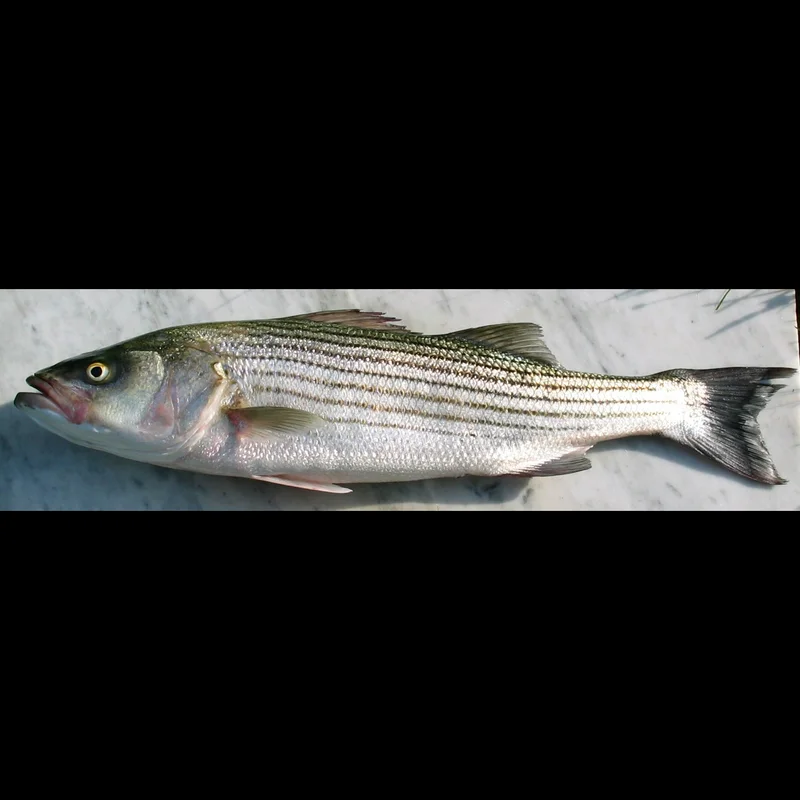
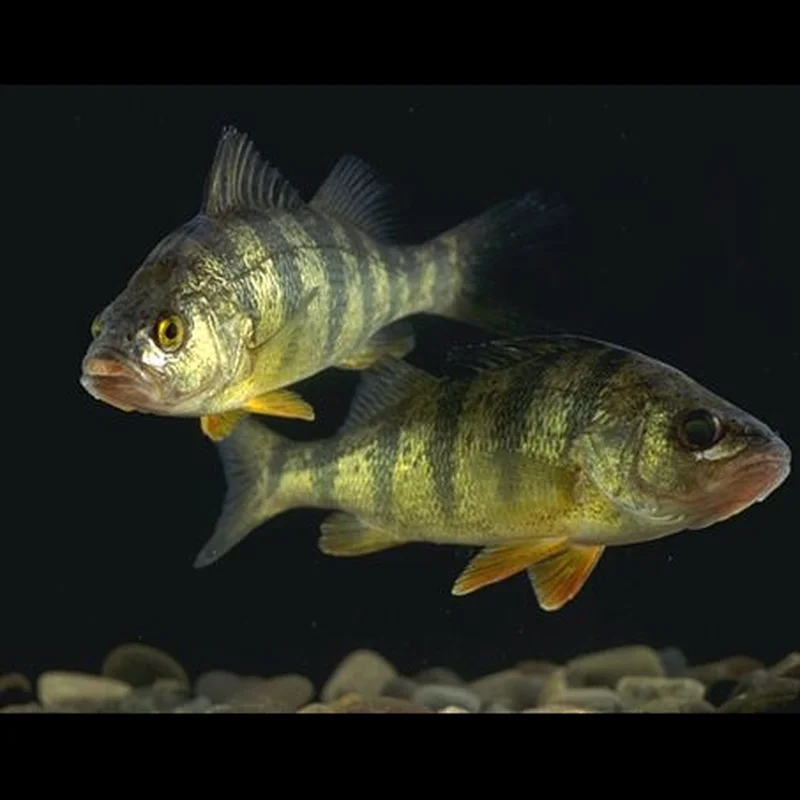
Submerged vehicles, while not the main draw, gradually form an artificial underwater landscape that can attract specific aquatic life. In freshwater ponds, lakes, and rivers, these cars often become localized habitats for species such as bass, perch, or catfish, which use the structures for shelter or foraging.
Crayfish and other invertebrates may also reside within the nooks and crannies of deteriorating structures. However, they do not support the dense, diverse ecosystems found on natural reefs or purpose-sunk shipwrecks; their underwater environment is primarily defined by the human-made artifacts rather than extensive biodiversity.


Dive Centers Near Car Bodies
Today: 10:00 - 18:00
Nearest Airports
Nearest airports to help plan travel to this dive area.
Search Flights
Check available flights and routes on Expedia, using the nearby airports listed in this section.
Search Flights on ExpediaFrequently Asked Questions
What exactly are "Car Bodies" dive sites?
"Car Bodies" dive sites refer to locations, typically in freshwater lakes, ponds, or rivers, where submerged vehicles are discovered. These are primarily sites for search and recovery operations, often linked to investigations of missing persons or cold cases, rather than established recreational dive spots.
Are these locations accessible to recreational divers?
Generally, no. Access to these locations is typically restricted to authorized dive teams, such as law enforcement, fire rescue, or specialized volunteer groups. Such restrictions arise from the investigative nature, potential hazards, and the need to preserve any evidence present.
What are the common diving conditions at these sites?
Divers should anticipate challenging conditions, including very limited visibility, strong currents in riverine environments, and potentially cold water temperatures. Depths can range from shallow pond sections of 5.5 m (18 ft) to deeper lake or river areas, requiring adaptability from divers.
What is the main purpose of diving at these sites?
The primary purpose is search and recovery. This includes locating missing persons, recovering vehicles that may be linked to crimes, or gathering evidence for ongoing investigations. The focus is on operational objectives rather than recreational exploration.
Is specialized training necessary for diving at these sites?
Yes, specialized training is essential. Divers working these sites typically hold certifications in public safety diving, recovery operations, or similar advanced technical specialties. This training addresses specific hazards like entanglement, low visibility navigation, and evidence handling.
What kind of marine life can be observed around submerged cars?
Submerged vehicles can act as artificial structures attracting freshwater fish, such as bass or catfish, seeking shelter. Crayfish and other invertebrates may also inhabit the cars. However, marine life is not the primary focus, and it isn't typically as diverse as in natural aquatic habitats.
Planning to dive Car Bodies?
Send one inquiry and receive offers directly from the best verified local dive operators.
Conditions are Excellent
07:00 - 14:00
Optimal conditions expected
Current conditions near Car Bodies show 31° air, 30° sea temperature, 0.5 m waves, and 18 km/h wind. Forecast data is refreshed regularly to ensure accuracy.