
Diving at CPA Reef (United States)
Unlike the pristine natural reefs found in some regions, CPA Reef represents a compelling blend of natural and artificial underwater structures. This site in the United States provides a unique perspective on marine ecosystems. Divers here often experience a transition from intentionally deployed habitats to established limestone formations. It delivers a distinct view of underwater environments and their ongoing development.
Current morning readings from CPA Reef indicate an air temperature of 28°C. Surface wave heights are averaging around 1.7 m at this time. These local measurements provide a baseline for your daily dive planning.
Dive Site Location & Key Facts
Dive Site Overview
The underwater topography at CPA Reef and similar sites along the US coast often features a mix of natural limestone reefs and extensive artificial reef deployments. These formations create diverse habitats, ranging from relatively shallow ledges to deeper, more complex structures.
Depths typically vary, with recreational limits extending to around 30 m (100 ft), though some adjacent sites may offer deeper exploration reaching up to 40 m (130 ft) for appropriately certified divers. Exploring these sites reveals elements such as concrete reef balls, various barges, and other engineered structures designed to attract marine life. Natural formations, where present, can include coral patches and intricate rock work.
Visibility fluctuates based on conditions and time of year, with clearer water often observed during calmer periods. While specific water temperature data for CPA Reef isn't consistently reported, regional averages during peak dive season often contribute to comfortable conditions.
Conditions are Good
Optimal conditions expected
Current conditions near CPA Reef show 28° air, 29° sea temperature, 0.9 m waves, and 29 km/h wind. Forecast data is refreshed regularly to ensure accuracy.
Best Time to Dive
Optimal diving conditions for visibility and comfort at sites like CPA Reef are generally experienced from May through August. During July, for instance, average air temperatures reach 28°C (82°F) with low wave heights, making surface conditions agreeable. Rain is minimal during these months, helping maintain clearer waters; July averages only 2.2 mm of rainfall. Wind speeds are also reduced, typically around 23.7 km/h (14.7 mph), which contributes to less surface chop and potentially better underwater visibility. The dive score for these months is rated 'Good', indicating favorable overall conditions. Conversely, months like October through February present more moderate dive scores, with increased wave heights and wind speeds, which can sometimes impact underwater clarity.
PEAK SEASON SCORE
Scores combine air & water temps, waves, wind & rainfall for overall conditions.
BEST MONTHS TO DIVE
Monthly records compiled from satellite and marine observation nodes over the last 3 years. Data provided by Open-Meteo and MET Norway.
Dive Experience & Conditions
Descending into the waters around CPA Reef often reveals a dynamic environment, with conditions varying significantly throughout the year. Upon entry, divers might encounter mild to moderate currents depending on tidal flows and offshore weather. Visibility is highly conditional, sometimes offering excellent clarity in calm summer months, while other times it might be reduced by sediment stirred up during periods of higher wave action. The shallower sections are suitable for Open Water divers, with many points of interest accessible within the 10-15 m (33-50 ft) range. Deeper sections, potentially reaching beyond 18 m (60 ft), call for Advanced Open Water certification due to increased nitrogen absorption considerations and potential for reduced light. Divers exploring the varied topography can expect to navigate around both natural reef structures and the distinct profiles of artificial deployments.
Dive Difficulty & Safety Guidelines
Prioritizing diver safety at sites like CPA Reef begins with thorough pre-dive planning and adherence to established protocols. Always dive within your certification limits; deeper sections, particularly those exceeding 18 m (60 ft), require Advanced Open Water certification. It's crucial to stay with your buddy throughout the dive, maintain proper buoyancy control, and regularly monitor air consumption and depth.
Dive Masters often provide detailed briefings en route to sites, outlining specific hazards, currents, and entry/exit procedures. Checking all equipment before diving and understanding emergency ascent procedures are fundamental.
Given the potential for varying conditions, divers should be prepared for changing visibility and moderate currents, adjusting their dive plan as necessary.
Recommended Equipment
- Dive Computer
This gear list is based on verified equipment signals for CPA Reef, United States. Always confirm final gear choices with your dive operator, guide, or liveaboard.
Recommended Dive Suit
Exposure protection is partly a personal preference.
2-3mm shorty or light wetsuit typically provides a reliable level of thermal protection for dives here. Consider warmer surface protection (like a boat coat) due to brisk winds. Weather models currently point toward consistent diving conditions over the next several days.
Divers heading to CPA Reef today should expect water temperatures around 29°C (83°F). Surface air temperatures are resting at 28°C (83°F).
Due to technical issues with our weather providers, live updates are temporarily delayed. The data above reflects the conditions at the time of the last successful fetch.
Emergency & Medical Support
Essential information to help you plan your dive trip to CPA Reef.

Hyperbaric chambers are a critical part of dive safety infrastructure. Availability varies significantly by region, and not all dive areas have immediate access.
Before diving, it's recommended to:
- confirm nearest medical facilities
- check emergency procedures with local dive operators
- ensure dive insurance covers evacuation if required
Divers Alert Network
Diving emergency assistance available through DAN World.
+1-919-684-9111- 24/7 emergency hotline
- Diving medical assistance
- Evacuation coordination
Emergency contacts are provided for reference. Always verify local emergency services before diving.
Marine Life at CPA Reef
Upon entering the water, divers at CPA Reef frequently observe active reef fish navigating the structures. The diverse topography of these sites, encompassing both natural limestone and artificial deployments, attracts a range of marine species.
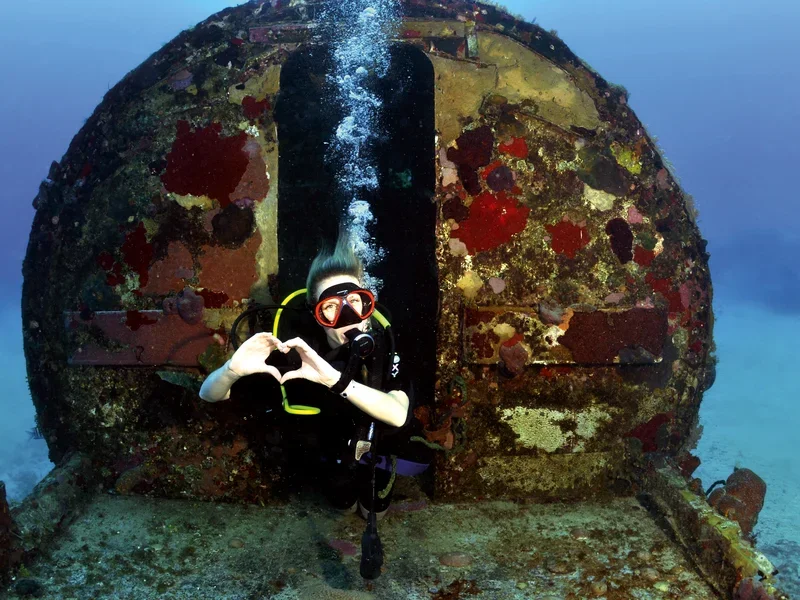
Artificial reefs, like those often deployed in the region, quickly undergo colonization by various reef fish. Expect to see common fish species that shelter within the crevices of the reef structures or explore the profiles of artificial wrecks and reef balls. Occasional larger pelagic species may also pass by, adding to the underwater experience.
Dive Centers Near CPA Reef
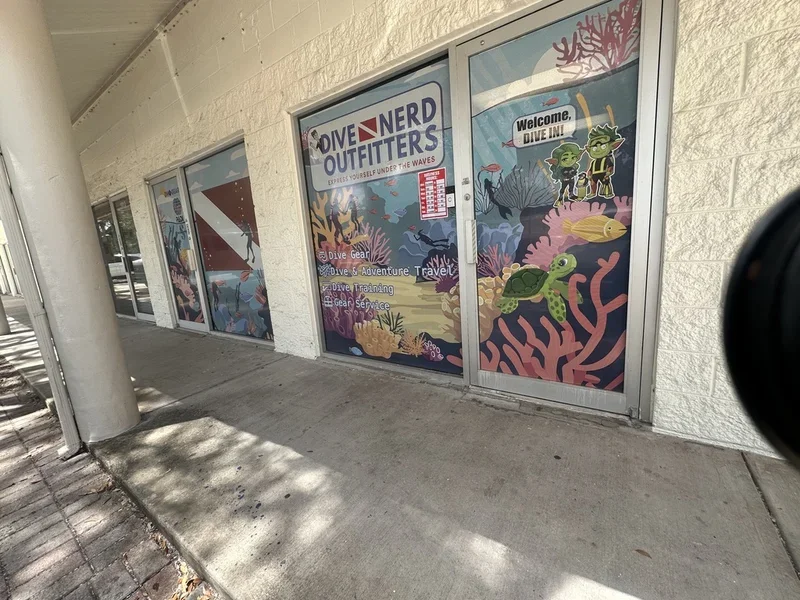
Today: 11:00 - 16:00
Nearest Airports
Nearest airports to help plan travel to this dive area.
Search Flights
Check available flights and routes on Expedia, using the nearby airports listed in this section.
Search Flights on ExpediaFrequently Asked Questions
What certification level is needed to dive CPA Reef?
Many shallower sections of CPA Reef are suitable for Open Water Divers. However, if you plan to explore deeper areas beyond 18 m (60 ft), an Advanced Open Water certification is recommended to ensure safe diving practices at those depths.
What is the typical depth range for dives at CPA Reef?
Depths at CPA Reef generally fall within recreational limits, often ranging from 10 m (33 ft) to 30 m (100 ft). Some nearby specialized sites may extend to 40 m (130 ft).
When is the best time of year to dive CPA Reef?
The months from May through August typically offer the most favorable diving conditions. During this period, you can expect lower wave heights, reduced wind speeds, and warmer air temperatures, which often contribute to better underwater visibility.
What kind of marine life can I expect to see?
Divers can expect to observe a variety of reef fish that inhabit both natural and artificial structures. Artificial reefs at sites like this are known for rapid colonization, creating vibrant habitats for diverse marine species.
Are there strong currents at CPA Reef?
Currents at CPA Reef can vary from mild to moderate. Conditions often depend on tidal flows and prevailing weather patterns. Dive briefings will provide specific information for the day's conditions.
Is rental equipment available for diving at CPA Reef?
Yes, tanks and weights are typically included with dive trips. Other essential gear such as BCDs, regulators, masks, fins, snorkels, and wetsuits are usually available for rental from local dive centers.
Planning to dive CPA Reef?
Send one inquiry and receive offers directly from the best verified local dive operators.
Conditions are Good
Optimal conditions expected
Current conditions near CPA Reef show 28° air, 29° sea temperature, 0.9 m waves, and 29 km/h wind. Forecast data is refreshed regularly to ensure accuracy.