
Diving at Donaldson Reef (United States)
Donaldson Reef is an integral part of Martin County’s extensive artificial reef system, contributing to the broader Southeast Florida Reef Tract. This site features both natural submerged lithified sand dunes and intentionally deployed structures, creating a varied underwater landscape. Reefs here run linearly, paralleling the shoreline, with depths generally accessible to recreational divers. It's a significant component in the region's efforts to enhance marine habitats.
Starting the day at Donaldson Reef, the ambient air temperature is recorded at 27°C. Ongoing monitoring shows wave heights measuring 1.2 m. This data represents the current surface conditions for early activities.
Dive Site Location & Key Facts
Dive Site Overview
Starting a dive at Donaldson Reef often feels like entering a dynamic, evolving habitat born from both natural forces and dedicated human effort. This site originated from the Martin County Artificial Reef Program, initiated in the 1970s by local enthusiasts known as the “Reeftirees” to establish self-sustaining marine environments.
Divers exploring this area will encounter a blend of original submerged sand dune formations and numerous artificial reef deployments, which continue to be added over the years. The structure includes distinct ledges, and while depths across the Southeast Florida Reef Tract range significantly, recreational diving here typically explores sections from approximately 9 m (30 ft) to 30 m (100 ft). Drift diving is a common approach, allowing divers to cover more ground as they move with the prevailing currents, observing the 'bounty of rich aquatic life' that thrives on these structures.
Conditions are Good
Optimal conditions expected
Current conditions near Donaldson Reef show 27° air, 30° sea temperature, 0.8 m waves, and 18 km/h wind. Forecast data is refreshed regularly to ensure accuracy.
Best Time to Dive
Planning a dive at Donaldson Reef presents a choice between calmer summer conditions and more dynamic winter months. May through August generally offer the most favorable conditions for diving, with average air temperatures rising from 26°C (79°F) in May to 28°C (82°F) in August, coupled with the lowest average wave heights, often around 0.5 to 0.8 meters (1.6 to 2.6 ft). Rainfall tends to be higher during late summer into early fall, peaking around 8 mm (0.3 in) in September. Conversely, winter months like January and February still provide good dive scores, albeit with cooler average air temperatures around 18.5-19.5°C (65-67°F) and slightly increased wave heights, typically around 1.2 meters (3.9 ft). Water temperatures are not consistently reported for this specific site but generally follow regional air temperature patterns. Wind speeds are lowest in July at around 15.4 km/h (9.6 mph), increasing moderately in other seasons.
PEAK SEASON SCORE
Scores combine air & water temps, waves, wind & rainfall for overall conditions.
BEST MONTHS TO DIVE
Monthly records compiled from satellite and marine observation nodes over the last 3 years. Data provided by Open-Meteo and MET Norway.
Dive Experience & Conditions
Experiencing a dive at Donaldson Reef often involves navigating the gentle push of a prevailing north current, which makes drift diving a popular method to cover more of the diverse reef environments. You can anticipate visibility enhanced by the Gulf Stream, which frequently bathes these reefs in clear, warm water. The underwater topography varies, revealing both ancient lithified sand dunes and layered artificial structures, some with collapsed features forming distinct ledges. Depths can range from shallower sections to deeper areas, accommodating various certification levels. Access to many reefs in this region is notably convenient, often requiring short boat rides; some are even accessible directly from the beach, which is not consistently reported for Donaldson Reef itself but is characteristic of the broader reef tract.
Dive Difficulty & Safety Guidelines
Approaching Donaldson Reef requires an understanding of the prevailing currents and appropriate dive planning. Given that drift diving is a common practice here, divers must ensure they have proper surface support and communication with their boat crew for pickup at the end of their drift. Divers should be proficient in managing varying current strengths, which can change depending on conditions, to prevent being separated from their group.
Always assess local conditions before entry, and if you're unfamiliar with drift diving, consider guidance from a local dive operator. Adhering to responsible diving practices like maintaining buoyancy control and avoiding contact with the reef is crucial for preserving this vibrant habitat.
Recommended Equipment
- Dive Computer
This gear list is based on verified equipment signals for Donaldson Reef, United States. Always confirm final gear choices with your dive operator, guide, or liveaboard.
Recommended Dive Suit
Dive skin or rash guard is widely used for recreational dives in waters of this temperature. Consider warmer surface protection (like a boat coat) due to brisk winds. Water conditions at Donaldson Reef are currently measured at approximately 30°C (86°F). Surface air temperatures are resting at 27°C (80°F).
Short-term weather patterns suggest stable conditions for divers visiting the area.
Water temperatures can occasionally shift throughout the day depending on currents and depth layers.
Due to technical issues with our weather providers, data hasn't been fetched for over 48 hours. The data above reflects the conditions at the time of the last successful fetch.
Emergency & Medical Support
Essential information to help you plan your dive trip to Donaldson Reef.

Hyperbaric chambers are a critical part of dive safety infrastructure. Availability varies significantly by region, and not all dive areas have immediate access.
Before diving, it's recommended to:
- confirm nearest medical facilities
- check emergency procedures with local dive operators
- ensure dive insurance covers evacuation if required
Divers Alert Network
Diving emergency assistance available through DAN World.
+1-919-684-9111- 24/7 emergency hotline
- Diving medical assistance
- Evacuation coordination
Emergency contacts are provided for reference. Always verify local emergency services before diving.
Marine Life at Donaldson Reef
Descending onto Donaldson Reef, you'll immediately notice the density of marine life congregating around the diverse reef structures. These artificial reefs act as 'vibrant underwater cities,' attracting a wide array of reef fish and other creatures.
You can expect to encounter hundreds of species that thrive within the essential habitats provided by both the natural formations and the deployed materials. This rich aquatic life makes the site an active environment for observing ecological interactions.
Dive Centers Near Donaldson Reef
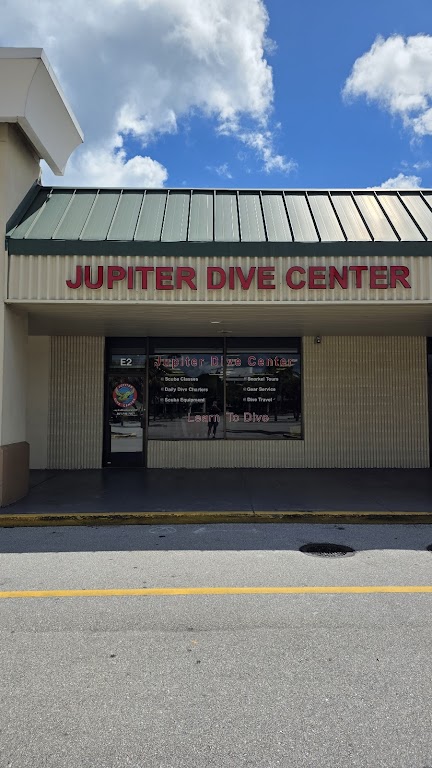
Today: 10:00 - 18:00
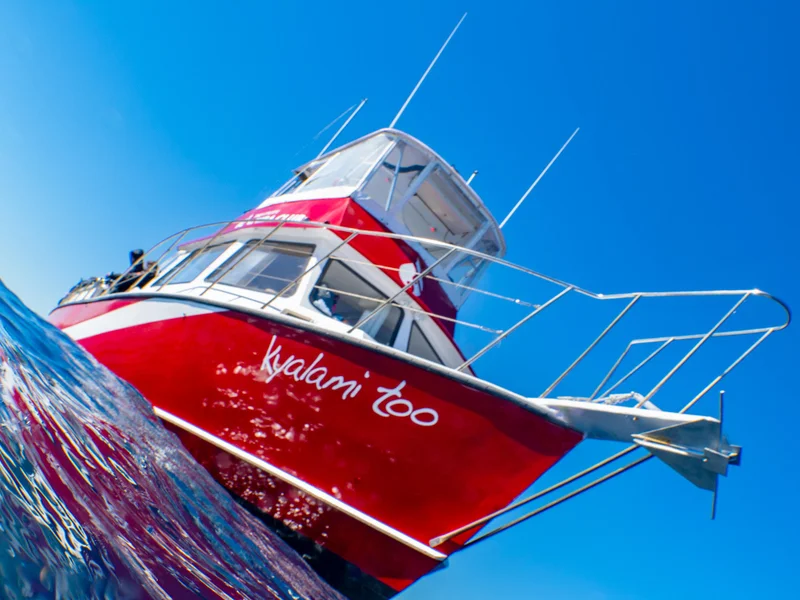
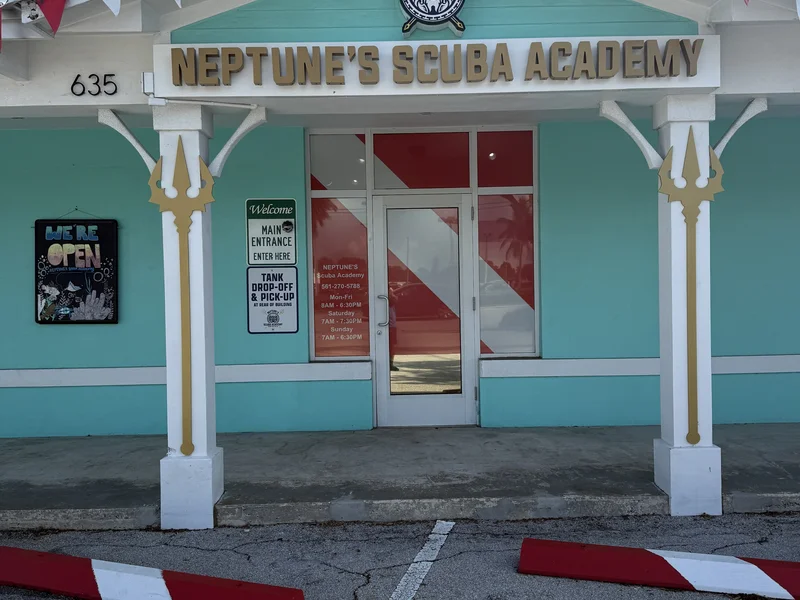
Nearest Airports
Nearest airports to help plan travel to this dive area.
Search Flights
Check available flights and routes on Expedia, using the nearby airports listed in this section.
Search Flights on Expedia
Plan Your Stay
Looking for a place to stay for your dive trip? Explore hotels, stays, and vacation rentals for dive groups near Sewall's Point.
Dive Navigator may earn a commission from these links at no extra cost to you.
Frequently Asked Questions
What kind of reefs are found at Donaldson Reef?
Donaldson Reef comprises both natural geological formations, such as submerged lithified sand dunes, and numerous artificial reef deployments. It's part of an ongoing program to enhance marine habitats.
Is drift diving common at Donaldson Reef?
Yes, drift diving is a common approach here. The offshore prevailing north current allows divers to cover a greater area of the diverse reef environments as they move naturally with the flow.
What is the typical depth range for diving?
Recreational diving at sites like Donaldson Reef typically explores sections ranging from approximately 9 meters (30 ft) to 30 meters (100 ft). The Southeast Florida Reef Tract offers a broad range of depths, including shallower and much deeper options.
What can I expect to see in terms of marine life?
Donaldson Reef provides essential habitat for a bounty of rich aquatic life. You can expect to see numerous species of reef fish and other marine creatures, as the artificial structures become vibrant underwater communities.
When are the best conditions for diving?
Generally, May through August offer optimal conditions with warmer air temperatures and calmer seas. However, good dive scores are common throughout most of the year, with moderate conditions in April and October.
Are water temperatures consistently reported for Donaldson Reef?
Specific water temperatures for Donaldson Reef are not consistently reported. However, conditions typically align with regional air temperature patterns and the influence of the warm Gulf Stream current.
Planning to dive Donaldson Reef?
Send one inquiry and receive offers directly from the best verified local dive operators.
Conditions are Good
Optimal conditions expected
Current conditions near Donaldson Reef show 27° air, 30° sea temperature, 0.8 m waves, and 18 km/h wind. Forecast data is refreshed regularly to ensure accuracy.