
Diving at Dunedin Reef Site D (United States)
For divers considering the Dunedin area, managing expectations for shore diving is key. Local consensus points to limited accessible shore dives, often characterized by lower visibility and potentially shark activity, particularly during certain seasons. Howard Park offers a notable exception, presenting a more complex dive profile that includes both open water reef sections and a cave system for experienced divers.
Starting the day at Dunedin Reef Site D, the ambient air temperature is recorded at 31.5°C. Ongoing monitoring shows wave heights measuring 0.6 m. This data represents the current surface conditions for early activities.
Dive Site Location & Key Facts
Dive Site Overview
Divers aiming to explore the underwater landscape near Dunedin Reef Site D will find opportunities concentrated at specific local spots, rather than extensive shore diving options. Many shallower reefs across Pinellas County, for instance, typically range from 3 to 6 m (10 to 20 ft).
Howard Park Underwater stands out as the most distinct local choice, incorporating both open water elements and a cave system. The cave's entrance descends to approximately 19.8 m (65 ft). Further within, a sink varies from 6.1 to 9.1 m (20 to 30 ft), depending on tidal conditions.
Visibility across these sites is dynamic, not consistently reported, and fluctuates considerably based on recent weather patterns and prevailing currents. Divers shouldn't expect the consistent clarity sometimes associated with more distant Florida Keys locations.
Instead, Dunedin's immediate dive sites often align with typical Gulf conditions, where sediment and plankton can impact underwater views. For accessing the most rewarding spots, or to escape potentially lower shore visibility, a boat charter is frequently considered for a more optimal dive experience.
This allows access to outer reefs or structures that are otherwise inaccessible, enhancing the overall dive potential in the region.
Conditions are Good
Optimal conditions expected
Current conditions near Dunedin Reef Site D show 31° air, 31° sea temperature, 0.2 m waves, and 23 km/h wind. Forecast data is refreshed regularly to ensure accuracy.
Best Time to Dive
Diving conditions in Dunedin often show a clear contrast between seasons, making timing crucial for planning. The summer months, particularly July, typically offer the most favorable conditions with air temperatures averaging 28°C (82°F). This period also records the lowest average wave heights, around 0.4 m, and reduced wind speeds, generally leading to calmer seas and potentially better visibility. However, summer also sees increased rainfall, averaging 5.89 mm in July. Conversely, winter months present cooler air temperatures, ranging from 14.5°C (58°F) in January to 20°C (68°F) in November, alongside higher average wave heights and stronger winds. These conditions can result in choppier surface conditions and affect underwater clarity. May and June offer a balanced period with rising air temperatures, lower wave heights around 0.5 m, and moderate rain, presenting a good window before peak summer rains.
PEAK SEASON SCORE
Scores combine air & water temps, waves, wind & rainfall for overall conditions.
BEST MONTHS TO DIVE
Monthly records compiled from satellite and marine observation nodes over the last 3 years. Data provided by Open-Meteo and MET Norway.
Dive Experience & Conditions
Shore diving in the Dunedin vicinity often involves preparing for significantly varying conditions. Many shore sites in Pinellas County are quite shallow, typically staying within a recreational depth range of 3 to 6 meters (10 to 20 ft). For those seeking deeper exploration, the Howard Park cave system provides a distinct opportunity. Its entrance drops to approximately 19.8 meters (65 ft), with a sink that fluctuates between 6.1 and 9.1 meters (20 and 30 ft) depending on tidal influence. Water clarity at Howard Park and other local spots is dynamic; it can shift rapidly due to weather and currents, making surface conditions and recent rainfall important factors to consider. Divers should anticipate variable visibility and potential for currents in many of the local 'off the beaten path' locations.
Dive Difficulty & Safety Guidelines
Approaching any dive site near Dunedin requires acknowledging the specific challenges present. For shore diving in general, local reports suggest conditions can be 'sharky' with low visibility, particularly at certain times of the year. This necessitates vigilance and careful assessment of environmental factors before entering the water.
At Howard Park, the cave system demands significant caution. Its overhead environment, coupled with the potential for rapidly dropping visibility, poses a risk of disorientation.
Therefore, divers exploring the cave must possess appropriate training and equipment, including a guideline, to mitigate the risk of becoming lost in the confined space. Depths in the cave section reach around 19.8 meters (65 ft), adding to the complexity.
Always dive within your certification limits and consider diving with experienced local guides when exploring less-documented sites.
Recommended Equipment
- Dive Computer
This gear list is based on verified equipment signals for Dunedin Reef Site D, United States. Always confirm final gear choices with your dive operator, guide, or liveaboard.
Recommended Dive Suit
The coming days appear slightly cooler according to the latest forecast. A significant temperature drop is forecast; strongly suggest bringing a backup warmer suit option. A hood or vest can noticeably improve warmth during longer dives.
Many experienced divers would consider dive skin or rash guard an appropriate choice here. Consider warmer surface protection (like a boat coat) due to brisk winds.
Current dive conditions indicate that water temperatures around Dunedin Reef Site D are sitting at roughly 31°C (88°F). Surface air temperatures are resting at 31°C (89°F).
Due to technical issues with our weather providers, data hasn't been fetched for over 48 hours. The data above reflects the conditions at the time of the last successful fetch.
Emergency & Medical Support
Essential information to help you plan your dive trip to Dunedin Reef Site D.

Hyperbaric chambers are a critical part of dive safety infrastructure. Availability varies significantly by region, and not all dive areas have immediate access.
Before diving, it's recommended to:
- confirm nearest medical facilities
- check emergency procedures with local dive operators
- ensure dive insurance covers evacuation if required
Divers Alert Network
Diving emergency assistance available through DAN World.
+1-919-684-9111- 24/7 emergency hotline
- Diving medical assistance
- Evacuation coordination
Emergency contacts are provided for reference. Always verify local emergency services before diving.
Marine Life at Dunedin Reef Site D
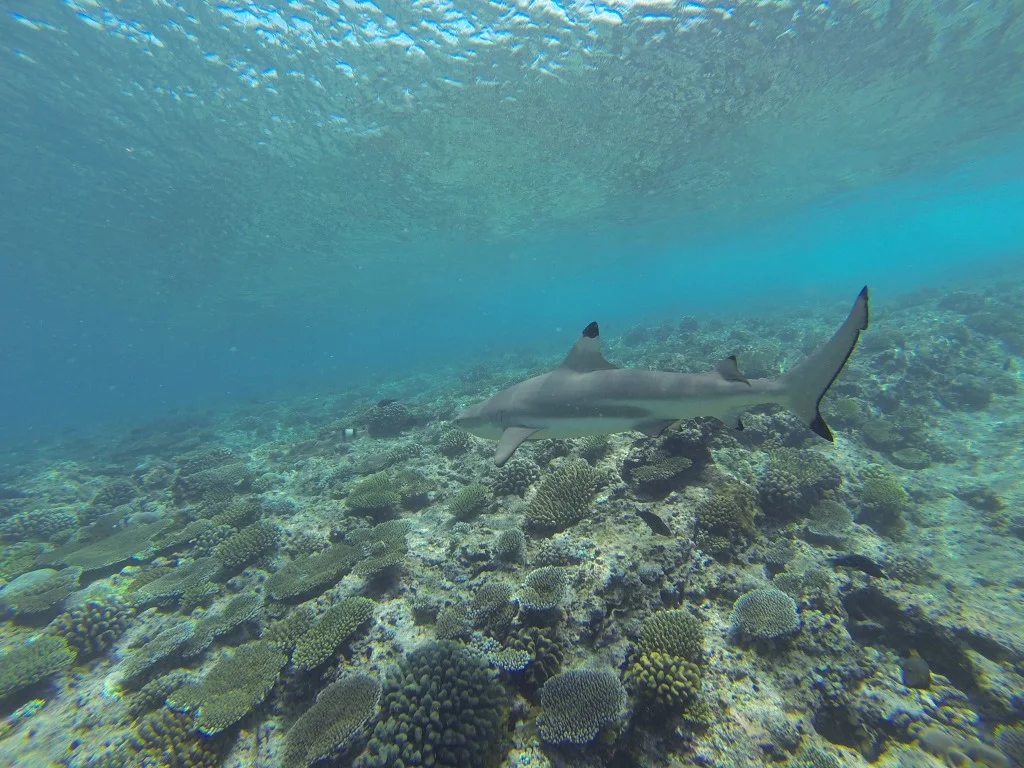
While specific marine life highlights for the immediate Dunedin Reef Site D area are not consistently reported, local shore diving accounts mention 'sharky' conditions at times, implying the presence of certain shark species. Generally, the shallow reefs and artificial structures common in Florida's Gulf waters can host a variety of temperate marine life.
This might include smaller reef fish, crustaceans, and potentially some larger pelagics moving through. Observing marine life here often depends heavily on the prevailing visibility and the health of the localized underwater habitats, which can vary significantly across Pinellas County's dive sites.
Dive Centers Near Dunedin Reef Site D
Today: 10:00 - 17:00
Nearest Airports
Nearest airports to help plan travel to this dive area.
Search Flights
Check available flights and routes on Expedia, using the nearby airports listed in this section.
Search Flights on Expedia
Plan Your Stay
Looking for a place to stay for your dive trip? Explore hotels, stays, and vacation rentals for dive groups near Dunedin.
Dive Navigator may earn a commission from these links at no extra cost to you.
Frequently Asked Questions
Are there many shore diving opportunities near Dunedin, Florida?
Specific shore diving opportunities are limited and not widely recommended by locals due to factors like lower visibility and potential shark activity. Howard Park stands out as a distinctive local dive.
What are the typical diving depths in the Dunedin area?
Most general shore dives in Pinellas County are shallow, typically ranging from 3 to 6 meters (10 to 20 ft). Howard Park features deeper sections, with a cave entrance around 19.8 meters (65 ft) and a sink from 6.1 to 9.1 meters (20 to 30 ft).
What is the visibility like for diving near Dunedin?
Visibility in the area is highly variable. It can change rapidly based on weather, recent rainfall, and currents. Local reports suggest it can sometimes be low, particularly for general shore dives.
Is Howard Park Underwater suitable for all divers?
No. While shallower sections might be accessible, the cave system at Howard Park requires significant caution and specific training due to its overhead environment, depth, and potential for rapid visibility changes. It is best suited for experienced and appropriately certified divers.
What is the best time of year to dive in Dunedin?
The summer months, especially July, generally offer the calmest seas, lowest wave heights, and warmest air temperatures, despite higher rainfall. May and June also present a good balance of conditions before the peak summer rains.
Are there any specific hazards to be aware of when diving in Dunedin?
Potential hazards include variable and sometimes low visibility, currents, and 'sharky' conditions mentioned for general shore dives. For Howard Park's cave, the overhead environment and risk of disorientation due to sudden visibility drops are significant concerns.
Planning to dive Dunedin Reef Site D?
Send one inquiry and receive offers directly from the best verified local dive operators.
Conditions are Good
Optimal conditions expected
Current conditions near Dunedin Reef Site D show 31° air, 31° sea temperature, 0.2 m waves, and 23 km/h wind. Forecast data is refreshed regularly to ensure accuracy.