
Diving at E-F (Jaycees) Reef (United States)
In a region celebrated for both natural and artificial underwater structures, E-F (Jaycees) Reef offers a contrasting dive experience. While nearby sites like the USS Oriskany command attention for their sheer scale as artificial reefs, this reef presents a different character. Its living bottom habitats contribute to the vibrant marine ecosystems typical of the Florida coast, inviting exploration of its unique biodiversity rather than expansive wreck penetration.
Evening condition tracking at E-F (Jaycees) Reef features an air temperature of 27.5°C. We have recorded wave heights measuring 0.4 m during this period. These figures outline the environmental parameters currently present.
Dive Site Location & Key Facts
Dive Site Overview
Understanding the topography of E-F (Jaycees) Reef reveals a typical example of the varied reef formations found offshore in this region. Divers encounter numerous scattered rocky outcroppings and ledges, creating a vibrant 'live bottom' habitat that provides a solid foundation for extensive marine growth.
Exploration here generally extends to a maximum depth of 30 m (100 ft), with many areas presenting shallower sections suitable for longer bottom times, appealing to a range of certification levels. Navigating this site involves traversing a complex environment rich with natural crevices and overhangs. Such structural complexity offers abundant hiding spots and foraging areas for various species, making each contour a potential discovery.
Water clarity, while certainly varying seasonally with weather patterns and plankton blooms, typically allows for good visibility, enhancing the exploration of intricate reef structures and their inhabitants. Divers should anticipate a dynamic underwater landscape where the reef's composition, rather than being a single large structure, presents an undulating and interconnected series of ledges and small peaks for divers to traverse. Prepare for a diverse sensory experience.
Conditions are Good
Optimal conditions expected
Current conditions near E-F (Jaycees) Reef show 28° air, 31° sea temperature, 0.3 m waves, and 23 km/h wind. Forecast data is refreshed regularly to ensure accuracy.
Best Time to Dive
While year-round diving is possible, choosing the right season can significantly impact your experience at E-F (Jaycees) Reef. Regional climate data indicates that spring and early summer, particularly April through June, present some of the most favorable conditions. Air temperatures during these months consistently range from approximately 23.5-27.5°C (74-82°F). Rainfall is comparatively lower in April and May, averaging around 1-1.2 mm, which often correlates with better surface conditions. Conversely, late summer and early fall see increased rainfall, peaking at about 6.8 mm in August. Wind speeds tend to be lower in July and May, at approximately 21-25 km/h (13-15 mph), contributing to calmer seas. Although specific water temperature data for the site isn't consistently reported, regional patterns suggest the warmest waters are typically from late spring through early fall, making dives more comfortable without heavy thermal protection.
PEAK SEASON SCORE
Scores combine air & water temps, waves, wind & rainfall for overall conditions.
BEST MONTHS TO DIVE
Monthly records compiled from satellite and marine observation nodes over the last 3 years. Data provided by Open-Meteo and MET Norway.
Dive Experience & Conditions
Diving at E-F (Jaycees) Reef feels like entering a dynamic, living tapestry. Currents can vary, ranging from mild to moderate, depending on prevailing weather patterns and tides, making for interesting drift opportunities on some days. Surface conditions are generally calm during periods of lower wind activity, often presenting smooth entry and exit points. Underneath, divers often encounter varying degrees of visibility; while not always 'crystal clear,' it's typically more than adequate for appreciating the intricate reefscape. This vibrant environment, characterized by its 'live bottom' of sponges, corals, and other invertebrates, presents a rich sensory experience. The ambient light penetrates well into the shallower sections, highlighting the colors of the reef. Exploring the contours of its ledges and outcroppings reveals a thriving ecosystem.
Dive Difficulty & Safety Guidelines
While specific hazards for E-F (Jaycees) Reef are not consistently reported, divers should adhere to general open water safety practices common to reef environments. Always conduct thorough pre-dive checks, verify your equipment, and ensure adequate air supply for the planned dive profile. Pay close attention to current conditions; localized currents can change quickly, so situational awareness is crucial for maintaining proper position relative to the dive boat.
Maintaining neutral buoyancy is essential to protect the delicate live bottom and its inhabitants. Divers should stay within their certification limits and consider dive computers for accurate depth and time management.
It's also advisable to dive with a buddy and carry a surface marker buoy for visibility to surface vessels.
Recommended Equipment
- Dive Computer
This gear list is based on verified equipment signals for E-F (Jaycees) Reef, United States. Always confirm final gear choices with your dive operator, guide, or liveaboard.
Recommended Dive Suit
For many recreational divers, dive skin or rash guard provides a practical level of insulation in these conditions. Consider warmer surface protection (like a boat coat) due to brisk winds. Divers who tend to get cold easily may prefer slightly thicker exposure protection.
At the moment, divers exploring E-F (Jaycees) Reef will likely experience water temperatures near 31°C (89°F). Surface air temperatures are resting at 28°C (82°F).
Current forecasts indicate relatively stable conditions for the coming days.
Due to technical issues with our weather providers, data hasn't been fetched for over 48 hours. The data above reflects the conditions at the time of the last successful fetch.
Emergency & Medical Support
Essential information to help you plan your dive trip to E-F (Jaycees) Reef.

Hyperbaric chambers are a critical part of dive safety infrastructure. Availability varies significantly by region, and not all dive areas have immediate access.
Before diving, it's recommended to:
- confirm nearest medical facilities
- check emergency procedures with local dive operators
- ensure dive insurance covers evacuation if required
Divers Alert Network
Diving emergency assistance available through DAN World.
+1-919-684-9111- 24/7 emergency hotline
- Diving medical assistance
- Evacuation coordination
Emergency contacts are provided for reference. Always verify local emergency services before diving.
Marine Life at E-F (Jaycees) Reef
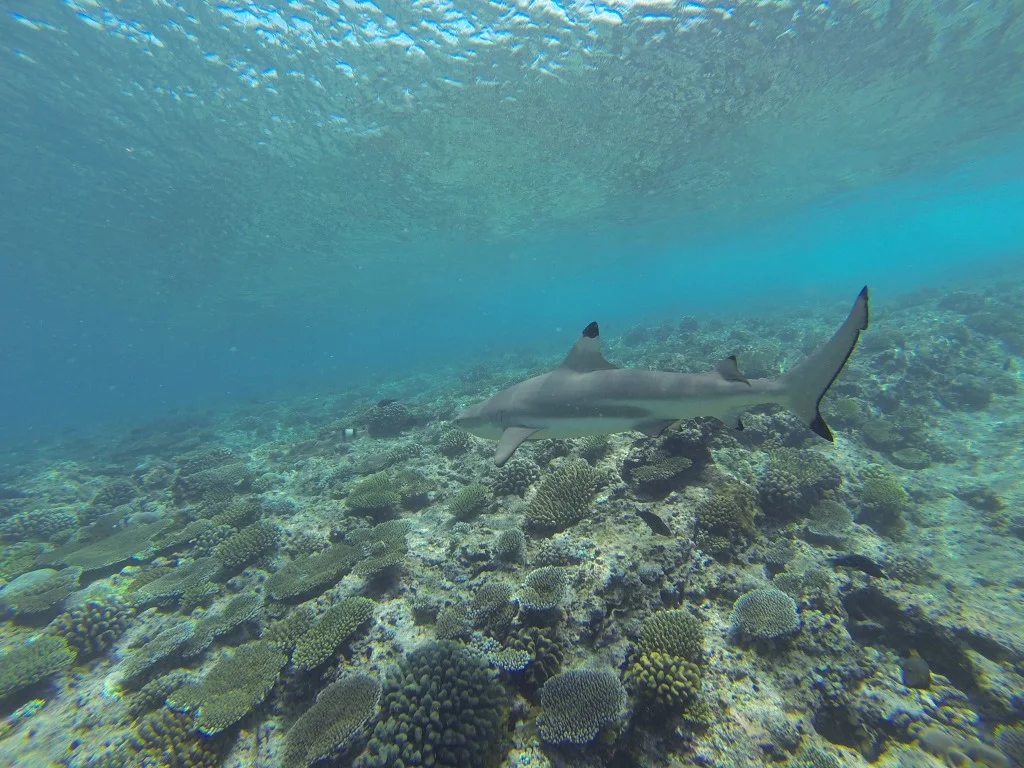
E-F (Jaycees) Reef's 'live bottom' habitat supports a diverse array of marine life. This dense carpet of living creatures provides shelter and food, attracting many species.
Divers frequently observe various tropical fish navigating the rocky outcroppings. Opportunities for encounters with turtles are not uncommon as they graze or rest along the reef.
Rays might be seen gliding gracefully across sandy patches between formations. While less frequent, sharks are also part of this vibrant ecosystem, adding an exciting element to the dive. Overall biodiversity ensures each dive offers new discoveries.

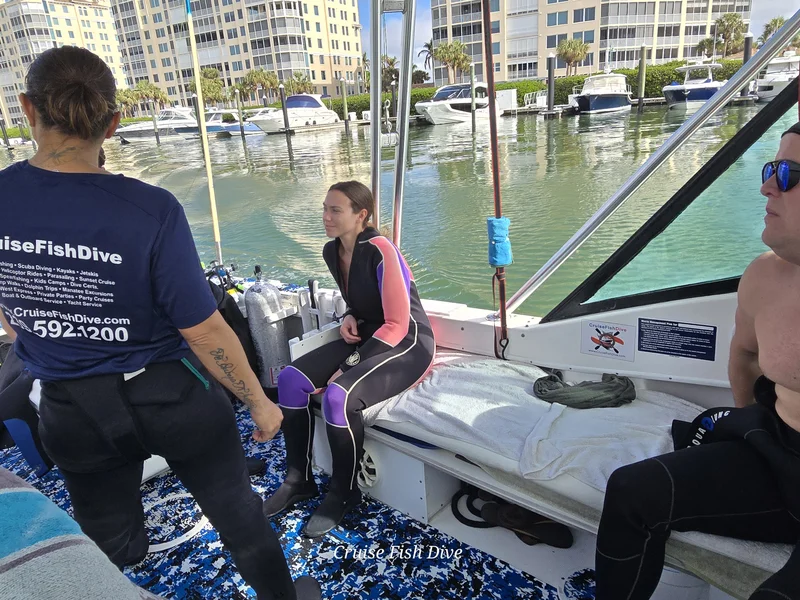
Dive Centers Near E-F (Jaycees) Reef
Today: 11:00 - 15:00
Nearest Airports
Nearest airports to help plan travel to this dive area.
Search Flights
Check available flights and routes on Expedia, using the nearby airports listed in this section.
Search Flights on Expedia
Plan Your Stay
Looking for a place to stay for your dive trip? Explore hotels, stays, and vacation rentals for dive groups near Sanibel.
Dive Navigator may earn a commission from these links at no extra cost to you.
Frequently Asked Questions
What is the typical depth range for diving E-F (Jaycees) Reef?
The maximum depth for reef diving in this region generally extends to about 30 m (100 ft). Many sections of the E-F (Jaycees) Reef are shallower, offering opportunities for extended bottom times and different skill levels.
Are there strong currents at this reef?
Currents at E-F (Jaycees) Reef can vary. Conditions range from mild to moderate depending on tides and prevailing weather, sometimes allowing for pleasant drift dives. Always check local conditions before your dive.
What kind of marine life can I expect to see?
The reef is known for its 'live bottom' which supports a variety of marine life. Divers commonly encounter tropical fish, various invertebrates, and may also spot turtles, rays, and occasionally sharks.
Is the reef suitable for all diver skill levels?
Yes, with varied depths and conditions, E-F (Jaycees) Reef can accommodate different skill levels. Shallower sections are suitable for less experienced divers, while deeper areas may appeal to those with advanced certifications, provided they adhere to safe diving practices and current conditions.
What are the best months to dive E-F (Jaycees) Reef?
Based on regional climate data, the spring and early summer months from April through June often offer optimal diving conditions. This period typically sees lower rainfall, calmer surface conditions, and pleasant air temperatures.
Is E-F (Jaycees) Reef a natural or artificial reef?
E-F (Jaycees) Reef exhibits characteristics of a natural 'live bottom' habitat, featuring scattered rocky outcroppings and ledges. While artificial reefs are common in Florida, this site primarily reflects natural formations supporting its ecosystem.
Planning to dive E-F (Jaycees) Reef?
Send one inquiry and receive offers directly from the best verified local dive operators.
Conditions are Good
Optimal conditions expected
Current conditions near E-F (Jaycees) Reef show 28° air, 31° sea temperature, 0.3 m waves, and 23 km/h wind. Forecast data is refreshed regularly to ensure accuracy.