
Diving at Folsom Lake (United States)
Preparing for a dive at Folsom offers a straightforward entry, ideal for open water training and perfecting buoyancy skills. This freshwater reservoir provides calm conditions, making it accessible for divers of various experience levels. With ample parking and multiple entry points, getting into the water is often uncomplicated. It’s a reliable local option for getting comfortable underwater.
At Folsom Lake, the ambient air temperature is currently recorded at 23.5°C. This dive site in United States is operating under normal seasonal weather patterns. Familiarize yourself with the local topography prior to navigating.
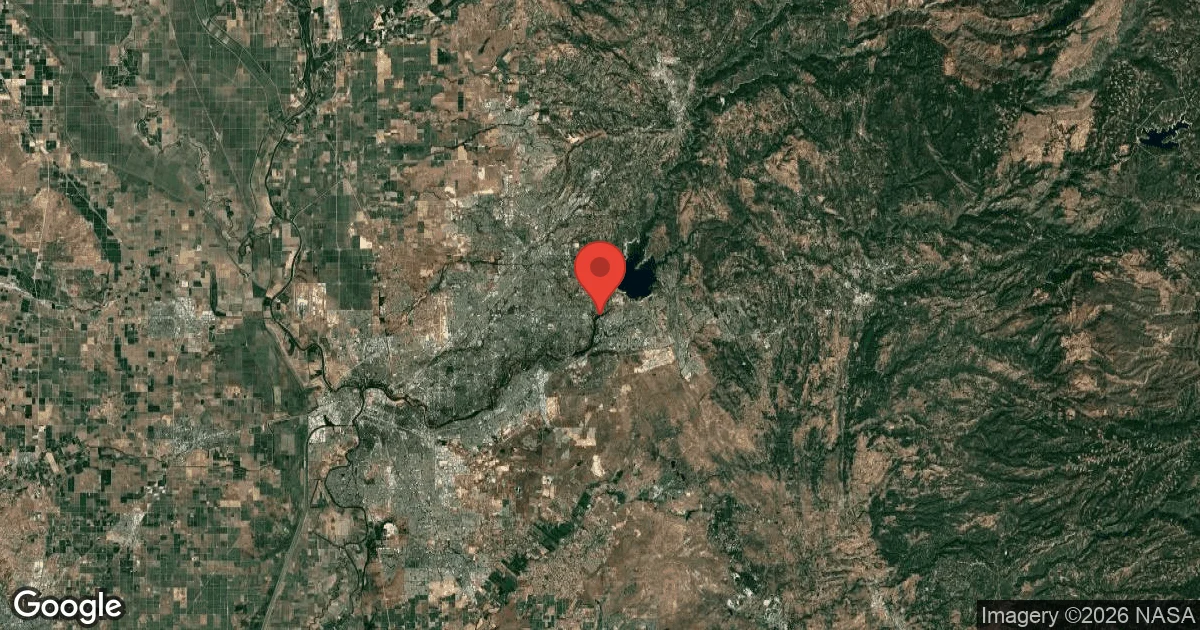
Dive Site Location & Key Facts
Dive Site Overview
What makes Folsom distinctive as a dive site is its dynamic character as a reservoir, where water levels fluctuate significantly throughout the year. This non-natural body of water serves primarily for flood control, electricity generation, and municipal water supply, all factors that directly influence its capacity and the submerged landscape divers explore.
As conditions change, so too does the underwater topography, revealing or re-submerging a range of artifacts. Divers frequently encounter remnants of previous human activity, such as old building foundations, road sections, and even a parking lot; these become more pronounced during periods of lower water.
Such constant variability ensures no two dives are exactly alike, offering distinct exploration opportunities depending on the season and ongoing water management strategies. At full capacity, the extensive reservoir spans approximately 18 square miles, with numerous marinas along its shores underscoring its dual role as a crucial resource and a popular recreation area.
Exploring Folsom's depths requires an understanding of these seasonal shifts and how they reshape the environment below. Its ever-changing nature truly defines the underwater experience here, demanding adaptable dive planning.
Conditions are Excellent
07:00 - 14:00
Optimal conditions expected
Current conditions near Folsom Lake show 23° air, --° sea temperature, N/A waves, and 11 km/h wind. Forecast data is refreshed regularly to ensure accuracy.
Best Time to Dive
Considering dive comfort, the period from May through September generally provides the most favorable conditions at Folsom. Air temperatures during these months range from 19°C (66°F) to 26.5°C (80°F), creating a pleasant surface environment. Water temperatures in summer can reach around 27°C (80°F), making for a more comfortable experience, though specific temperatures for each month are not consistently reported. Rainfall is minimal, typically less than 1 mm (0.04 inches) from June to September, ensuring clear skies and stable conditions. May and October also present good diving scores, with air temperatures between 18°C (64°F) and 19°C (66°F), and similarly low rain levels, expanding the prime diving window.
PEAK SEASON SCORE
Scores combine air & water temps, waves, wind & rainfall for overall conditions.
BEST MONTHS TO DIVE
Monthly records compiled from satellite and marine observation nodes over the last 3 years. Data provided by Open-Meteo and MET Norway.
Dive Experience & Conditions
A descent into Folsom often reveals a predominantly silty bottom, a key characteristic influencing the dive experience. Maintaining good buoyancy control is essential to prevent stirring up sediment, which can quickly reduce visibility from 6-9 m (20-30 ft) to near zero. Calm waters prevail, particularly in designated training areas like Folsom Point, making it suitable for skill development. Depths can vary dramatically due to the reservoir's fluctuating water levels, from a maximum of about 40 m (130 ft) to significantly shallower sections. While daytime dives may reveal curious bass and catfish, night dives are particularly rewarding for observing fish that often hover calmly, allowing for closer interaction with the freshwater ecosystem.
Dive Difficulty & Safety Guidelines
For safe diving at Folsom, several considerations are paramount. Given the silty bottom, meticulous buoyancy control helps maintain visibility and prevents disorientation, especially for those new to the site. Divers should always carry a surface marker buoy and a dive flag, ensuring visibility to boat traffic, particularly in areas near marinas.
Shore entries are common, so assessing entry and exit points for stability and ease is crucial. Awareness of changing water levels is also important, as submerged structures can appear or disappear, altering the underwater landscape.
State Park day-use fees apply, and maintained bathroom and shower facilities are typically available on site.
Recommended Equipment
- Dive Computer
This gear list is based on verified equipment signals for Folsom Lake, United States. Always confirm final gear choices with your dive operator, guide, or liveaboard.
Recommended Dive Suit
Forecast confidence is somewhat lower, with potential for varied conditions ahead. A significant temperature drop is forecast; strongly suggest bringing a backup warmer suit option. A hood or vest can noticeably improve warmth during longer dives.
Based on regional estimates and current weather, the likely required exposure protection is a 3-5mm wetsuit. Note that local currents and upwellings can alter this.
Because recent water temperature readings are not available for Folsom Lake, the guidance below is based mainly on current air conditions and seasonal expectations. Current surface air temperatures are roughly 23°C (74°F).
Due to technical issues with our weather providers, live updates are temporarily delayed. The data above reflects the conditions at the time of the last successful fetch.
Emergency & Medical Support
Essential information to help you plan your dive trip to Folsom Lake.

Hyperbaric chambers are a critical part of dive safety infrastructure. Availability varies significantly by region, and not all dive areas have immediate access.
Before diving, it's recommended to:
- confirm nearest medical facilities
- check emergency procedures with local dive operators
- ensure dive insurance covers evacuation if required
Divers Alert Network
Diving emergency assistance available through DAN World.
+1-919-684-9111- 24/7 emergency hotline
- Diving medical assistance
- Evacuation coordination
Emergency contacts are provided for reference. Always verify local emergency services before diving.
Marine Life at Folsom Lake
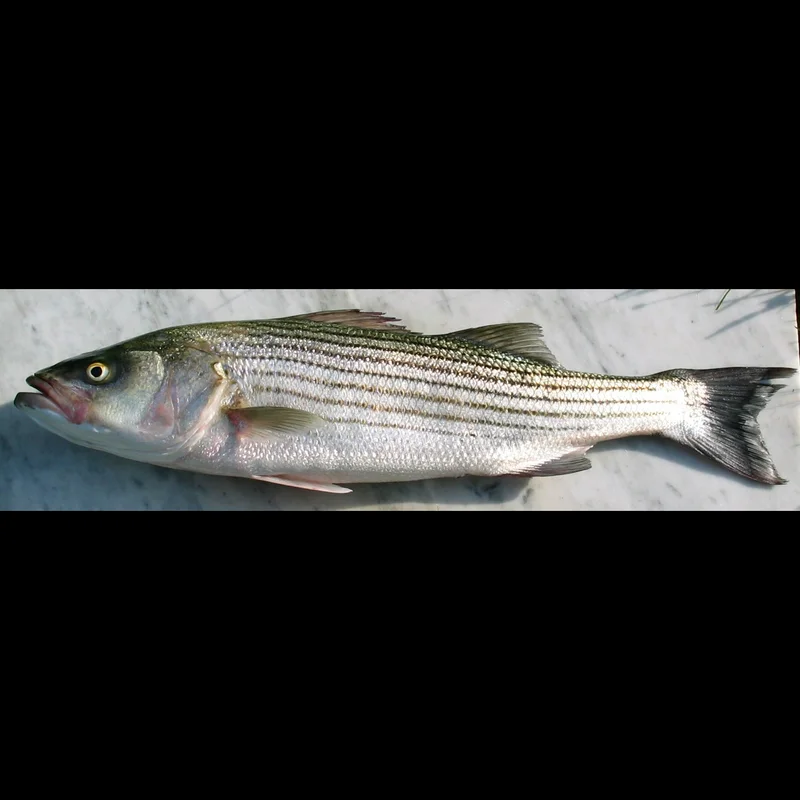
Beneath the surface, Folsom's freshwater environment harbors a variety of aquatic life. Divers frequently encounter small fish, along with inquisitive largemouth, smallmouth, and spotted bass that sometimes approach closely.
Catfish are also common inhabitants of the deeper, silty areas of this reservoir. While aquatic life sightings might be more sporadic during the day, night diving often reveals fish in a more relaxed state, allowing for extended observations and photography opportunities.

Dive Sites Near Folsom Lake
View all dive sites in United StatesDiscover more underwater gems in this area.
Dive Centers Near Folsom Lake
Today: 12:00 - 17:00
Nearest Airports
Nearest airports to help plan travel to this dive area.
Search Flights
Check available flights and routes on Expedia, using the nearby airports listed in this section.
Search Flights on Expedia
Plan Your Stay
Looking for a place to stay for your dive trip? Explore hotels, stays, and vacation rentals for dive groups near Folsom.
Dive Navigator may earn a commission from these links at no extra cost to you.
Frequently Asked Questions
What is the typical water visibility at Folsom?
Visibility in this reservoir typically ranges from 6-9 m (20-30 ft) under good conditions. However, it can quickly decrease to near zero if the silty bottom is disturbed, emphasizing the need for precise buoyancy control.
What are the common entry points for diving?
Diving at Folsom is primarily done via shore entries, with popular spots like Folsom Point offering easy access and ample parking. Some areas may also allow boat entries, particularly around the marinas, depending on water levels.
Are there any strong currents?
This reservoir generally experiences calm waters with no significant currents, making it an ideal location for open water training. However, visibility near dam outlets or river flows can be affected by discharge, potentially creating some localized current.
What kind of fish can I expect to see?
Divers can expect to encounter various freshwater fish, including largemouth, smallmouth, and spotted bass, as well as catfish. These fish are often curious and can be observed closely, especially during night dives.
How do water levels affect diving at this site?
As a reservoir, Folsom's water levels fluctuate significantly, impacting dive depths and revealing or submerging structures like old building foundations or a secondary parking lot. Divers should check current conditions before planning a trip.
Is Folsom suitable for beginner divers?
Folsom is frequently utilized for open water training due to its calm conditions and relatively easy shore entries. It's a good place for new divers to practice skills like buoyancy control and navigation in a controlled environment.
Planning to dive Folsom Lake?
Send one inquiry and receive offers directly from the best verified local dive operators.
Conditions are Excellent
07:00 - 14:00
Optimal conditions expected
Current conditions near Folsom Lake show 23° air, --° sea temperature, N/A waves, and 11 km/h wind. Forecast data is refreshed regularly to ensure accuracy.