
Diving at Fsfa Reef Site #2 (United States)
Exploring FSFA Reef Site #2 offers divers a direct encounter with Florida's extensive artificial reef initiatives. This site provides an accessible dive experience, characterized by its purpose-built structures designed to foster marine ecosystems. Divers can anticipate navigating through various components that create shelter and attract local aquatic life, making for an engaging underwater route that highlights the region's conservation efforts and underwater landscapes.
As evening covers Fsfa Reef Site #2, the local air temperature is measured at 28°C. The current wave height at the surface is recorded at 1.7 m. These late-day readings characterize the surface conditions for the night.
Dive Site Location & Key Facts
Dive Site Overview
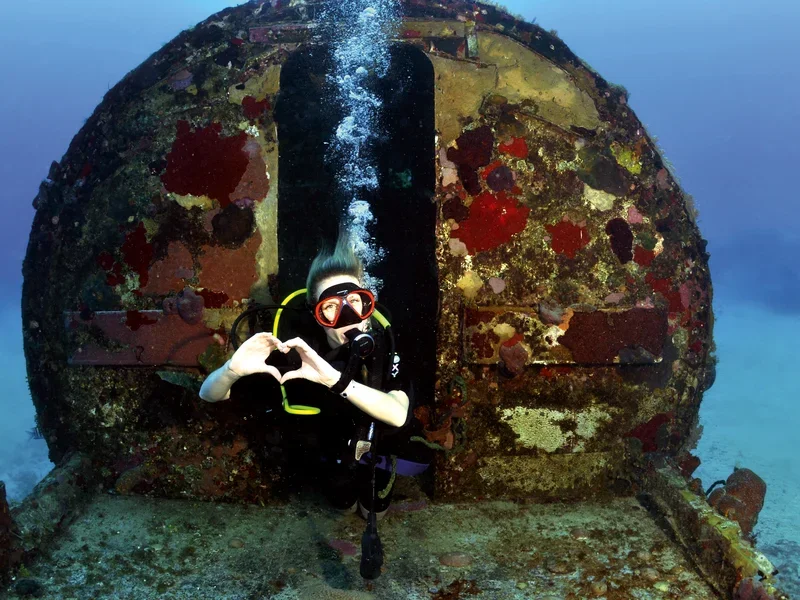
FSFA Reef Site #2 stands as a testament to Florida's ongoing commitment to marine conservation, forming a vital part of its extensive artificial reef network. Located among other similar sites, these artificial structures, often comprising concrete culverts and sunken barges, transform barren seafloors into vibrant underwater habitats.
These deployments significantly bolster biodiversity, creating essential living spaces for various reef fish and other marine organisms. While specific depths for FSFA Reef Site #2 are not consistently reported, artificial reefs in the region, such as those off Marco Island, commonly range from 9 to 11 meters (30 to 37 ft).
This depth range makes the site suitable for many certified divers. The construction of these reefs provides numerous nooks and crannies for exploration, drawing divers into an environment designed for ecological enrichment and discovery.
Conditions are Good
Optimal conditions expected
Current conditions near Fsfa Reef Site #2 show 28° air, 29° sea temperature, 1.0 m waves, and 26 km/h wind. Forecast data is refreshed regularly to ensure accuracy.
Best Time to Dive
Planning a dive to FSFA Reef Site #2 involves considering seasonal weather patterns for optimal comfort and underwater conditions. The months of May through July generally offer the most favorable diving experiences, with 'Good' dive scores reported during this period. Air temperatures during these prime months typically range from 25.5°C (78°F) in May to a peak of 28°C (82°F) in July, contributing to comfortable surface intervals. Wave heights during these months are also at their lowest, with July averaging around 0.8 meters (2.6 ft), indicating calmer seas and potentially better visibility. Rainfall is moderate, but clear days are frequent. Conversely, the period from October to February sees 'Moderate' dive scores, higher wave heights, and cooler air temperatures ranging from 19.5-26°C (67-79°F), which may present less ideal conditions for some divers.
PEAK SEASON SCORE
Scores combine air & water temps, waves, wind & rainfall for overall conditions.
BEST MONTHS TO DIVE
Monthly records compiled from satellite and marine observation nodes over the last 3 years. Data provided by Open-Meteo and MET Norway.
Dive Experience & Conditions
A descent onto FSFA Reef Site #2 often reveals a dynamic environment, influenced by local currents and the structured layout of the artificial reef itself. Visibility around these artificial structures typically averages around 4.5 meters (15 ft), but conditions can become significantly clearer during very calm weather periods, offering extended viewing opportunities. Water temperatures, while not specifically reported for this site, generally mirror the warm air prevalent in Florida, especially during summer. Local reefs are often bathed in clear, warm water from the nearby Gulf Stream. Divers can expect to navigate through concrete culverts and sections of sunken barges; these provide intricate pathways and overhangs to explore. Currents frequently run parallel to the shoreline, creating opportunities for drift diving and allowing divers to cover more ground with less effort.
Dive Difficulty & Safety Guidelines
Navigating FSFA Reef Site #2 requires divers to be mindful of its artificial structures and potential for varying conditions. As with any artificial reef, some materials may have shifted or degraded over time, necessitating careful buoyancy control to avoid contact. Divers should always plan their dive within their certification limits, especially when considering the maximum depth often found in these artificial reef complexes.
Local currents, which can be present, might make surface marker buoy deployment a practical safety measure. It's crucial for divers to conduct thorough pre-dive checks and maintain a vigilant awareness of their surroundings to mitigate any potential entanglement risks posed by the structures.
Regular verification of reef locations and conditions through local dive operators is always recommended, as artificial reef components can be subject to environmental changes.
Recommended Equipment
- Dive Computer
This gear list is based on verified equipment signals for Fsfa Reef Site #2, United States. Always confirm final gear choices with your dive operator, guide, or liveaboard.
Recommended Dive Suit
Current diving conditions indicate water temperatures around 29°C (84°F) at Fsfa Reef Site #2. Surface air temperatures are resting at 28°C (82°F).
Conditions are expected to stay fairly consistent in the days ahead.
Most divers would typically feel comfortable using 2-3mm shorty or light wetsuit in these conditions. Consider warmer surface protection (like a boat coat) due to brisk winds. Dive depth and duration can significantly affect perceived warmth. Stronger winds may also make surface intervals feel cooler than usual.
Due to technical issues with our weather providers, live updates are temporarily delayed. The data above reflects the conditions at the time of the last successful fetch.
Emergency & Medical Support
Essential information to help you plan your dive trip to FSFA Reef Site #2.

Hyperbaric chambers are a critical part of dive safety infrastructure. Availability varies significantly by region, and not all dive areas have immediate access.
Before diving, it's recommended to:
- confirm nearest medical facilities
- check emergency procedures with local dive operators
- ensure dive insurance covers evacuation if required
Divers Alert Network
Diving emergency assistance available through DAN World.
+1-919-684-9111- 24/7 emergency hotline
- Diving medical assistance
- Evacuation coordination
Emergency contacts are provided for reference. Always verify local emergency services before diving.
Marine Life at Fsfa Reef Site #2
The artificial structures of FSFA Reef Site #2 have become thriving havens for a diverse array of marine species, acting as critical habitat where natural reef is scarce. Divers frequently encounter impressive Goliath Groupers, which use the sunken debris as shelter and hunting grounds.
Snook are also common residents, often seen congregating around the various wreckage components. Beyond these larger species, the site fosters a vibrant community of smaller reef fish, adding to the site's overall biodiversity.
These structures provide vital nurseries and feeding areas, attracting a multitude of fin fish and crustaceans, transforming the reef into an active underwater city.

Dive Centers Near Fsfa Reef Site #2
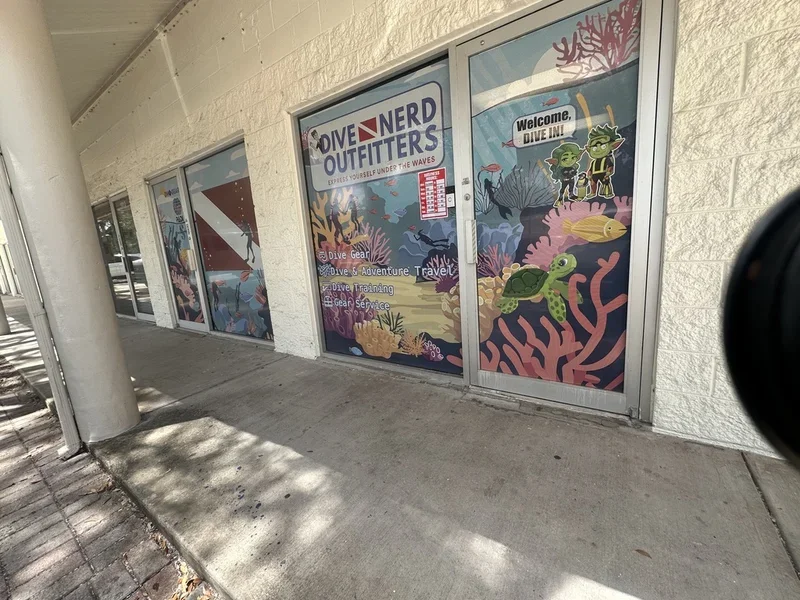
Today: 11:00 - 18:00
Nearest Airports
Nearest airports to help plan travel to this dive area.
Search Flights
Check available flights and routes on Expedia, using the nearby airports listed in this section.
Search Flights on ExpediaFrequently Asked Questions
What is the typical depth range for diving FSFA Reef Site #2?
While specific depths for FSFA Reef Site #2 are not consistently reported, artificial reefs in the same region commonly range from 9 to 11 meters (30 to 37 ft). Such depths ensure accessibility for most certified recreational divers.
What kind of structures will I find at FSFA Reef Site #2?
Part of Florida's artificial reef program, the site typically features large debris fields. Divers can expect to find concrete culverts and various sunken barges, which create intricate habitats for marine life.
What is the visibility like at FSFA Reef Site #2?
Visibility generally averages around 4.5 meters (15 ft). However, during very calm weather months, conditions can improve significantly, offering clearer and more expansive underwater views.
Is drift diving common at this site?
Currents often run parallel to the shoreline in this region. These conditions can create excellent opportunities for drift diving, allowing divers to cover a larger area of the reef system with minimal effort.
What marine life can I expect to see?
FSFA Reef Site #2 is known to attract species like Goliath Groupers and Snook, which utilize the artificial structures for shelter. You'll also encounter numerous other reef fish and various crustaceans thriving in this enhanced habitat.
When is the best time of year to dive FSFA Reef Site #2?
May through July are generally considered ideal months, offering favorable air temperatures, calmer seas, and higher 'Good' dive scores. Conditions during this period tend to enhance the overall diving experience.
Planning to dive Fsfa Reef Site #2?
Send one inquiry and receive offers directly from the best verified local dive operators.
Conditions are Good
Optimal conditions expected
Current conditions near Fsfa Reef Site #2 show 28° air, 29° sea temperature, 1.0 m waves, and 26 km/h wind. Forecast data is refreshed regularly to ensure accuracy.