
Diving at Henderson Rocks (United States)
Henderson Rocks immediately presents itself as a distinctive underwater cliff system within Tygart Lake, accessible from the Pleasant Creek boat ramp. Just 6 m (20 ft) from shore, a vertical drop becomes apparent, starting in shallow water around 2.4 m (8 ft) deep. This freshwater site offers the appeal of exploring natural rock formations and artificial fish habitats. It's a place where divers can quickly reach depth, but visibility is often conditional.
Recent updates for Henderson Rocks show an air temperature measuring 21°C. Overall water conditions reflect the typical seasonal state for United States. Please exercise standard safety precautions before entering the water.
Dive Site Location & Key Facts
Dive Site Overview
Henderson Rocks provides an intriguing freshwater dive experience, centered around a pronounced underwater cliff system. Divers typically enter from the Pleasant Creek boat ramp, wading out before encountering the dramatic vertical drop.
This initial drop begins only about 6 m (20 ft) offshore, in approximately 2.4 m (8 ft) of water, creating an immediate sense of exploration. Beyond this vertical wall, divers can discover various undercuts and natural swim-throughs, adding complexity to the topography. Christmas trees, deployed as artificial fish reefs, are also found here, enhancing the marine environment.
While the immediate cliff system has a reported maximum depth around 6 m (22 ft) at the point of a distinct drop-off, the broader Tygart Lake reaches depths exceeding 36 m (120 ft), suggesting potential for deeper exploration away from the immediate shore, although conditions can vary significantly at greater depths. Visibility can be a defining factor, often reduced after heavy rains.
The site is tagged as a lake dive, emphasizing its unique freshwater ecosystem and geological characteristics.
Conditions are Good
07:00 - 14:00
Optimal conditions expected
Current conditions near Henderson Rocks show 21° air, --° sea temperature, N/A waves, and 13 km/h wind. Forecast data is refreshed regularly to ensure accuracy.
Best Time to Dive
Considering comfort and general conditions, Henderson Rocks generally earns a "Good" dive score for much of the year. Air temperatures are mildest from June through September, averaging 21°C (70°F) to 19°C (66°F), making surface intervals more pleasant. Rainfall is relatively consistent but low overall, with May seeing the highest average at 5.39mm, while October is driest with 2.15mm. Divers should note that heavy rains can significantly impact underwater visibility due to runoff. For colder months, from December to February, air temperatures drop considerably, ranging from 3°C (37°F) to -2°C (36°F), suggesting specialized dry suit diving might be more appropriate. Wind speeds are generally moderate throughout the year, with a slight increase in spring and winter months. Planning dives during periods of lower recent rainfall will likely yield better clarity.
PEAK SEASON SCORE
Scores combine air & water temps, waves, wind & rainfall for overall conditions.
BEST MONTHS TO DIVE
Monthly records compiled from satellite and marine observation nodes over the last 3 years. Data provided by Open-Meteo and MET Norway.
Dive Experience & Conditions
Underwater conditions at Henderson Rocks are highly dynamic, primarily influenced by recent weather. Following heavy rains, visibility frequently drops to poor levels, attributed to a creek feeding into Tygart Lake. Divers should be prepared for varying clarity, with reports of visibility reducing to zero around 15 m (50 ft) during some dives. Despite this, the site provides a distinct freshwater environment characterized by a prominent underwater cliff system. Entry is versatile, either from shore via the Pleasant Creek boat ramp or by boat. For shore entries, divers wade out approximately 6 m (20 ft) to reach the vertical drop-off, which starts in about 2.4 m (8 ft) of water. The maximum reported recreational depth for the immediate cliff system is around 6 m (22 ft), though the lake itself is considerably deeper, implying deeper technical diving is possible with appropriate training and planning.
Dive Difficulty & Safety Guidelines
Diving at Henderson Rocks requires an awareness of its unique freshwater challenges and varying conditions. Given that visibility can degrade significantly, especially after heavy rains, divers should possess strong buoyancy control and navigation skills. Self-reliant diving training or diving with an experienced buddy is highly advisable here, particularly if venturing beyond familiar zones or into areas with reduced visibility.
When utilizing boat ramps for entry, divers must remain vigilant for boat traffic, swimming clear of active lanes. For those choosing to access the lake via trails, be aware that some paths involve steep hills.
Consider specific training like PADI Advanced Open Water, Self-Reliant Diver, or Underwater Navigator to enhance safety and enjoyment in these variable environments.
Recommended Equipment
- Dive Computer
This gear list is based on verified equipment signals for Henderson Rocks, United States. Always confirm final gear choices with your dive operator, guide, or liveaboard.
Recommended Dive Suit
Forecast confidence is somewhat lower, with potential for varied conditions ahead.
Based on regional estimates and current weather, the likely required exposure protection is a 3-5mm wetsuit. Note that local currents and upwellings can alter this. Surface intervals may feel cooler.
Because recent water temperature readings are not available for Henderson Rocks, the guidance below is based mainly on current air conditions and seasonal expectations. Current surface air temperatures are roughly 21°C (70°F).
Emergency & Medical Support
Essential information to help you plan your dive trip to Henderson Rocks.

Hyperbaric chambers are a critical part of dive safety infrastructure. Availability varies significantly by region, and not all dive areas have immediate access.
Before diving, it's recommended to:
- confirm nearest medical facilities
- check emergency procedures with local dive operators
- ensure dive insurance covers evacuation if required
Divers Alert Network
Diving emergency assistance available through DAN World.
+1-919-684-9111- 24/7 emergency hotline
- Diving medical assistance
- Evacuation coordination
Emergency contacts are provided for reference. Always verify local emergency services before diving.
Marine Life at Henderson Rocks
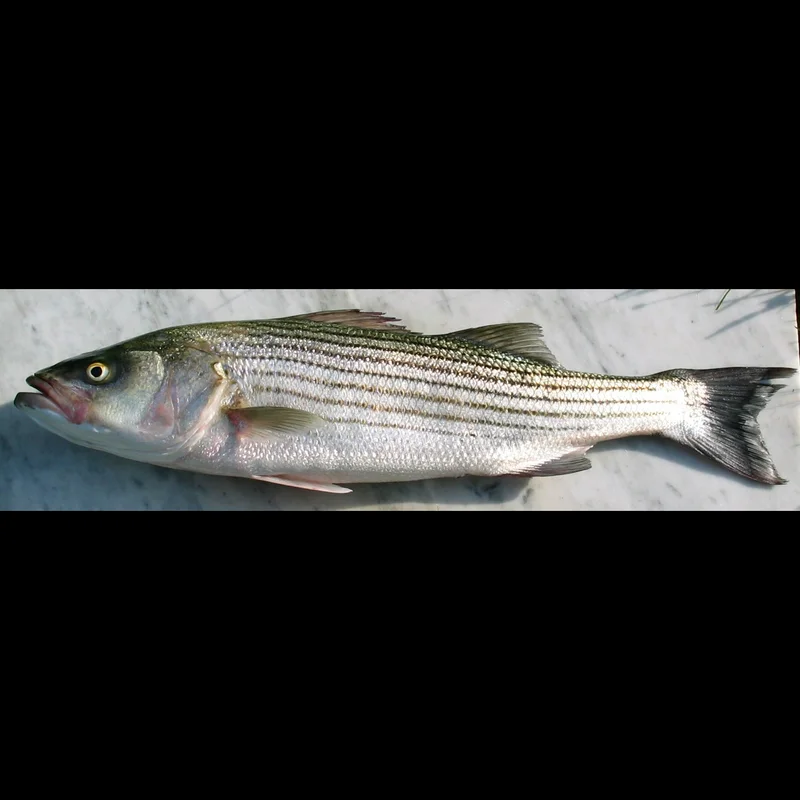
The underwater landscape at Henderson Rocks, enhanced by artificial reefs like submerged Christmas trees, supports a variety of freshwater species. Divers commonly encounter Small Mouth Bass, Bluegill, and Large Mouth Bass, often congregating around the rocky structures and undercuts.
Crappie and Catfish are also present, often seeking shelter within the crevices of the underwater cliffs. Occasional sightings include freshwater Turtles and Jelly Fish, moving through the quieter sections of the lake.
Walleye, a prized game fish, are another potential highlight, typically found closer to the bottom or within cooler waters. The dive reveals a modest yet active freshwater ecosystem.

Dive Centers Near Henderson Rocks
No Dive Centers Local To Henderson Rocks
Are you a dive center visiting this location? Get listed to reach divers.
Nearest Airports
Nearest airports to help plan travel to this dive area.
Search Flights
Check available flights and routes on Expedia, using the nearby airports listed in this section.
Search Flights on Expedia
Plan Your Stay
Looking for a place to stay for your dive trip? Explore hotels, stays, and vacation rentals for dive groups near Grafton.
Dive Navigator may earn a commission from these links at no extra cost to you.
Frequently Asked Questions
What type of dive is Henderson Rocks?
Henderson Rocks is a lake dive, offering freshwater conditions. It's characterized by an underwater cliff system and artificial reefs designed to attract aquatic life. Entry is possible from both shore and by boat.
What are the entry options for Henderson Rocks?
You can enter Henderson Rocks from shore at the Pleasant Creek boat ramp. There's also a swimming area in the state park, though it's not consistently reported as open. Boat entry is another viable option for accessing the site.
How deep is Henderson Rocks?
The immediate cliff system at Henderson Rocks features a vertical drop that starts in about 2.4 m (8 ft) of water. The reported maximum recreational depth for the immediate site is around 6 m (22 ft), but Tygart Lake itself is much deeper, exceeding 36 m (120 ft) in other areas.
What is the typical visibility at Henderson Rocks?
Visibility at Henderson Rocks can vary greatly, often becoming poor after heavy rains due to runoff from a feeding creek. Divers have reported conditions ranging from decent to near zero visibility at depths around 15 m (50 ft).
What marine life can I expect to see?
The site supports various freshwater species. Common sightings include Small Mouth Bass, Bluegill, Crappie, Catfish, and Large Mouth Bass. You might also encounter Turtles, Jelly Fish, and Walleye near the rocky structures and artificial reefs.
When is the best time to dive Henderson Rocks?
The summer months, particularly June through September, offer the most comfortable air temperatures for diving. Dive conditions are generally rated "Good" throughout most of the year, but clarity is best during periods of lower recent rainfall.
Are there any specific hazards to be aware of?
The primary hazards include potentially low visibility, especially after heavy rains, and the need to be aware of boat traffic if entering near boat ramps. Some access trails to the lake may also involve steep terrain.
Planning to dive Henderson Rocks?
Send one inquiry and receive offers directly from the best verified local dive operators.
Conditions are Good
07:00 - 14:00
Optimal conditions expected
Current conditions near Henderson Rocks show 21° air, --° sea temperature, N/A waves, and 13 km/h wind. Forecast data is refreshed regularly to ensure accuracy.