
Diving at Intruder Reef (United States)
Intruder Reef, near Melbourne, Florida, holds significance within local reef monitoring efforts, as indicated by regional surveys focusing on nearby reef sites. This underwater structure contributes to the broader network of marine habitats along the Florida coast, providing a critical area for ecological study and recreational diving. It's a key part of the region's underwater landscape.
Current morning readings from Intruder Reef indicate an air temperature of 29°C. Surface wave heights are averaging around 1.4 m at this time. These local measurements provide a baseline for your daily dive planning.
Dive Site Location & Key Facts
Dive Site Overview
Intruder Reef encompasses a series of submerged formations, varying from natural ledges to some artificial structures. These elements collectively form a diverse habitat, providing refuge and feeding grounds for local marine species.
Depths typically allow for recreational diving, with exploration often focusing on the shallower, more vibrant sections before gradually descending into the deeper reaches. While maximum depths aren't consistently detailed, divers can generally expect conditions within typical no-decompression limits. It's a site influenced significantly by oceanographic dynamics.
Currents here are frequently moderate, shaped by the Atlantic's ebb and flow and local tidal patterns. These conditions can present a dynamic drift diving experience for those with good buoyancy control and navigation skills, but they also demand constant awareness.
Visibility generally holds strong, often reported between 10-20 m (30-65 ft). However, transient plankton blooms, recent heavy rainfall, or sustained wave action can temporarily reduce clarity.
Divers should be prepared for varying conditions across different dives. This variability in conditions adds to the adventure. Exploring Intruder Reef reveals a resilient ecosystem.
Divers can anticipate encountering a developing reef environment, where the structure itself is a key element in supporting the local biodiversity. The site's dynamic nature means no two dives are exactly alike; each visit offers a fresh perspective on its subtle changes. Careful observation is rewarded with discoveries among its nooks and crannies.
Conditions are Good
07:00 - 14:00
Optimal conditions expected
Current conditions near Intruder Reef show 29° air, 28° sea temperature, 0.9 m waves, and 21 km/h wind. Forecast data is refreshed regularly to ensure accuracy.
Best Time to Dive
Planning a dive at Intruder Reef is best during the warmer, calmer months when surface conditions are more favorable. May through August consistently report 'Good' dive scores, with May and July offering the highest ratings. Air temperatures during these months range from 24-28°C (75-82°F), making surface intervals comfortable. Wave heights during this peak season are typically lower, averaging under 1 meter (3 feet), contrasting sharply with the moderate to high waves seen in the fall and winter months. Rain showers are more prevalent in late summer, particularly in August and September, which might temporarily affect surface conditions; however, these are often brief. Visiting outside these optimal months, such as October through April, often means encountering higher winds and larger waves, which can reduce visibility and increase dive difficulty.
PEAK SEASON SCORE
Scores combine air & water temps, waves, wind & rainfall for overall conditions.
BEST MONTHS TO DIVE
Monthly records compiled from satellite and marine observation nodes over the last 3 years. Data provided by Open-Meteo and MET Norway.
Dive Experience & Conditions
The site's depth profile accommodates a range of recreational dive levels, though specific maximum depths are not widely detailed. Divers should anticipate a diverse underwater terrain typical of coastal Florida reefs. Water temperatures are not consistently reported, but based on regional climate, they likely range from 22-27°C (72-81°F) during peak diving season, dropping to cooler temperatures in winter. Prevailing currents can vary, sometimes requiring advanced finning techniques or suggesting a drift dive approach. Conditions like wind speed and wave height can significantly influence the overall dive experience, with May, June, and July typically providing the calmest surface conditions. Divers should check local forecasts for current-specific data.
Dive Difficulty & Safety Guidelines
Diving here requires careful attention to prevailing sea conditions, as moderate to high waves (1-1.8 m / 3-6 ft) are reported frequently, particularly from September through April. Stronger currents can be present, necessitating good buoyancy control and navigation skills. Always plan your dive thoroughly and remain aware of your dive profile and air consumption, especially when exploring deeper sections.
Maintain a safe distance from any marine life and avoid touching or disturbing the reef structure. Dive with a buddy and carry appropriate safety equipment, including a surface marker buoy and an audible signaling device. Conditions can change rapidly; monitor weather reports before heading out.
Recommended Equipment
- Dive Computer
This gear list is based on verified equipment signals for Intruder Reef, United States. Always confirm final gear choices with your dive operator, guide, or liveaboard.
Recommended Dive Suit
Surface temperatures may decrease slightly later in the week. Cooler days are ahead; you might want a warmer option for later in the week. A hood or vest can noticeably improve warmth during longer dives.
Many experienced divers would consider 2-3mm shorty or light wetsuit an appropriate choice here. Consider warmer surface protection (like a boat coat) due to brisk winds.
Recent environmental data from Intruder Reef indicates water temperatures near 28°C (82°F). Surface air temperatures are resting at 29°C (85°F).
Due to technical issues with our weather providers, live updates are temporarily delayed. The data above reflects the conditions at the time of the last successful fetch.
Emergency & Medical Support
Essential information to help you plan your dive trip to Intruder Reef.

Hyperbaric chambers are a critical part of dive safety infrastructure. Availability varies significantly by region, and not all dive areas have immediate access.
Before diving, it's recommended to:
- confirm nearest medical facilities
- check emergency procedures with local dive operators
- ensure dive insurance covers evacuation if required
Divers Alert Network
Diving emergency assistance available through DAN World.
+1-919-684-9111- 24/7 emergency hotline
- Diving medical assistance
- Evacuation coordination
Emergency contacts are provided for reference. Always verify local emergency services before diving.
Marine Life at Intruder Reef
Observing the marine inhabitants at Intruder Reef offers glimpses into a dynamic coastal ecosystem. This reef supports a community of species common to Florida's Atlantic waters, providing habitats for various fish.
Encounters often include different schooling fish species moving across the reef structure. The reef also hosts a range of invertebrates, blending into the hard and soft coral formations.
Patience and careful observation frequently reveal smaller, more cryptic creatures sheltering within the reef crevices. Each dive reveals different aspects of the local marine biodiversity.
Dive Centers Near Intruder Reef
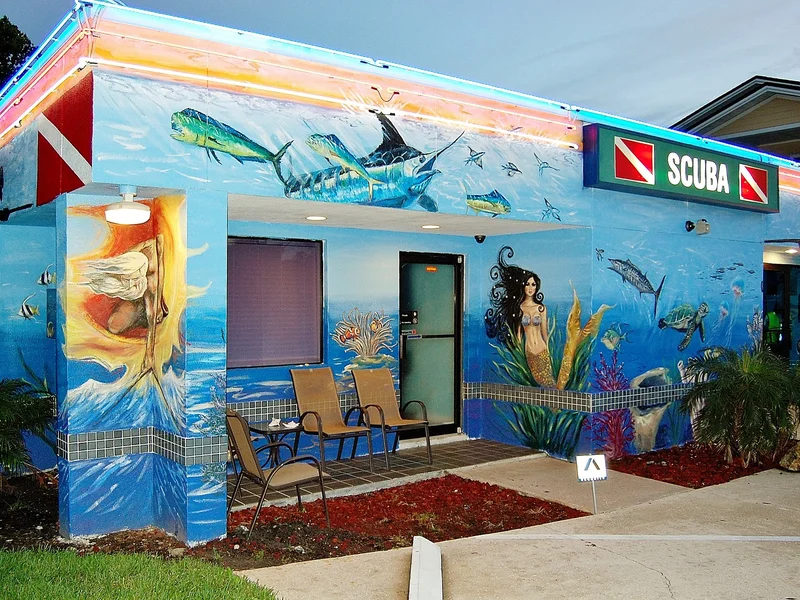
Today: 10:00 - 17:00
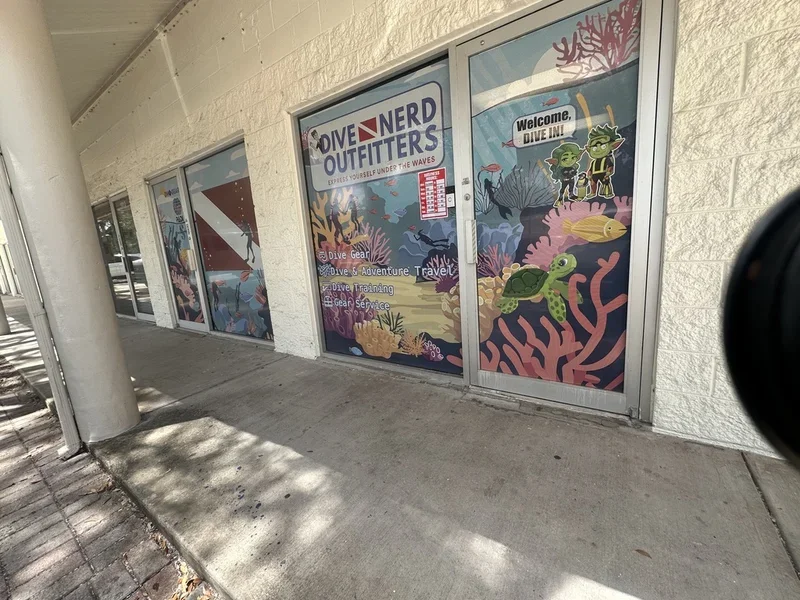
Nearest Airports
Nearest airports to help plan travel to this dive area.
Search Flights
Check available flights and routes on Expedia, using the nearby airports listed in this section.
Search Flights on ExpediaFrequently Asked Questions
What is the typical visibility at Intruder Reef?
Visibility at Intruder Reef typically ranges from 10-20 m (30-65 ft). However, this can fluctuate based on seasonal plankton blooms, recent rainfall, and sediment stirred up by strong currents or wave action.
Are there strong currents at Intruder Reef?
Currents at Intruder Reef can be moderate, and their strength often varies with tides and regional weather patterns. Divers should be prepared for potential drift diving conditions and possess good buoyancy control.
What kind of marine life can I expect to see?
Intruder Reef supports a diverse array of coastal marine life. You can expect to encounter various reef fish, different invertebrate species, and possibly some larger pelagics moving through the area, although specific species are not consistently reported.
What are the water temperatures like?
Specific water temperatures for Intruder Reef are not consistently reported. However, based on regional climate averages, expect temperatures to be warmer in summer (potentially 22-27°C / 72-81°F) and cooler during the winter months.
Is Intruder Reef suitable for beginner divers?
The site can be suitable for beginner divers in very calm conditions, but the potential for moderate currents and waves means it's often better suited for divers with some experience, especially during less favorable times of the year. Always assess conditions before entering the water.
What safety precautions should I take when diving here?
Always dive with a buddy, carry a surface marker buoy, and an audible signaling device. Pay close attention to current strength, monitor your air and depth, and avoid touching the reef. Check local marine forecasts for wave heights and wind speeds.
Planning to dive Intruder Reef?
Send one inquiry and receive offers directly from the best verified local dive operators.
Conditions are Good
07:00 - 14:00
Optimal conditions expected
Current conditions near Intruder Reef show 29° air, 28° sea temperature, 0.9 m waves, and 21 km/h wind. Forecast data is refreshed regularly to ensure accuracy.