
Diving at Lime Lake (United States)
An unusual inland dive experience unfolds in Lime Lake, Spring Arbor, Michigan. Formed by early 20th-century marl mining, its depths reveal a fascinating "underwater city" of pillars, mountains, and spires. This distinctive landscape, a byproduct of industrial excavation, provides a noteworthy site for divers. Many describe its unique character as akin to a coral reef, albeit without the actual coral.
At Lime Lake, the ambient air temperature is currently recorded at 16°C. This dive site in United States is operating under normal seasonal weather patterns. Familiarize yourself with the local topography prior to navigating.
Dive Site Location & Key Facts
Dive Site Overview
Drawing clubs from across south-central Michigan, Lime Lake has become a favored spot for novice and seasoned divers. Its unique formation history, stemming from marlstone harvesting that ceased in 1929, created bizarre underwater formations.
Divers navigate around these man-made pillars and spires, remnants of where quarrying cranes missed spots, enjoying a distinctive geological and historical experience. Exploration offers a chance to observe the lasting impact of industrial excavation. Convenient access arrives via the Falling Waters Trail, an old railroad bed now repurposed for public use and well-maintained.
Most diving occurs in the lake's central portion, directly adjacent to the trail's edge, simplifying entry and exit. Depths typically reach 9-10 m / 30-32 ft, suitable for a wide range of certified divers.
Visibility generally holds well for a freshwater site, maintaining relative clarity without extensive weed growth in excavated areas, which sets it apart from many regional lakes. Invasive Zebra mussels are present, impacting the local ecosystem.
Conditions are Moderate
Optimal conditions expected
Current conditions near Lime Lake show 16° air, --° sea temperature, N/A waves, and 18 km/h wind. Forecast data is refreshed regularly to ensure accuracy.
Best Time to Dive
Diving at Lime Lake offers rewards throughout the year, though specific seasonal considerations enhance diver comfort. Warmer months, from May through September, typically present the most pleasant surface conditions for gear setup and post-dive activities. Average air temperatures during this period range from 15-22°C / 59-72°F. Wind speeds are generally lower then, and rain averages around 2-3 mm, contributing to good dive scores. Cooler months, particularly February, show an 'Excellent' dive score despite significantly colder air temperatures averaging -2°C / 36°F, suggesting well-prepared cold-water or ice diving is highly regarded. Divers should consult current conditions, as water temperatures are not consistently reported and vary seasonally.
PEAK SEASON SCORE
Scores combine air & water temps, waves, wind & rainfall for overall conditions.
BEST MONTHS TO DIVE
Monthly records compiled from satellite and marine observation nodes over the last 3 years. Data provided by Open-Meteo and MET Norway.
Dive Experience & Conditions
Descending into Lime Lake, divers immediately encounter the distinct drop-off along the edge of the Falling Waters Trail. Underwater topography quickly transitions into a captivating scene of marl formations—pillars, mounds, and spires—evoking a sensation of swimming through a miniature Grand Canyon. Most divers prepare gear in the nearby parking area, then walk a short distance along the trail to the marked entry point. Clear conditions for a freshwater site allow for good viewing of these structural oddities. Divers can navigate around these structures, often following a compass course for training, knowing that heading due north leads back to the trail. Maximum depth is about 9-10 m / 30-32 ft.
Dive Difficulty & Safety Guidelines
Diving at Lime Lake requires adherence to standard safety practices, including the mandatory display of dive flags to mark your location. While navigating the underwater formations, divers should remain aware of their surroundings, particularly due to the presence of snapping turtles in the lake. It's crucial to leave all historical objects and natural formations intact, respecting the unique underwater environment, while responsibly removing any modern-day trash encountered.
Given the site's popularity for compass training, practicing navigation skills here can enhance safety and exploration.
Recommended Equipment
- Dive Computer
- Hard-soled Dive Boots
This gear list is based on verified equipment signals for Lime Lake, United States. Always confirm final gear choices with your dive operator, guide, or liveaboard.
Recommended Dive Suit
With water temperatures around 16°C (61°F), many divers find a a 5mm or thicker wetsuit provides comfortable protection.
Local dive briefings can provide the most accurate guidance.
Weather patterns are currently shifting, so expect some variability in conditions. Cooler days are ahead; you might want a warmer option for later in the week. A warmer option can provide additional comfort if conditions shift.
Emergency & Medical Support
Essential information to help you plan your dive trip to Lime lake.

Hyperbaric chambers are a critical part of dive safety infrastructure. Availability varies significantly by region, and not all dive areas have immediate access.
Before diving, it's recommended to:
- confirm nearest medical facilities
- check emergency procedures with local dive operators
- ensure dive insurance covers evacuation if required
Divers Alert Network
Diving emergency assistance available through DAN World.
+1-919-684-9111- 24/7 emergency hotline
- Diving medical assistance
- Evacuation coordination
Emergency contacts are provided for reference. Always verify local emergency services before diving.
Marine Life at Lime Lake
The distinctive underwater landscape provides a compelling habitat for various aquatic creatures. Divers frequently observe snapping turtles, which are a notable and often encountered presence throughout the lake.
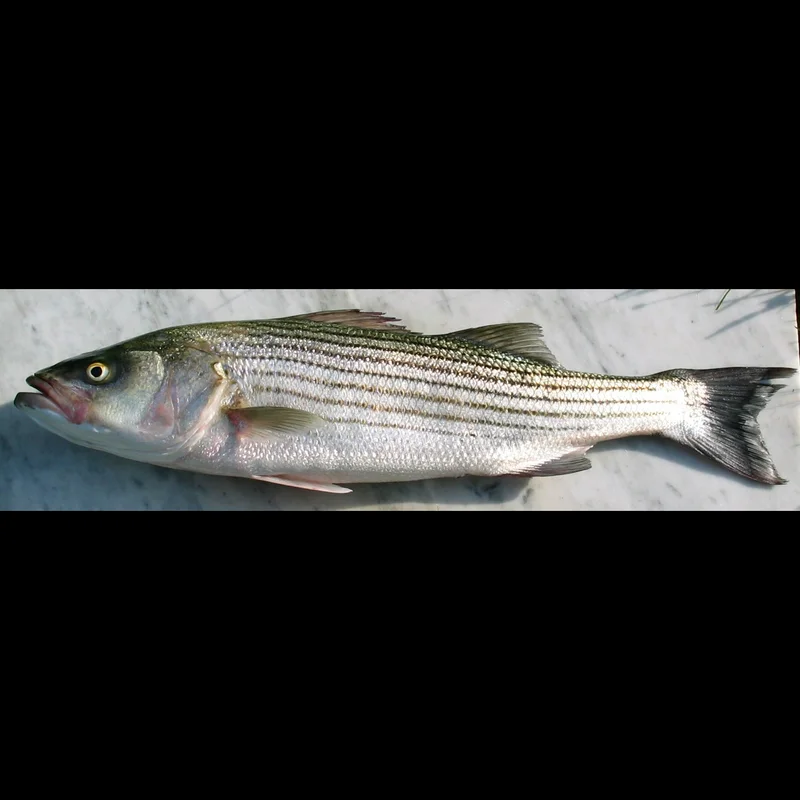
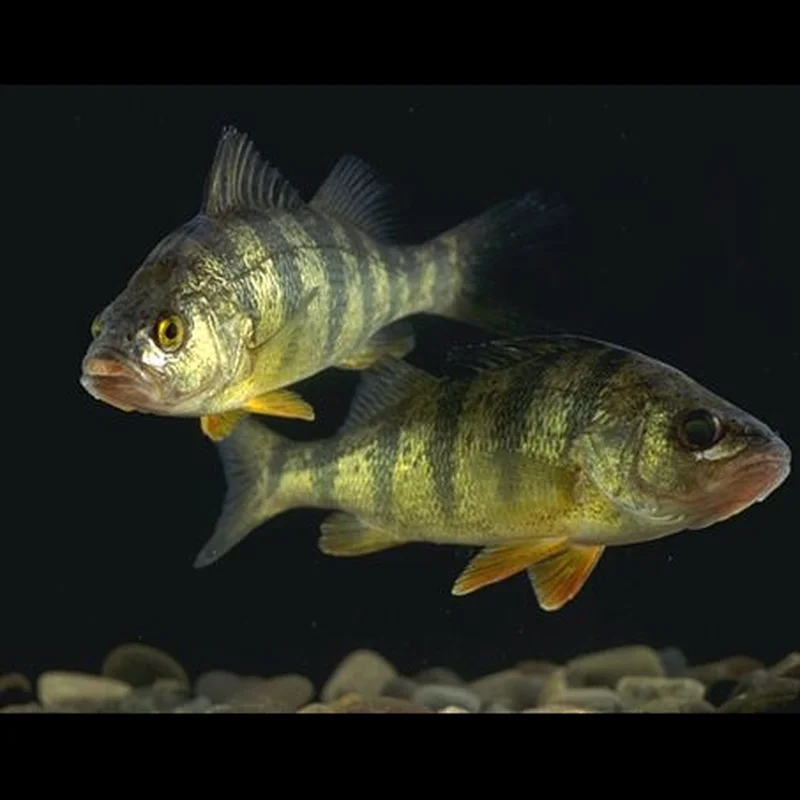
Schools of fish, including bass, bluegill, crappie, perch, and sunfish, are commonly seen navigating among the marl pillars and spires, utilizing these structures for shelter and foraging. While the primary excavated areas typically lack extensive natural weed growth, the lake's ecosystem also includes invasive Zebra mussels, which have become a consistent part of its benthic community, populating various submerged surfaces.

Dive Centers Near Lime Lake
Nearest Airports
Nearest airports to help plan travel to this dive area.
Search Flights
Check available flights and routes on Expedia, using the nearby airports listed in this section.
Search Flights on Expedia
Plan Your Stay
Looking for a place to stay for your dive trip? Explore hotels, stays, and vacation rentals for dive groups near Spring Arbor.
Dive Navigator may earn a commission from these links at no extra cost to you.
Frequently Asked Questions
What is unique about diving in Lime Lake?
Lime Lake provides an unusual inland dive experience, characterized by an "underwater city" of marl pillars, mountains, and spires. Formations are remnants from early 20th-century marl mining operations, creating a landscape that feels like swimming through a submerged Grand Canyon.
What is the maximum depth for diving in Lime Lake?
The lake was originally dug to a depth of about 30 feet. The deepest spots reported by divers typically reach around 9-10 meters (30-32 feet).
Is there a train engine at the bottom of Lime Lake?
Contrary to some urban legends, there is no train engine at the bottom of Lime Lake. The entire lake was formed from marl excavation, not by a train accident.
How do divers access the dive site?
Divers typically access the dive site via a small parking area near the north fishing lake. From there, it's a short walk along a path to the Falling Waters Trail, then east to the designated launch point marked by dive flags.
What kind of marine life can be seen?
Divers can expect to see snapping turtles, which are known residents. Various fish species like bass, bluegill, crappie, perch, and sunfish are also commonly observed. Invasive Zebra mussels are present in the lake's ecosystem.
What are the water conditions like for diving?
Lime Lake is noted for keeping its visibility quite well, especially compared to typical lakes, partly due to the marl excavation reducing extensive weed growth in dive areas. Water temperatures are not consistently reported, so divers should be prepared for typical lake conditions in the Midwest, which can vary significantly by season.
Are there any specific hazards to be aware of?
Divers should be aware of snapping turtles, which inhabit the lake. As with any dive site, always carry and display a dive flag to mark your location and be mindful of your surroundings.
Planning to dive Lime Lake?
Send one inquiry and receive offers directly from the best verified local dive operators.
Conditions are Moderate
Optimal conditions expected
Current conditions near Lime Lake show 16° air, --° sea temperature, N/A waves, and 18 km/h wind. Forecast data is refreshed regularly to ensure accuracy.