
Diving at M-4 Site (United States)
Preparing for a descent into various US dive sites often means planning for a diverse underwater experience, whether exploring vibrant coral gardens or historical shipwrecks. Divers will encounter a range of environments, from shallow reef systems suitable for beginners to deeper wrecks requiring advanced certifications and specialized gas mixes. Each dive promises a distinct journey through varying underwater landscapes, shaped by natural geology and historical artifacts.
Tonight's objective overview for M-4 Site shows an air temperature of 29.5°C. The measured surface conditions include wave heights around 0.5 m. This environmental data is logged for the close of the day.
Dive Site Location & Key Facts
Dive Site Overview
Exploring US dive sites presents a remarkable spectrum of underwater topography, ranging from the colorful corals of the Florida Keys to the unique geological formations of inland quarries and lakes. Key Largo, for instance, showcases some of the most beautiful and healthy corals in the Keys, often accompanied by extensive schools of fish.
Beyond the natural reefs, numerous wrecks offer historical intrigue, with some like the SS City of Washington lying at a modest depth of approximately 8 meters (26 ft), accessible to divers of all levels. Other sites, like the USS Spiegel Grove, plunge to depths of 20-40 m (66-131 ft), requiring advanced experience and often Nitrox for safe exploration.
Inland, sites such as Pennyroyal Dive Center feature rock quarries with attractions like a sunken fire truck and a yacht wreck.
In contrast, Bull Shoals Lake offers diverse structures, including underwater forests and caverns. The US underwater landscape provides a rich tapestry of natural and artificial attractions, ensuring varied experiences for every certified diver.
Conditions are Good
Optimal conditions expected
Current conditions near M-4 Site show 30° air, 31° sea temperature, 0.3 m waves, and 28 km/h wind. Forecast data is refreshed regularly to ensure accuracy.
Best Time to Dive
Deciding the optimal time to dive across the United States depends heavily on regional conditions, though general patterns can be observed. Climate data for some regions indicates air temperatures are most pleasant from May through September, with July averaging 28.5°C (83°F). During this peak period, wave heights tend to be lower, generally around 0.4-0.6 meters (1.3-2 ft), and wind speeds are typically less intense, around 22-26 km/h (14-16 mph). While specific water temperatures are not consistently reported in all areas, these months generally offer more favorable surface conditions for boat excursions and comfortable diving. Conversely, winter months see air temperatures drop significantly, for instance, to 16°C (61°F) in January, accompanied by higher waves averaging around 0.9 meters (3 ft) and stronger winds, which can limit access and comfort. Therefore, for reliably good diving scores and calmer conditions, the summer and early fall seasons are generally preferred.
PEAK SEASON SCORE
Scores combine air & water temps, waves, wind & rainfall for overall conditions.
BEST MONTHS TO DIVE
Monthly records compiled from satellite and marine observation nodes over the last 3 years. Data provided by Open-Meteo and MET Norway.
Dive Experience & Conditions
Divers exploring sites across the US can expect a wide array of conditions and experiences, catering to various skill levels. Some sites, particularly within the Florida Keys, are highly recommended for beginners due to shallower depths and generally manageable conditions. However, advanced divers will find plenty to challenge them, especially at deeper wreck sites like the USCG Bibb, which often experiences strong currents, sometimes making dives impossible. Currents vary significantly by site; the SS City of Washington experiences light to medium flow, while the USS Spiegel Grove can present light to strong currents, necessitating careful planning and potentially requiring descent along a fixed line. Visibility also fluctuates, with some inland quarries known for unusually clear waters. While water temperatures are not consistently reported for all locations, air temperatures range from 16°C (61°F) in January to 29°C (84°F) in August, suggesting varying thermal protection needs.
Dive Difficulty & Safety Guidelines
Safety at US dive sites often involves careful consideration of local conditions, particularly currents. Strong currents are a frequently reported challenge, especially at deeper wreck sites like the USS Spiegel Grove and the USCG Bibb, where they can make safe diving difficult or impossible. Descending along a rope is sometimes recommended at these sites; divers should also be aware that gloves may be advisable due to potential contact with shells and fish hooks.
For those exploring deeper wrecks, like the USCG Duane which lies at 21-37 m (69-121 ft), Nitrox is often recommended to extend bottom time and enhance safety. It's important to note that many dive centers offer Nitrox for an additional charge.
Always ensure thorough briefings are received, and be prepared to adapt plans if conditions prove unsuitably challenging for a safe dive.
Recommended Equipment
- Dive Computer
This gear list is based on verified equipment signals for M-4 Site, United States. Always confirm final gear choices with your dive operator, guide, or liveaboard.
Recommended Dive Suit
Repeated dives during the same day can gradually reduce overall body warmth.
The water around M-4 Site is currently holding at approximately 31°C (88°F), setting the tone for today's dives. Surface air temperatures are resting at 30°C (85°F). Divers spending extended time underwater often rely on dive skin or rash guard for balanced warmth and flexibility. Consider warmer surface protection (like a boat coat) due to brisk winds.
A modest cooling trend is expected in the upcoming forecast. Cooler days are ahead; you might want a warmer option for later in the week. A thicker wetsuit may be worth considering for extended dives.
Due to technical issues with our weather providers, live updates are temporarily delayed. The data above reflects the conditions at the time of the last successful fetch.
Emergency & Medical Support
Essential information to help you plan your dive trip to M-4 Site.

Hyperbaric chambers are a critical part of dive safety infrastructure. Availability varies significantly by region, and not all dive areas have immediate access.
Before diving, it's recommended to:
- confirm nearest medical facilities
- check emergency procedures with local dive operators
- ensure dive insurance covers evacuation if required
Divers Alert Network
Diving emergency assistance available through DAN World.
+1-919-684-9111- 24/7 emergency hotline
- Diving medical assistance
- Evacuation coordination
Emergency contacts are provided for reference. Always verify local emergency services before diving.
Marine Life at M-4 Site
The vibrant underwater ecosystems of the US offer a rich tapestry of marine life, though specific sightings vary by location. Key Largo, in particular, is noted for its colorful corals and large schools of fish, creating dynamic and visually engaging dives.
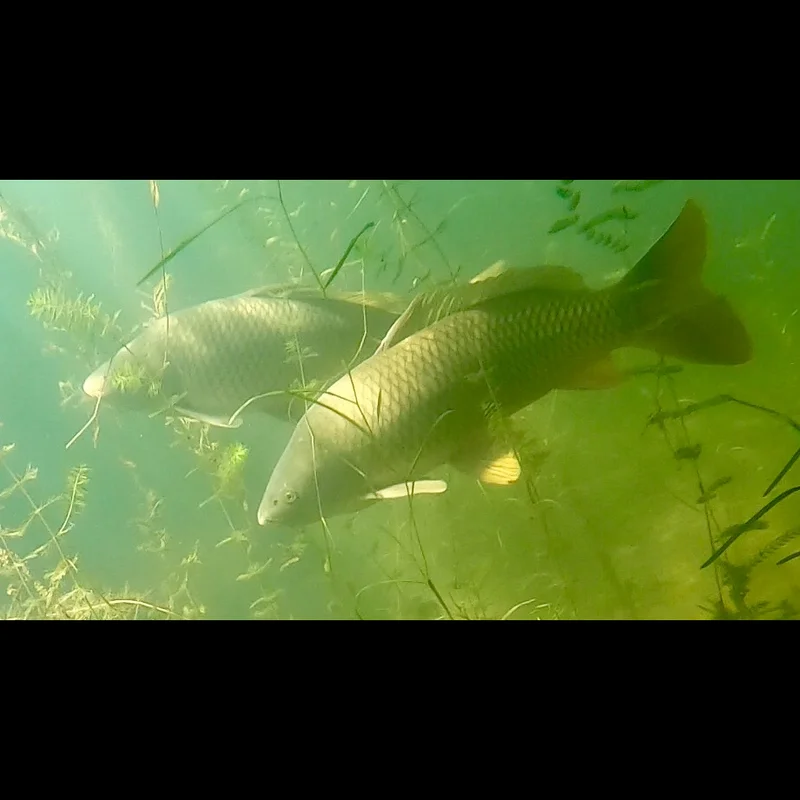
Divers exploring the USCG Duane wreck might encounter bull sharks, which are frequent guests at this deeper site. Inland freshwater dive sites, such as Bull Shoals Lake, host a different array of aquatic creatures including walleye, crappie, catfish, gar, carp, and drum.
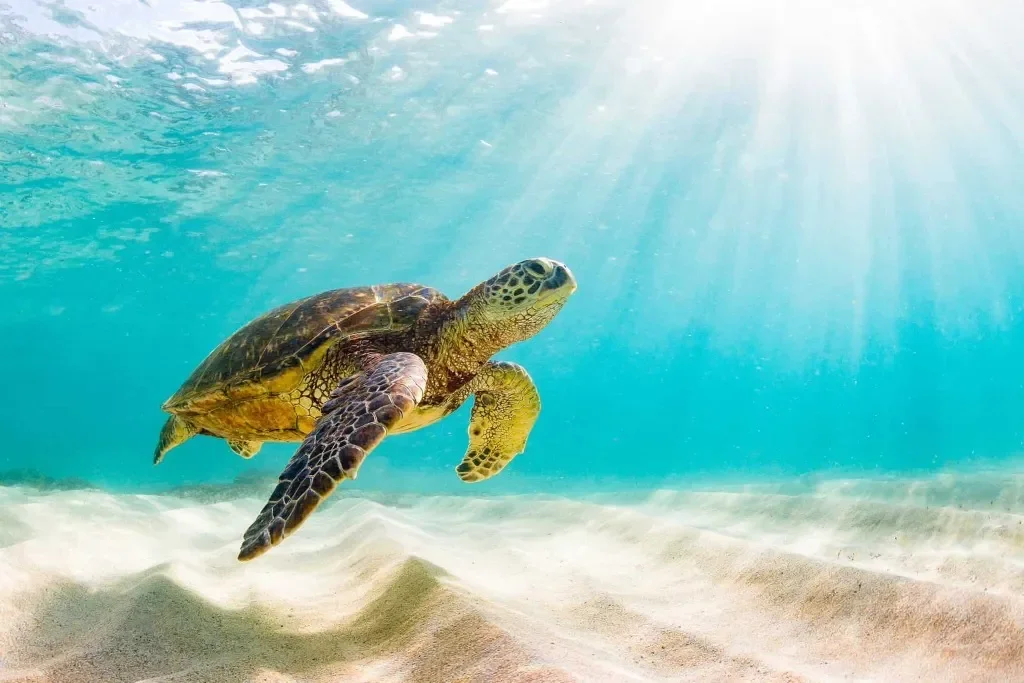
While not universally present, the opportunity to observe green turtles exists in certain coastal areas, adding a serene element to many dives. The variety of environments ensures diverse encounters, from reef inhabitants to freshwater species and larger pelagics.

Dive Centers Near M-4 Site
Today: 09:00 - 18:00
Nearest Airports
Nearest airports to help plan travel to this dive area.
Search Flights
Check available flights and routes on Expedia, using the nearby airports listed in this section.
Search Flights on Expedia
Plan Your Stay
Looking for a place to stay for your dive trip? Explore hotels, stays, and vacation rentals for dive groups near Siesta Key.
Dive Navigator may earn a commission from these links at no extra cost to you.
Frequently Asked Questions
What skill level is required for diving in the Florida Keys?
Dive sites in the Florida Keys are highly recommended for both beginners and advanced divers. Many dive shops offer multiple trips daily to various sites, catering to different experience levels.
Are there many wreck dives available?
Yes, the US, particularly the Florida Keys, offers several notable wreck dives. Sites like the USS Spiegel Grove, SS City of Washington, USCG Bibb, and USCG Duane provide diverse wreck exploration opportunities.
What are the typical water conditions in the Florida Keys?
While specific water temperatures are not consistently reported, the Keys are known for colorful corals. Currents can range from light to strong depending on the specific dive site and daily conditions.
Is Nitrox recommended for some dive sites?
Yes, Nitrox is recommended for deeper wrecks like the USS Spiegel Grove and USCG Duane, which lie at depths up to 40 m (131 ft). Most dive centers offer Nitrox for an additional fee.
What marine life can I expect to see?
Expect colorful corals and large schools of fish in the Florida Keys. Bull sharks are frequent guests at the USCG Duane wreck, and freshwater sites like Bull Shoals Lake host walleye, catfish, and carp.
How do I choose a dive center in the Florida Keys?
Dive centers vary; some, like Quiescece, focus on private trips, while larger operations like Rainbow Reef offer multiple boats, daily trips, and often include dive guides. Horizon Divers provides larger boats with shade.
What is the best time of year to dive in the US?
Generally, summer and early fall (May through September) offer the most favorable surface conditions, with warmer air temperatures, lower wave heights, and less wind, leading to higher dive scores.
Planning to dive M-4 Site?
Send one inquiry and receive offers directly from the best verified local dive operators.
Conditions are Good
Optimal conditions expected
Current conditions near M-4 Site show 30° air, 31° sea temperature, 0.3 m waves, and 28 km/h wind. Forecast data is refreshed regularly to ensure accuracy.