
Diving at Mohave (United States)
Visibility in Lake Mohave varies significantly with the seasons, offering different perspectives throughout the year. During cooler winter months, from October to April, divers often encounter clearer conditions, typically ranging from 6 to 15 m (20 to 50 ft). Warmer summer temperatures, however, can stimulate algae growth, which may reduce visibility to as little as less than 0.3 m (one foot) in certain areas, particularly during the May to September period.
Tonight's objective overview for Mohave shows an air temperature of 20°C. The measured surface conditions include wave heights around 0.2 m. This environmental data is logged for the close of the day.
Dive Site Location & Key Facts
Dive Site Overview
Exploring Lake Mohave beneath the surface offers a fresh water dive experience characterized by distinct conditions and diverse sites. Many areas feature typically slow, undetectable currents, allowing for relaxed buoyancy practice.
However, specific sections like Ringbolt Rapids present swiftly moving, turbulent water, reaching speeds up to 26 km/h (16 mph), making these spots suitable only for experienced divers. Divers can explore remnants of history, such as the Work Barge, a 38-foot tow barge that sank in 1946 during a spillway tunnel repair project; it's protected under the Antiquities Act. Cabinsite Point also provides opportunities to view two boat wrecks.
Most recreational dives typically remain within a maximum depth of 7 m (25 ft) in shallower coves, though deeper sections exist, especially in areas with stronger currents. Navigational and cove name maps are available at the Lake Mead Visitor Center and various marinas, aiding dive planning for this unique lake environment.
Conditions are Good
Optimal conditions expected
Current conditions near Mohave show 20° air, 20° sea temperature, 0.7 m waves, and 39 km/h wind. Forecast data is refreshed regularly to ensure accuracy.
Best Time to Dive
Planning a dive in Lake Mohave benefits from understanding its seasonal climate and how it impacts underwater conditions. The cooler winter months, generally from October to April, are considered favorable for diving. During this period, visibility tends to be good, often ranging from 6 to 15 m (20 to 50 ft), with lower average rainfall, typically below 4 mm (0.16 inches) per month. Air temperatures during these cooler months can vary widely, from -1°C (30°F) in January to 9°C (48°F) in April. Conversely, the summer months, from May to September, bring warmer air temperatures, peaking around 24°C (74°F) in July, but these conditions also stimulate algae growth. This often leads to reduced visibility, sometimes dropping to less than 0.3 m (one foot) depending on depth and location. June, July, and August consistently receive 'Excellent' dive scores due to calmer wave heights and moderate wind speeds, despite the potential for decreased visibility.
PEAK SEASON SCORE
Scores combine air & water temps, waves, wind & rainfall for overall conditions.
BEST MONTHS TO DIVE
Monthly records compiled from satellite and marine observation nodes over the last 3 years. Data provided by Open-Meteo and MET Norway.
Dive Experience & Conditions
The depth profile across Lake Mohave dive sites varies considerably, catering to a range of experience levels. Many easily accessible shore entry points feature shallower sections with a maximum depth of 7 m (25 ft), making them suitable for buoyancy courses and introductory dives. Beyond these calmer areas, currents can become a significant factor. From the Hoover Dam to midway between Willow Beach and Eldorado Canyon, water movement can range from 5 to 19 km/h (3 to 12 mph). This speed is influenced by water releases from Hoover Dam and Lake Mohave's water level. Ringbolt Rapids, a site recommended for advanced divers, can see swift and turbulent water reaching up to 26 km/h (16 mph) and depths of 21 m (70 ft). Divers should be prepared for potential thermoclines and fluctuating water clarity, particularly in areas susceptible to silt or algae bloom.
Dive Difficulty & Safety Guidelines
Approaching Lake Mohave's dive sites requires a careful assessment of specific challenges. Certain areas are permanently closed to diving, including above and below Davis Dam, as well as all designated boat harbors. Navigation in narrow channels, such as the 22-mile stretch from Hoover Dam to Chalk Cliffs, involves heavy boat traffic, necessitating vigilant surface observation and deployment of a dive flag.
Divers planning to explore Ringbolt Rapids, with its swift currents up to 26 km/h (16 mph), must possess advanced certification and experience in fast-moving water. The Katherine Landing area also experiences substantial boat traffic.
Always consult local authorities and dive centers for current conditions and temporary restrictions, ensuring a safe and informed dive plan.
Recommended Equipment
- Dive Computer
This gear list is based on verified equipment signals for Mohave, United States. Always confirm final gear choices with your dive operator, guide, or liveaboard.
Recommended Dive Suit
Water temperatures at Mohave are currently estimated to be around 20°C (67°F), shaping the overall diving conditions for today. Surface air temperatures are resting at 20°C (68°F).
Many divers choose 5mm wetsuit when diving in similar conditions. Surface intervals may feel cooler.
The coming days appear slightly cooler according to the latest forecast. Cooler days are ahead; you might want a warmer option for later in the week. Some divers prefer carrying a slightly thicker suit as a backup.
Emergency & Medical Support
Essential information to help you plan your dive trip to Mohave.

Hyperbaric chambers are a critical part of dive safety infrastructure. Availability varies significantly by region, and not all dive areas have immediate access.
Before diving, it's recommended to:
- confirm nearest medical facilities
- check emergency procedures with local dive operators
- ensure dive insurance covers evacuation if required
Divers Alert Network
Diving emergency assistance available through DAN World.
+1-919-684-9111- 24/7 emergency hotline
- Diving medical assistance
- Evacuation coordination
Emergency contacts are provided for reference. Always verify local emergency services before diving.
Marine Life at Mohave
Diving in Lake Mohave offers glimpses of its unique freshwater aquatic inhabitants. Largemouth black bass are commonly observed, particularly during spring and summer, when they exhibit aggressive behavior while guarding their egg nests or schools of fry.
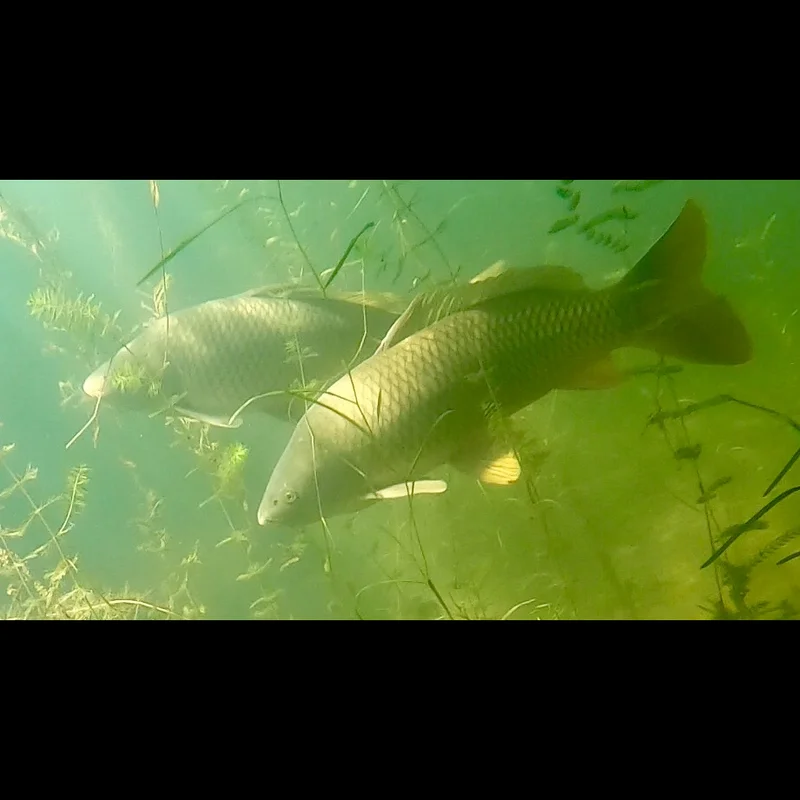
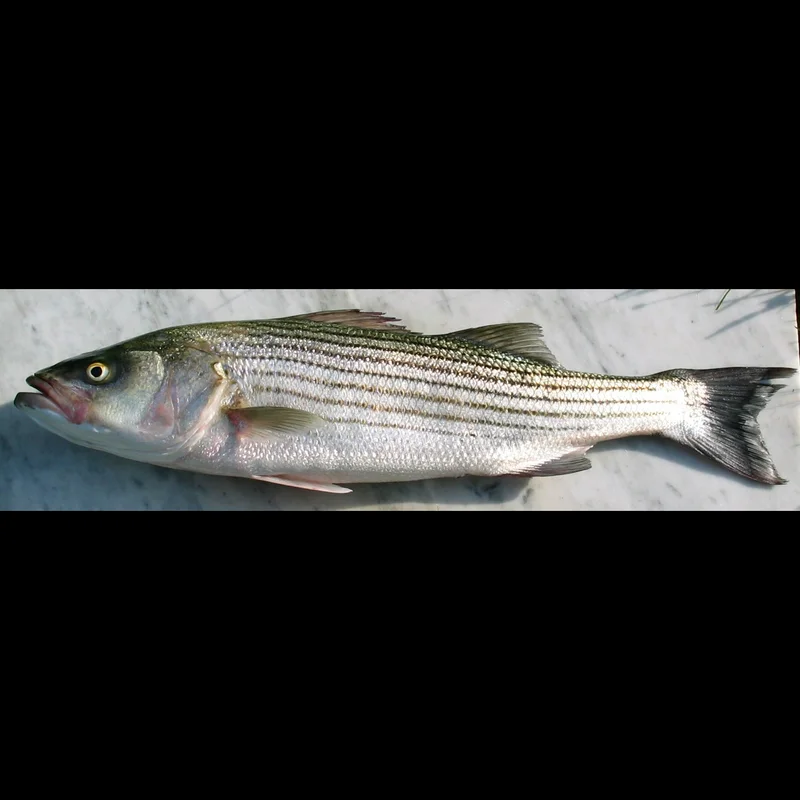
Striped bass, impressive silver fish that can grow up to 23 kg (50+ pounds), are sometimes spotted, though they tend to be more elusive. Channel catfish, typically averaging around 1.8 kg (4 pounds), also inhabit the lake.
Spearfishing regulations allow for carp and striped bass only, but it's prohibited within 0.8 km (1/2 mile) of any dock or shoreline activity area.
Dive Centers Near Mohave
Nearest Airports
Nearest airports to help plan travel to this dive area.
Search Flights
Check available flights and routes on Expedia, using the nearby airports listed in this section.
Search Flights on Expedia
Plan Your Stay
Looking for a place to stay for your dive trip? Explore hotels, stays, and vacation rentals for dive groups near Hull.
Dive Navigator may earn a commission from these links at no extra cost to you.
Frequently Asked Questions
Are there strong currents in Lake Mohave?
Most of Lake Mohave's currents are slow or undetectable. However, sections from Hoover Dam to mid-way between Willow Beach and Eldorado Canyon can have currents ranging from 5 to 19 km/h (3 to 12 mph). Ringbolt Rapids can reach speeds up to 26 km/h (16 mph).
What is the typical visibility in Lake Mohave?
Visibility in Lake Mohave is seasonal. During cooler months (October to April), it's generally good, from 6 to 15 m (20 to 50 ft). Warmer summer months (May to September) can see reduced visibility, sometimes below 0.3 m (one foot), due to algae growth.
What marine life can divers expect to see?
Divers might encounter largemouth black bass, especially when guarding nests in spring and summer. Striped bass, which can grow large, are present but less commonly seen. Channel catfish are also found in the lake.
Are there any diving restrictions or closed areas?
Yes, diving is prohibited above and below Davis Dam, and within all designated boat harbors on Lake Mohave. Specific areas like Ringbolt Rapids are recommended only for advanced divers due to strong currents.
Is spearfishing permitted in Lake Mohave?
Spearfishing is legal for carp and striped bass only, under Nevada and Arizona State fish and game regulations. It is strictly prohibited within 0.8 km (1/2 mile) of any dock or shoreline activity area.
What wetsuit thickness is recommended for diving here?
Given the freshwater conditions and varying seasonal temperatures, a 5mm-7mm wetsuit or a dry suit is generally recommended for thermal comfort. A hood can be considered based on water temperature and personal preference.
Planning to dive Mohave?
Send one inquiry and receive offers directly from the best verified local dive operators.
Conditions are Good
Optimal conditions expected
Current conditions near Mohave show 20° air, 20° sea temperature, 0.7 m waves, and 39 km/h wind. Forecast data is refreshed regularly to ensure accuracy.