
Diving at Mud Spring (United States)
Descending into Mud Spring begins within a sizable head pool, approximately 400 ft (122 m) in diameter. From this entry point, divers can transition into the main spring basin, which features an irregular slope on its north, east, and south sides. The primary descent often follows the west wall, which plunges vertically to a significant depth, drawing divers deeper into the spring's unique aquatic environment.
Starting the day at Mud Spring, the ambient air temperature is recorded at 32.5°C. Ongoing monitoring shows wave heights measuring 0.5 m. This data represents the current surface conditions for early activities.
Dive Site Location & Key Facts
Dive Site Overview
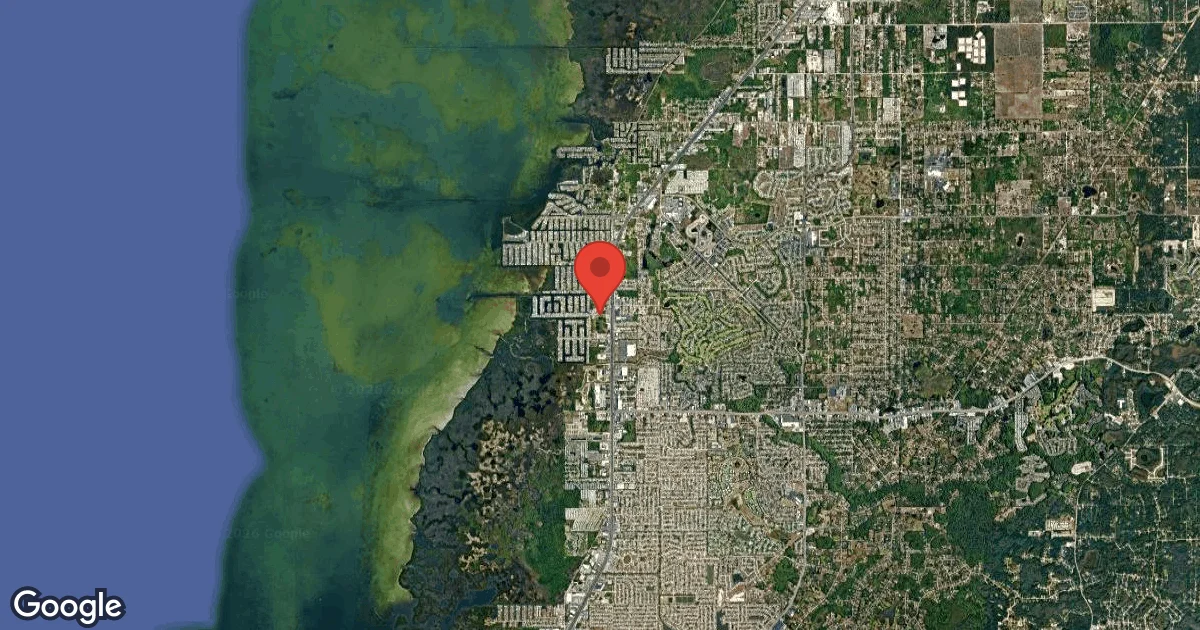
Mud Spring's considerable basin forms its primary topographic feature, presenting as an elongated depression running north-south. Near the expansive head pool's southwest side, approximately 15 ft (4.6 m) east of a dock, lies the spring's main vent area.
The basin's west wall drops sharply, reaching a maximum depth of 185 ft (56 m). A distinctive 200 ft (61 m) wide run flows eastward from the main pool, signaling the spring's continuous outflow into the Mud River. Throughout much of the spring, a brown, flaky material covers the bottom substrate; this is likely algal and contributes to the spring's namesake appearance.
Known historically as both Sulfur Spring and Mud River Spring, it currently serves as an important fishing and boat launching site, indicating its accessibility and local significance.
Conditions are Good
07:00 - 14:00
Optimal conditions expected
Current conditions near Mud Spring show 32° air, 31° sea temperature, 0.2 m waves, and 15 km/h wind. Forecast data is refreshed regularly to ensure accuracy.
Best Time to Dive
While year-round diving is feasible at Mud Spring, distinct seasonal differences in air temperature impact the surface experience. The warmer months, particularly May through September, consistently show excellent dive scores, with average air temperatures ranging from 25°C (77°F) to 27.5°C (82°F). These periods also tend to have lower wind speeds, contributing to a more comfortable surface environment. Conversely, cooler air temperatures, such as 13.5°C (56°F) in January or 15.5°C (60°F) in February, make spring and fall months good options for those who prefer moderate weather, though rain amounts are generally low across all months, fluctuating from 1.3 mm (0.05 in) to 5.9 mm (0.23 in).
PEAK SEASON SCORE
Scores combine air & water temps, waves, wind & rainfall for overall conditions.
BEST MONTHS TO DIVE
Monthly records compiled from satellite and marine observation nodes over the last 3 years. Data provided by Open-Meteo and MET Norway.
Dive Experience & Conditions
Strong currents distinctly define the dive experience within Mud Spring. Divers frequently report a consistent horizontal westward current, reaching approximately 3 miles per hour (4.8 km/h) at a depth of 50 ft (15 m). Such a robust flow necessitates good buoyancy control and streamlined gear, particularly when navigating deeper sections. Spring discharge is notably tidally affected; measured flow rates vary between 83.1 ft³/s (2.35 m³/s) and 128 ft³/s (3.62 m³/s) on changing tides. This tidal influence means conditions can shift, requiring divers to remain adaptable. Historical data from December 1960 reported water temperature for the spring at 20.5°C (69°F). Visibility within the spring can be impacted by the prevalent brown, flaky material covering the bottom. This likely algal matter can be stirred up if not approached carefully, potentially reducing clarity throughout the water column. Its presence contributes directly to the spring's distinctive name and requires divers to maintain good trim.
Dive Difficulty & Safety Guidelines
Navigating Mud Spring requires a clear understanding of its inherent challenges, primarily the strong subsurface currents. A reported 3-mile-per-hour (4.8 km/h) westward current at 50 ft (15 m) demands advanced diving skills and appropriate physical conditioning to prevent divers from being swept away or tiring prematurely. Given the deep maximum depth of 185 ft (56 m) along its vertical west wall, divers should be certified and proficient in deep diving techniques.
Maintaining excellent buoyancy control is crucial to avoid disturbing the bottom's flaky, algal material, which can significantly reduce visibility for all divers. Always dive with a reliable buddy and carry appropriate safety equipment, including a dive light, especially when exploring deeper or more obscured sections.
Recommended Equipment
- Dive Computer
This gear list is based on verified equipment signals for Mud Spring, United States. Always confirm final gear choices with your dive operator, guide, or liveaboard.
Recommended Dive Suit
Dive skin or rash guard usually provides adequate warmth in water around this temperature. A hood or vest is suggested for sensitive divers due to surface winds. Water conditions at Mud Spring are currently measured at approximately 31°C (88°F). Surface air temperatures are resting at 32°C (90°F).
The coming days appear slightly cooler according to the latest forecast. A significant temperature drop is forecast; strongly suggest bringing a backup warmer suit option. Some divers bring an extra layer for surface intervals between dives.
Conditions can vary slightly across different parts of the same dive site.
Due to technical issues with our weather providers, data hasn't been fetched for over 48 hours. The data above reflects the conditions at the time of the last successful fetch.
Emergency & Medical Support
Essential information to help you plan your dive trip to Mud Spring.

Hyperbaric chambers are a critical part of dive safety infrastructure. Availability varies significantly by region, and not all dive areas have immediate access.
Before diving, it's recommended to:
- confirm nearest medical facilities
- check emergency procedures with local dive operators
- ensure dive insurance covers evacuation if required
Divers Alert Network
Diving emergency assistance available through DAN World.
+1-919-684-9111- 24/7 emergency hotline
- Diving medical assistance
- Evacuation coordination
Emergency contacts are provided for reference. Always verify local emergency services before diving.
Marine Life at Mud Spring
Mud Spring's underwater landscape, distinguished by its unique substrate, offers a specific habitat. Pervasive brown, flaky material covers the bottom, likely algal, forming a foundational element of the immediate ecosystem.
While specific abundant fauna are not consistently reported for Mud Spring, spring environments typically foster various forms of aquatic life adapted to their unique water chemistry and flow. Microorganisms, small invertebrates, and certain fish species capable of thriving in moving water and on algal substrates may be present.
Dive Sites Near Mud Spring
View all dive sites in United StatesDiscover more underwater gems in this area.
Dive Centers Near Mud Spring

Today: 10:00 - 17:00
Nearest Airports
Nearest airports to help plan travel to this dive area.
Search Flights
Check available flights and routes on Expedia, using the nearby airports listed in this section.
Search Flights on Expedia
Plan Your Stay
Looking for a place to stay for your dive trip? Explore hotels, stays, and vacation rentals for dive groups near Weeki Wachee Gardens.
Dive Navigator may earn a commission from these links at no extra cost to you.
Frequently Asked Questions
What is the maximum depth at Mud Spring?
Mud Spring's main basin features a west wall that descends vertically to a maximum depth of 185 ft (56 m). Shallower areas are also accessible, particularly in the head pool.
Are there strong currents at Mud Spring?
Yes, Mud Spring is known for its active currents. Divers commonly encounter a horizontal westward current of approximately 3 miles per hour (4.8 km/h) at a depth of 50 ft (15 m). The spring's discharge is also tidally affected.
What is the water temperature like?
Historical data from December 1960 reported the water temperature at Mud Spring to be 20.5°C (69°F). While this is an older record, it provides an indication of the spring's generally consistent temperature.
Why is it called 'Mud Spring'?
The spring is named for the brown, flaky material, likely algal, that covers its bottom. This substrate can give the water a 'muddy' appearance, especially if stirred up.
What is the best time of year to dive here?
Diving is feasible year-round. However, May through September offer the warmest average air temperatures, ranging from 25°C (77°F) to 27.5°C (82°F), and generally excellent dive conditions.
Is Mud Spring suitable for all divers?
Due to the strong currents and the maximum depth of 185 ft (56 m), Mud Spring is generally recommended for experienced divers with advanced certifications, particularly those proficient in deep diving and navigating strong flows.
Planning to dive Mud Spring?
Send one inquiry and receive offers directly from the best verified local dive operators.
Conditions are Good
07:00 - 14:00
Optimal conditions expected
Current conditions near Mud Spring show 32° air, 31° sea temperature, 0.2 m waves, and 15 km/h wind. Forecast data is refreshed regularly to ensure accuracy.