
Diving at NM Site - Tar Barge (United States)
For certified divers seeking a manageable wreck exploration, the Merritt Barge presents an accessible dive. It's suitable for Open Water Divers or those with equivalent experience, offering a straightforward profile. Depths reach a maximum of 20 m (65 ft), allowing for ample bottom time.
Tonight's objective overview for NM Site - Tar Barge shows an air temperature of 27.5°C. The measured surface conditions include wave heights around 1.3 m. This environmental data is logged for the close of the day.
Dive Site Location & Key Facts
Dive Site Overview
The Merritt Barge functions as an intentional artificial reef, meticulously deployed by the Broward County Artificial Reef Program on July 1, 2000. This deliberate sinking aimed to bolster local marine ecosystems and provide new dive opportunities.
Measuring 30 m (100 ft) long and 9.7 m (32 ft) wide, the barge rests upright on the seafloor, largely intact and presenting a clear profile. Its stern is positioned close to the natural third reef, generally pointing southeast, providing an interesting transition point. Exploring the wreck, divers discover a well-established habitat supporting various reef fish seeking refuge within its intricate structure and cargo holds.
For certified Open Water Divers, the barge offers a straightforward and accessible wreck experience. Visibility here typically ranges, but often allows for good exploration of the entire structure.
More seasoned navigators might integrate the barge into a multi-wreck trek, an extended dive typically connecting from the Ancient Mariner to the Berry Patch, concluding at this site. Successfully completing such a trek demands a consistent south current to facilitate efficient movement between the different submerged structures.
Without such favorable conditions, individual dives are more advisable for safety and enjoyment. Maximum depths around the barge typically remain at 20 m (65 ft), allowing for extensive bottom time within recreational no-decompression limits. Observe the subtle details of marine growth and fish behavior throughout its deck and side sections, revealing its transformation into a vibrant underwater home.
Conditions are Good
Optimal conditions expected
Current conditions near NM Site - Tar Barge show 27° air, 29° sea temperature, 0.7 m waves, and 22 km/h wind. Forecast data is refreshed regularly to ensure accuracy.
Best Time to Dive
Planning a dive here means considering the seasonal weather patterns, as conditions fluctuate throughout the year. The warmest air temperatures occur from July to August, averaging around 27-28°C (81-82°F), with moderate wave heights of approximately 0.6-0.8 m (2-2.6 ft). Dive scores are often 'Good' during these months, and also from May to July and November. During the spring months of March and April, air temperatures average 17-21°C (63-70°F). Rain is generally low year-round, typically below 6 mm (0.24 inches) per month, though September sees a slight increase. Winds tend to be lighter from July through November, contributing to calmer surface conditions. Dive scores are consistently 'Good' for most of the year, dipping to 'Moderate' in September, October, and December due to slightly higher wave heights and wind speeds, which can affect comfort and dive plans.
PEAK SEASON SCORE
Scores combine air & water temps, waves, wind & rainfall for overall conditions.
BEST MONTHS TO DIVE
Monthly records compiled from satellite and marine observation nodes over the last 3 years. Data provided by Open-Meteo and MET Norway.
Dive Experience & Conditions
Descending onto the Merritt Barge, divers typically encounter a well-preserved wreck lying upright. Visibility can vary, influenced by local currents and recent weather, but is often conducive to exploring the entire structure. A noticeable south current can be advantageous for those planning a multi-wreck trek, providing a gentle push between sites. Observing how marine life interacts with the structure's various sections, from its deck to its sides, reveals the wreck's evolution into a thriving artificial reef. While deeper sections reach 20 m (65 ft), shallower areas allow for extended observation. The dive experience can feel relaxed in calm conditions, but currents warrant attention for navigation.
Dive Difficulty & Safety Guidelines
Approaching this site, divers should be aware that it's suitable for Open Water certification, but planning is key. Monitoring local current conditions is important, especially when attempting the multi-wreck trek from the Ancient Mariner or Berry Patch, where a south current aids navigation. Proper buoyancy control is always essential to protect the delicate marine growth on the wreck and to manage air consumption effectively.
Divers should also ensure their equipment is well-maintained and that they are comfortable with the planned maximum depth of 20 m (65 ft). Always dive within your training limits and consider the experience of your dive buddy.
Recommended Equipment
- Dive Computer
This gear list is based on verified equipment signals for NM Site - Tar Barge, United States. Always confirm final gear choices with your dive operator, guide, or liveaboard.
Recommended Dive Suit
Divers who spend more time observing marine life often prefer slightly warmer gear.
The water around NM Site - Tar Barge is currently holding at approximately 29°C (84°F), setting the tone for today's dives. Surface air temperatures are resting at 27°C (81°F). Water temperatures in this range are often well suited to diving with dive skin or rash guard. Consider warmer surface protection (like a boat coat) due to brisk winds.
Forecast models indicate that diving conditions should remain largely unchanged.
Due to technical issues with our weather providers, live updates are temporarily delayed. The data above reflects the conditions at the time of the last successful fetch.
Emergency & Medical Support
Essential information to help you plan your dive trip to NM Site - Tar Barge.

Hyperbaric chambers are a critical part of dive safety infrastructure. Availability varies significantly by region, and not all dive areas have immediate access.
Before diving, it's recommended to:
- confirm nearest medical facilities
- check emergency procedures with local dive operators
- ensure dive insurance covers evacuation if required
Divers Alert Network
Diving emergency assistance available through DAN World.
+1-919-684-9111- 24/7 emergency hotline
- Diving medical assistance
- Evacuation coordination
Emergency contacts are provided for reference. Always verify local emergency services before diving.
Marine Life at NM Site - Tar Barge
Around the structure, divers frequently observe various reef fish utilizing the barge as shelter and a feeding ground. Hogfish are often seen foraging along the wreck, characterized by their distinctive snout.
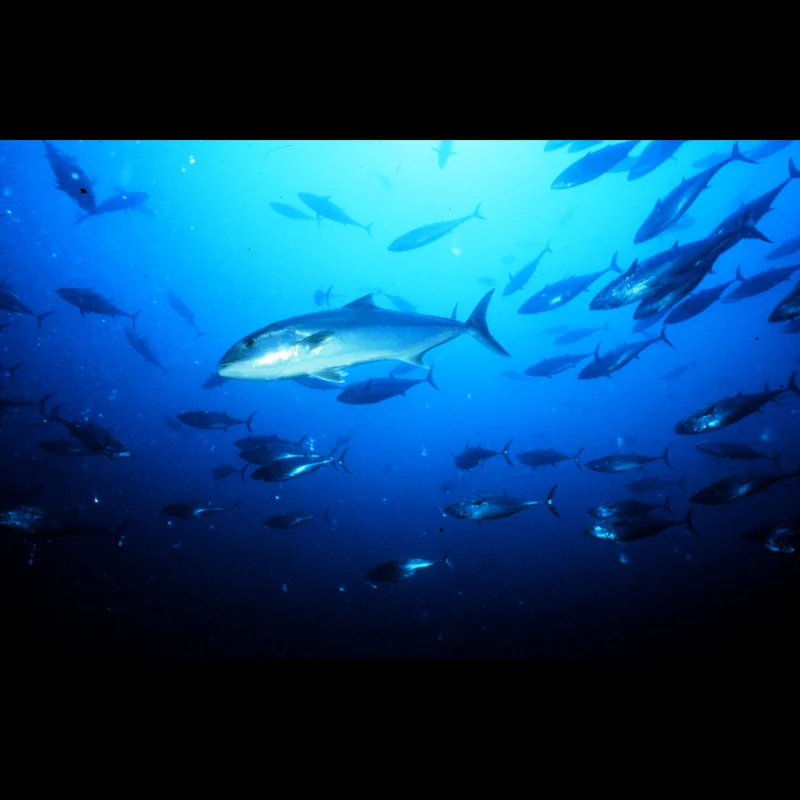
Keep an eye out for Amberjacks, which might school near the wreck's deeper sections or cruise in the surrounding waters. This artificial reef has become a reliable spot for observing species that congregate around submerged structures, making it a lively area even on a relatively compact wreck.
Different types of reef fish populate the entirety of the wreck, providing constant visual interest.
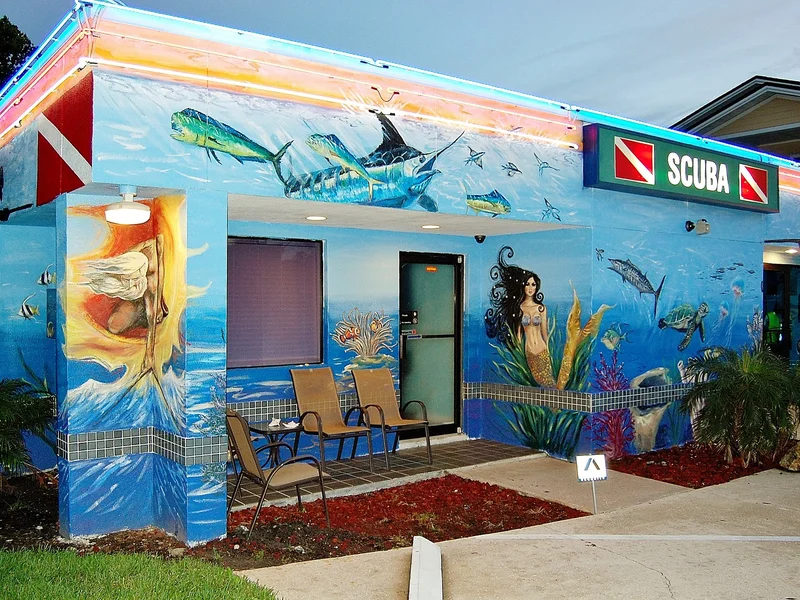
Dive Centers Near NM Site - Tar Barge
Today: 10:00 - 17:00
Nearest Airports
Nearest airports to help plan travel to this dive area.
Search Flights
Check available flights and routes on Expedia, using the nearby airports listed in this section.
Search Flights on ExpediaFrequently Asked Questions
What is the maximum depth of the Merritt Barge dive site?
A maximum depth range of 15-20 m (50-65 ft) applies to the Merritt Barge dive site. This depth allows for recreational diving within standard certification limits.
What skill level is required to dive the Merritt Barge?
Suitable for Open Water Divers or individuals with equivalent experience, the site offers moderate depth and an accessible structure. Its profile makes it a good option for wreck exploration.
When was the Merritt Barge sunk?
Intentionally sunk on July 1, 2000, as part of the Broward County Artificial Reef Program, the Merritt Barge helps create new marine habitats. This effort supports local ecosystems.
What kind of marine life can be seen on the barge?
Divers often encounter Hogfish and Amberjacks, along with a variety of other reef fish. An upright structure provides ample opportunity for marine life to thrive.
Is it possible to do a wreck trek at this site?
Experienced navigators can follow a wreck trek from the Ancient Mariner to the Berry Patch, concluding at the Merritt Barge. Such a plan requires favorable current conditions, specifically a south current.
What are the best months for diving the Merritt Barge?
Dive scores are generally 'Good' from January to August and in November, with May, June, and July often having the calmest wave conditions. September, October, and December are rated 'Moderate' due to higher waves and winds.
Planning to dive NM Site - Tar Barge?
Send one inquiry and receive offers directly from the best verified local dive operators.
Conditions are Good
Optimal conditions expected
Current conditions near NM Site - Tar Barge show 27° air, 29° sea temperature, 0.7 m waves, and 22 km/h wind. Forecast data is refreshed regularly to ensure accuracy.