
Diving at Olsen (United States)
Olsen presents a diverse underwater environment, primarily ranging from shallower coastal formations to deeper transitional zones. While specific maximum depths vary by site within the area, recreational limits often dictate a typical range, with some advanced dives possibly extending deeper. Planning your dive here involves considering the varied terrain and potential for greater depth excursions, requiring attention to personal limits and gas management.
Afternoon measurements for Olsen show the air has reached 20.5°C. The recorded surface conditions at this location feature wave heights of 1.1 m. These metrics are updated to reflect the ongoing daily shifts.
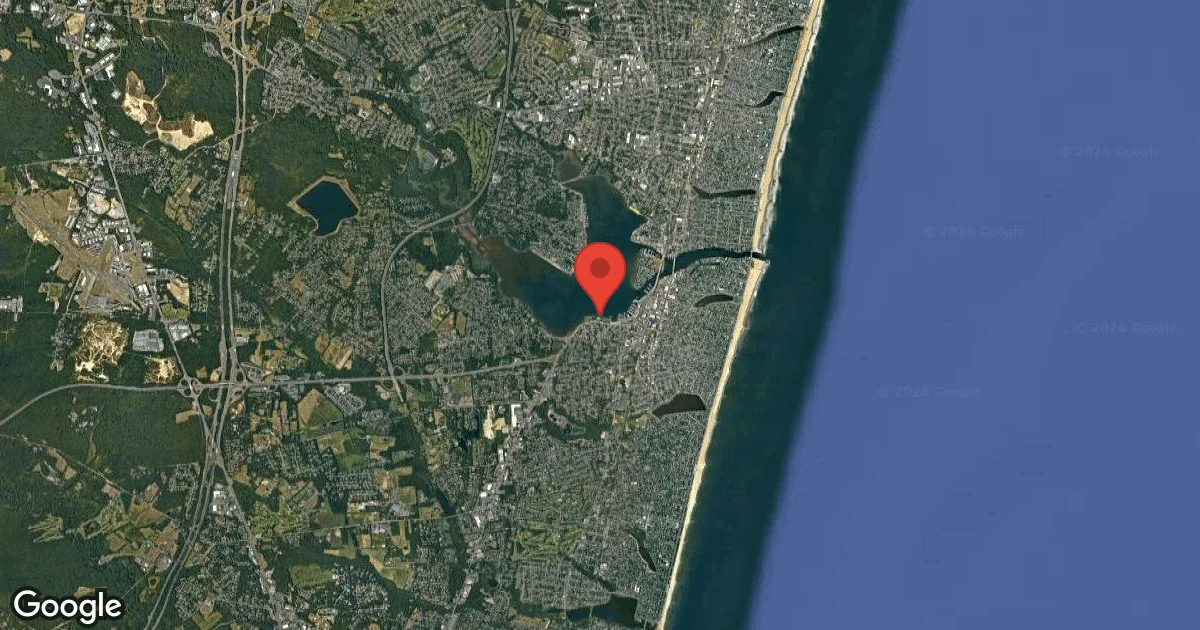
Dive Site Location & Key Facts
Dive Site Overview
Olsen's underwater environment presents a diverse topography, evolving from expansive sandy bottoms near the shore to more complex rocky structures and potential smaller canyon-like formations further out. This geological variety creates distinct microhabitats across its dive sites.
Along the seafloor, divers encounter varied terrain, including areas where rock formations rise, providing shelter. Visibility, while generally good, isn't consistently reported and can fluctuate based on local weather patterns and seasonal runoff, sometimes offering excellent clarity and at other times being moderate.
Divers often navigate along these natural contours, observing how smaller rock formations punctuate the seabed, providing shelter for various temperate species. Current conditions at Olsen are usually mild, but divers should anticipate occasional stronger flows, especially around exposed points or during tidal transitions.
These currents can interact with the topography, creating drift opportunities or requiring more careful finning. Planning each dive carefully for potential current is advisable.
The overall underwater landscape supports a range of temperate marine life, though detailed species lists remain limited. Typical recreational depths across Olsen's sites generally range from 10 m (33 ft) to 30 m (100 ft), suitable for certified open water divers depending on the specific location chosen.
Conditions are Moderate
Optimal conditions expected
Current conditions near Olsen show 21° air, 23° sea temperature, 1.2 m waves, and 34 km/h wind. Forecast data is refreshed regularly to ensure accuracy.
Best Time to Dive
The summer months, particularly July, offer the most favorable conditions for diving at Olsen, with the highest dive scores reported. During this period, air temperatures are at their peak, averaging around 25°C (77°F), creating a more comfortable surface experience. Wave heights are generally lower in July, averaging 0.9 m (3.0 ft), and wind speeds are also at their lowest, around 17.17 km/h (10.67 mph), contributing to calmer waters. Conversely, the winter months, like January, present colder air temperatures averaging 0°C (32°F), higher wind speeds around 23.01 km/h (14.3 mph), and increased wave action, making surface conditions more challenging. While diving is possible year-round, conditions improve significantly from May through October, presenting good dive opportunities with warmer air and generally calmer seas.
PEAK SEASON SCORE
Scores combine air & water temps, waves, wind & rainfall for overall conditions.
BEST MONTHS TO DIVE
Monthly records compiled from satellite and marine observation nodes over the last 3 years. Data provided by Open-Meteo and MET Norway.
Dive Experience & Conditions
Divers exploring Olsen should be prepared for varying conditions and consider their skill level for different sites. Water temperature data is not consistently reported for Olsen, but given the seasonal air temperature fluctuations, expect cooler waters that may necessitate appropriate exposure protection, potentially a drysuit or thick wetsuit. Visibility, while generally good, can vary with local weather patterns and sediment incursion. Currents are usually mild but can pick up in certain areas, particularly around tidal changes or exposed points. Average wave heights are lowest in July at 0.9 m (3.0 ft) but can reach 1.4 m (4.6 ft) in September, indicating that entry and exit might require attention to surface conditions. Most sites within Olsen are suitable for certified open water divers, though some deeper or current-prone areas may better suit advanced certifications.
Dive Difficulty & Safety Guidelines
When diving Olsen, adherence to standard safe diving practices is paramount. Always dive within your training and comfort limits, ensuring proper gas management and ascent rates. There are no specific hazards reported for Olsen, but divers should remain vigilant for typical environmental factors such as changing currents or reduced visibility.
Maintaining awareness of boat traffic in popular areas is always prudent. Plan your dive with a buddy, confirm your dive plan, and carry appropriate safety equipment, including a surface marker buoy. Always check local conditions before entering the water, as these can impact the dive experience.
Recommended Equipment
- Dive Computer
This gear list is based on verified equipment signals for Olsen, United States. Always confirm final gear choices with your dive operator, guide, or liveaboard.
Recommended Dive Suit
Divers planning relaxed exploration may appreciate the warmth of 3-5mm wetsuit. A hood or vest is suggested for sensitive divers due to surface winds. Surface intervals may feel cooler. Divers often notice that perceived temperature can feel cooler during deeper or longer dives.
At the moment, divers exploring Olsen will likely experience water temperatures near 23°C (73°F). Surface air temperatures are resting at 21°C (69°F).
Weather models indicate a small drop in surface temperatures later this week. Cooler days are ahead; you might want a warmer option for later in the week. Bringing an additional thermal layer can be helpful if conditions change.
Emergency & Medical Support
Essential information to help you plan your dive trip to Olsen.

Hyperbaric chambers are a critical part of dive safety infrastructure. Availability varies significantly by region, and not all dive areas have immediate access.
Before diving, it's recommended to:
- confirm nearest medical facilities
- check emergency procedures with local dive operators
- ensure dive insurance covers evacuation if required
Divers Alert Network
Diving emergency assistance available through DAN World.
+1-919-684-9111- 24/7 emergency hotline
- Diving medical assistance
- Evacuation coordination
Emergency contacts are provided for reference. Always verify local emergency services before diving.
Marine Life at Olsen
The diverse underwater landscape of Olsen, encompassing rocky areas and sandy transitions, provides habitat for various temperate marine species. Divers can anticipate encountering common local fish species moving amongst rock formations.
In certain seasons, migratory species may also be observed passing through. While no specific marine life has been extensively reported for Olsen, the varied environment typically supports crustaceans, smaller invertebrates, and a variety of algae, contributing to the site's ecological fabric. Patient observation often reveals subtle patterns of life along the seabed and within crevices.
Dive Sites Near Olsen
View all dive sites in United StatesDiscover more underwater gems in this area.
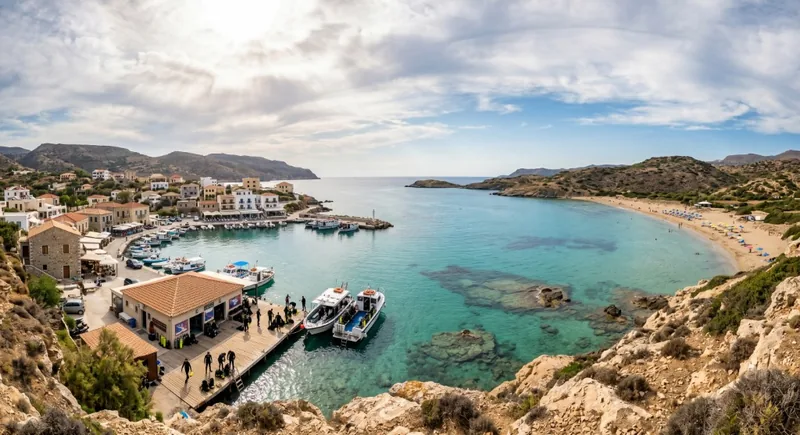
Dive Centers Near Olsen
Today: 08:00 - 18:00
Nearest Airports
Nearest airports to help plan travel to this dive area.
Search Flights
Check available flights and routes on Expedia, using the nearby airports listed in this section.
Search Flights on Expedia
Plan Your Stay
Looking for a place to stay for your dive trip? Explore hotels, stays, and vacation rentals for dive groups near Bay Head.
Dive Navigator may earn a commission from these links at no extra cost to you.
Frequently Asked Questions
What is the typical water temperature at Olsen?
Specific water temperature data for Olsen is not consistently reported. Given the significant seasonal air temperature variations, divers should anticipate cool to cold water conditions, requiring suitable thermal protection like a drysuit or a thick wetsuit.
What kind of visibility can I expect?
Visibility at Olsen generally ranges from moderate to good. Local weather, surface conditions, and seasonal run-off can influence clarity, so checking current reports before diving is recommended.
Are there strong currents at Olsen?
Currents at Olsen are usually mild but can become noticeable in certain areas, especially around exposed points or during tidal shifts. Dive planning should account for potential current, particularly for less experienced divers.
What depth ranges are common for diving here?
Dive sites within Olsen generally cater to recreational limits. Most areas are suitable for open water certification, with depths typically ranging from a few meters down to about 30 meters. Deeper excursions might be possible at certain locations for advanced divers, often approaching the 100-foot mark.
What's the best time of year for calm conditions?
July generally offers the calmest surface conditions at Olsen, with the lowest average wave heights and wind speeds. This period also correlates with the highest overall dive scores.
Do I need special equipment for diving in Olsen?
Given the absence of precise water temperature data and the varying air temperatures, appropriate exposure protection is key. Depending on personal comfort and specific conditions, a drysuit or a thick wetsuit would be a sensible choice.
Planning to dive Olsen?
Send one inquiry and receive offers directly from the best verified local dive operators.
Conditions are Moderate
Optimal conditions expected
Current conditions near Olsen show 21° air, 23° sea temperature, 1.2 m waves, and 34 km/h wind. Forecast data is refreshed regularly to ensure accuracy.