
Diving at Phantom Springs Cave (United States)
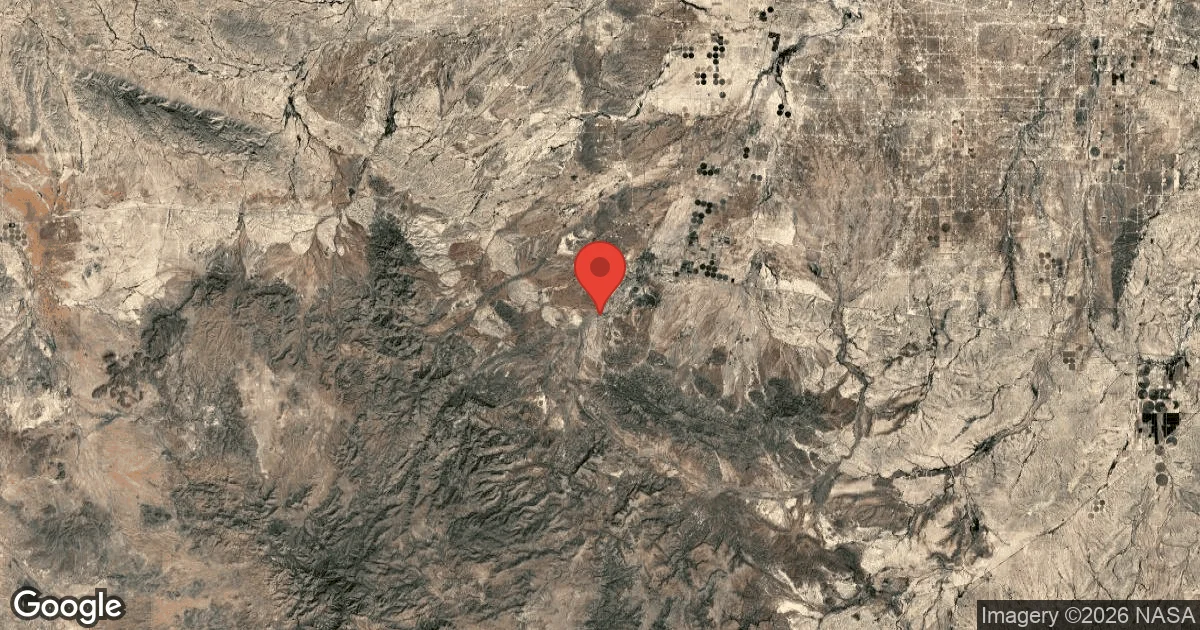
Deep within the arid expanse of the West Texas desert, Phantom Springs Cave stands as a subterranean marvel. This site holds the distinction of being the deepest underwater cave system in the United States, with explorations reaching a maximum depth of 140.8 m (462 ffw). Its remote location and the stark contrast of its crystalline depths against the desert landscape create a truly unique underwater environment.
At Phantom Springs Cave, the ambient air temperature is currently recorded at 20.5°C. This dive site in United States is operating under normal seasonal weather patterns. Familiarize yourself with the local topography prior to navigating.
Dive Site Location & Key Facts
Dive Site Overview
The allure of Phantom Springs Cave has drawn elite cave divers into its depths, driven by the desire to chart its extensive passages and uncover its secrets. Early exploration dives established its record depth at 140.8 m (462 ffw), solidifying its status as the deepest naturally formed underwater cave in the USA.
Expeditions to this federally-owned, strictly closed biological preserve require specific scientific permits from the US Bureau of Reclamations, granted through the landowners. Teams have dedicated significant time, involving complex logistics and meticulous planning, to survey over 2,400 meters (8,000 feet) of the cave, collect water quality data, and document the environment with high-definition video and still photography.
These dives frequently involve hours of complex decompression, a testament to the extreme depths and duration required for comprehensive exploration, often culminating in divers emerging into the cold desert night after seven-hour total dive times.
Conditions are Moderate
Optimal conditions expected
Current conditions near Phantom Springs Cave show 21° air, --° sea temperature, N/A waves, and 22 km/h wind. Forecast data is refreshed regularly to ensure accuracy.
Best Time to Dive
Optimizing surface conditions for support crews and logistics, the period from September through November generally offers excellent dive scores for Phantom Springs Cave. Air temperatures during these months average between 15-25.5°C (59-78°F), providing a more comfortable environment for staging and de-rigging equipment than the intense summer heat. While monthly rainfall can vary, averaging from 0.3 to 0.78 mm (0.01 to 0.03 inches) during this window, the overall arid climate of the Chihuahuan Desert typically ensures stable, dry surface conditions. Minimal rain contributes to easier access and clearer ground operations, though the deep cave environment maintains consistent internal conditions regardless of surface weather.
PEAK SEASON SCORE
Scores combine air & water temps, waves, wind & rainfall for overall conditions.
BEST MONTHS TO DIVE
Monthly records compiled from satellite and marine observation nodes over the last 3 years. Data provided by Open-Meteo and MET Norway.
Dive Experience & Conditions
Entering Phantom Springs Cave involves navigating a gated entrance into a crystalline pool, a stark contrast to the surrounding desert. Divers submerge into water described as aquamarine, signaling the transition from daylight to the cave's true depths. Inside, the environment becomes a realm of dark, damp walls and silty floors, requiring careful buoyancy control to avoid disturbing visibility. Explorers follow established nylon guide cords through massive passages, which continue to significant depths. As one of the world's deepest underwater caves, reaching beyond recreational depth limits, the conditions demand peak technical proficiency, extensive decompression planning, and specialized gas mixes to manage the prolonged bottom times and ascents inherent in exploring its furthest reaches.
Dive Difficulty & Safety Guidelines
Diving at Phantom Springs Cave presents a significant challenge, requiring adherence to stringent safety protocols. Access to this federally-owned site, designated as a biological preserve, is strictly controlled by scientific permits issued through the US Bureau of Reclamations. Only highly qualified and experienced technical cave divers, often part of sanctioned exploration teams, are permitted entry.
The extreme depths involved, notably the 140.8 m (462 ffw) record, necessitate meticulous planning for gas management, decompression, and emergency procedures. Despite inherent risks, experienced divers like Andrew Pitkin approach the endeavor with calculated precision, understanding the profound demands of this unforgiving, yet captivating, environment.
Recommended Equipment
- Dive Computer
This gear list is based on verified equipment signals for Phantom Springs Cave, United States. Always confirm final gear choices with your dive operator, guide, or liveaboard.
Recommended Dive Suit
Based on regional estimates and current weather, the likely required exposure protection is a 3-5mm wetsuit. Note that local currents and upwellings can alter this. Surface intervals may feel cooler.
Because recent water temperature readings are not available for Phantom Springs Cave, the guidance below is based mainly on current air conditions and seasonal expectations. Current surface air temperatures are roughly 21°C (69°F).
Due to unpredictable weather patterns, conditions may change rapidly.
Emergency & Medical Support
Essential information to help you plan your dive trip to Phantom Springs Cave.

Hyperbaric chambers are a critical part of dive safety infrastructure. Availability varies significantly by region, and not all dive areas have immediate access.
Before diving, it's recommended to:
- confirm nearest medical facilities
- check emergency procedures with local dive operators
- ensure dive insurance covers evacuation if required
Divers Alert Network
Diving emergency assistance available through DAN World.
+1-919-684-9111- 24/7 emergency hotline
- Diving medical assistance
- Evacuation coordination
Emergency contacts are provided for reference. Always verify local emergency services before diving.
Marine Life at Phantom Springs Cave
Phantom Springs Cave supports a unique and diverse ecosystem, particularly within the external spring pools and deeper cave passages. The site is a closed biological preserve for the endangered pupfish, residing in the external spring system.
Inside the cave, exploration has led to the discovery of at least five previously unknown, cave-adapted species, including two types of isopods, a unique snail, a silverfish, and a spider. Beyond these specialized inhabitants, softshell turtles have been observed swimming deep into the cave, and catfish prowl the silty floor, alongside various aquatic invertebrates making their homes in the roots dangling from chamber roofs.

Dive Sites Near Phantom Springs Cave
View all dive sites in United StatesDiscover more underwater gems in this area.
Dive Centers Near Phantom Springs Cave
No Dive Centers Local To Phantom Springs Cave
Are you a dive center visiting this location? Get listed to reach divers.
Nearest Airports
Nearest airports to help plan travel to this dive area.
Search Flights
Check available flights and routes on Expedia, using the nearby airports listed in this section.
Search Flights on Expedia
Plan Your Stay
Looking for a place to stay for your dive trip? Explore hotels, stays, and vacation rentals for dive groups near Balmorhea.
Dive Navigator may earn a commission from these links at no extra cost to you.
Frequently Asked Questions
What is the access policy for Phantom Springs Cave?
Phantom Springs Cave is a federally-owned, strictly closed biological preserve. It is only accessible to those holding a scientific permit from the US Bureau of Reclamations, typically granted to research and exploration teams.
How deep is Phantom Springs Cave?
Exploration divers have reached a record depth of 140.8 m (462 ffw) within Phantom Springs Cave. This establishes it as the deepest underwater cave system in the United States.
What kind of environment is Phantom Springs Cave located in?
The cave is located deep in the West Texas desert, specifically within the Chihuahuan Desert. A spring that fills the cave is an anomaly in this arid landscape.
What unique marine life can be found here?
The cave system is home to an endangered pupfish in its external pools. Inside, at least five previously unknown, cave-adapted species have been discovered, including isopods, a snail, a silverfish, and a spider. Softshell turtles and catfish also inhabit the cave.
What makes diving Phantom Springs Cave so challenging?
The extreme depth, remote location, and overhead environment present significant technical challenges. Divers require advanced training, specialized equipment, and extensive decompression protocols for safe exploration.
What kind of scientific work has been conducted at the cave?
Scientific teams have set up sediment traps, collected water quality data, and surveyed thousands of feet of the cave. They also extensively documented the site through high-definition video and still photography.
Planning to dive Phantom Springs Cave?
Send one inquiry and receive offers directly from the best verified local dive operators.
Conditions are Moderate
Optimal conditions expected
Current conditions near Phantom Springs Cave show 21° air, --° sea temperature, N/A waves, and 22 km/h wind. Forecast data is refreshed regularly to ensure accuracy.