
Diving at Philadelphia Quarry (United States)
Philadelphia Quarry serves as Tennessee’s premier inland diving destination, welcoming certified divers of all skill levels. Its setup is particularly accommodating for those new to quarry diving or seeking to refine their skills in a controlled environment. Located on Harris Road in Philadelphia, Tennessee, this site offers straightforward entry and exit points, making it an accessible choice for divers seeking a local adventure.
Recent updates for Philadelphia Quarry show an air temperature measuring 32.5°C. Overall water conditions reflect the typical seasonal state for United States. Please exercise standard safety precautions before entering the water.
Dive Site Location & Key Facts
Dive Site Overview
Philadelphia Quarry distinguishes itself with a diverse underwater landscape, crafted to engage divers across various experience levels. Below the surface, six submerged boats rest at depths from 9 to 20 m (30-65 ft).
Submerged vessels provide ample exploration opportunities, acting as artificial reefs and serving as navigational landmarks during a dive. Further, training platforms are intentionally placed at multiple depths: 5 m (16 ft), 6 m (20 ft), 7.6 m (25 ft), with a deeper platform at 22.5 meters.
Such structures are invaluable for buoyancy practice and skill development. A dramatic drop-off, known as 'The Wall,' commences around 18 meters and extends well beyond typical recreational limits.
Diving here provides an exhilarating, advanced-level experience for those properly trained and equipped for deeper profiles. A dedicated buoyancy course also aids divers in honing their underwater control.
Conditions are Moderate
Optimal conditions expected
Current conditions near Philadelphia Quarry show 33° air, --° sea temperature, N/A waves, and 22 km/h wind. Forecast data is refreshed regularly to ensure accuracy.
Best Time to Dive
Planning a dive at Philadelphia Quarry is best considered during the milder months to optimize the experience. Air temperatures are generally most comfortable from April through October, averaging between 16-26°C (61-79°F). During these periods, you'll encounter less rainfall, with averages ranging from 2.7 to 4.6 mm, which can contribute to potentially better surface conditions. The late spring and early fall months, specifically May, June, and September, often provide a good balance of warmer air and lower precipitation. While specific water temperature data for the quarry isn't consistently reported, the generally warmer air temperatures during these months suggest more agreeable surface conditions for preparing and de-gearing. Winter months, from December to February, see air temperatures drop significantly to 2-7.5°C (36-46°F), making surface intervals considerably colder and requiring substantial thermal protection.
PEAK SEASON SCORE
Scores combine air & water temps, waves, wind & rainfall for overall conditions.
BEST MONTHS TO DIVE
Monthly records compiled from satellite and marine observation nodes over the last 3 years. Data provided by Open-Meteo and MET Norway.
Dive Experience & Conditions
Diving here presents a range of experiences, from training exercises to exploratory dives along deeper structures. Quarry topography includes a series of platforms designed for various skill levels, starting shallow at 5 meters and progressing to 22.5 meters. Six distinct boats are submerged at depths between 9 and 20 meters, offering intriguing wreck penetration opportunities for appropriately certified divers. Visibility in inland quarries can vary significantly, often influenced by recent rainfall and diver activity; conditions may range from clear to more limited depending on the day. A defining feature, 'The Wall,' commences at approximately 18 meters and descends considerably deeper, challenging divers to manage depth and air consumption effectively. While specific water temperatures are not consistently reported, inland quarries typically experience thermoclines. Surface waters warm in summer, but deeper sections remain cooler year-round. Divers should be prepared for varying thermal conditions.
Dive Difficulty & Safety Guidelines
For a safe and enjoyable dive at Philadelphia Quarry, always adhere to established safe diving practices and consider the quarry's specific characteristics. Pay close attention to your depth, especially when exploring the deeper wall section that drops past recreational limits. Proper training and equipment are paramount for any dives beyond the shallower platforms or within overhead environments like submerged boats.
Maintain adequate buoyancy control to prevent disturbing the bottom sediment, which can quickly reduce visibility for yourself and others. This site is equipped with changing and restroom facilities, offering convenient amenities.
Always dive within your certification limits, plan your dives carefully, and conduct thorough buddy checks before entering the water. Be mindful of others in the water and practice conservative dive planning.
Recommended Equipment
- Dive Computer
This gear list is based on verified equipment signals for Philadelphia Quarry, United States. Always confirm final gear choices with your dive operator, guide, or liveaboard.
Recommended Dive Suit
Forecast confidence is somewhat lower, with potential for varied conditions ahead. A significant temperature drop is forecast; strongly suggest bringing a backup warmer suit option. A hood or vest can noticeably improve warmth during longer dives.
Based on regional estimates and current weather, the likely required exposure protection is light protection (dive skin or 3mm shorty). Note that local currents and upwellings can alter this.
Because recent water temperature readings are not available for Philadelphia Quarry, the guidance below is based mainly on current air conditions and seasonal expectations. Current surface air temperatures are roughly 33°C (91°F).
Emergency & Medical Support
Essential information to help you plan your dive trip to Philadelphia Quarry.

Hyperbaric chambers are a critical part of dive safety infrastructure. Availability varies significantly by region, and not all dive areas have immediate access.
Before diving, it's recommended to:
- confirm nearest medical facilities
- check emergency procedures with local dive operators
- ensure dive insurance covers evacuation if required
Divers Alert Network
Diving emergency assistance available through DAN World.
+1-919-684-9111- 24/7 emergency hotline
- Diving medical assistance
- Evacuation coordination
Emergency contacts are provided for reference. Always verify local emergency services before diving.
Marine Life at Philadelphia Quarry
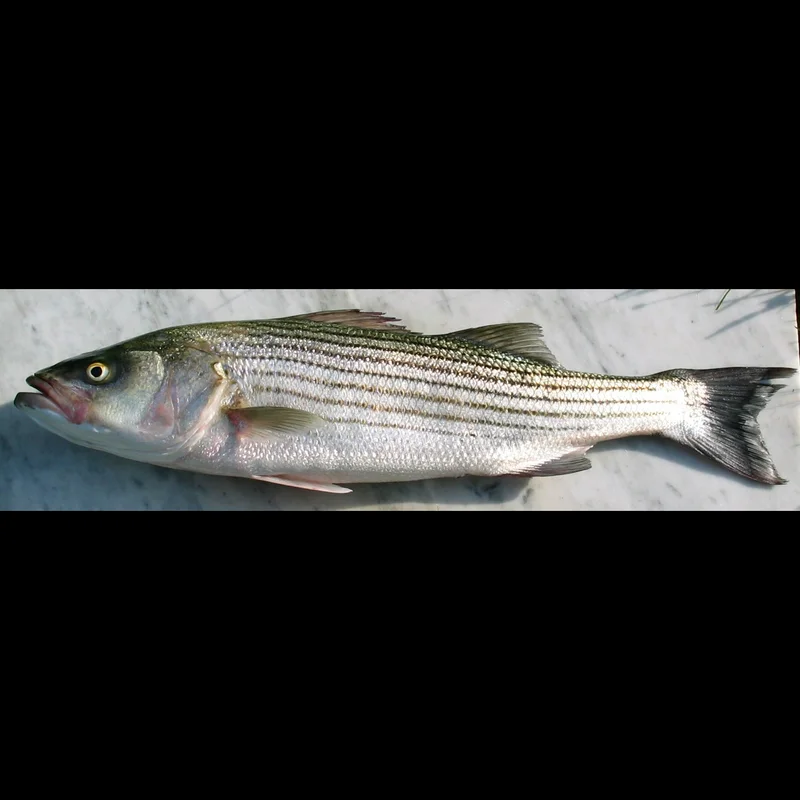
Beneath the surface, the quarry's underwater landscape supports a resident population of freshwater species. Divers commonly encounter bass, often found near submerged structures or along shallower platforms.
Bluegill are also present, frequently schooling in sunlit areas and providing active displays. Catfish can be observed moving along the bottom, particularly in deeper, quieter sections.
Local fish adapt to the quarry environment, utilizing submerged boats and rock formations for shelter and foraging. Observing these species in their quarry habitat provides a different perspective compared to marine environments.

Dive Centers Near Philadelphia Quarry
No Dive Centers Local To Philadelphia Quarry
Are you a dive center visiting this location? Get listed to reach divers.
Nearest Airports
Nearest airports to help plan travel to this dive area.
Search Flights
Check available flights and routes on Expedia, using the nearby airports listed in this section.
Search Flights on Expedia
Plan Your Stay
Looking for a place to stay for your dive trip? Explore hotels, stays, and vacation rentals for dive groups near Philadelphia.
Dive Navigator may earn a commission from these links at no extra cost to you.
Frequently Asked Questions
What is the maximum recreational depth at Philadelphia Quarry?
Although the quarry wall drops significantly deeper, recreational attractions, including platforms and boats, are typically found within 22.5 meters. Divers should always adhere to their certification limits and dive conservatively.
What type of marine life can I expect to see?
You'll primarily encounter freshwater species such as bass, Bluegill, and catfish. These fish often congregate around the submerged boats and platforms.
Are there any facilities available at the quarry?
Yes, Philadelphia Quarry provides amenities for divers, including dedicated changing and restroom facilities. This adds convenience for pre- and post-dive preparations.
Is Philadelphia Quarry suitable for beginner divers?
Absolutely. The quarry is considered a premier site for all scuba divers, with training platforms at various shallow depths and a controlled environment ideal for learning and practicing skills.
What underwater features are there to explore?
Divers can explore six submerged boats, multiple training platforms ranging from 5 to 22.5 meters, a dedicated buoyancy course, and 'The Wall' which drops to significant depths.
What are the typical water temperatures?
Specific water temperature data isn't consistently reported, but like most inland quarries, temperatures will vary seasonally. Expect warmer surface waters in summer and colder conditions, especially at deeper sections and during winter, due to thermoclines.
What are the best months for diving at the quarry?
Generally, April through October provide the most comfortable air temperatures and lower rainfall. Favorable surface conditions for divers to enjoy the quarry experience typically occur during this period.
Planning to dive Philadelphia Quarry?
Send one inquiry and receive offers directly from the best verified local dive operators.
Conditions are Moderate
Optimal conditions expected
Current conditions near Philadelphia Quarry show 33° air, --° sea temperature, N/A waves, and 22 km/h wind. Forecast data is refreshed regularly to ensure accuracy.