
Diving at Pinellas South Site 5 (13) (United States)
Pinellas South Site 5 (13) represents a contrast to the shallower, near-shore environments sometimes found in the region. Unlike sites closer to the coast that often contend with poor visibility, offshore artificial reefs in Pinellas County offer more consistent conditions for divers. This site is part of a broader network enhancing marine habitats, positioned away from the immediate shoreline.
Afternoon measurements for Pinellas South Site 5 (13) show the air has reached 30°C. The recorded surface conditions at this location feature wave heights of 0.7 m. These metrics are updated to reflect the ongoing daily shifts.
Dive Site Location & Key Facts
Dive Site Overview
The structure of Pinellas South Site 5 (13) contributes to its appeal, forming part of an extensive artificial reef program initiated in 1975. These human-made structures, created from clean, inert debris like concrete pipes or steel beams, serve as valuable underwater habitats.
Within weeks, algae and barnacles begin to colonize these materials, attracting various fish species that feed on these organisms. Over approximately a year, the reef begins to support new coral growth, transforming the underwater landscape into a more complex ecosystem. Depths at Pinellas artificial reefs vary; while some inshore reefs might be around 9 m (30 ft), offshore sites like this one generally require boat access and can extend into deeper recreational ranges.
Pinellas County has deployed about 50,000 tons of reef material across its Gulf coast, providing numerous dive opportunities from Tarpon Springs to St. Pete Beach.
Conditions are Good
Optimal conditions expected
Current conditions near Pinellas South Site 5 (13) show 30° air, 31° sea temperature, 0.3 m waves, and 28 km/h wind. Forecast data is refreshed regularly to ensure accuracy.
Best Time to Dive
Considering optimal visibility, the months from February through March, and then May, July, November, and December, generally present good conditions for diving Pinellas South Site 5 (13). During these periods, average dive scores are higher. July frequently sees the lowest wave heights, around 0.5 m (1.6 ft), and lighter winds averaging 20.78 km/h (12.9 mph), which can contribute to calmer seas and better visibility windows. Air temperatures range from comfortable averages of 16°C (61°F) in February to 29°C (84°F) in July, making surface intervals pleasant. Rainfall is relatively low from February to May, and again in November, which can also help maintain clearer water conditions at this offshore site. Visibility, however, can vary and is often influenced by seasonal plankton blooms or coastal runoff.
PEAK SEASON SCORE
Scores combine air & water temps, waves, wind & rainfall for overall conditions.
BEST MONTHS TO DIVE
Monthly records compiled from satellite and marine observation nodes over the last 3 years. Data provided by Open-Meteo and MET Norway.
Dive Experience & Conditions
Descending upon Pinellas South Site 5 (13) introduces divers to a structured habitat designed to foster marine life. Water temperatures for Gulf Coast dive sites like this one are not consistently reported but generally track air temperatures, which range from about 15°C (59°F) in winter to nearly 29°C (84°F) in summer. Divers might encounter varied currents, a common feature for offshore locations, requiring appropriate planning. While specific depth for this exact site isn't provided, many Pinellas offshore reefs are accessible within standard recreational limits. Visibility at offshore artificial reefs is typically better than at the shallower, inshore mitigation reefs, which are sometimes characterized by poor clarity. Diver experience here involves exploring the nooks and crannies of the deployed reef materials, observing the progression of marine growth from initial colonization to more established coral communities.
Dive Difficulty & Safety Guidelines
Approaching Pinellas South Site 5 (13) requires consideration of local boating traffic, especially since these reefs improve both diving and fishing opportunities. Divers should always deploy a surface marker buoy (SMB) when ascending to alert nearby vessels. Current strength can fluctuate, so divers need to be aware of conditions and plan drift dives if necessary, or ensure adequate surface support for stationary dives.
Since the site is offshore, strong winds or higher wave action, particularly from January to April and October, could impact boat travel and overall dive safety. Always dive within your certification limits and carry necessary safety equipment, including an audible signaling device.
Recommended Equipment
- Dive Computer
This gear list is based on verified equipment signals for Pinellas South Site 5 (13), United States. Always confirm final gear choices with your dive operator, guide, or liveaboard.
Recommended Dive Suit
With water temperatures around 31°C (88°F), many divers find a dive skin or rash guard provides comfortable protection.
Local conditions can vary slightly across different parts of the same dive site.
Weather models indicate a small drop in surface temperatures later this week. Cooler days are ahead; you might want a warmer option for later in the week. A warmer option can provide additional comfort if conditions shift.
Due to technical issues with our weather providers, data hasn't been fetched for over 48 hours. The data above reflects the conditions at the time of the last successful fetch.
Emergency & Medical Support
Essential information to help you plan your dive trip to Pinellas South Site 5 (13).

Hyperbaric chambers are a critical part of dive safety infrastructure. Availability varies significantly by region, and not all dive areas have immediate access.
Before diving, it's recommended to:
- confirm nearest medical facilities
- check emergency procedures with local dive operators
- ensure dive insurance covers evacuation if required
Divers Alert Network
Diving emergency assistance available through DAN World.
+1-919-684-9111- 24/7 emergency hotline
- Diving medical assistance
- Evacuation coordination
Emergency contacts are provided for reference. Always verify local emergency services before diving.
Marine Life at Pinellas South Site 5 (13)
The underwater landscape of Pinellas South Site 5 (13) provides a critical foundation for local marine ecosystems. Artificial reef materials quickly attract algae and barnacles, forming the base of a food chain that draws various fish species.
Over time, these structures evolve to support coral growth, adding complexity and further attracting diverse marine life. Although specific species are not detailed for this site, the habitat encourages the presence of many regional fish and invertebrate populations typical of Gulf Coast reefs.
Dive Centers Near Pinellas South Site 5 (13)
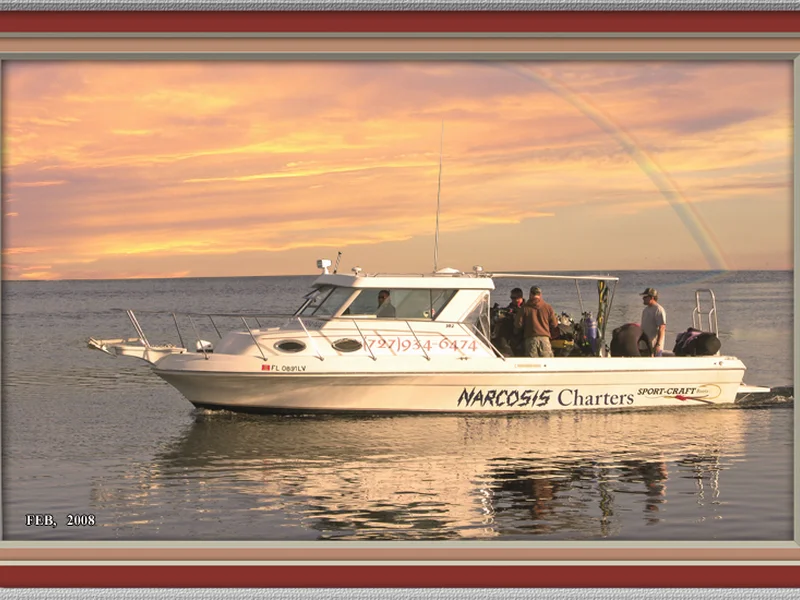
Today: 10:00 - 17:00
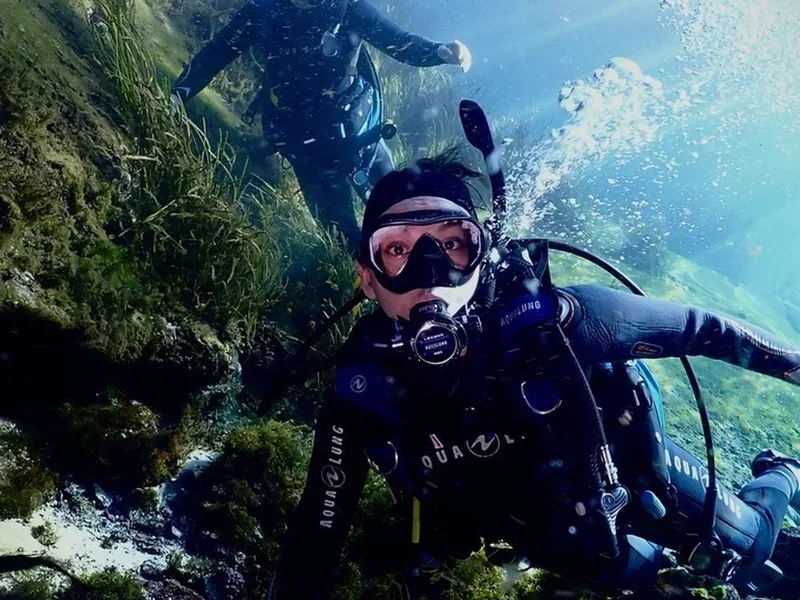
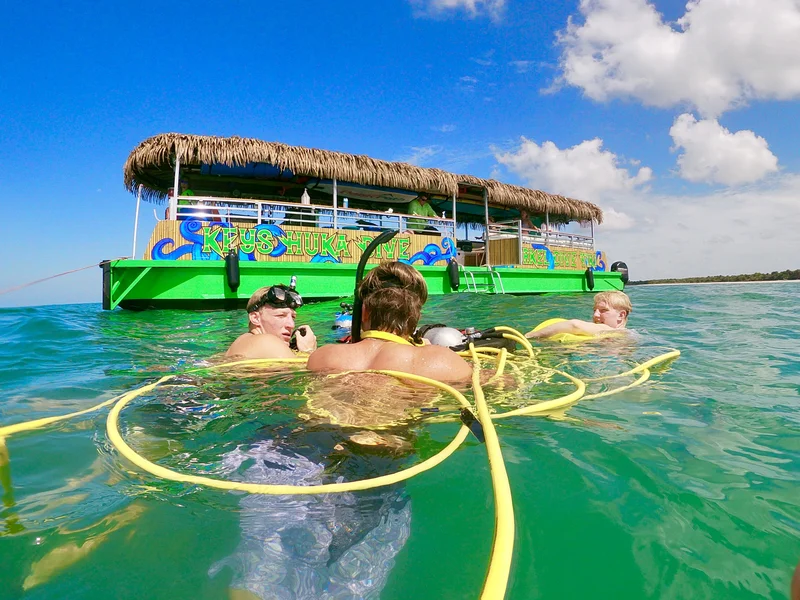
Nearest Airports
Nearest airports to help plan travel to this dive area.
Search Flights
Check available flights and routes on Expedia, using the nearby airports listed in this section.
Search Flights on Expedia
Plan Your Stay
Looking for a place to stay for your dive trip? Explore hotels, stays, and vacation rentals for dive groups near Redington Shores.
Dive Navigator may earn a commission from these links at no extra cost to you.
Frequently Asked Questions
What is Pinellas South Site 5 (13)?
It is an artificial reef located in Pinellas County, United States. This site is part of a larger program that deploys human-made structures to create underwater habitats for marine life.
What are artificial reefs made from in Pinellas County?
These reefs are constructed from clean, inert debris such as concrete pipes, steel beams, or even entire ships. Materials are carefully placed to encourage marine growth and habitat development.
How deep is Pinellas South Site 5 (13)?
Specific depth for this exact site is not consistently reported. However, other Pinellas artificial reefs range from around 9 m (30 ft) for inshore sites to deeper recreational depths for offshore locations.
When is the best time to dive this site?
Optimal diving conditions, particularly for visibility, are often found from February to March, and then in May, July, November, and December. July offers notably calmer seas and lighter winds.
What kind of marine life can be seen?
The artificial reef fosters diverse marine life. Expect to see various fish species attracted to the algae and barnacles that colonize the structures, along with developing coral growth over time.
Are there any specific safety concerns for diving here?
Divers should be mindful of potential boat traffic and varying currents. Always use a surface marker buoy during ascents, and be prepared for changing weather conditions, especially for offshore dives.
Planning to dive Pinellas South Site 5 (13)?
Send one inquiry and receive offers directly from the best verified local dive operators.
Conditions are Good
Optimal conditions expected
Current conditions near Pinellas South Site 5 (13) show 30° air, 31° sea temperature, 0.3 m waves, and 28 km/h wind. Forecast data is refreshed regularly to ensure accuracy.