Loading...

Diving at Pride Sink (United States)
Published
Last updated
Pride Sink presents a dynamic and evolving dive site in the Gulf of Mexico, off the coast of Florida. This unique system is currently undergoing continued data collection and analysis, reflecting its ongoing exploration status. Divers here encounter a complex environment that transitions from open water into intricate cavern and cave sections, demanding varied skill sets. Its maximum depth extends to 69 m (227 ft), making it a significant destination for technical divers.
Early observations for Pride Sink report a surface air temperature of 21°C. The water surface is currently presenting wave heights of 0.5 m. Consider these environmental metrics before beginning your descent.
Dive Site Location & Key Facts
Max Depth
69m227ft
Visibility
--
Entry TypeBoat
Water Typesalt
Dive Types
Cave
Dive Site Overview
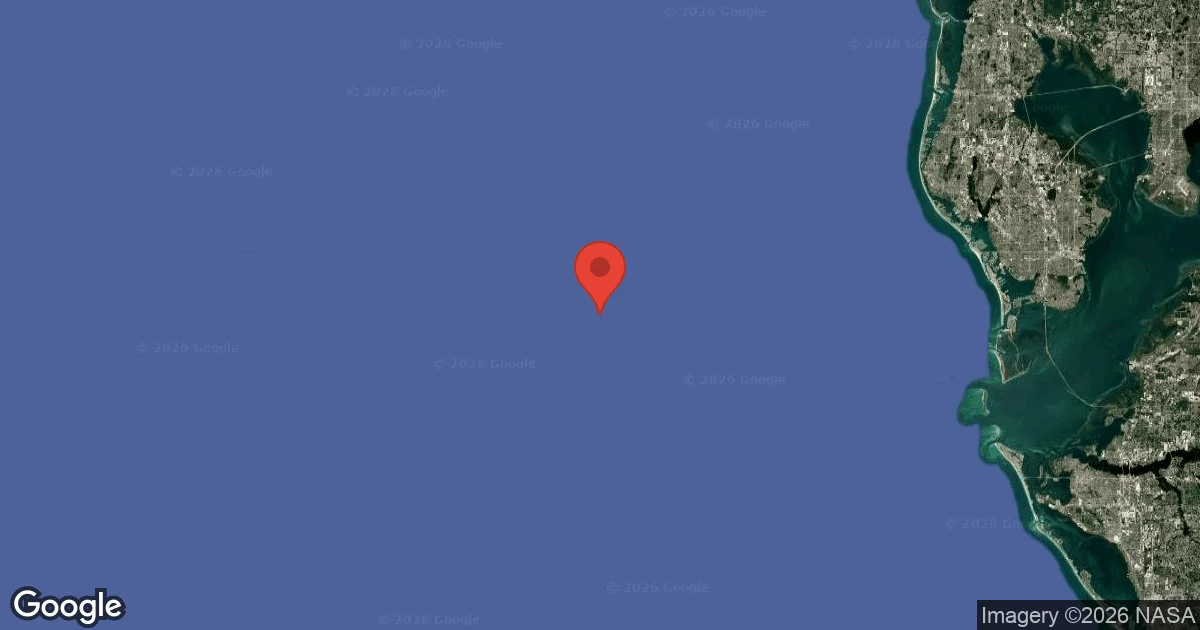
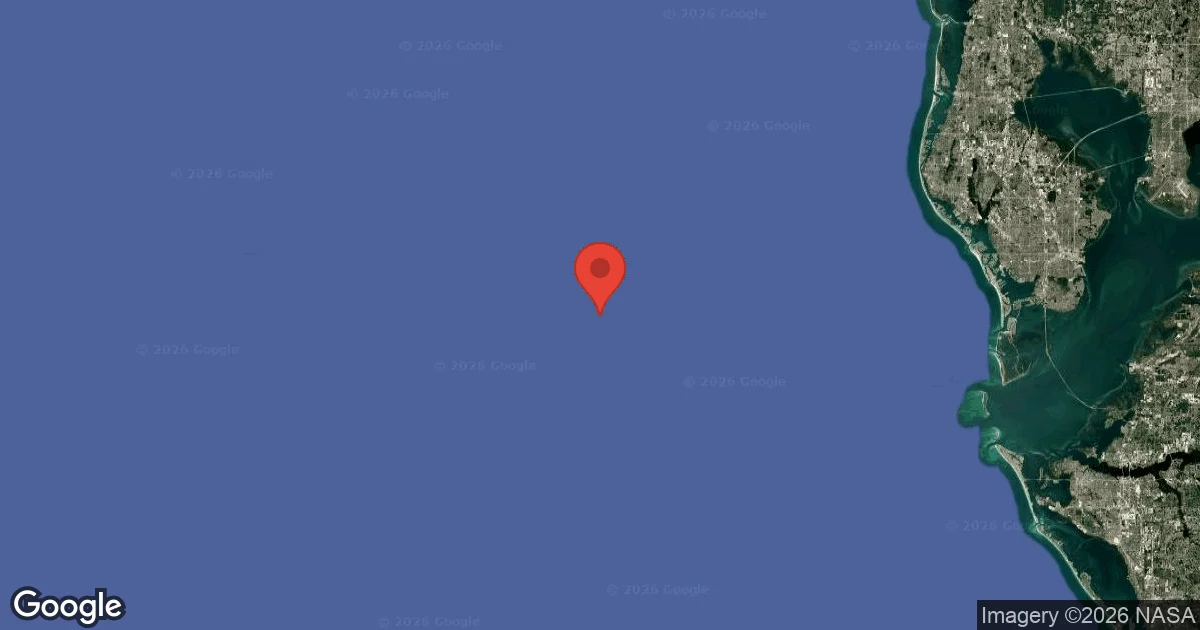
Exploring Pride Sink offers a distinct multi-level diving experience, appealing to a broad spectrum of certified divers from open water to advanced cave enthusiasts. This site, situated at Latitude 27.574083 and Longitude -83.491583, provides access to an impressive vertical drop, distinguishing itself from many other regional dive spots.
The initial open water area gradually gives way to expansive cavern environments, where natural light still penetrates the overhead rock formations. Deeper within, certified cave divers can navigate the more intricate, dark passages of its extensive cave system. Specific real-time visibility and water temperature data are not consistently reported for the sink itself, varying significantly with environmental factors and recent exploration activities.
However, the known structural complexity promises a dive rich in geological features, even as its full details are still being compiled.
Pride Sink
Conditions are Good
7/10
Confidence: 8/10
Indicates meteorological model agreement and data availability.
Best Dive Window
Optimal conditions expected
06:12
18:45
H: 10:45
L: 16:20
Air / Sea Temp
21° / 25°
Wave Height
0.9 m
Wind Speed
32 km/h ENE
Rain Chance
50%
Current conditions near Pride Sink show 21° air, 25° sea temperature, 0.9 m waves, and 32 km/h wind. Forecast data is refreshed regularly to ensure accuracy.
Radius: ~12km
Updated: Nov 23, 2026, 10:10 local timeMARINE: OPEN-METEOWEATHER: YR.NO
Best Time to Dive
Planning a dive at Pride Sink benefits from understanding the general climate patterns, particularly for surface conditions and comfort. The months of May through September generally offer the most favorable surface weather, characterized by higher air temperatures ranging from 25.5-29°C (78-84°F) and lower average wave heights compared to winter months. Dive scores during this period are frequently rated 'Good' or 'Moderate', indicating more agreeable conditions.
Rainfall varies throughout the year, with August typically seeing the highest precipitation at 8.47 mm, while November records the lowest at 0.81 mm. Water temperatures within the sink are not consistently reported, but often reflect a more stable cool environment, regardless of surface air temperatures, emphasizing the need for appropriate thermal protection.
PEAK SEASON SCORE
86/100
Very GoodScores combine air & water temps, waves, wind & rainfall for overall conditions.
BEST MONTHS TO DIVE
MAY
JUN
JUL
DIVE SCORE GUIDE (0–100)
Excellent (90–100)
Very Good (80–89)
Good (70–79)
Moderate (50–69)
Poor (30–49)
Not Recommended (0–29)
Monthly records compiled from satellite and marine observation nodes over the last 3 years. Data provided by Open-Meteo and MET Norway.
Dive Experience & Conditions
Beginning a dive at Pride Sink starts with the open water descent, leading into its compelling geological structure. The initial drop takes divers into the upper reaches, where the cavern environment begins to unfold. Sunlight filters through, illuminating impressive formations before transitioning into darker, overhead zones.
Visibility can fluctuate, depending on recent weather events and diver activity, but generally offers reasonable clarity within the main areas. Advancing into the deeper sections, max depth reaches 69 m (227 ft).
Conditions inside the cave require advanced skills; water flow might be minimal to moderate, depending on its connection to the Gulf of Mexico, which is not consistently detailed in available reports.
Dive Difficulty & Safety Guidelines
Approaching Pride Sink requires a clear understanding of its varying demands on diver skill and certification. Open water sections are accessible to recreational divers, but exploring the cavern and especially the full cave system necessitates specific, advanced training. Strict adherence to proper overhead environment protocols, including continuous guideline usage, redundant gas sources, and multiple independent light systems, is paramount.
Given the significant depth potential, appropriate decompression planning and gas management are critical for any dives extending beyond recreational limits. This site requires a cautious, well-planned approach, prioritizing safety and a conservative dive profile above all else.
Recommended Equipment
Technical depth range. Advanced planning, gas management, and appropriate certification required.
Overhead environment. Do not enter beyond training and gas planning limits.
- Dive Computer
- DSMB
- Primary & Backup Lights
- Reel / Spool
- Cutting Tool
This gear list is based on verified equipment signals for Pride Sink, United States. Always confirm final gear choices with your dive operator, guide, or liveaboard.
Recommended Dive Suit
For relaxed exploration dives, 3mm wetsuit generally provides adequate warmth. A hood or vest is suggested for sensitive divers due to surface winds. Surface intervals may feel cooler. For divers entering the water at Pride Sink, temperatures are currently hovering around 25°C (76°F). Surface air temperatures are resting at 21°C (70°F).
Forecast trends indicate similar diving conditions over the next few days.
A diver's personal tolerance to cold water can play a large role in suit selection.
Pride Sink conditions last reviewed: 10:10 local time (UTC-6), Nov 23, 2026
Due to technical issues with our weather providers, live updates are temporarily delayed. The data above reflects the conditions at the time of the last successful fetch.
Emergency & Medical Support
Essential information to help you plan your dive trip to Pride Sink.

Hyperbaric chambers are a critical part of dive safety infrastructure. Availability varies significantly by region, and not all dive areas have immediate access.
Before diving, it's recommended to:
- confirm nearest medical facilities
- check emergency procedures with local dive operators
- ensure dive insurance covers evacuation if required
24/7 Available
Divers Alert Network
Diving emergency assistance available through DAN World.
+1-919-684-9111- 24/7 emergency hotline
- Diving medical assistance
- Evacuation coordination
Emergency contacts are provided for reference. Always verify local emergency services before diving.
Marine Life at Pride Sink
Given its nature as an inland sink with potential connections to the Gulf of Mexico, marine life encounters at Pride Sink can vary. Divers exploring the shallower, open water sections may observe freshwater adapted species or transient fish drawn to the sink's mouth.
Deeper into the cavern and cave systems, the environment becomes more specialized, often supporting unique cave-dwelling organisms adapted to low-light conditions. Careful observation may reveal crustaceans, small fish, or other aquatic life adapted to these sheltered habitats.
Dive Sites Near Pride Sink
View all dive sites in United StatesDiscover more underwater gems in this area.
Dive Centers Near Pride Sink
Working Hours
SunClosed
Mon11:00 - 19:00
Tue11:00 - 19:00
Wed11:00 - 17:00
Thu11:00 - 19:00
Fri11:00 - 19:00
Sat10:00 - 17:00
Today: 11:00 - 17:00
SunClosed
Mon11:00 - 19:00
Tue11:00 - 19:00
Wed11:00 - 17:00
Thu11:00 - 19:00
Fri11:00 - 19:00
Sat10:00 - 17:00
4.8| 485 reviews
112.4 km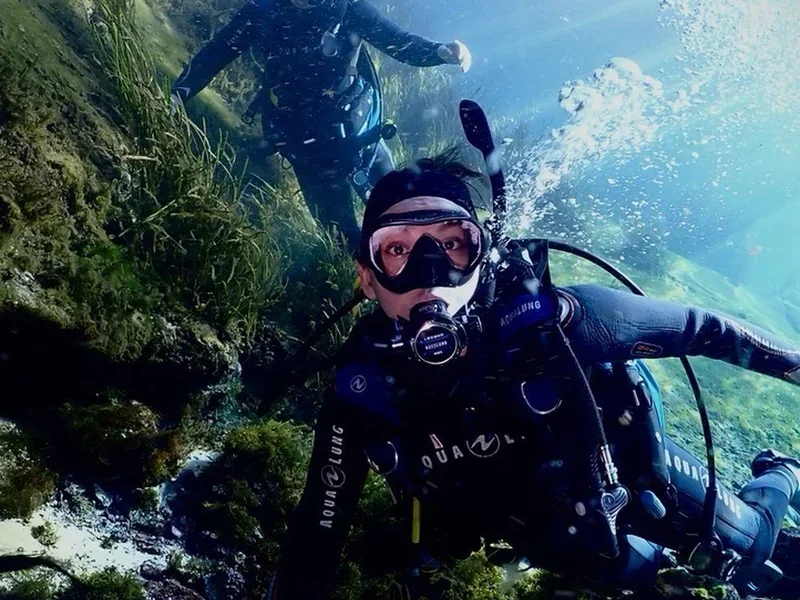
4.5| 144 reviews
116.8 kmNearest Airports
Nearest airports to help plan travel to this dive area.
St. Petersburg Clearwater International Airport PIE
88 km
Sarasota Bradenton International Airport SRQ
95 km
Tampa International Airport TPA
104 km
💵 Currency: USD
Search Flights
Check available flights and routes on Expedia, using the nearby airports listed in this section.
Search Flights on ExpediaAffiliate link · Dive Navigator may earn a commission at no extra cost to you.
Frequently Asked Questions
What certifications are required to dive Pride Sink?
Open water divers can access the surface areas. To explore the cavern sections, a Cavern Diver certification is recommended. For deeper, overhead cave passages, a Full Cave Diver certification is mandatory due to the complex environment.
What is the maximum reported depth at Pride Sink?
Pride Sink has a maximum reported depth of 69 m (227 ft). This depth categorizes it as a technical dive, especially when venturing into the cave sections.
How warm is the water at Pride Sink throughout the year?
During August, water around Pride Sink reaches an average high of 31.1°C (88°F), comfortable in a 3 mm shorty or dive skin. By February, averages drop to 19°C (66°F), where a 5 mm wetsuit becomes practical.
What are the typical visibility conditions?
Visibility at Pride Sink can vary, influenced by recent rainfall, suspended particulate matter, and diver activity. Specific reports are limited, so divers should be prepared for changing conditions, particularly in overhead environments.
Can beginner divers safely explore Pride Sink?
Beginner divers certified for open water can explore the surface entrance. However, the site quickly transitions into cavern and cave environments that demand higher levels of training and experience for safe exploration.
Which months bring the flattest sea state to Pride Sink?
Surface swell at Pride Sink drops to 0.5 m (1.7 ft) around July and builds to 1.4 m (4.6 ft) by January, making July ideal for calmer boat rides.
Trip Inquiry
Planning to dive Pride Sink?
Tell us your dates and diving needs. We'll review your request and seek offers from relevant local dive centers.
Request Dive Offers Free request for offers • No booking obligation
Pride Sink
Conditions are Good
7/10
Confidence: 8/10
Indicates meteorological model agreement and data availability.
Best Dive Window
Optimal conditions expected
06:12
18:45
H: 10:45
L: 16:20
Air / Sea Temp
21° / 25°
Wave Height
0.9 m
Wind Speed
32 km/h ENE
Rain Chance
50%
Current conditions near Pride Sink show 21° air, 25° sea temperature, 0.9 m waves, and 32 km/h wind. Forecast data is refreshed regularly to ensure accuracy.
Radius: ~12km
Updated: Nov 23, 2026, 10:10 local timeMARINE: OPEN-METEOWEATHER: YR.NO