
Diving at PVC Modules By Arcoa (United States)
Conditions at PVC Modules By ARCOA typically reflect dynamic coastal environments. Air temperatures fluctuate across the year, ranging from cooler winters averaging 13°C (55°F) to warmer summers reaching 29°C (84°F). Wave heights generally remain under 1.2 meters (3.9 feet), and average wind speeds are moderate, but these factors can intensify, notably during colder months, influencing dive comfort and access. Surface conditions often dictate the overall diving experience.
Afternoon measurements for PVC Modules By Arcoa show the air has reached 27.5°C. The recorded surface conditions at this location feature wave heights of 0.8 m. These metrics are updated to reflect the ongoing daily shifts.
Dive Site Location & Key Facts
Dive Site Overview
An artificial reef, PVC Modules By ARCOA embodies a deliberate effort in marine habitat creation. Purpose-built PVC structures provide a foundation for developing vibrant underwater ecosystems.
These modules were strategically placed to establish new environments, attracting diverse aquatic life and offering divers a structured, observable setting. Historically, the reef's engineered objective focuses on fostering local biodiversity and acting as an alternative for underwater exploration, particularly in areas where natural reef structures are less prevalent. Initially barren, man-made formations progressively integrate with the natural seabed, becoming encrusted with organisms like sponges, hydroids, and tunicates.
This biofouling process transforms inert structures into dynamic living spaces, providing complex surfaces for attachment and refuge. As the modules mature, they increasingly draw in species seeking shelter, foraging grounds, and spawning sites—from juvenile fish to opportunistic predators.
Divers can engage with an evolving environment, observing ecological succession firsthand. Exploring these distinct structures provides an experience contrasting with natural rock formations or coral reefs, yielding valuable insights into habitat creation and adaptation within coastal waters.
The site functions as an important study area for how artificial installations contribute to marine ecological health.
Conditions are Excellent
07:00 - 14:00
Optimal conditions expected
Current conditions near PVC Modules By Arcoa show 27° air, 30° sea temperature, 0.5 m waves, and 22 km/h wind. Forecast data is refreshed regularly to ensure accuracy.
Best Time to Dive
For the most enjoyable dive experience, planning a trip to PVC Modules By ARCOA during the months with 'Good' dive scores is advisable. February, and the period from May through October, generally offer more favorable conditions. During these peak months, average air temperatures range from 15.5-29°C (60-84°F), contributing to more comfortable surface intervals. Wave heights are typically calmer, averaging between 0.6-0.9 meters (2.0-3.0 feet), while wind speeds tend to be lower, around 23-27 km/h (14-17 mph). This combination usually provides better boat access and more stable underwater conditions, making dives less strenuous.
PEAK SEASON SCORE
Scores combine air & water temps, waves, wind & rainfall for overall conditions.
BEST MONTHS TO DIVE
Monthly records compiled from satellite and marine observation nodes over the last 3 years. Data provided by Open-Meteo and MET Norway.
Dive Experience & Conditions
Exploring the PVC Modules By ARCOA provides a distinct sensory encounter amidst engineered underwater structures. Underwater conditions here typically reflect dynamic coastal environments; specific water temperature data isn't consistently reported, yet it generally mirrors ambient ocean temperatures for the region. Visibility can fluctuate significantly, influenced by local plankton blooms, tidal currents, and sediment stirred from the seabed. Divers might encounter visibility ranging from moderate clarity to more limited views, depending on recent weather and surge. Navigating the modules involves circling and inspecting these formations, observing the diverse encrusting life that has colonized them, along with the fish species attracted to the burgeoning habitat. Be prepared for potential thermoclines, particularly during warmer months, as distinct temperature layers can be present. Always remember that surface weather conditions, including wind and wave action, can noticeably impact the underwater environment and the overall dive comfort, even in the shallower sections.
Dive Difficulty & Safety Guidelines
Diving artificial reefs like PVC Modules By ARCOA necessitates adherence to standard safety protocols. Always maintain excellent buoyancy control to avoid contact with the structures and stirred sediment, which can reduce visibility. Current conditions can change quickly, so divers should confirm local reports before entry and plan dives to account for potential drift.
It's crucial to dive with a reliable buddy and ensure both are proficient in reef diving etiquette. Divers should carry appropriate signaling devices for surface visibility, especially given the likelihood of boat traffic to and from the site. Inspecting equipment thoroughly before each dive is a critical expert tip here.
Recommended Equipment
- Dive Computer
This gear list is based on verified equipment signals for PVC Modules By Arcoa, United States. Always confirm final gear choices with your dive operator, guide, or liveaboard.
Recommended Dive Suit
With water temperatures around 30°C (86°F), many divers find a dive skin or rash guard provides comfortable protection.
Divers performing multiple dives may appreciate slightly warmer protection later in the day.
Environmental conditions appear stable for the near future.
Due to technical issues with our weather providers, live updates are temporarily delayed. The data above reflects the conditions at the time of the last successful fetch.
Emergency & Medical Support
Essential information to help you plan your dive trip to PVC Modules By ARCOA.

Hyperbaric chambers are a critical part of dive safety infrastructure. Availability varies significantly by region, and not all dive areas have immediate access.
Before diving, it's recommended to:
- confirm nearest medical facilities
- check emergency procedures with local dive operators
- ensure dive insurance covers evacuation if required
Divers Alert Network
Diving emergency assistance available through DAN World.
+1-919-684-9111- 24/7 emergency hotline
- Diving medical assistance
- Evacuation coordination
Emergency contacts are provided for reference. Always verify local emergency services before diving.
Marine Life at PVC Modules By Arcoa
The PVC Modules By ARCOA provides a foundational habitat for marine organisms that colonize artificial structures. Over time, these modules become canvases for various encrusting invertebrates, such as barnacles and tunicates, forming a nascent ecosystem.
This developing habitat attracts smaller reef fish seeking shelter, alongside various crustaceans. Larger, opportunistic fish species may also frequent the area, drawn by the availability of food and refuge within the crevices of the modules. Expect to observe common coastal species adapting to this man-made environment.
Dive Centers Near PVC Modules By Arcoa
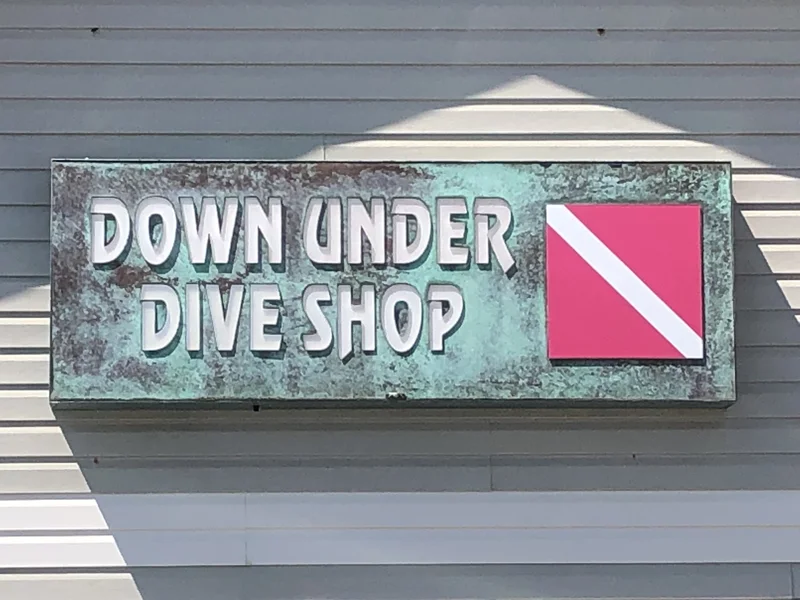
Today: 10:00 - 18:00
Nearest Airports
Nearest airports to help plan travel to this dive area.
Search Flights
Check available flights and routes on Expedia, using the nearby airports listed in this section.
Search Flights on ExpediaFrequently Asked Questions
What are the PVC Modules By ARCOA?
This site features man-made PVC structures intentionally deployed as an artificial reef. These modules serve to create new habitat and aggregation points for marine life in an otherwise less structured area.
What is the typical depth range for diving these modules?
Specific depth data for the PVC Modules By ARCOA is not consistently reported. However, artificial reefs are generally placed within recreational diving limits, offering accessible depths for certified divers.
Are there noticeable currents at the dive site?
As with many coastal dive sites, currents around the PVC Modules can vary depending on tides, weather, and local geography. Divers should check local conditions before planning their dive and be prepared for potential drift.
What can I expect regarding visibility?
Visibility at artificial reef sites can fluctuate based on several factors, including recent rainfall, plankton blooms, and surge conditions. It is best to consult local dive operators for current visibility reports.
What certifications are recommended for diving here?
An Open Water Diver certification is generally sufficient for most recreational depths at such sites. Advanced Open Water or specialty certifications in navigation could be beneficial for exploring the structure more thoroughly.
Is boat access required to reach the PVC Modules?
Accessing offshore artificial reef sites typically requires boat transport. It's advisable to arrange trips with local dive charters familiar with the exact location and conditions of the PVC Modules By ARCOA.
How do seasonal changes affect diving conditions?
Seasonal variations, particularly in air temperature, wind, and wave height, influence the overall dive experience. Warmer months, from May through October, generally offer more favorable and comfortable diving conditions due to reduced surface chop and higher air temperatures.
Planning to dive PVC Modules By Arcoa?
Send one inquiry and receive offers directly from the best verified local dive operators.
Conditions are Excellent
07:00 - 14:00
Optimal conditions expected
Current conditions near PVC Modules By Arcoa show 27° air, 30° sea temperature, 0.5 m waves, and 22 km/h wind. Forecast data is refreshed regularly to ensure accuracy.