
Diving at Rube Allyn Reef Site 8(2)-Load #11 (United States)
Approaching Rube Allyn Reef Site 8(2)-Load #11, divers prepare for an exploration of purpose-built underwater habitat. This site, part of Florida's extensive artificial reef program, offers a direct entry into a world sculpted from concrete culverts. It's an an accessible dive, inviting certified divers to discover how man-made structures transform into thriving ecosystems. Prepare for a dive into a landscape of geometric forms now softened by marine growth.
Afternoon measurements for Rube Allyn Reef Site 8(2)-Load #11 show the air has reached 25.5°C. The recorded surface conditions at this location feature wave heights of 0.3 m. These metrics are updated to reflect the ongoing daily shifts.
Dive Site Location & Key Facts
Dive Site Overview
Distinguished by its purposeful construction, Rube Allyn Reef Site 8(2)-Load #11 is a segment of the larger Rube Allyn artificial reef network. This particular 'load' consists of 22 concrete culverts, systematically placed to create complex habitat structures on the seabed.
While many Rube Allyn sites incorporate diverse materials like fiberglass boat molds, steel beams, and compacted tire units, this specific location primarily features the robust, cylindrical forms of concrete culverts. These structures serve as an important aggregation point for marine life, providing shelter and feeding grounds. It acts as an underwater scaffold, encouraging the establishment of diverse flora and fauna in an otherwise less productive sandy environment.
The strategic placement of these durable materials aids in local ecological enhancement, offering divers a clear example of reef restoration efforts.
Conditions are Good
Optimal conditions expected
Current conditions near Rube Allyn Reef Site 8(2)-Load #11 show 25° air, 30° sea temperature, 0.5 m waves, and 32 km/h wind. Forecast data is refreshed regularly to ensure accuracy.
Best Time to Dive
Optimal diving conditions at Rube Allyn Reef Site 8(2)-Load #11 generally span from late winter through fall, with 'Good' dive scores reported across most of these months. Air temperatures are pleasant, ranging from 16°C (61°F) in February to highs of 29°C (84°F) in August. November and December also present favorable conditions, with good dive scores and air temperatures around 21°C (70°F) and 17.5°C (64°F), respectively. Wave heights tend to be lower during summer months, reaching a minimum of 0.5 m (1.6 ft) in July, which can contribute to better visibility and calmer surface conditions. While specific water temperatures are not consistently reported in available data, aligning dives with periods of lower wind speeds and minimal rain, particularly between May and July, can enhance the overall experience.
PEAK SEASON SCORE
Scores combine air & water temps, waves, wind & rainfall for overall conditions.
BEST MONTHS TO DIVE
Monthly records compiled from satellite and marine observation nodes over the last 3 years. Data provided by Open-Meteo and MET Norway.
Dive Experience & Conditions
Below the surface, the concrete culverts create an immediate visual impression, forming a structured environment for divers to navigate. This artificial reef typically lies within recreational dive limits, though specific depth details for this exact load are not consistently reported. Divers can anticipate exploring individual culverts or clusters, observing the marine growth that has begun to colonize their surfaces. Visibility varies depending on local conditions, influenced by currents and recent weather events; it's advisable to check current reports before planning a dive. Currents can range from mild to moderate around the structures. Expect a temperate dive environment, with air temperatures providing a general indication of water comfort.
Dive Difficulty & Safety Guidelines
For safe exploration of Rube Allyn Reef Site 8(2)-Load #11, adherence to standard diving practices is essential. Divers should maintain excellent buoyancy control to avoid contact with the artificial structures and any delicate marine life that has attached to them. Given the nature of culvert structures, practicing responsible finning techniques prevents stirring up sediment, which can reduce visibility for subsequent divers.
Always dive with a buddy and plan your dive within your certification limits. As with all artificial reefs, proper navigation skills are beneficial to thoroughly explore the site and return safely to your ascent point.
No specific hazards are consistently reported for this site, but general awareness of boat traffic on the surface is always recommended.
Recommended Equipment
- Dive Computer
This gear list is based on verified equipment signals for Rube Allyn Reef Site 8(2)-Load #11, United States. Always confirm final gear choices with your dive operator, guide, or liveaboard.
Recommended Dive Suit
For relaxed exploration dives, dive skin or rash guard generally provides adequate warmth. A hood or vest is suggested for sensitive divers due to surface winds. For divers entering the water at Rube Allyn Reef Site 8(2)-Load #11, temperatures are currently hovering around 30°C (87°F). Surface air temperatures are resting at 25°C (78°F).
Forecast trends indicate similar diving conditions over the next few days.
A diver's personal tolerance to cold water can play a large role in suit selection.
Emergency & Medical Support
Essential information to help you plan your dive trip to Rube Allyn Reef Site 8(2)-Load #11.

Hyperbaric chambers are a critical part of dive safety infrastructure. Availability varies significantly by region, and not all dive areas have immediate access.
Before diving, it's recommended to:
- confirm nearest medical facilities
- check emergency procedures with local dive operators
- ensure dive insurance covers evacuation if required
Divers Alert Network
Diving emergency assistance available through DAN World.
+1-919-684-9111- 24/7 emergency hotline
- Diving medical assistance
- Evacuation coordination
Emergency contacts are provided for reference. Always verify local emergency services before diving.
Marine Life at Rube Allyn Reef Site 8(2)-Load #11
Upon descending, divers often first notice a diverse array of fish species utilizing the concrete culverts as shelter and foraging grounds. The nooks and crannies within the structures are ideal for juvenile fish and various invertebrates, creating concentrated pockets of activity.
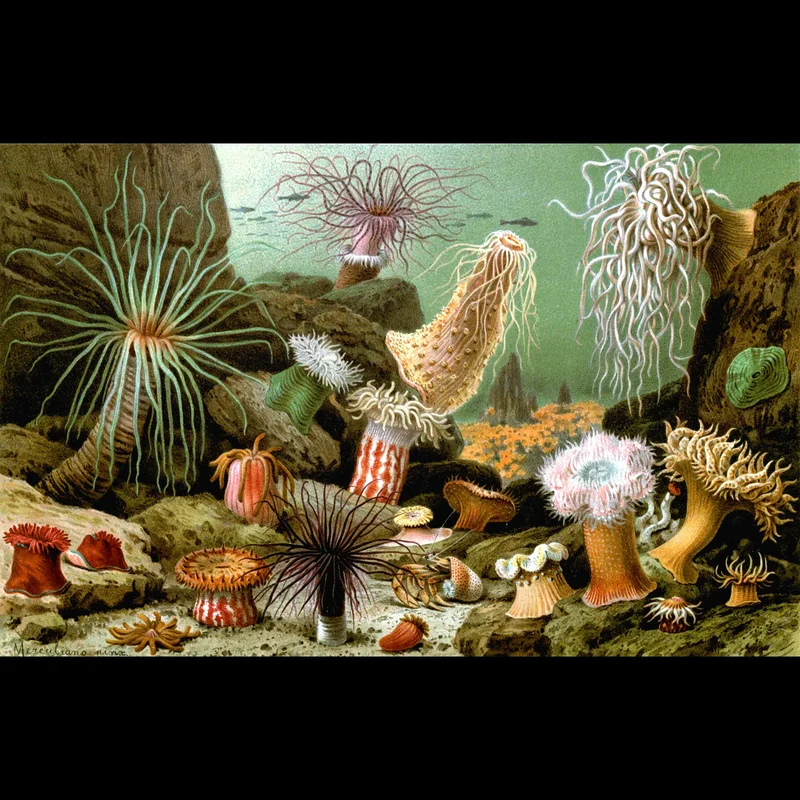
Larger predatory fish may also be observed patrolling the perimeters of the reef, drawn by the abundance of smaller prey. Over time, the culverts become encrusted with corals, sponges, and anemones, further enhancing the biodiversity and visual appeal of this man-made habitat.
Dive Centers Near Rube Allyn Reef Site 8(2)-Load #11
Today: 10:00 - 17:00
Nearest Airports
Nearest airports to help plan travel to this dive area.
Search Flights
Check available flights and routes on Expedia, using the nearby airports listed in this section.
Search Flights on Expedia
Plan Your Stay
Looking for a place to stay for your dive trip? Explore hotels, stays, and vacation rentals for dive groups near Belleair Beach.
Dive Navigator may earn a commission from these links at no extra cost to you.
Frequently Asked Questions
What kind of structures are present at Rube Allyn Reef Site 8(2)-Load #11?
This specific site primarily features 22 concrete culverts. These cylindrical structures are intentionally placed on the seabed to create habitat and attract marine life.
What is the typical depth for diving this site?
Rube Allyn Reef Site 8(2)-Load #11 is generally within recreational dive limits. While precise depth data for this exact load is not always detailed, most artificial reefs in the area cater to a standard recreational depth range.
What are the best months to dive Rube Allyn Reef Site 8(2)-Load #11?
Dive scores indicate that late winter through fall, particularly months with lower wave heights like July, offer favorable conditions. Air temperatures are comfortable, making these periods ideal for diving.
Is specific marine life commonly seen at this site?
While not explicitly listed, artificial reefs like this one typically attract a variety of fish seeking shelter and food. You might observe various juvenile fish, invertebrates, and potentially larger species that prey on them.
How variable is the visibility at Rube Allyn Reef Site 8(2)-Load #11?
Visibility can vary based on local currents, recent rainfall, and weather patterns. It's always a good practice to consult current dive reports or local operators for the most up-to-date conditions.
Are there any strong currents to be aware of?
Current strength can vary from mild to moderate around the artificial structures. Divers should always assess current conditions before and during their dive and plan accordingly.
What general safety precautions should be taken?
Maintaining good buoyancy control is crucial to avoid damaging the structures or stirring up sediment. Dive with a buddy, stay within your training limits, and be mindful of responsible finning techniques.
Planning to dive Rube Allyn Reef Site 8(2)-Load #11?
Send one inquiry and receive offers directly from the best verified local dive operators.
Conditions are Good
Optimal conditions expected
Current conditions near Rube Allyn Reef Site 8(2)-Load #11 show 25° air, 30° sea temperature, 0.5 m waves, and 32 km/h wind. Forecast data is refreshed regularly to ensure accuracy.