
Diving at S W of Astra (United States)
Descending into the arid expanses of the US Southwest reveals an unexpected world of freshwater dive sites. This region, encompassing areas like Lake Pleasant in Arizona, the Valhalla Missile Silo in Texas, and Homestead Crater in Utah, provides a striking contrast to ocean diving. Divers navigate a range of unique underwater topographies, from submerged historical structures to geothermal springs. These adventures often require specific considerations for altitude diving, making each excursion a distinct challenge.
As evening covers S W of Astra, the local air temperature is measured at 23.5°C. The current wave height at the surface is recorded at 0.6 m. These late-day readings characterize the surface conditions for the night.
Dive Site Location & Key Facts
Dive Site Overview
The underwater topography across the US Southwest is notably diverse, straying from conventional marine environments. Divers can explore extensive lake systems, such as Lake Pleasant, which features sunken boats, intricate canyons, secluded coves, and artificial reefs.
Homestead Crater offers a geothermal spring experience within a 17 m (55 ft) limestone rock, providing recreational diving depths of 20 m (65 ft). An entirely different environment is presented by the Valhalla Missile Silo, where divers plunge into a Cold War relic, exploring a 18 m (60 ft) wide structure that reaches depths of 52 m (170 ft). Many of these sites are located at significant elevations, ranging from 365 m (1,200 ft) at Lake Pleasant to 760 m (2,500 ft) at the Valhalla Missile Silo, which requires careful decompression planning.
Water temperatures vary considerably; lakes can be cool, while geothermal sites maintain a steady 32-35°C (90-96°F). Visibility in lake settings typically ranges from 12-18 m (40-60 ft), though local conditions can influence clarity.
Conditions are Good
Optimal conditions expected
Current conditions near S W of Astra show 24° air, 24° sea temperature, 1.1 m waves, and 37 km/h wind. Forecast data is refreshed regularly to ensure accuracy.
Best Time to Dive
Diving in the US Southwest offers varying conditions throughout the year, with optimal periods influenced by specific site characteristics. July often presents the best overall dive scores, coinciding with the region’s warmest average air temperatures around 24°C (75°F) and typically lower wave heights on open water. While water temperatures are not consistently reported across all sites, Homestead Crater provides a year-round constant water temperature of 32-35°C (90-96°F), making it an appealing option regardless of the seasonal air temperature fluctuations, which can drop to 2°C (36°F) in January. Lake Pleasant is also considered a viable year-round destination, maintaining good visibility even when winter water temperatures are colder. Rain is generally minimal across the area, with monthly averages typically between 1.8 mm and 4.1 mm. Overall dive scores are moderate for much of the year, showing an improvement to a 'Good' rating in July.
PEAK SEASON SCORE
Scores combine air & water temps, waves, wind & rainfall for overall conditions.
BEST MONTHS TO DIVE
Monthly records compiled from satellite and marine observation nodes over the last 3 years. Data provided by Open-Meteo and MET Norway.
Dive Experience & Conditions
Divers exploring the freshwater oases of the US Southwest encounter environments distinctly different from oceanic dives. Venturing into an old missile silo like Valhalla or navigating the submerged landscapes of Lake Pleasant provides a journey through geological formations or human-made historical artifacts. While marine life may be confined to freshwater species such as catfish, carp, bluegill, and bass, the primary appeal often lies in the unique structures and the novelty of inland diving. Visibility in these lake environments can reach 12-18 m (40-60 ft), but local sediment or weather patterns may temporarily reduce clarity. Water temperatures range widely, from comfortably warm in geothermal springs to quite cold in lakes during cooler months. This variability dictates careful selection of exposure protection. Many dive sites are situated at altitude, demanding adherence to specialized dive tables and conservative ascent rates to mitigate the risks associated with decompression sickness.
Dive Difficulty & Safety Guidelines
Diving in the US Southwest necessitates a thorough understanding of elevation diving protocols. Sites such as Lake Pleasant, at 365 m (1,200 ft) above sea level, and Valhalla Missile Silo, at 760 m (2,500 ft) above sea level, require adjusted dive planning to prevent decompression sickness.
It's crucial for divers to avoid rapid elevation changes both before and after their dives. Water temperatures also fluctuate significantly across the region, from frigid lake depths to consistently warm geothermal springs; therefore, appropriate thermal protection is paramount.
While visibility is generally good, it can change based on local conditions or sediment disturbance. Always confirm your dive computer is set for altitude diving, and carefully calculate no-fly times following multi-day or deep dives at these elevations. Local dive shops can provide essential guidance and altitude-specific training.
Recommended Equipment
- Dive Computer
This gear list is based on verified equipment signals for S W of Astra, United States. Always confirm final gear choices with your dive operator, guide, or liveaboard.
Recommended Dive Suit
Divers visiting S W of Astra today can expect water conditions around 24°C (75°F). Surface air temperatures are resting at 24°C (74°F).
3-5mm wetsuit generally offers enough warmth for most dives under these conditions. A hood or vest is suggested for sensitive divers due to surface winds.
Surface temperatures may decrease slightly later in the week. Cooler days are ahead; you might want a warmer option for later in the week. Some divers prefer carrying a slightly thicker suit as a backup.
Emergency & Medical Support
Essential information to help you plan your dive trip to S W of Astra.

Hyperbaric chambers are a critical part of dive safety infrastructure. Availability varies significantly by region, and not all dive areas have immediate access.
Before diving, it's recommended to:
- confirm nearest medical facilities
- check emergency procedures with local dive operators
- ensure dive insurance covers evacuation if required
Divers Alert Network
Diving emergency assistance available through DAN World.
+1-919-684-9111- 24/7 emergency hotline
- Diving medical assistance
- Evacuation coordination
Emergency contacts are provided for reference. Always verify local emergency services before diving.
Marine Life at S W of Astra
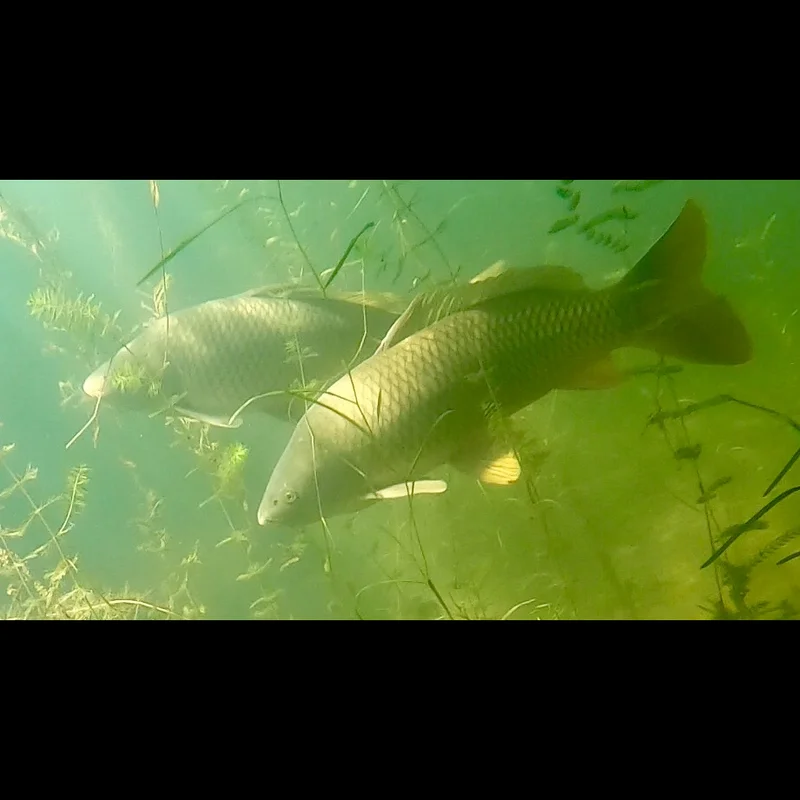
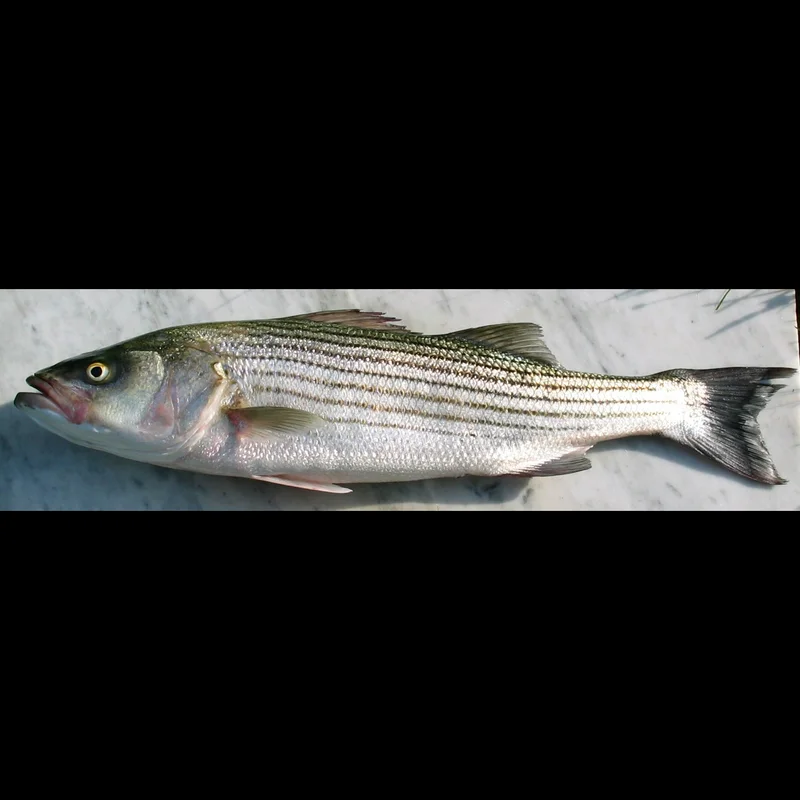
When exploring the unique underwater sites of the US Southwest, divers will primarily encounter freshwater aquatic life. In locations like Lake Pleasant, the resident species include catfish, carp, bluegill, and bass.
The diving focus here shifts from the extensive biodiversity of coral reefs to observing the behaviors of these resilient freshwater fish against distinctive backdrops, including natural lake features and sunken structures. In more artificial or geologically distinct environments, such as the Valhalla Missile Silo or Homestead Crater, fish populations are typically limited or entirely absent, with the experience concentrating instead on the site's unique structure and environment.

Dive Centers Near S W of Astra
Nearest Airports
Nearest airports to help plan travel to this dive area.
Search Flights
Check available flights and routes on Expedia, using the nearby airports listed in this section.
Search Flights on Expedia
Plan Your Stay
Looking for a place to stay for your dive trip? Explore hotels, stays, and vacation rentals for dive groups near Brigantine.
Dive Navigator may earn a commission from these links at no extra cost to you.
Frequently Asked Questions
What types of dive sites are available in the US Southwest?
The US Southwest offers diverse diving experiences, including sunken boats, canyons, and coves in freshwater lakes. You can also explore unique environments like geothermal springs and a former nuclear missile silo.
Are there unique environmental considerations for diving in this region?
Yes, many sites are at significant elevations, requiring specific altitude diving protocols to prevent decompression sickness. Water temperatures vary widely, from cold lakes to warm geothermal springs, necessitating appropriate thermal protection.
What are the typical water temperatures?
Water temperatures vary considerably. Lakes can be cold, particularly in winter, while sites like Homestead Crater maintain a constant 32-35°C (90-96°F) year-round due to their geothermal nature.
What is the visibility like?
Visibility in the lakes is generally good, often ranging from 12-18 m (40-60 ft). However, local conditions, sediment, or plankton blooms can sometimes affect clarity.
What marine life can I expect to see?
In freshwater lakes such as Lake Pleasant, you'll primarily see freshwater species like catfish, carp, bluegill, and bass. Other sites like missile silos or geothermal craters typically host very limited or no fish life.
Is gear rental available at these dive sites?
Yes, local dive shops in nearby cities and some specific dive sites, like Homestead Crater, offer gear rentals and tank fills to facilitate your diving experience.
Planning to dive S W of Astra?
Send one inquiry and receive offers directly from the best verified local dive operators.
Conditions are Good
Optimal conditions expected
Current conditions near S W of Astra show 24° air, 24° sea temperature, 1.1 m waves, and 37 km/h wind. Forecast data is refreshed regularly to ensure accuracy.