
Diving at Sarasota Sportsman Reef, M-17 (United States)
Descending to a maximum depth of 18 m (60 ft), the Sarasota Sportsman Reef, M-17, presents an accessible artificial reef system. Comprising three distinct sections—M-17a, M-17b, and M-17c—each element of this site is strategically deployed to enhance the underwater experience. These sections are composed of multiple clusters of concrete reef balls, providing varied relief for marine life.
Tonight's objective overview for Sarasota Sportsman Reef, M-17 shows an air temperature of 26.5°C. The measured surface conditions include wave heights around 0.7 m. This environmental data is logged for the close of the day.
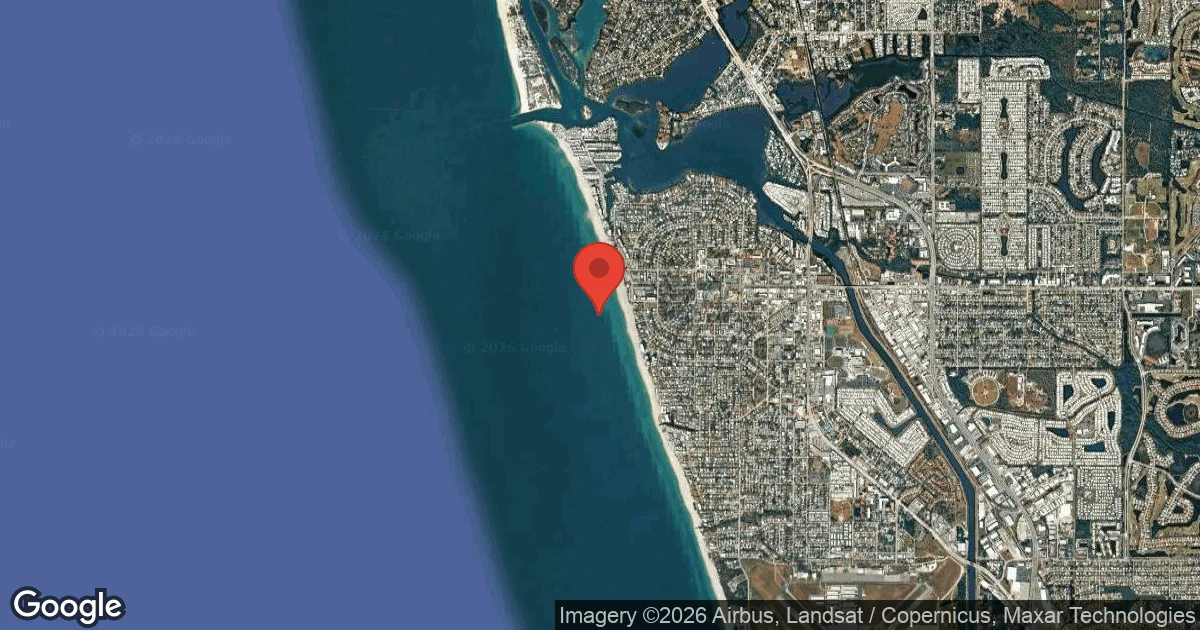
Dive Site Location & Key Facts
Dive Site Overview
Sarasota Sportsman Reef M-17 is an artificial reef complex specifically deployed to augment recreational diving opportunities and enrich marine habitats within Sarasota County. Consisting of three designated sites, M-17a, M-17b, and M-17c, each contributed 60 concrete reef balls to the seabed, creating distinct structural formations.
The reef balls rise about 1.2 m (4 ft) from the bottom, offering immediate vertical relief. Artificial reefs like these are a key component of the region's efforts to foster diverse ecosystems and alleviate pressure on natural reef systems. Divers exploring this site will find a series of reef ball groupings, allowing for exploration across multiple clusters.
These structures effectively break up the sandy bottom, providing shelter and foraging grounds for a variety of species. Navigating between the clusters, divers observe how human-made formations integrate with the marine environment, attracting a consistent array of local fish populations and creating a dynamic dive experience within recreational limits.
Conditions are Good
Optimal conditions expected
Current conditions near Sarasota Sportsman Reef, M-17 show 27° air, 31° sea temperature, 0.3 m waves, and 21 km/h wind. Forecast data is refreshed regularly to ensure accuracy.
Best Time to Dive
Diving conditions vary throughout the year at Sarasota Sportsman Reef, M-17. July generally presents excellent conditions, with lower wave heights averaging 0.5 m (1.6 ft) and moderate wind speeds. Good diving conditions also extend from February through May, and again from November to December. During these months, average air temperatures range from 17-26°C (63-79°F), with February, March, April, and November scoring particularly well for diving. Although specific water temperature data isn't consistently reported, it typically aligns with seasonal air temperature trends, indicating warmer waters during the peak summer and early fall. Conversely, January sees a 'Moderate' dive score, with air temperatures averaging 16°C (61°F) and higher wave heights, potentially making for a less comfortable experience. Planning a trip between late spring and early autumn generally provides the most favorable weather for an enjoyable dive, minimizing surface chop and maximizing comfort.
PEAK SEASON SCORE
Scores combine air & water temps, waves, wind & rainfall for overall conditions.
BEST MONTHS TO DIVE
Monthly records compiled from satellite and marine observation nodes over the last 3 years. Data provided by Open-Meteo and MET Norway.
Dive Experience & Conditions
Upon entering the water at Sarasota Sportsman Reef, M-17, divers are immediately immersed in an artificial reef environment engineered to support marine biodiversity. Reef elements, predominantly concrete reef balls, are distributed across three sections—M-17a, M-17b, and M-17c. These sections form a series of low-profile structures at a maximum depth of 18 m (60 ft), making the site suitable for open water certified divers. Water clarity can vary depending on recent weather and tidal conditions; however, offshore sites in this region frequently offer good visibility. Water temperature isn't consistently reported, but the site's Gulf of Mexico location means typically warm conditions, especially during summer and fall. Currents can be present and may dictate the dive plan, so monitoring local reports is advisable. The structures provide immediate shelter for smaller fish and invertebrates, while also attracting larger pelagic species. Exploring the contours and crevices of the reef balls rewards divers with close-up observations of resident marine life.
Dive Difficulty & Safety Guidelines
Ensuring diver safety and environmental protection at Sarasota Sportsman Reef, M-17, requires adherence to specific guidelines. Manatees inhabit these waters and are a protected species; exercise extreme caution with motorboats to prevent injuries. Avoid damaging delicate seagrass beds, as propeller cuts take years to heal and disrupt vital nursery habitats.
Divers are encouraged not to tie to existing buoys. To locate the specific reef elements, navigate to the GPS coordinates and mark the spot with a weighted float.
Since GPS coordinates are precise only within a range, an outward spiral search using depth profile equipment is recommended to find the reef structures. Always dive within your certification limits and be mindful of your air consumption and bottom time, particularly when exploring deeper sections.
Recommended Equipment
- Dive Computer
This gear list is based on verified equipment signals for Sarasota Sportsman Reef, M-17, United States. Always confirm final gear choices with your dive operator, guide, or liveaboard.
Recommended Dive Suit
For dives of average duration, dive skin or rash guard usually provides sufficient protection from heat loss. Consider warmer surface protection (like a boat coat) due to brisk winds.
Current readings at Sarasota Sportsman Reef, M-17 show water temperatures near 31°C (88°F). Surface air temperatures are resting at 27°C (80°F).
Weather projections show fairly stable environmental conditions ahead.
Due to technical issues with our weather providers, live updates are temporarily delayed. The data above reflects the conditions at the time of the last successful fetch.
Emergency & Medical Support
Essential information to help you plan your dive trip to Sarasota Sportsman Reef, M-17.

Hyperbaric chambers are a critical part of dive safety infrastructure. Availability varies significantly by region, and not all dive areas have immediate access.
Before diving, it's recommended to:
- confirm nearest medical facilities
- check emergency procedures with local dive operators
- ensure dive insurance covers evacuation if required
Divers Alert Network
Diving emergency assistance available through DAN World.
+1-919-684-9111- 24/7 emergency hotline
- Diving medical assistance
- Evacuation coordination
Emergency contacts are provided for reference. Always verify local emergency services before diving.
Marine Life at Sarasota Sportsman Reef, M-17
The concrete reef balls at Sarasota Sportsman Reef M-17 offer essential habitat for a diverse range of marine species. Divers frequently encounter schools of snook, redfish, pompano, and various types of mackerel.
Ladyfish, sheepshead, and seatrout are also common sightings, navigating the reef structures. Seasonally, kingfish are attracted to these reef environments and surrounding hard bottom areas.
Larger predators, including tarpon, can be observed in the vicinity, adding to the excitement of the dive. Additionally, the artificial structures provide shelter for smaller invertebrates and juvenile fish, contributing to the site's rich biodiversity.

Dive Sites Near Sarasota Sportsman Reef, M-17
View all dive sites in United StatesDiscover more underwater gems in this area.
Dive Centers Near Sarasota Sportsman Reef, M-17
Today: 09:00 - 18:00
Nearest Airports
Nearest airports to help plan travel to this dive area.
Search Flights
Check available flights and routes on Expedia, using the nearby airports listed in this section.
Search Flights on ExpediaFrequently Asked Questions
What is the maximum depth of Sarasota Sportsman Reef, M-17?
The maximum depth at Sarasota Sportsman Reef, M-17, is 18 m (60 ft). This makes it an accessible dive for open water certified divers, offering a comfortable recreational depth range.
What type of reef is Sarasota Sportsman Reef, M-17?
This is an artificial reef system, intentionally constructed using clusters of concrete reef balls. These structures were deployed to create new marine habitats and enhance recreational diving opportunities within Sarasota County.
What kind of marine life can I expect to see?
The reef attracts a variety of species, including snook, redfish, pompano, and mackerel. Divers might also spot ladyfish, sheepshead, and seatrout, with kingfish and tarpon present seasonally.
When is the best time to dive this site?
July generally offers excellent diving conditions, characterized by lower wave heights. Good conditions are also common from February to May and November to December. These periods typically provide more favorable surface weather and underwater clarity.
Are there any specific safety guidelines for diving here?
Yes, divers should be aware of manatees and operate boats cautiously. It's crucial to avoid damaging seagrass beds with propellers. Additionally, using a weighted float to mark the site and searching in an outward spiral is recommended for precise reef location.
How do I navigate to the reef structures once I'm at the site's coordinates?
Upon reaching the GPS coordinates, it is advised to mark the general area with a weighted float. Since coordinate precision can vary, an outward spiral search pattern using depth profile equipment helps in locating the individual reef ball clusters.
Planning to dive Sarasota Sportsman Reef, M-17?
Send one inquiry and receive offers directly from the best verified local dive operators.
Conditions are Good
Optimal conditions expected
Current conditions near Sarasota Sportsman Reef, M-17 show 27° air, 31° sea temperature, 0.3 m waves, and 21 km/h wind. Forecast data is refreshed regularly to ensure accuracy.