
Diving at Seahorse Reef (United States)
Seahorse Reef presents a captivating dual identity: a shore-accessible artificial reef engineered to foster marine life, while also serving as a compelling shallow dive for certified enthusiasts. This innovative structure, part of the wider SWARA system, blends ecological purpose with recreational opportunity. It challenges the conventional idea of what constitutes a dive site, inviting exploration within its unique, intentional contours.
Evening condition tracking at Seahorse Reef features an air temperature of 25.5°C. We have recorded wave heights measuring 0.4 m during this period. These figures outline the environmental parameters currently present.
Dive Site Location & Key Facts
Dive Site Overview
A thoughtfully constructed artificial habitat, Seahorse Reef emerges from 78 individual EcoSystem Reefs, artfully deployed in the distinctive shape of a seahorse. The purpose-built structures, comprising steel, concrete, and Florida limestone, are firmly anchored by fiberglass pilings driven into the sandy bottom, providing immediate shelter and a developing food source for marine life.
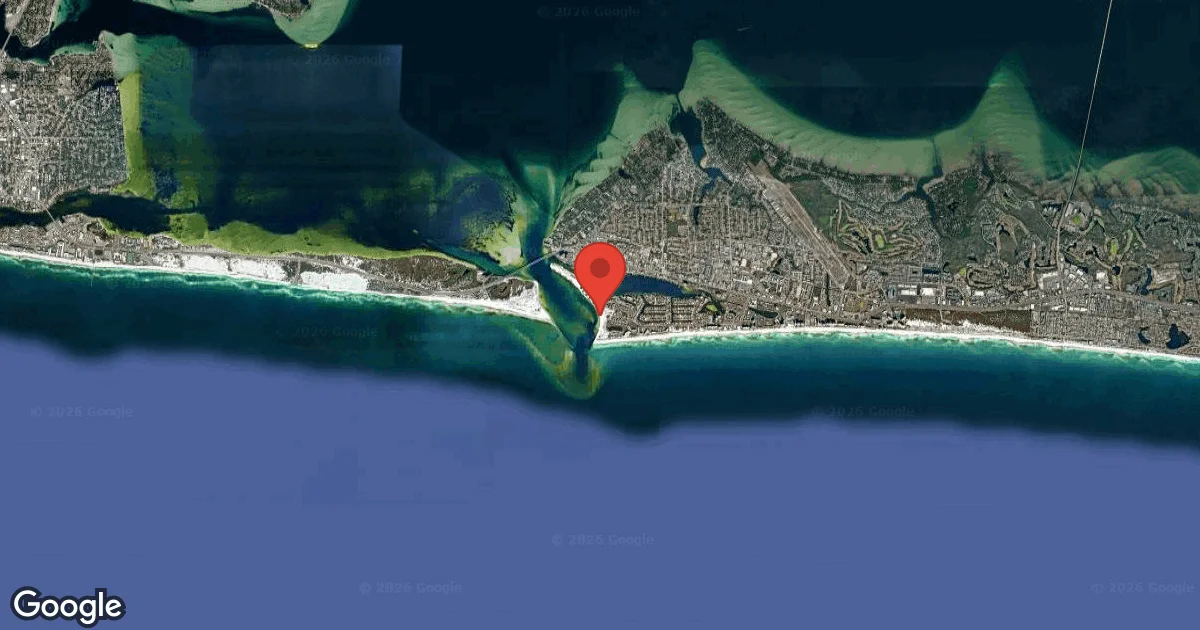
This innovative reef rests approximately 715 feet (218 m) from the shoreline off Topsail Hill State Park. It's accessible via paddleboard, kayak, or other personal flotation devices for snorkelers, but divers will benefit from a boat with GPS for accurate navigation to the site.
Depths here typically range from 13 to 18 feet (4 to 5.5 m), placing the reef squarely within recreational dive limits. Its shallow nature ensures ample sunlight penetration, fostering algal growth and a vibrant initial food web.
While initially conceived as a snorkel reef, its extensive structure and potential for marine growth offer an intriguing, shallow dive experience for certified divers. SWARA continues to document the reef's development, intending it to become a valuable subject for research and future educational programs, contributing to understanding artificial reef dynamics.
Conditions are Good
07:00 - 14:00
Optimal conditions expected
Current conditions near Seahorse Reef show 26° air, 30° sea temperature, 0.3 m waves, and 23 km/h wind. Forecast data is refreshed regularly to ensure accuracy.
Best Time to Dive
Planning a visit to Seahorse Reef benefits from considering seasonal patterns, though diving conditions are generally favorable year-round. From July through October, air temperatures are at their warmest, averaging between 22°C and 28.5°C (83°F)and 83.2°F), often accompanied by lower wave heights that can enhance comfort for surface access. Rainfall during these months is moderate, typically ranging from 2.5 mm to 5.36 mm. During the cooler months, from November to April, air temperatures average 11°C to 20.5°C (69°F)to 68.7°F), with slightly increased wave heights and similar rainfall. Water temperatures are not consistently reported for this specific location but generally mirror regional patterns, varying throughout the year. For consistent 'Good' dive scores, the entire calendar year offers opportunities, but the warmer air and calmer seas of late summer and early fall tend to create the most pleasant overall conditions.
PEAK SEASON SCORE
Scores combine air & water temps, waves, wind & rainfall for overall conditions.
BEST MONTHS TO DIVE
Monthly records compiled from satellite and marine observation nodes over the last 3 years. Data provided by Open-Meteo and MET Norway.
Dive Experience & Conditions
Approaching Seahorse Reef, you'll feel the gentle swell typical of nearshore Gulf waters, which can shift quickly. Once submerged, the maximum depth of 18 feet (5.5 m) allows for extended bottom times within a brightly lit environment. Navigating the contours of the seahorse-shaped reef, divers can explore the numerous individual EcoSystem Reef structures, each providing intricate nooks and crannies. These formations, made of concrete and limestone, offer a varied tactile experience compared to natural coral. Visibility can fluctuate with recent weather events and currents, making surface markers and careful navigation important. The shallow nature of the site means sunlight penetrates effectively, illuminating the emerging marine growth and potential inhabitants that find refuge here.
Dive Difficulty & Safety Guidelines
Prioritizing safety at Seahorse Reef is paramount, as sea conditions can and often do change without warning. Florida State Law mandates that all divers prominently display a diver-down flag or buoys when in the water. Visitors are advised that SWARA, the deploying entity, holds no responsibility for incidents occurring at their reef sites; personal discretion and preparedness are crucial.
Diving this site requires appropriate certification, and you must operate within your personal training and experience limits. As an artificial reef, adherence to marine conservation principles, such as taking only pictures and leaving only bubbles, helps preserve this developing ecosystem. Always conduct a thorough pre-dive check and monitor conditions closely.
Recommended Equipment
- Dive Computer
This gear list is based on verified equipment signals for Seahorse Reef, United States. Always confirm final gear choices with your dive operator, guide, or liveaboard.
Recommended Dive Suit
Divers planning relaxed exploration may appreciate the warmth of dive skin or rash guard. A hood or vest is suggested for sensitive divers due to surface winds. Divers often notice that perceived temperature can feel cooler during deeper or longer dives.
At the moment, divers exploring Seahorse Reef will likely experience water temperatures near 30°C (86°F). Surface air temperatures are resting at 26°C (78°F).
Conditions are expected to stay fairly consistent in the days ahead.
Emergency & Medical Support
Essential information to help you plan your dive trip to Seahorse Reef.

Hyperbaric chambers are a critical part of dive safety infrastructure. Availability varies significantly by region, and not all dive areas have immediate access.
Before diving, it's recommended to:
- confirm nearest medical facilities
- check emergency procedures with local dive operators
- ensure dive insurance covers evacuation if required
Divers Alert Network
Diving emergency assistance available through DAN World.
+1-919-684-9111- 24/7 emergency hotline
- Diving medical assistance
- Evacuation coordination
Emergency contacts are provided for reference. Always verify local emergency services before diving.
Marine Life at Seahorse Reef
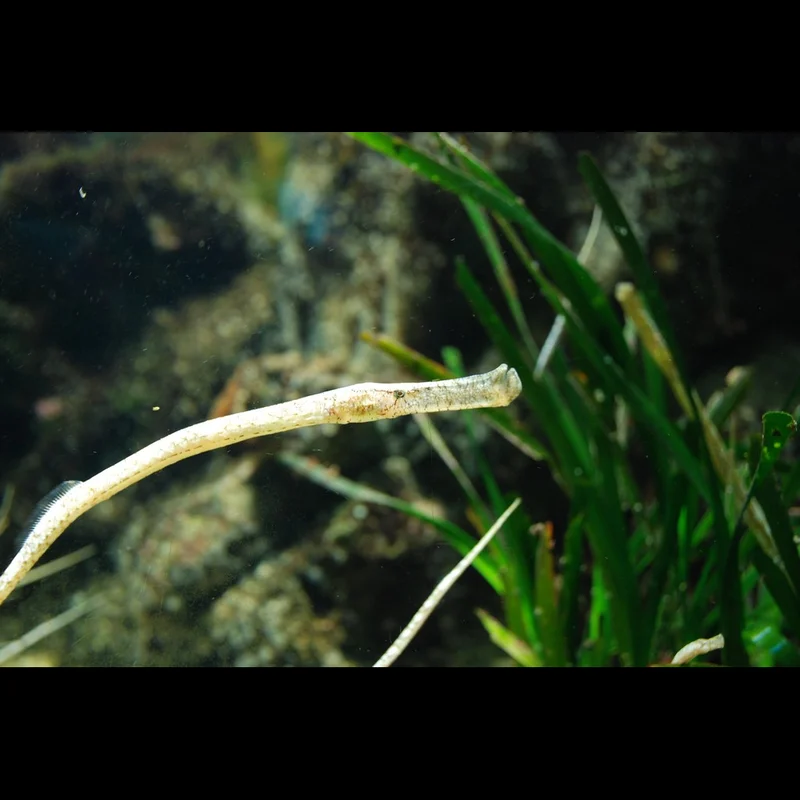
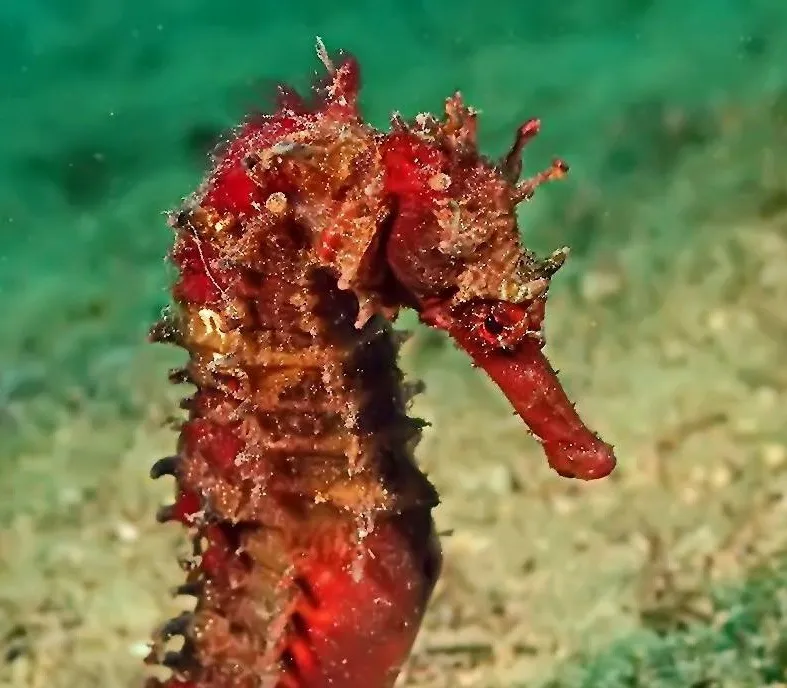
Seahorse Reef's artificial structures are specifically engineered to provide both shelter and a sustainable food source, attracting a diverse array of marine life to its developing ecosystem. While specific species reports for this exact site vary, similar shallow artificial reefs in the region often host juvenile tropical fish, various invertebrates, and a range of smaller bottom dwellers. The deliberate 'seahorse' shape of the reef even suggests the potential for encounters with pipefish or perhaps even their namesake, as these habitats mature.
Dive Sites Near Seahorse Reef
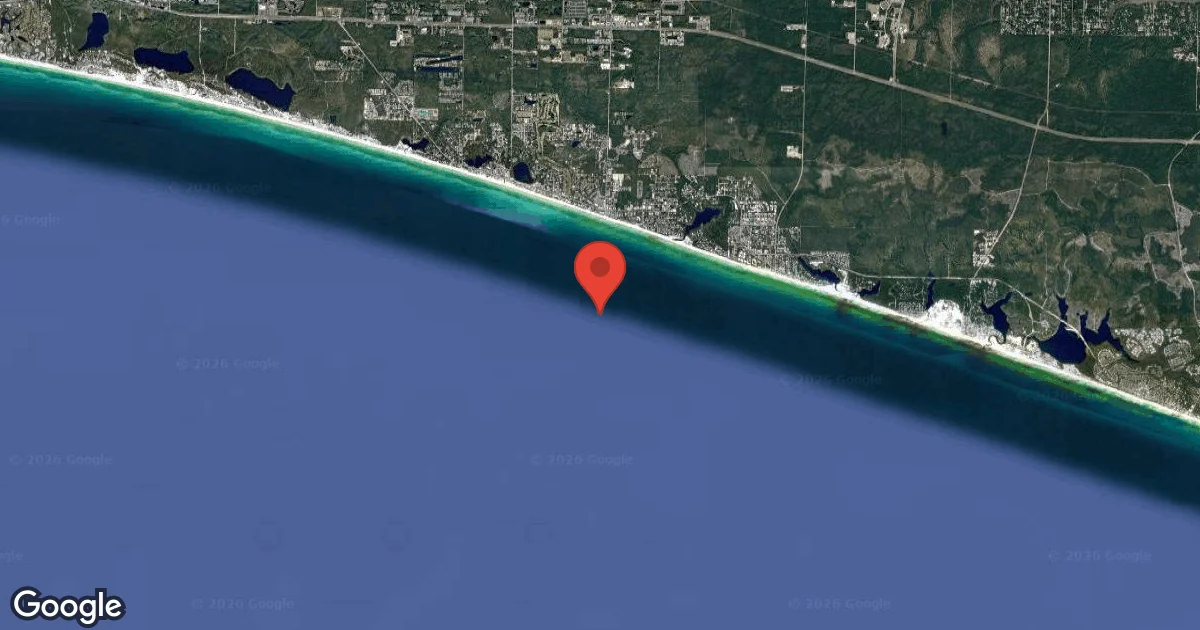
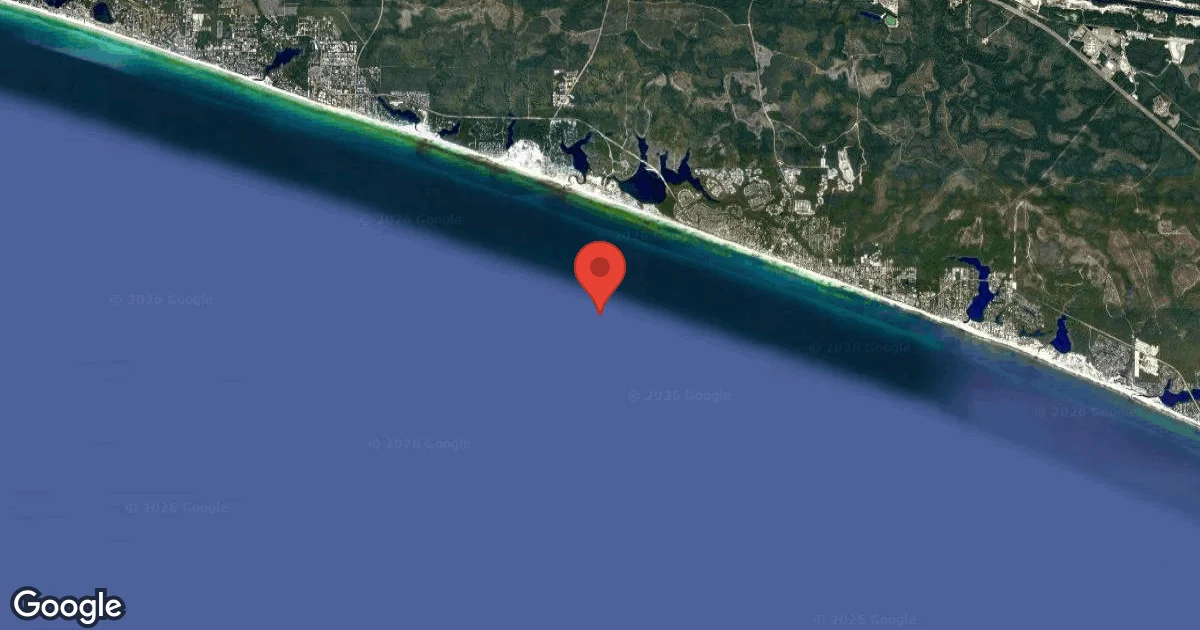
View all dive sites in United StatesDiscover more underwater gems in this area.
Dive Centers Near Seahorse Reef
Today: 09:00 - 16:00
Nearest Airports
Nearest airports to help plan travel to this dive area.
Search Flights
Check available flights and routes on Expedia, using the nearby airports listed in this section.
Search Flights on Expedia
Plan Your Stay
Looking for a place to stay for your dive trip? Explore hotels, stays, and vacation rentals for dive groups near Santa Rosa Beach.
Dive Navigator may earn a commission from these links at no extra cost to you.
Frequently Asked Questions
What is the maximum depth at Seahorse Reef?
Seahorse Reef is a shallow dive site. Depths generally range from 13 to 18 feet (4 to 5.5 m), making it ideal for extended bottom times and recreational divers.
How far is Seahorse Reef from the shore?
This reef lies approximately 715 feet (218 m) from the shoreline, off Topsail Hill State Park. It's considered shore-accessible, though a flotation device is recommended for easier access.
Is Seahorse Reef suitable for both snorkeling and diving?
Yes, while primarily designed as a snorkel reef due to its shallow depth, its extensive artificial structure also makes it an engaging site for certified divers, particularly those seeking a relaxed, shallow exploration.
What type of structures make up Seahorse Reef?
The reef consists of 78 individual EcoSystem Reef structures, composed of steel, concrete, and Florida limestone. They are deployed in the shape of a seahorse to create complex habitats.
What kind of marine life can be seen there?
The structures are designed to attract and support a wide range of species, including various juvenile tropical fish and invertebrates as marine growth establishes. Expect to see smaller reef inhabitants thriving in the developing ecosystem.
Do I need a dive flag when visiting Seahorse Reef?
Yes. Florida State Law requires that all divers prominently display a diver-down flag or buoys in areas where diving activities are occurring, which includes this reef site.
Planning to dive Seahorse Reef?
Send one inquiry and receive offers directly from the best verified local dive operators.
Conditions are Good
07:00 - 14:00
Optimal conditions expected
Current conditions near Seahorse Reef show 26° air, 30° sea temperature, 0.3 m waves, and 23 km/h wind. Forecast data is refreshed regularly to ensure accuracy.