
Diving at Silvertooth 25 (United States)
More than a traditional dive site, Silvertooth Reef serves as an enduring memorial and a burgeoning marine habitat. A unique location in Florida features purpose-built reef balls, integrating cremated remains into new underwater structures. Divers exploring Silvertooth discover both a poignant tribute and a developing underwater ecosystem. It's an experience that blends a respect for remembrance with the exploration of burgeoning ocean life.
Afternoon measurements for Silvertooth 25 show the air has reached 26°C. The recorded surface conditions at this location feature wave heights of 0.2 m. These metrics are updated to reflect the ongoing daily shifts.
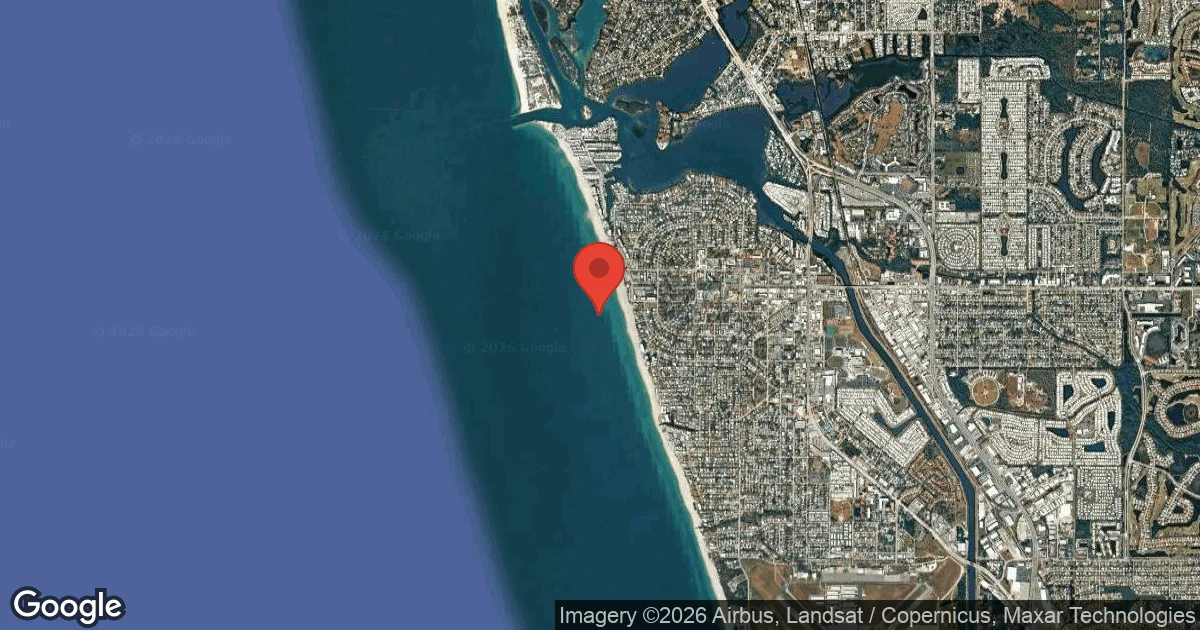
Dive Site Location & Key Facts
Dive Site Overview
Silvertooth Reef, located in the Gulf of Mexico near Venice, Florida, is primarily an artificial reef system designed for both environmental enhancement and recreational diving. It features numerous large cement reef balls, strategically placed on a sandy bottom to foster new marine habitats.
These structures are more than just dive points; they serve as permanent memorials, incorporating cremated remains within the cement to honor loved ones while simultaneously encouraging new aquatic life. Diving at Silvertooth typically involves two-tank boat excursions, reaching maximum depths shallower than 12 m (40 ft). Below the surface, a sandy substrate dominates, with reef balls introducing relief and complexity, slowly attracting a variety of marine species.
While the primary focus here is the developing artificial reef, the broader Venice area is also known for its fossilized shark tooth diving, providing an additional layer of potential exploration for divers interested in paleontology. Visibility at Silvertooth Reef can vary, often limited to a range of 6-7.6 m (20-25 ft), a common characteristic for dives over sandy expanses in this region.
Engaging with this location provides a distinct underwater experience, blending memorialization with ecological development.
Conditions are Good
Optimal conditions expected
Current conditions near Silvertooth 25 show 26° air, 31° sea temperature, 0.3 m waves, and 18 km/h wind. Forecast data is refreshed regularly to ensure accuracy.
Best Time to Dive
Optimal diving at Silvertooth Reef generally occurs from May through September, consistently yielding excellent dive scores. Air temperatures during these months are particularly inviting, ranging from 25.5°C (78°F) in May to a high of 28.5°C (83°F) in July, with September maintaining a comfortable 27°C (81°F). Wave heights tend to be at their lowest, often between 0.3 to 0.5 m (1.0 to 1.6 ft), contributing to calmer surface conditions. While rainfall sees an increase during the summer, particularly in August averaging 9.29 mm (0.37 inches), conditions typically support good diving. Conversely, winter months, though still rated as "Good," experience cooler air temperatures, dropping to 15.5°C (60°F) in January, alongside higher average wave heights up to 0.8 m (2.6 ft), which can sometimes impact comfort and dive accessibility. Water temperatures are not consistently reported but are expected to follow air temperature trends, remaining warmer during these peak months.
PEAK SEASON SCORE
Scores combine air & water temps, waves, wind & rainfall for overall conditions.
BEST MONTHS TO DIVE
Monthly records compiled from satellite and marine observation nodes over the last 3 years. Data provided by Open-Meteo and MET Norway.
Dive Experience & Conditions
Diving Silvertooth Reef involves staying within recreational depths, generally shallower than 12 m (40 ft), making it accessible for open water certified divers. A typical dive profile entails exploring the artificial reef structures across a sandy bottom. Visibility is a key factor here; it's variable but often limited to a range of 6-7.6 m (20-25 ft), requiring divers to maintain situational awareness and stay close to their buddy. Currents in the Gulf of Mexico can fluctuate, sometimes requiring careful positioning, though specific patterns for Silvertooth are not consistently reported. Divers should be prepared for potential movement, especially during tidal changes. Such an environment encourages a slow, methodical exploration of the reef balls and the developing marine life they support. Because of the conditions, all dives at this location require adherence to buddy team protocols, with independent diving not permitted.
Dive Difficulty & Safety Guidelines
A primary safety guideline at Silvertooth Reef mandates diving in buddy teams; independent diving is not allowed. Given the variable and often limited visibility, typically 6-7.6 m (20-25 ft), maintaining close contact with your buddy is crucial for safe navigation. While significant hazards are not consistently reported, divers should be mindful of potential currents that can vary with local conditions and tides.
Careful planning and communication within your dive group are essential, especially when navigating the artificial reef structures. Always conduct thorough equipment checks before entering the water and adhere to conservative dive profiles, respecting depth and bottom time limits appropriate for the conditions.
Staying alert to your surroundings and any changes in environmental factors will contribute to a safe and enjoyable experience.
Recommended Equipment
- Dive Computer
This gear list is based on verified equipment signals for Silvertooth 25, United States. Always confirm final gear choices with your dive operator, guide, or liveaboard.
Recommended Dive Suit
In these water temperatures, dive skin or rash guard is a common choice for recreational diving. Longer dive profiles can make thermal protection more important than short exploratory dives.
At the moment, divers exploring Silvertooth 25 will likely experience water temperatures near 31°C (87°F). Surface air temperatures are resting at 26°C (79°F).
Forecast models indicate that diving conditions should remain largely unchanged.
Emergency & Medical Support
Essential information to help you plan your dive trip to Silvertooth 25.

Hyperbaric chambers are a critical part of dive safety infrastructure. Availability varies significantly by region, and not all dive areas have immediate access.
Before diving, it's recommended to:
- confirm nearest medical facilities
- check emergency procedures with local dive operators
- ensure dive insurance covers evacuation if required
Divers Alert Network
Diving emergency assistance available through DAN World.
+1-919-684-9111- 24/7 emergency hotline
- Diving medical assistance
- Evacuation coordination
Emergency contacts are provided for reference. Always verify local emergency services before diving.
Marine Life at Silvertooth 25
Silvertooth Reef's core purpose is to cultivate new marine habitats, making it an evolving site for various fish and other sea life. Artificial reef balls, while initially sparse, gradually attract an increasing diversity of species, forming micro-ecosystems on the sandy bottom.
Divers can anticipate observing smaller reef fish, crustaceans, and potentially some larger pelagics drawn to the developing structures.
Additionally, the broader Venice, Florida, area where Silvertooth is located is particularly well-known for diving to discover fossilized shark teeth, including the elusive megalodon teeth. While the reef itself focuses on habitat creation, the potential for encountering ancient marine remnants in nearby sites adds an intriguing dimension to the region's underwater appeal.
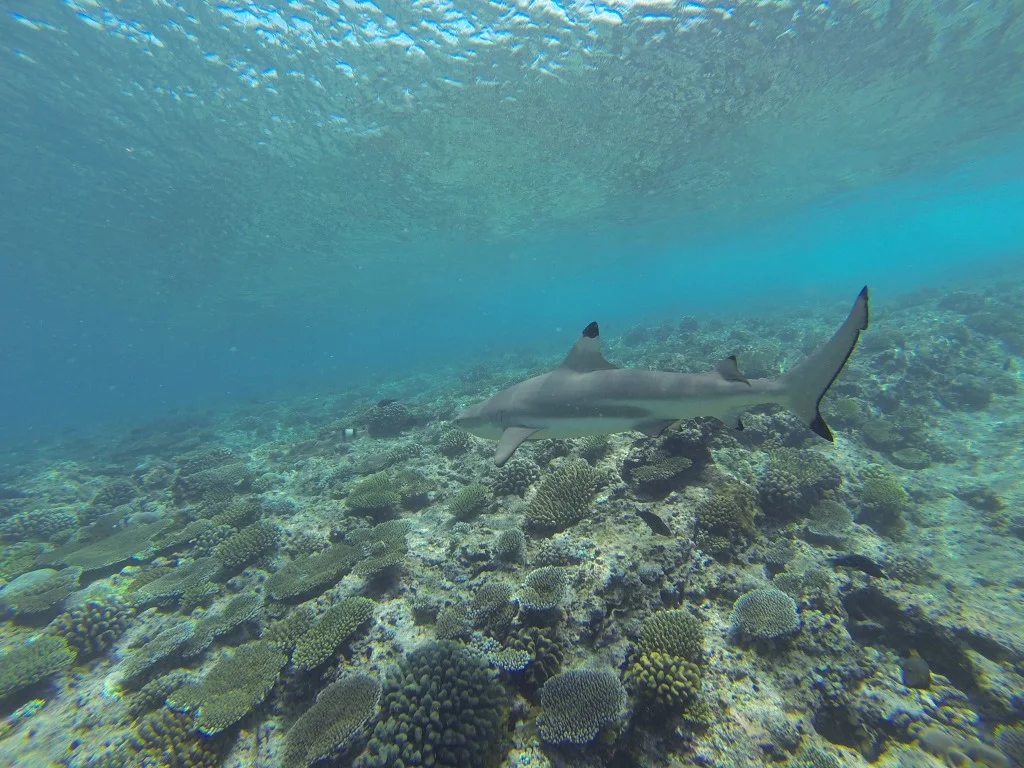
Dive Sites Near Silvertooth 25
View all dive sites in United StatesDiscover more underwater gems in this area.
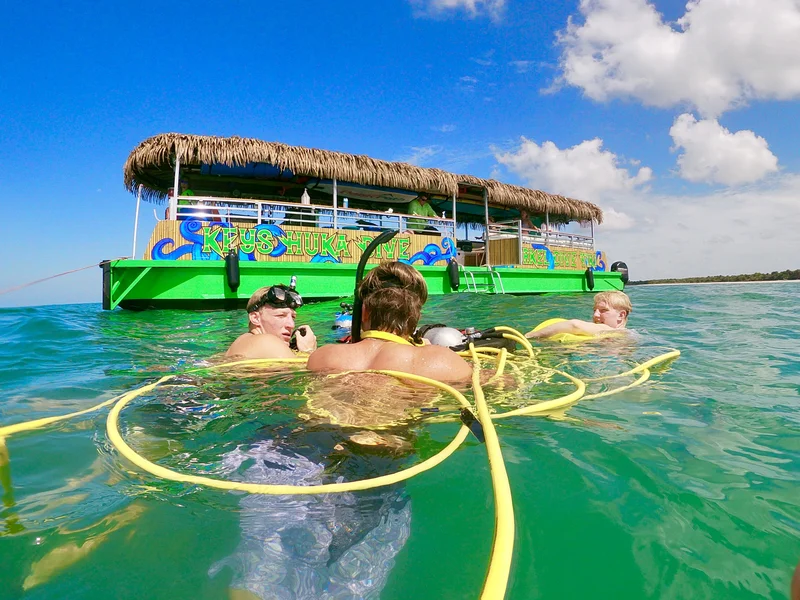
Dive Centers Near Silvertooth 25
Today: 09:00 - 18:00
Nearest Airports
Nearest airports to help plan travel to this dive area.
Search Flights
Check available flights and routes on Expedia, using the nearby airports listed in this section.
Search Flights on Expedia
Plan Your Stay
Looking for a place to stay for your dive trip? Explore hotels, stays, and vacation rentals for dive groups near Siesta Key.
Dive Navigator may earn a commission from these links at no extra cost to you.
Frequently Asked Questions
What is Silvertooth Reef's primary purpose?
Silvertooth Reef serves as an artificial reef system designed to create new marine habitats. It also functions as a permanent memorial site, where cremated remains are integrated into the reef balls, providing a unique tribute to loved ones.
What are the typical dive depths at Silvertooth Reef?
Dives at Silvertooth Reef generally occur in salt water at depths shallower than 12 m (40 ft). Its accessibility is ideal for recreational divers with open water certification.
What kind of visibility can I expect?
Visibility at Silvertooth Reef is variable, but it is often limited to a range of 6-7.6 m (20-25 ft). Divers should be prepared for these conditions and maintain close buddy contact.
Are independent dives permitted at Silvertooth Reef?
No, independent diving is not permitted at this location. All dives require adherence to buddy team protocols for safety and navigation, especially given the variable visibility.
What type of marine life can be observed?
Artificial reef structures are continually attracting diverse marine species, creating new habitats for various fish and crustaceans. Nearby, the Venice area is recognized for fossilized shark tooth diving, including megalodon teeth, in adjacent sites.
When is the best time to dive Silvertooth Reef?
Months from May, June, July, and September typically offer excellent dive conditions. Warmer air temperatures, ranging from 25.5-28.5°C (78-83°F), and calmer wave heights make diving during this period most comfortable and rewarding.
Should divers be concerned about currents?
Currents in the Gulf of Mexico can fluctuate, and while specific patterns for Silvertooth Reef are not consistently reported, divers should be prepared for potential movement. Awareness of local conditions and tides is advisable for safe positioning.
Planning to dive Silvertooth 25?
Send one inquiry and receive offers directly from the best verified local dive operators.
Conditions are Good
Optimal conditions expected
Current conditions near Silvertooth 25 show 26° air, 31° sea temperature, 0.3 m waves, and 18 km/h wind. Forecast data is refreshed regularly to ensure accuracy.