
Diving at Site #10_2010_NW (United States)
Octopus Hole in Hoodsport, Washington, offers divers a unique depth profile centered around a long, shallow wall. The wall's top sections typically begin around 4.5-6 m (15-20 ft) deep, gradually sloping to a maximum bottom depth that can reach 11-18 m (35-60 ft). This creates an accessible yet varied underwater landscape for exploration.
As evening covers Site #10_2010_NW, the local air temperature is measured at 27.5°C. The current wave height at the surface is recorded at 0.8 m. These late-day readings characterize the surface conditions for the night.
Dive Site Location & Key Facts
Dive Site Overview
Exploring Octopus Hole reveals a distinct underwater topography, defined by its signature long, shallow wall that extends offshore. This undeveloped dive site, easily accessed from the roadside north of Hoodsport, is ideal for shore or boat entry.
Divers can expect the wall's upper edge to be in the 4.5-6 m (15-20 ft) depth range, descending to deeper sections that consistently reach between 11-18 m (35-60 ft). Its northern portions feature prominent crevices and holes, creating intricate habitats for marine life within the wall structure. Further along, toward the southern end, the wall transitions to showcase more delicate growth, inviting closer inspection.
Navigating this extensive wall dive offers divers a clear progression of terrain and ecosystem, making it a reliable choice for observing subtle changes across the dive profile. It's a wall dive that feels accessible yet provides ample opportunity for focused exploration.
Conditions are Good
07:00 - 14:00
Optimal conditions expected
Current conditions near Site #10_2010_NW show 28° air, 28° sea temperature, 0.7 m waves, and 21 km/h wind. Forecast data is refreshed regularly to ensure accuracy.
Best Time to Dive
Planning a dive at Octopus Hole with a focus on optimal visibility means targeting months with calmer surface conditions and reduced rainfall. While water temperature data is not consistently reported, air temperatures are most pleasant from May through August, ranging from 24.5-28°C (76-82°F). During these months, wave heights tend to be at their lowest, typically between 0.6-0.8 m (2.0-2.6 ft), and wind speeds are generally milder. This combination helps maintain favorable surface conditions for entry and exit, often correlating with better underwater clarity. Conversely, months like October, with higher wave heights, might present more challenging conditions.
PEAK SEASON SCORE
Scores combine air & water temps, waves, wind & rainfall for overall conditions.
BEST MONTHS TO DIVE
Monthly records compiled from satellite and marine observation nodes over the last 3 years. Data provided by Open-Meteo and MET Norway.
Dive Experience & Conditions
Diving at Octopus Hole provides an immersive experience, predominantly along its extensive shallow wall. While specific current data for the site varies, local conditions can fluctuate, requiring divers to assess dynamics upon arrival. The site offers flexibility with both boat and shore entry options, making it versatile for different dive setups. Descending, divers encounter a saline environment where the wall's topography itself dictates the dive plan, transitioning from a more rugged, crevice-filled northern section to areas featuring more delicate life further south. Navigating the wall is generally straightforward, but preparedness for cooler water conditions is always advisable.
Dive Difficulty & Safety Guidelines
Approaching Octopus Hole, divers should be aware it's an undeveloped site, meaning facilities are limited. Given this, always prioritize a thorough dive plan and adhere to safe diving practices. Divers should consult with local dive professionals regarding current conditions, as visibility and minor hazards can change.
For comfortable and safe exploration of this environment, training such as PADI Advanced Open Water Diver and PADI Dry Suit Diver is highly recommended. These certifications prepare divers for deeper exploration and the typically cooler water temperatures characteristic of the region.
Recommended Equipment
- Dive Computer
This gear list is based on verified equipment signals for Site #10_2010_NW, United States. Always confirm final gear choices with your dive operator, guide, or liveaboard.
Recommended Dive Suit
Forecast models show minimal temperature variation in the coming days.
Thermal protection such as 2-3mm shorty or light wetsuit is commonly used in similar temperatures. A hood or vest is suggested for sensitive divers due to surface winds.
Recent environmental data from Site #10_2010_NW indicates water temperatures near 28°C (83°F). Surface air temperatures are resting at 28°C (82°F).
Emergency & Medical Support
Essential information to help you plan your dive trip to Site #10_2010_NW.

Hyperbaric chambers are a critical part of dive safety infrastructure. Availability varies significantly by region, and not all dive areas have immediate access.
Before diving, it's recommended to:
- confirm nearest medical facilities
- check emergency procedures with local dive operators
- ensure dive insurance covers evacuation if required
Divers Alert Network
Diving emergency assistance available through DAN World.
+1-919-684-9111- 24/7 emergency hotline
- Diving medical assistance
- Evacuation coordination
Emergency contacts are provided for reference. Always verify local emergency services before diving.
Marine Life at Site #10_2010_NW
The rugged wall and its various nooks are teeming with fascinating marine inhabitants. Divers frequently encounter Giant Pacific Octopus tucked into the larger crevices and holes, particularly in the northern reaches of the wall.
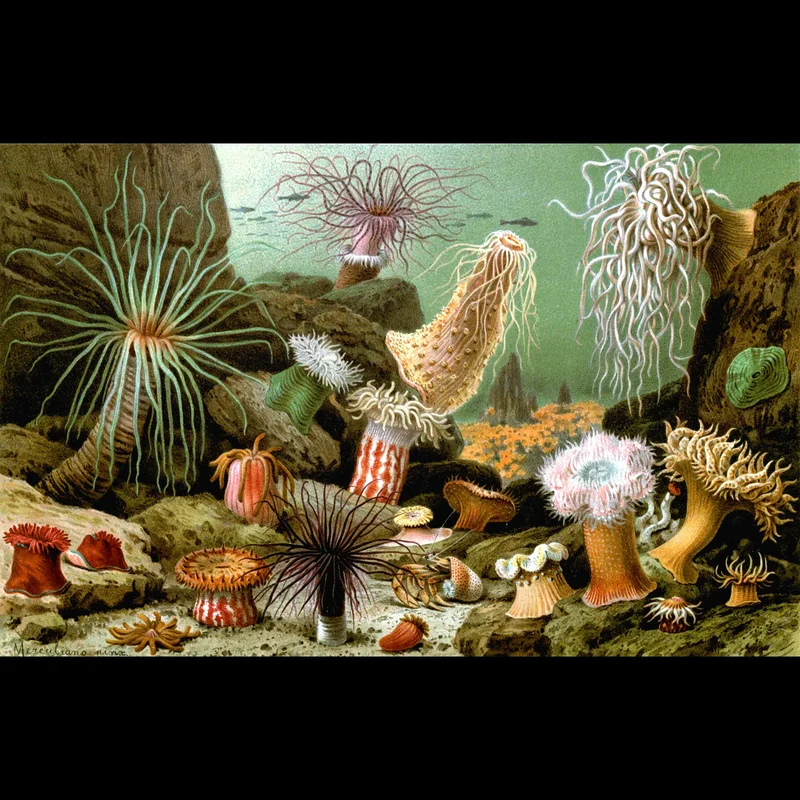
Wolf Eels are also common residents, often sharing these same protective spaces. Closer inspection of the wall reveals delicate Anemones, along with smaller, intricately patterned creatures like Sailfin Sculpin and Grunt Sculpin. Squat Lobsters, often mistaken for shrimp, add to the site's rich biodiversity.

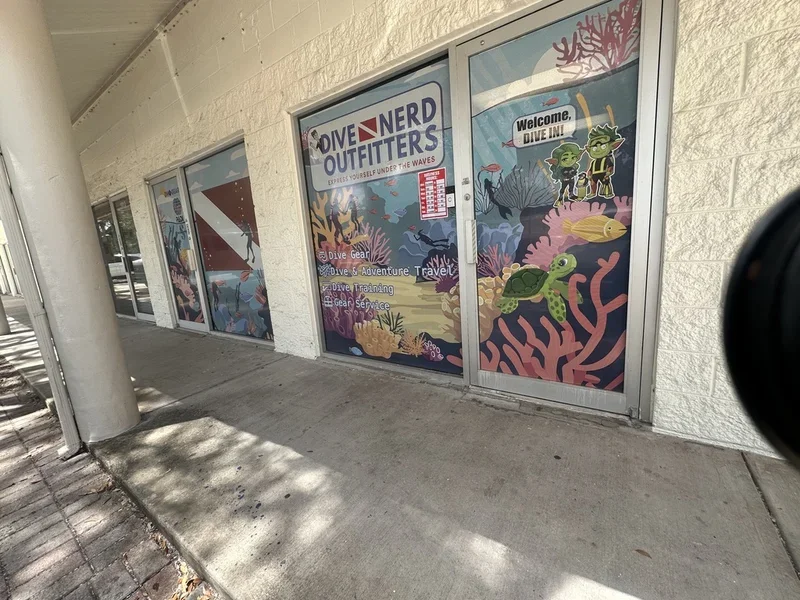
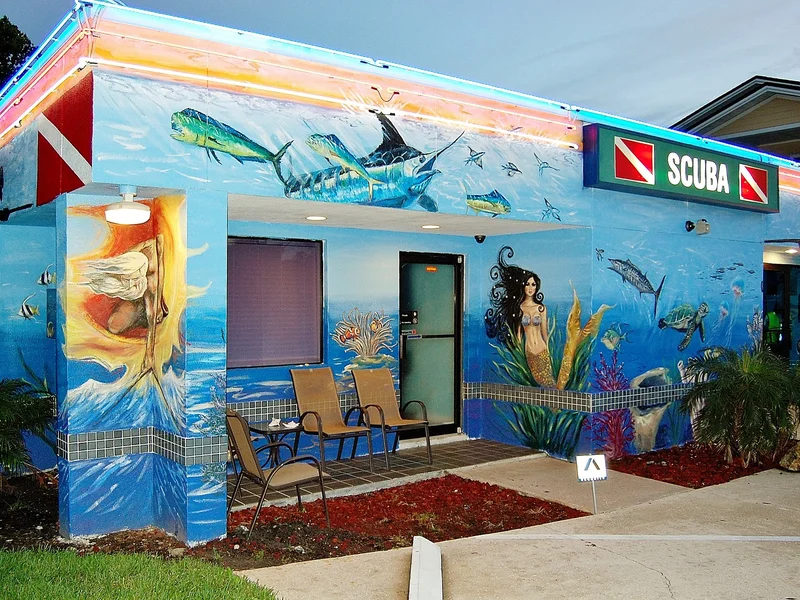
Dive Centers Near Site #10_2010_NW
Today: 10:00 - 19:00
Nearest Airports
Nearest airports to help plan travel to this dive area.
Search Flights
Check available flights and routes on Expedia, using the nearby airports listed in this section.
Search Flights on ExpediaFrequently Asked Questions
What is the typical depth at Octopus Hole?
The wall's top section begins at shallow depths, typically 4.5-6 meters. Its deeper sections commonly extend to between 11-18 meters, reaching about 35-60 feet, offering a good recreational profile.
What type of dive site is Octopus Hole?
Octopus Hole is characterized as an undeveloped wall dive site. It runs offshore and is accessible directly from the roadside, offering both shore and boat entry options.
What marine life can divers expect to see?
Divers commonly encounter Giant Pacific Octopus and Wolf Eels in crevices. Other highlights include Squat Lobsters, Anemones, Sailfin Sculpin, and Grunt Sculpin.
What training is recommended for diving here?
PADI Advanced Open Water Diver certification is recommended for deeper wall exploration. A PADI Dry Suit Diver certification is also highly advised for comfort in the colder water conditions.
How do divers enter the water at this site?
Divers have the option of either a shore entry directly from the roadside or accessing the site via a boat. Both methods are viable depending on diver preference and local conditions.
Is there a best time of year to dive Octopus Hole?
May through August generally offer optimal diving conditions. Expect higher dive scores, warmer air temperatures, and lower wave heights during this period. These months typically provide a more comfortable experience both on the surface and underwater.
Planning to dive Site #10_2010_NW?
Send one inquiry and receive offers directly from the best verified local dive operators.
Conditions are Good
07:00 - 14:00
Optimal conditions expected
Current conditions near Site #10_2010_NW show 28° air, 28° sea temperature, 0.7 m waves, and 21 km/h wind. Forecast data is refreshed regularly to ensure accuracy.