
Diving at Site 9 (SW-2) (United States)
Currents at Nine Channel can exhibit notable variability, shifting from negligible to moderate depending on local conditions. Surface chop also varies, with waves sometimes reaching 1.2 meters (3-4 feet), requiring divers to be attentive during entry and exit. Despite these fluctuations, dive reports frequently highlight excellent visibility, often exceeding 30 m (100 ft). Staying aware of predicted water movements and surface conditions is essential for a safe dive.
As evening covers Site 9 (SW-2), the local air temperature is measured at 27.5°C. The current wave height at the surface is recorded at 1.1 m. These late-day readings characterize the surface conditions for the night.
Dive Site Location & Key Facts
Dive Site Overview
Across various expeditions, Nine Channel, particularly around Molasses Reef, consistently emerges as a beautiful and often tranquil dive site. Captains frequently report favorable underwater conditions, even when surface chop is present.
Descriptions often mention excellent visibility, with some days offering 50 feet and others soaring to over 100 feet. This site is a go-to for many, from seasoned divers to those undertaking initial certifications, as attested by multiple dive operators. While current activity is a recurring theme in reports, it's frequently characterized as 'slight' and manageable, though 'moderate' currents are occasionally noted.
Peaceful afternoons are common, along with reports of calm, lake-like Atlantic surface conditions, enhancing the overall dive experience. Operators consistently praise its underwater allure, making it a dependable choice for exploring the subaquatic environment.
Conditions are Good
Optimal conditions expected
Current conditions near Site 9 (SW-2) show 28° air, 28° sea temperature, 1.0 m waves, and 21 km/h wind. Forecast data is refreshed regularly to ensure accuracy.
Best Time to Dive
To maximize your dive experience at Nine Channel, planning your trip between May and July often yields the best conditions. During May, the average air temperature climbs to around 25°C (77°F), accompanied by lower average wave heights of approximately 1.1 meters (3.6 feet) and lighter winds. July typically offers the highest dive score, with average air temperatures reaching 28°C (82°F) and the calmest average wave heights at just 0.8 meters (2.6 feet). Conversely, October generally presents less favorable conditions, with a lower dive score, higher average wave heights around 2.0 meters (6.6 feet), and increased wind speeds, making it a less ideal time for most divers. Rainfall can be higher in late summer and early autumn, peaking in September, but usually doesn't significantly deter diving.
PEAK SEASON SCORE
Scores combine air & water temps, waves, wind & rainfall for overall conditions.
BEST MONTHS TO DIVE
Monthly records compiled from satellite and marine observation nodes over the last 3 years. Data provided by Open-Meteo and MET Norway.
Dive Experience & Conditions
Upon descending into Nine Channel's waters, divers are greeted by a diverse underwater environment where visibility is a frequently praised attribute. Reports indicate visibility typically ranges from a clear 15 feet up to an exceptional 100+ feet, contingent on recent weather and sea state. Currents, while present, are commonly described as slight, flowing from various directions, though instances of moderate current are also reported. Surface conditions can range from flat calm to choppy with 1-2 foot waves, sometimes rolling up to 3-4 feet. This variability means conditions can change quickly, so divers should check real-time reports. Underwater, the environment usually presents well, even if the surface is a bit turbulent.
Dive Difficulty & Safety Guidelines
Divers approaching Nine Channel should consider their skill level in relation to the reported current and wave conditions. While many days feature slight or no current, moderate currents are occasionally observed, requiring comfortable drift diving skills or careful planning with local guides. Surface chop, sometimes reaching 1.2 meters (3-4 feet), can make entries and exits more challenging, particularly for less experienced divers or those prone to seasickness.
Always monitor current reports and wind forecasts before diving. A surface marker buoy is recommended for all dives to enhance visibility for surface support, especially if any current is present.
Recommended Equipment
- Dive Computer
This gear list is based on verified equipment signals for Site 9 (SW-2), United States. Always confirm final gear choices with your dive operator, guide, or liveaboard.
Recommended Dive Suit
Exposure protection is partly a personal preference.
2-3mm shorty or light wetsuit typically provides a reliable level of thermal protection for dives here. A hood or vest is suggested for sensitive divers due to surface winds. Weather models currently point toward consistent diving conditions over the next several days.
Divers heading to Site 9 (SW-2) today should expect water temperatures around 28°C (83°F). Surface air temperatures are resting at 28°C (82°F).
Emergency & Medical Support
Essential information to help you plan your dive trip to Site 9 (SW-2).

Hyperbaric chambers are a critical part of dive safety infrastructure. Availability varies significantly by region, and not all dive areas have immediate access.
Before diving, it's recommended to:
- confirm nearest medical facilities
- check emergency procedures with local dive operators
- ensure dive insurance covers evacuation if required
Divers Alert Network
Diving emergency assistance available through DAN World.
+1-919-684-9111- 24/7 emergency hotline
- Diving medical assistance
- Evacuation coordination
Emergency contacts are provided for reference. Always verify local emergency services before diving.
Marine Life at Site 9 (SW-2)
The reef structure at Molasses Reef is a key draw, supporting a variety of marine life for divers to observe. Sightings frequently include turtles, often seen swimming gracefully through the water column or resting on the reef.
Divers also regularly encounter rays, adding an exciting element to the underwater exploration. On occasion, jellies may be present, particularly during certain periods.
This vibrant ecosystem provides ample opportunities for marine life observation within a dynamic reef setting.

Dive Centers Near Site 9 (SW-2)
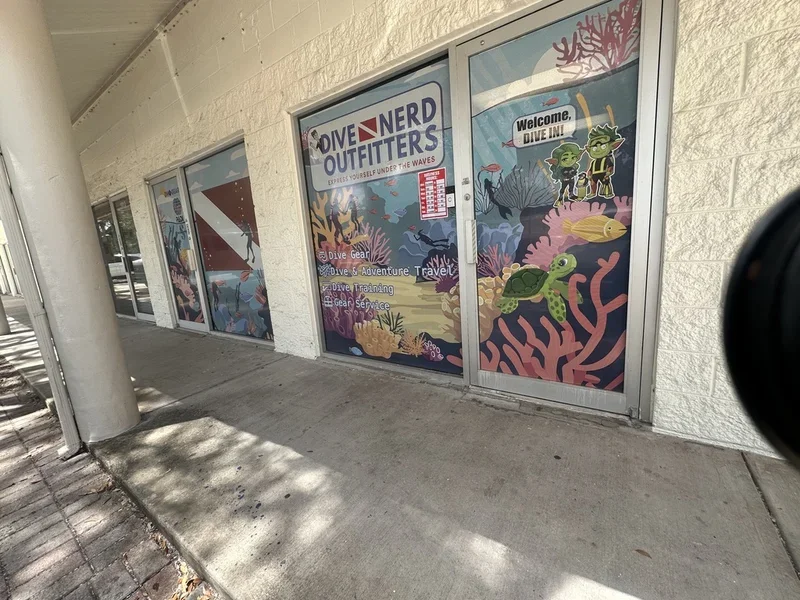
Today: 10:00 - 17:00
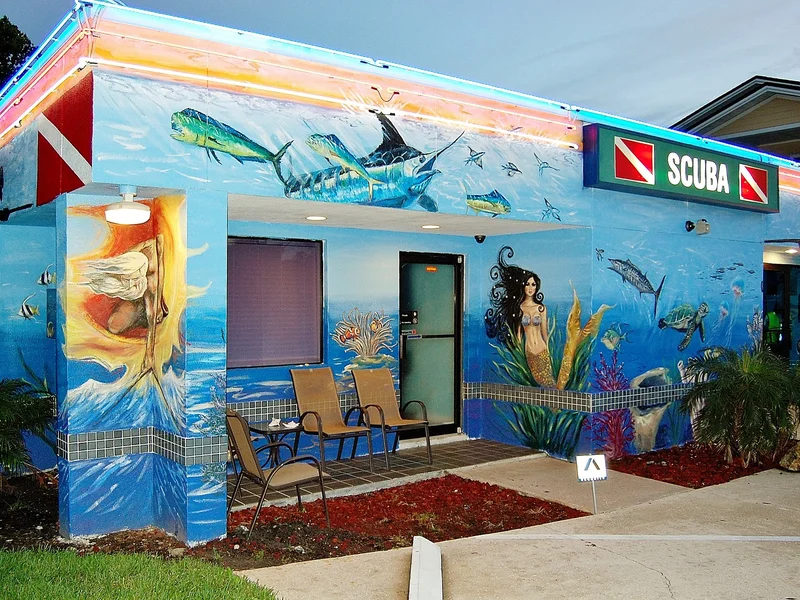
Nearest Airports
Nearest airports to help plan travel to this dive area.
Search Flights
Check available flights and routes on Expedia, using the nearby airports listed in this section.
Search Flights on ExpediaFrequently Asked Questions
What is the typical visibility at Nine Channel?
Visibility at Nine Channel is highly regarded and often excellent. Reports indicate it can range from 15 feet on less favorable days to over 100 feet during peak conditions. Many dives consistently report 30 to 60 feet of clear water.
Are currents usually strong at this dive site?
Currents at Nine Channel are frequently described as slight or nonexistent. However, divers should be prepared for occasional moderate currents, which can vary in direction. Checking daily reports from dive operators is advisable.
What marine life can I expect to see at Nine Channel?
Divers often encounter turtles and rays during their dives at Nine Channel. On some occasions, jellies have also been reported. The site generally offers a good opportunity for observing various reef inhabitants.
How are the surface conditions typically?
Surface conditions at Nine Channel vary, from absolutely flat calm to choppy with waves of 1-2 feet, and sometimes up to 3-4 feet. It's not uncommon for the underwater conditions to remain beautiful even when the surface is rough.
Is Nine Channel suitable for new divers?
Yes, many dive operators use Nine Channel for training and certification dives, indicating its general suitability for new divers. However, beginners should always go with experienced guides and consider conditions like current and surface chop, which can occasionally be challenging.
When is the least ideal time to dive Nine Channel?
October is generally considered the least ideal month for diving Nine Channel. Climate data suggests higher average wave heights and increased wind speeds, resulting in a lower overall dive score compared to other months.
What are the air temperatures like throughout the year?
Air temperatures vary seasonally, ranging from around 18°C (64°F) in January and February to a warmer 28°C (82°F) in July and August. These comfortable temperatures make for pleasant topside conditions for much of the year.
Planning to dive Site 9 (SW-2)?
Send one inquiry and receive offers directly from the best verified local dive operators.
Conditions are Good
Optimal conditions expected
Current conditions near Site 9 (SW-2) show 28° air, 28° sea temperature, 1.0 m waves, and 21 km/h wind. Forecast data is refreshed regularly to ensure accuracy.