
Diving at USS Oriskany (United States)
An Essex class aircraft carrier with a significant legacy from the Korean and Vietnam Wars, the USS Oriskany, known as the “Mighty O,” was purposefully sunk in 2006 off Pensacola, Florida. This transformation created the world's largest artificial reef, turning its historic decks into a complex underwater habitat. It's now a premier destination for divers exploring the Gulf of Mexico.
As evening covers USS Oriskany, the local air temperature is measured at 28.5°C. The current wave height at the surface is recorded at 0.7 m. These late-day readings characterize the surface conditions for the night.
Dive Site Location & Key Facts
Dive Site Overview
This colossal aircraft carrier rests upright, its keel touching the seabed at approximately 67 m / 220 ft. For recreational divers, the top of the smokestack offers an initial exploration point, breaking the surface around 26 m / 84 ft.
The main island, encompassing areas like the flag and navigation bridges, chart plotting room, and officer's sea cabins, largely remains above a typical 40 m recreational limit. Below this structure, the expansive flight deck unfolds at depths around 44 meters, with the vast Hangar Bay situated deeper, near 53 meters.
Stretching 277 m / 911 ft, Oriskany demands multiple dives to fully appreciate its immense scale and intricate layout; it’s impossible to experience fully in a single descent. Its sheer size means exploration is progressive; divers typically begin with the shallower island structures before descending to the broad flight deck, often navigating the various catwalks and antenna arrays.
The wreck presents diverse terrain, from open deck spaces to intriguing structural elements, catering to various diving profiles and interests.
Conditions are Excellent
07:00 - 14:00
Optimal conditions expected
Current conditions near USS Oriskany show 28° air, 30° sea temperature, 0.5 m waves, and 18 km/h wind. Forecast data is refreshed regularly to ensure accuracy.
Best Time to Dive
Diving conditions at the USS Oriskany vary across the year, with optimal conditions typically found from May through September. During these months, the dive score is consistently rated 'Good', indicating more favorable weather and sea states. Air temperatures during this period range comfortably from 24.5-29°C / 76-84°F, and average rainfall is generally lower, around 3.3-5.2 mm. Conversely, the months from October to April see a 'Moderate' dive score. While still diveable, these periods experience cooler air temperatures, from 14-24°C / 57-75°F, and potentially higher average wave heights, which can impact surface conditions and overall dive comfort.
PEAK SEASON SCORE
Scores combine air & water temps, waves, wind & rainfall for overall conditions.
BEST MONTHS TO DIVE
Monthly records compiled from satellite and marine observation nodes over the last 3 years. Data provided by Open-Meteo and MET Norway.
Dive Experience & Conditions
Descending onto the USS Oriskany, divers first encounter the upper structures of the island, a sprawling and accessible area for exploration mostly above 40 meters. Here, former command centers offer extensive swim-throughs and visual points of interest. Progressing deeper, the flight deck unfolds, revealing its massive scale and drawing divers towards the open expanse of the Hangar Bay. Visibility at the site varies depending on conditions, but can often be excellent, allowing for sweeping views of the entire wreck. Inside the ship, particularly beyond the main island, the layout has shifted considerably due to the scuttling process and subsequent storms. This means original deck plans are unreliable for navigating interior spaces, making significant penetrations challenging and best left to highly experienced technical divers.
Dive Difficulty & Safety Guidelines
Navigating the USS Oriskany requires specific precautions and appropriate training due to its depth and complexity. Entry-level open water divers must have a minimum of 20 logged dives and dive with a qualified guide. Those without advanced certification or a deep diver specialty are limited to specific depth ranges.
Advanced divers or those with deep diver certifications need at least two logged dives to depths around 24 meters within the last year to dive without a guide. Penetration into the ship's interior is discouraged without specialized technical wreck training, as the internal structure has proven difficult to navigate and can pose significant risks.
All divers are required to carry an alternate air source, such as an octopus or redundant system, and a safety sausage or similar surface marker device with a whistle.
Recommended Equipment
Overhead / entanglement risk. Wreck penetration requires proper training.
- Dive Computer
- DSMB
- Primary & Backup Lights
- Wreck Reel
- Cutting Tool
This gear list is based on verified equipment signals for USS Oriskany, United States. Always confirm final gear choices with your dive operator, guide, or liveaboard.
Recommended Dive Suit
Dive skin or rash guard is frequently recommended by dive operators for conditions like these. Those diving at USS Oriskany today will likely encounter water temperatures in the region of 30°C (86°F). Surface air temperatures are resting at 28°C (83°F).
Forecast conditions over the next few days suggest temperatures will remain relatively stable.
Even small thermoclines can occasionally cause noticeable changes in water temperature.
Emergency & Medical Support
Essential information to help you plan your dive trip to USS Oriskany.

Hyperbaric chambers are a critical part of dive safety infrastructure. Availability varies significantly by region, and not all dive areas have immediate access.
Before diving, it's recommended to:
- confirm nearest medical facilities
- check emergency procedures with local dive operators
- ensure dive insurance covers evacuation if required
Divers Alert Network
Diving emergency assistance available through DAN World.
+1-919-684-9111- 24/7 emergency hotline
- Diving medical assistance
- Evacuation coordination
Emergency contacts are provided for reference. Always verify local emergency services before diving.
Marine Life at USS Oriskany
As the world's largest artificial reef, the USS Oriskany naturally attracts a diverse array of marine life, transforming the former warship into a living ecosystem. Extensive surface area on the wreck provides ample substrate for corals and other encrusting organisms to colonize.
A burgeoning reef environment, in turn, draws in various fish species seeking shelter and feeding grounds. Divers can observe numerous reef fish, pelagic species that patrol its perimeter, and other invertebrates that have made the mighty carrier their home, creating an evolving habitat.
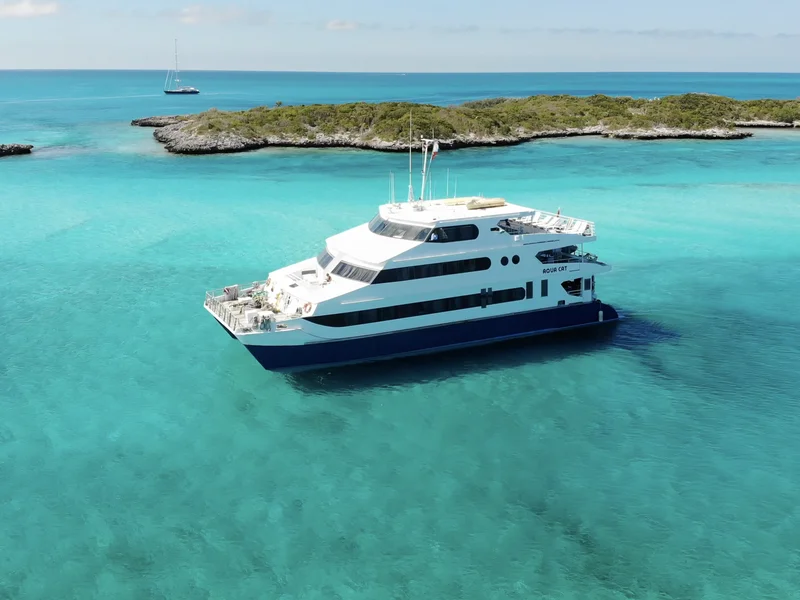
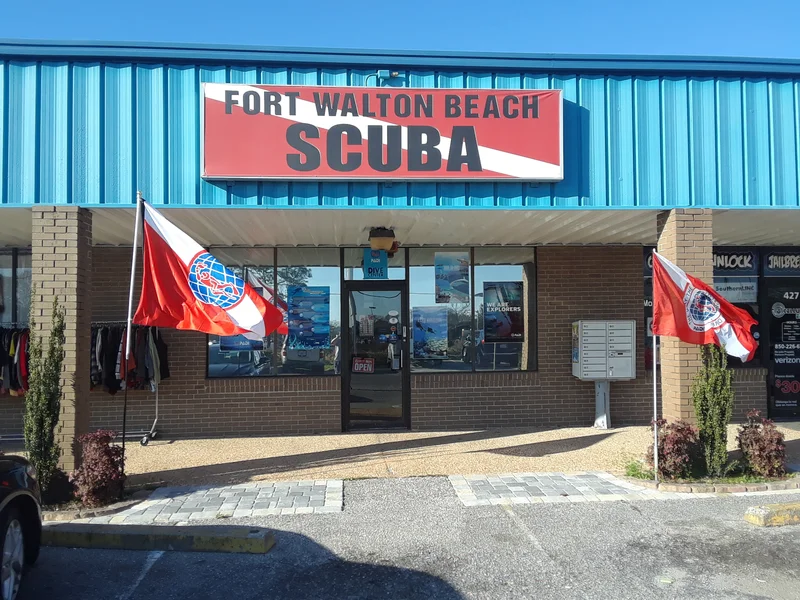
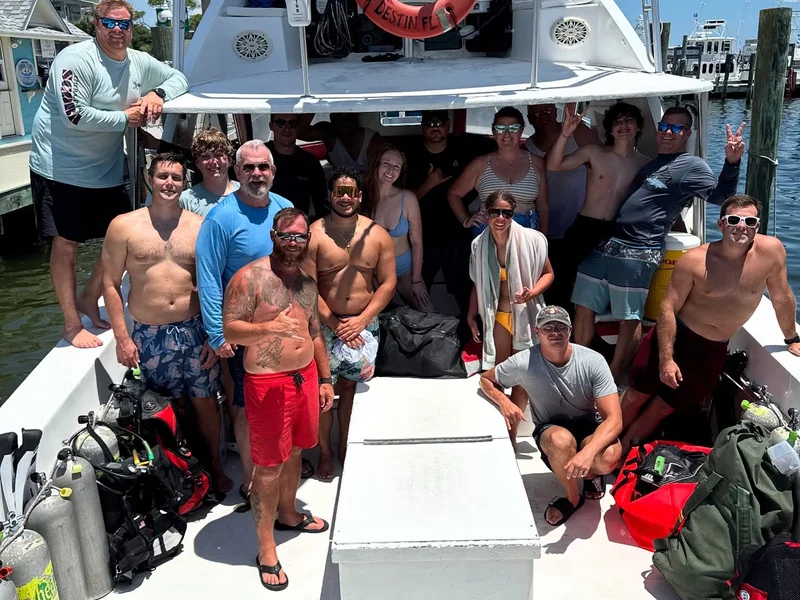
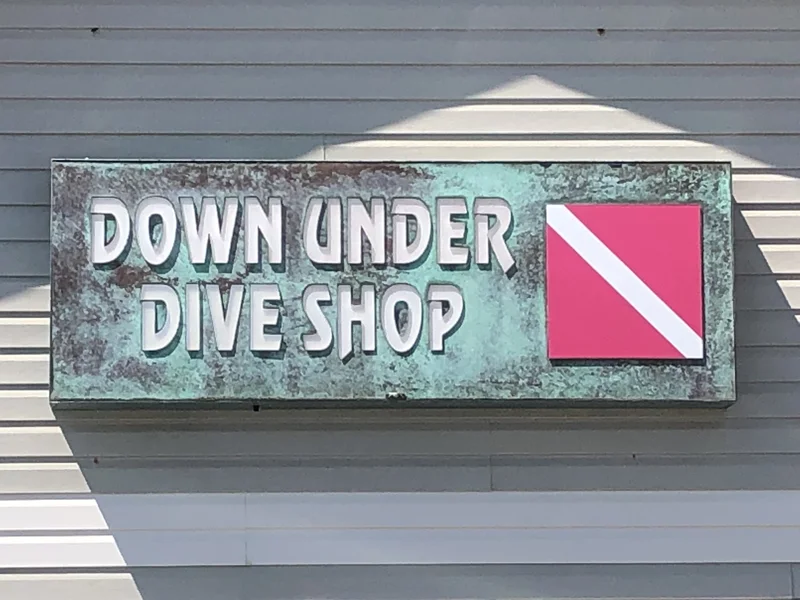
Dive Centers Near USS Oriskany
Today: 08:00 - 17:00
Nearest Airports
Nearest airports to help plan travel to this dive area.
Search Flights
Check available flights and routes on Expedia, using the nearby airports listed in this section.
Search Flights on ExpediaFrequently Asked Questions
What are the minimum certification requirements to dive the USS Oriskany?
All divers must have a minimum of 20 logged dives. Open water divers without advanced or deep diver certifications need a guide. Advanced divers with relevant experience can dive without a guide if they have two logged dives to depths of at least 24 meters within the last year.
How deep is the USS Oriskany?
Oriskany sits upright, its bottom at approximately 67 meters. The top of its smokestack reaches about 26 meters, while the expansive flight deck is around 44 meters deep.
Can recreational divers explore the entire wreck?
No, while much of the upper island structure is accessible above a 40-meter recreational limit, many significant sections, including the flight deck and hangar bay, are deeper. Exploring the entire wreck typically requires technical diving certifications.
Is it safe to penetrate the USS Oriskany?
Penetrating Oriskany is highly risky and not recommended without proper technical wreck training. Its internal layout has changed dramatically due to the sinking process and subsequent storms, making original deck plans unreliable and navigation challenging.
What specific safety equipment is required?
Divers are mandated to carry an alternate air source, such as an octopus or redundant air system, and a safety sausage or similar surface marker device accompanied by a whistle. Such items are crucial for safety and communication.
Are there specialized courses for diving the Oriskany?
Yes, some local dive centers offer exclusive USS Oriskany specialty classes. Such courses provide historical context, highlight key points of interest, and review specific hazards associated with diving the wreck, enhancing the dive experience.
How far offshore is the USS Oriskany?
Oriskany is located approximately 22 miles off the coast of Pensacola, Florida. This distance typically necessitates a boat charter to reach the dive site.
Planning to dive USS Oriskany?
Send one inquiry and receive offers directly from the best verified local dive operators.
Conditions are Excellent
07:00 - 14:00
Optimal conditions expected
Current conditions near USS Oriskany show 28° air, 30° sea temperature, 0.5 m waves, and 18 km/h wind. Forecast data is refreshed regularly to ensure accuracy.