
Diving at YP-387 (United States)
Descending onto the YP-387 wreck provides an immediate sense of scale, as its extensive remains cover a considerable area of the seabed. Divers often find themselves sharing the site with multiple dive boats, a testament to its popularity. This former passenger liner now functions as a vibrant artificial reef, drawing both spearfishing enthusiasts and those keen on lobster hunting. It's an accessible wreck dive within recreational limits, offering a dynamic underwater exploration.
Tonight's objective overview for YP-387 shows an air temperature of 24°C. The measured surface conditions include wave heights around 0.7 m. This environmental data is logged for the close of the day.
Dive Site Location & Key Facts
Dive Site Overview
A compelling history lies beneath the waves, attributed to the YP-387, more commonly known as the Mohawk. This 387-foot passenger liner met its demise in 1935 after a collision with the Norwegian tanker Talisman.
Initially considered a navigation hazard, the United States Navy later blew the wreck apart and wire-dragged it to ensure safe passage for other vessels. Today, the dispersed sections of the Mohawk rest in approximately 24 meters (80 ft) of water, roughly eight miles offshore from Manasquan Inlet. Its scattered debris field now forms a vast, established artificial reef, providing crucial substrate for marine life in what is otherwise a largely flat, sandy environment.
Exploring the wreck's sprawling nature allows several dive groups to explore simultaneously, solidifying its role as a cornerstone for local wreck diving. The sheer size of the debris field ensures there's always something new to uncover.
Conditions are Good
Optimal conditions expected
Current conditions near YP-387 show 24° air, 24° sea temperature, 1.1 m waves, and 37 km/h wind. Forecast data is refreshed regularly to ensure accuracy.
Best Time to Dive
Diving conditions are generally most favorable during the warmer months, with July presenting the highest average dive score. Air temperatures during this peak period average around 24°C (75°F), offering comfortable surface conditions. July and August also report the lowest average rainfall, at 2.03 mm and 1.87 mm respectively, which can contribute to better visibility. Wave heights are typically calmer in July, averaging about 1.0 meters, though conditions vary. During the cooler months, specifically January through March, air temperatures can drop to 2.5-7°C (36-45°F), and average wave heights increase to 1.3-1.4 meters, posing more challenging conditions. While offshore visibility is often better, ranging from 4.5 to 6 meters (15 to 20 ft) on average, conditions can occasionally exceed 15 meters (50 ft).
PEAK SEASON SCORE
Scores combine air & water temps, waves, wind & rainfall for overall conditions.
BEST MONTHS TO DIVE
Monthly records compiled from satellite and marine observation nodes over the last 3 years. Data provided by Open-Meteo and MET Norway.
Dive Experience & Conditions
Navigating the YP-387 reveals a seabed that, while naturally sandy, is transformed by the wreck's structure into a thriving marine oasis. Water temperatures fluctuate considerably, ranging from a brisk 3°C (37°F) in winter to a more temperate 21°C (70°F) during late August and September. Typical visibility for this region hovers between 4.5 to 6 meters (15 to 20 ft), though certain days can surprise divers with clarity exceeding 15 meters (50 ft), particularly at offshore sites. Most of the local wrecks, including the Mohawk, lie within a recreational depth range, generally from 15 to 40 meters (50 to 130 ft), with many popular sites sitting between 18 to 27 meters (60 to 90 ft). These submerged structures provide complex environments for exploration.
Dive Difficulty & Safety Guidelines
Approaching dives at the YP-387 and similar wreck sites requires careful planning and a thorough understanding of local conditions. Given the depths, typically around 24 meters (80 ft) for the Mohawk, divers should be proficient in deep diving procedures and adhere to established bottom times. For those interested in spearfishing or lobster hunting, these activities demand specific skills and adherence to local regulations regarding catch limits and seasons.
The vast, scattered nature of the Mohawk wreck means divers should have good navigation skills to fully explore its features. Always dive within your certification limits and consider additional training for specialized activities like wreck penetration, although the Mohawk is largely broken up.
Recommended Equipment
- Dive Computer
This gear list is based on verified equipment signals for YP-387, United States. Always confirm final gear choices with your dive operator, guide, or liveaboard.
Recommended Dive Suit
According to recent observations, water temperatures near YP-387 are approximately 24°C (76°F). Surface air temperatures are resting at 24°C (75°F).
The next few days appear likely to bring similar environmental conditions.
Most divers exploring waters at this temperature rely on 3mm wetsuit for effective insulation. Consider warmer surface protection (like a boat coat) due to brisk winds. Water temperature is only one factor influencing overall comfort during a dive. Stronger winds may also make surface intervals feel cooler than usual.
Emergency & Medical Support
Essential information to help you plan your dive trip to YP-387.

Hyperbaric chambers are a critical part of dive safety infrastructure. Availability varies significantly by region, and not all dive areas have immediate access.
Before diving, it's recommended to:
- confirm nearest medical facilities
- check emergency procedures with local dive operators
- ensure dive insurance covers evacuation if required
Divers Alert Network
Diving emergency assistance available through DAN World.
+1-919-684-9111- 24/7 emergency hotline
- Diving medical assistance
- Evacuation coordination
Emergency contacts are provided for reference. Always verify local emergency services before diving.
Marine Life at YP-387
The YP-387 wreck offers a crucial habitat, effectively creating a reef system where the natural seafloor is otherwise sparse. Diverse fish species are attracted to its structure, using it as both a foraging ground and sanctuary.
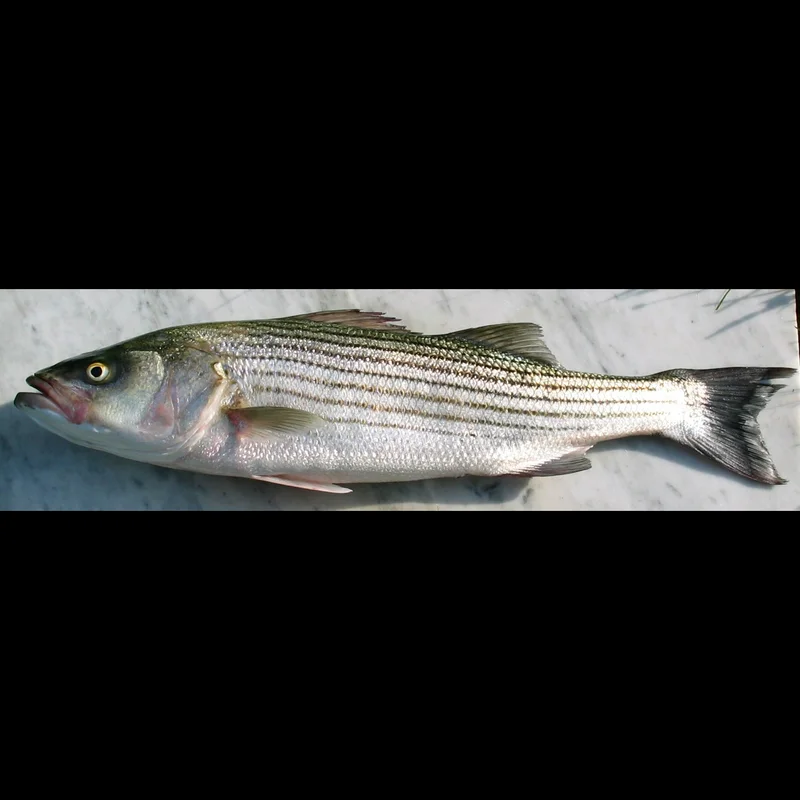
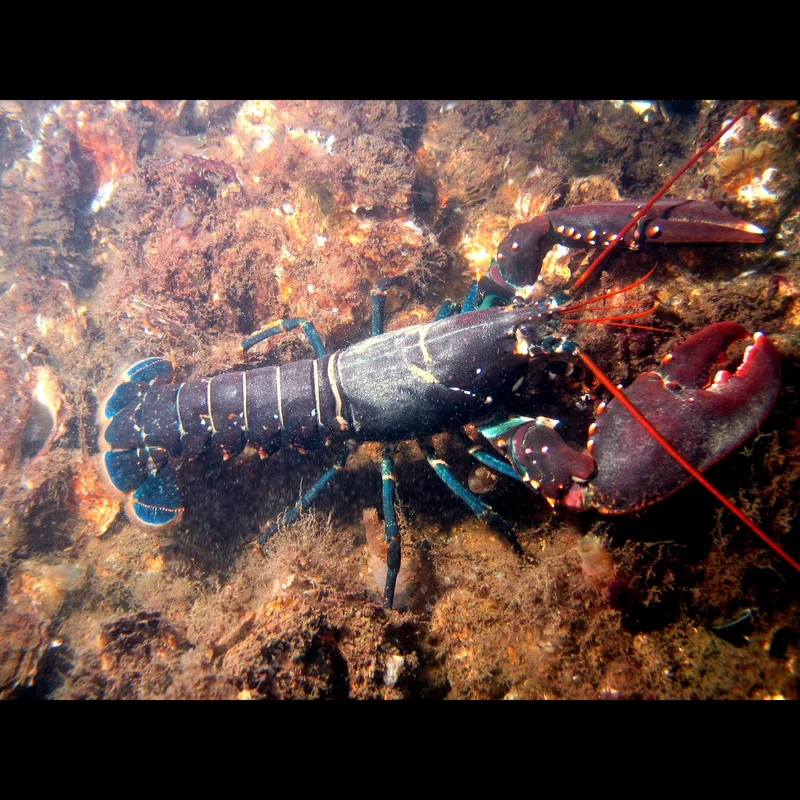
Divers regularly encounter black sea bass, tautog (blackfish), and cunner (bergall) patrolling the wreck's remnants. Considered a popular site for harvesting North American lobsters, they often seek refuge within the wreck's crevices and collapsed sections.
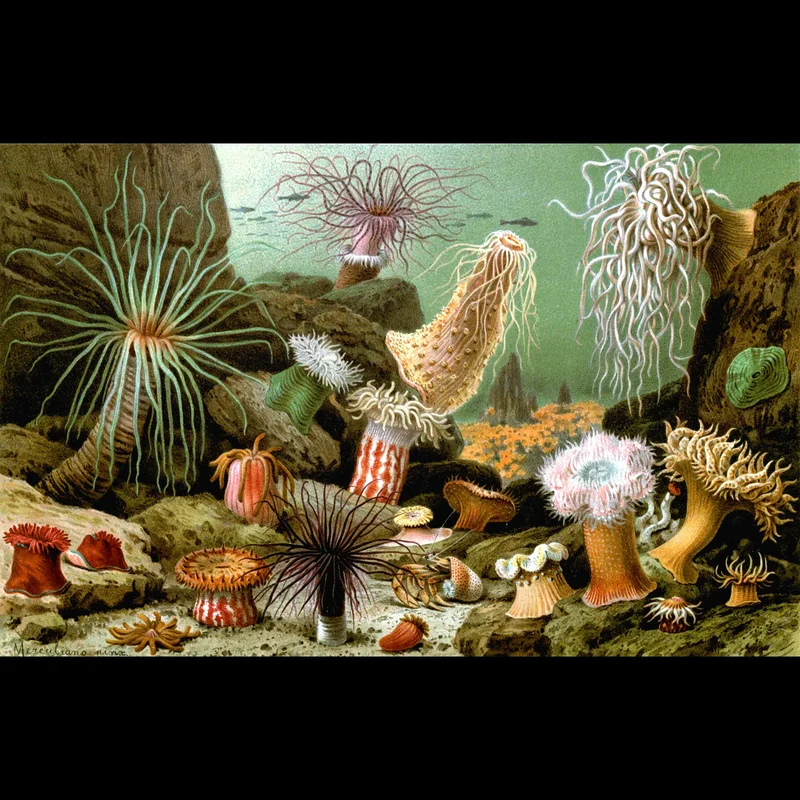
Blue mussels commonly blanket parts of the wreck, while tubularian hydroids and frilled anemones add vibrant, sessile life to the underwater landscape, contributing to the site's rich biodiversity.

Dive Centers Near YP-387
Nearest Airports
Nearest airports to help plan travel to this dive area.
Search Flights
Check available flights and routes on Expedia, using the nearby airports listed in this section.
Search Flights on Expedia
Plan Your Stay
Looking for a place to stay for your dive trip? Explore hotels, stays, and vacation rentals for dive groups near Avalon.
Dive Navigator may earn a commission from these links at no extra cost to you.
Frequently Asked Questions
What is the YP-387?
The YP-387 is the common dive site designation for the Mohawk, a 387-foot passenger liner that sank in 1935 after a collision. It was later intentionally broken up by the Navy to prevent it from being a navigational hazard.
What is the maximum depth of the YP-387 (Mohawk) wreck?
The Mohawk wreck lies in approximately 24 meters (80 ft) of water. Other artificial reefs and wrecks in the region can be found in depths ranging from 15 to 40 meters (50 to 130 ft).
What are the typical water temperatures at this dive site?
Water temperatures vary significantly throughout the year, from around 3°C (37°F) in the winter to 21°C (70°F) in late summer, specifically late August and September.
What can I expect regarding underwater visibility?
Average visibility at the site is usually between 4.5 to 6 meters (15 to 20 ft). However, on favorable days, particularly offshore, visibility can extend to over 15 meters (50 ft).
What type of marine life can be observed on the YP-387?
The wreck supports a variety of marine life, including black sea bass, tautog, cunner, and North American lobsters. Blue mussels, tubularian hydroids, and frilled anemones are also common sights on the wreck's structure.
Is spearfishing or lobster diving permitted at the site?
Yes, the YP-387 is a popular spot for both spearfishing and lobster diving. Divers often target species like black sea bass and North American lobsters, requiring specific skills and adherence to local regulations.
Which months offer the best diving conditions?
July typically offers the best conditions with comfortable air temperatures averaging 24°C (75°F) and lower rainfall. August is also a good option, with generally favorable conditions and warmer water.
Planning to dive YP-387?
Send one inquiry and receive offers directly from the best verified local dive operators.
Conditions are Good
Optimal conditions expected
Current conditions near YP-387 show 24° air, 24° sea temperature, 1.1 m waves, and 37 km/h wind. Forecast data is refreshed regularly to ensure accuracy.