
Diving in Niue
Diving in Niue offers a highly rewarding yet accessible adventure characterized by an extraordinary limestone landscape both above and below the surface. Mapped across the "Rock of Polynesia," these sites invite divers to explore some of the most unique underwater geology in the South Pacific. Dive Navigator currently maps 6 dive sites in Niue.
Diving in Niue presents a unique and pristine experience, primarily centered around its intricate network of caverns, chimneys, swim-throughs, and dramatic drop-offs that plunge into the deep blue close to shore. Often called the "Rock of the Pacific," Niue's porous limestone geology acts as a natural filter, eliminating surface runoff and yielding exceptional water clarity with visibility ranging from 30 to 80 meters. This crystal-clear environment is home to unique endemic species, curious reef dwellers, and seasonal pelagic visitors, making it a dream destination for both beginner and certified divers seeking undisturbed marine encounters and spectacular underwater photography.
Dive Map of Niue
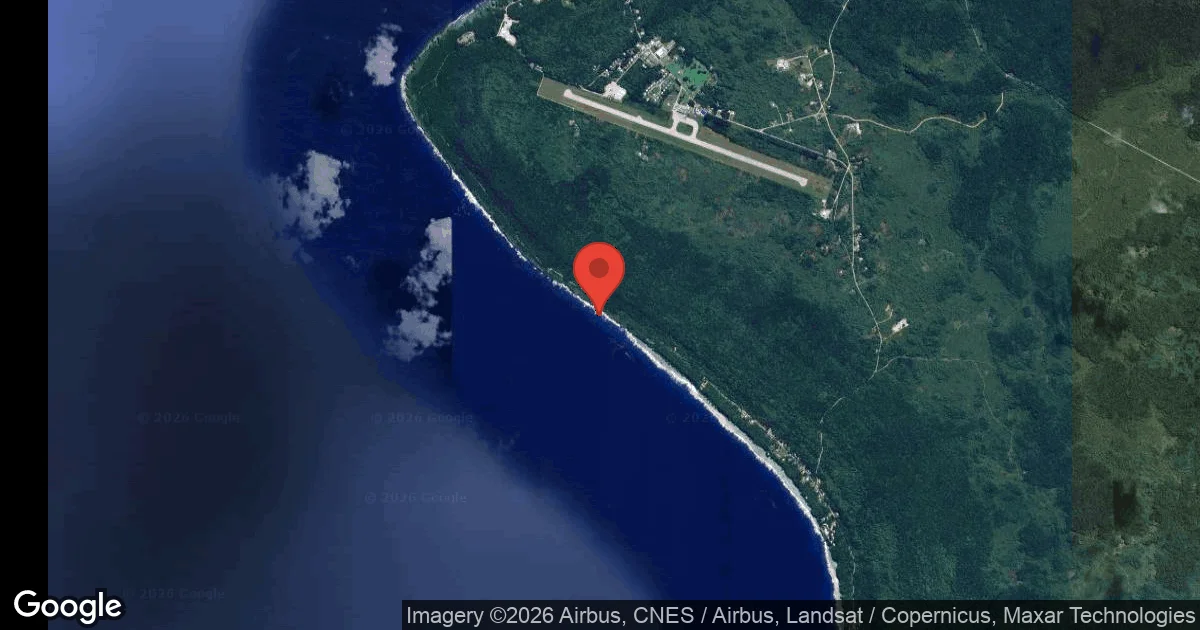
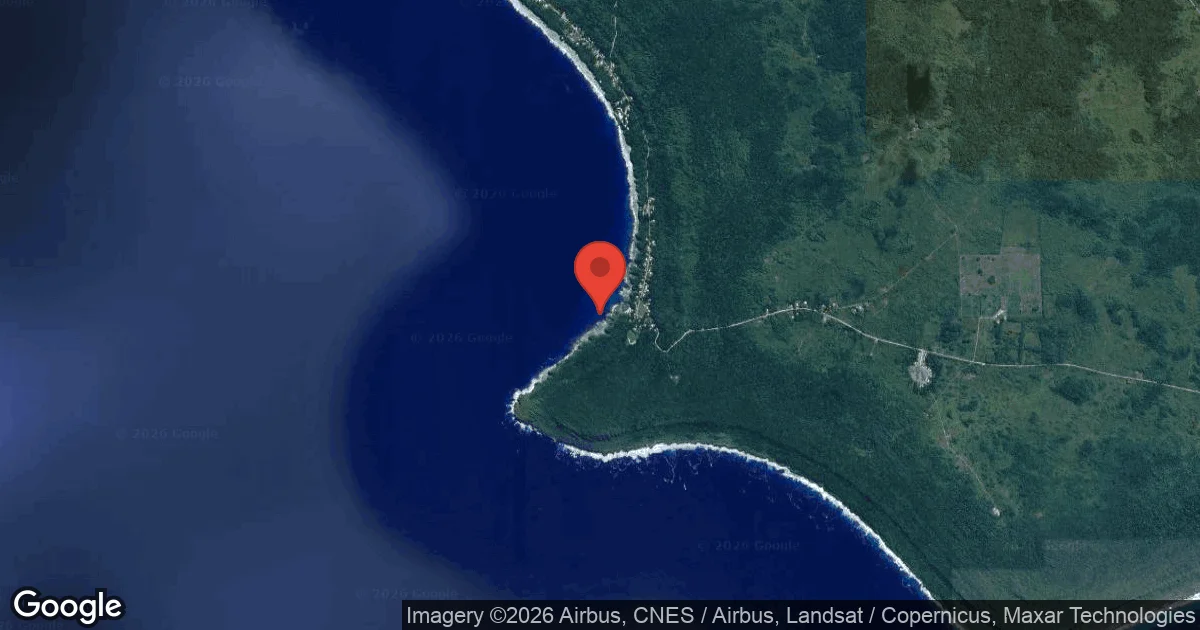
Dive sites in Niue are concentrated along the sheltered western leeward coast, particularly around the capital of Alofi and Avatele Bay. With no sheltered harbors and the seafloor dropping steeply to 4,000 meters close to shore, Niue's dive locations are easily reached within a short 5 to 30-minute boat ride from the main launching areas. This allows divers to quickly access pristine hard coral reefs, steep drop-offs, and spectacular cavern systems.
Dive Sites to Explore
View all 6 sites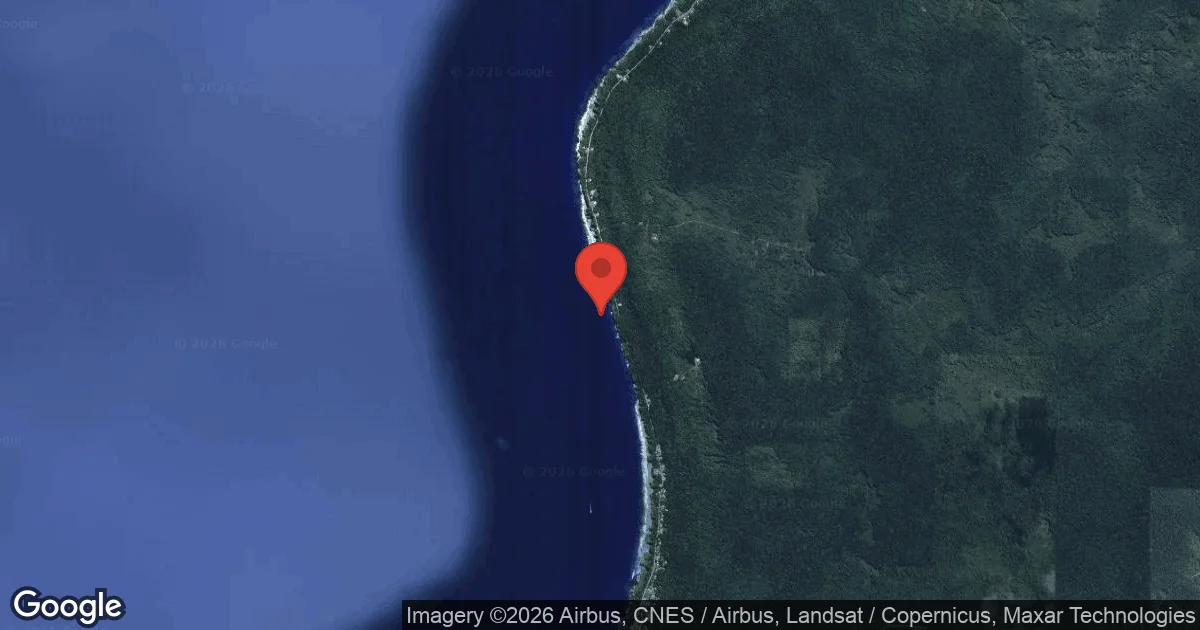
Best Time to Dive in Niue
Diving activity in Niue is available seasonally, as local operators typically close for a portion of the wet season from December 1st to February 1st. The dry winter months (May to October) offer the most comfortable climate with average daily temperatures of 26°C and lower rainfall. Notably, migrating Humpback Whales arrive between June/July and September/October, allowing divers the rare opportunity to hear their haunting songs underwater or spot them breaching close to shore. Water visibility remains outstanding year-round, rarely dropping below 30 meters even during wet periods due to the porous limestone geology.
Dive Conditions
The underwater environment surrounding Niue is world-renowned for its stability and extreme clarity. Because the island has no rivers, streams, or silt runoff, rainwater filters directly through the porous coral rock into the ocean. This natural filtration system produces visibility of up to 80 meters, creating an aquarium-like experience. Water temperatures range from 20°C to 28°C, making a 3mm wetsuit or a simple rash guard perfect for thermal protection. Currents are generally mild to non-existent, making the sites accessible for all certification levels, although ocean swells can occasionally affect boat launches and require scheduling flexibility.
Marine Life Highlights
Most Mentioned Species
Marine life in Niue varies across dive locations, with different species appearing depending on environment and conditions. The species highlighted here are the most frequently associated with dive sites in our data, offering a realistic overview of what divers are most likely to encounter.
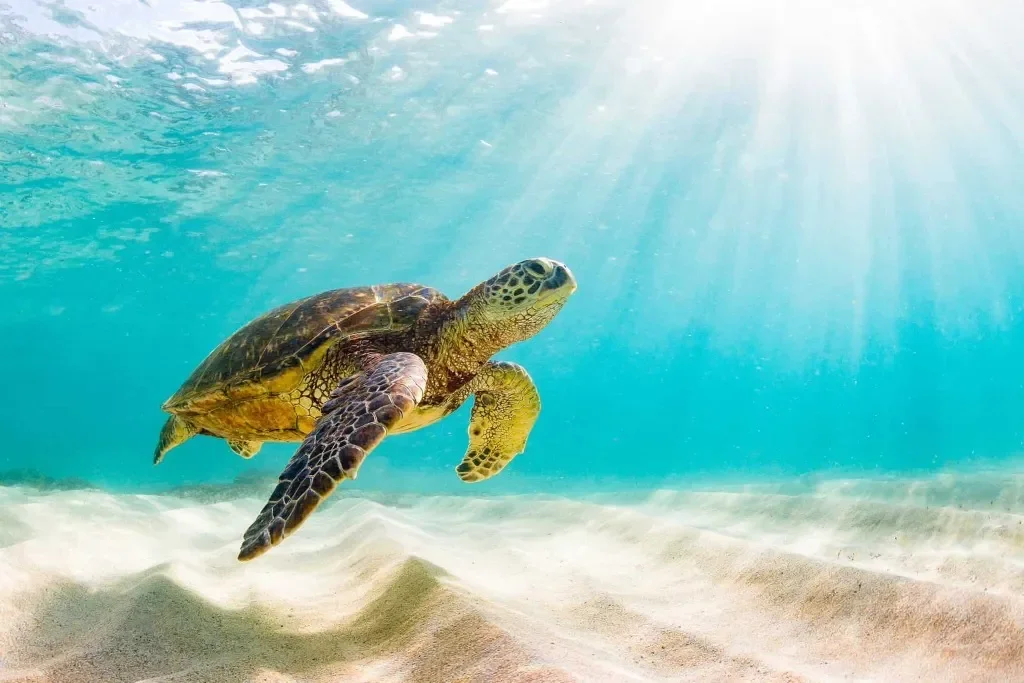
The signature encounter of Niuean waters is with the Niuean Sea Krait (Katuali), a highly venomous yet incredibly docile and playful sea snake unique to the island. These curious creatures frequently interact with divers, populating sites like Snake Gully and using Bubble Cave as their breeding ground. Additionally, from June to October, migrating Humpback Whales travel mere meters from Niue's shores, offering divers a rare chance to hear their complex songs underwater or observe them breaching. Resident pods of playful Spinner Dolphins are also present year-round, adding to the regular pelagic action.
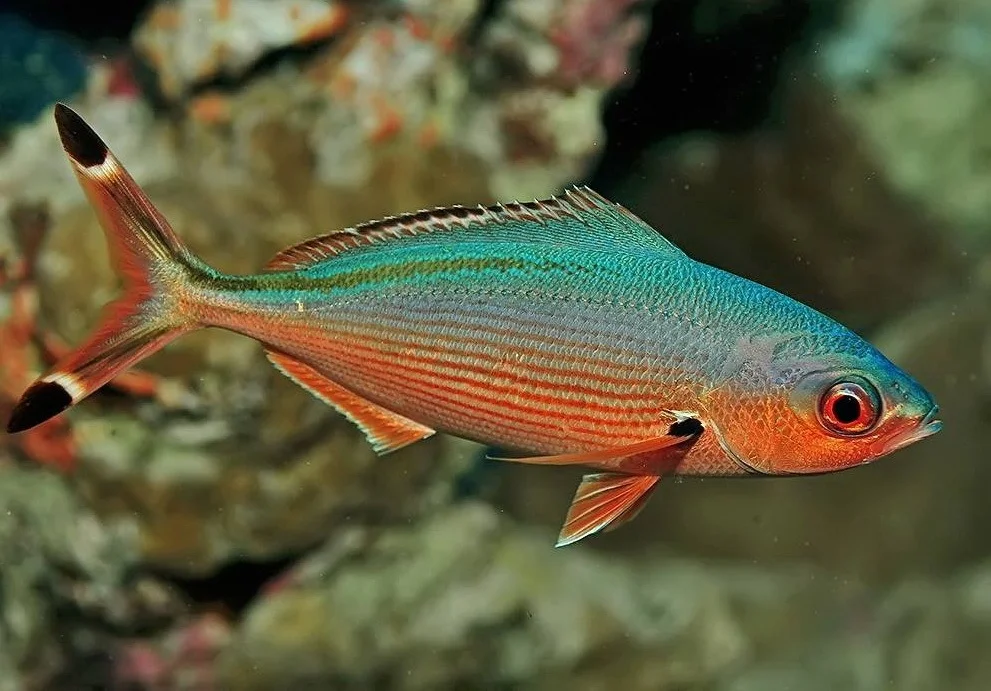
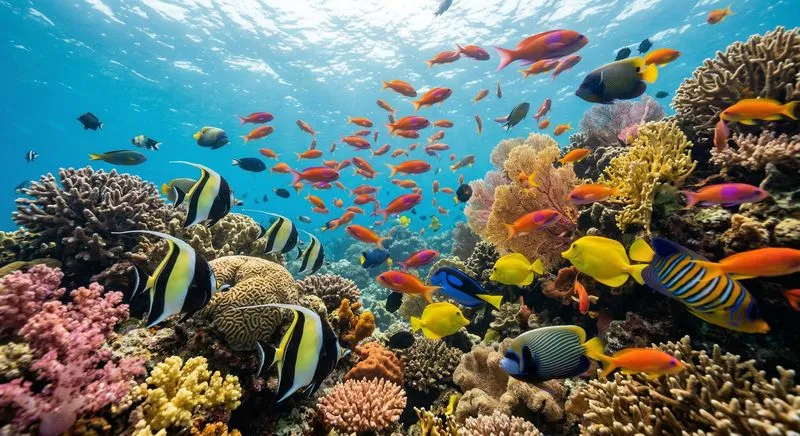
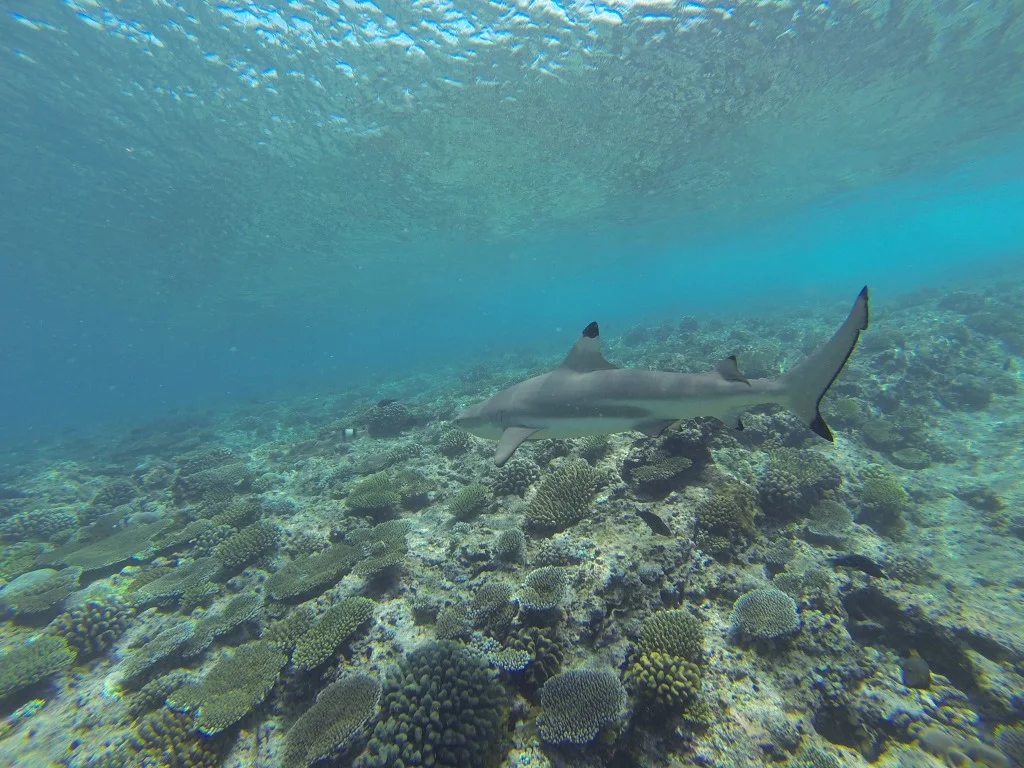
Within the caves, chasms, and along the deep coral drop-offs, a diverse community of reef species thrives in the crystal-clear water. White-tip Reef Sharks are commonly observed patrolling the entrances of caverns and swim-throughs. Surrounding these structures are vibrant populations of tropical reef fish, including Maori wrasse, surgeonfish, regal angelfish, Moorish idols, large fin bannerfish, and comical anemonefish. The limestone cracks and hard coral gardens shelter colorful invertebrates like painted crayfish, nudibranchs, giant clams, and massive coconut crabs (uga) that dwell inside the air chambers of land-linked dome caves.
Regions for Diving
Diving in Niue is concentrated primarily along the sheltered western leeward coast of the island, which is naturally protected from prevailing trade winds. The primary hubs are situated around the capital of Alofi and the reef terraces of Tamakautoga. Because the seafloor drops rapidly to 4,000 meters close to shore, there are no sheltered harbors, but dive sites are located extremely close to launch areas, with boat rides taking only 5 to 30 minutes.
Travel & Passport Guide
Travel Basics
Trip Planning
Safety & Diving Considerations
Diving in Niue requires basic ocean awareness, as the island is exposed to changing weather and ocean swells. Because there are no sheltered harbors, boat launches are highly dependent on sea conditions, and divers are strongly encouraged to allow buffer time in their itineraries to reschedule dives if necessary. Divers must bring their physical dive certification cards, as local operators can typically only verify PADI credentials online. Additionally, divers should arrange their own transport (such as a rental car), as dive operators often do not provide pick-up services.
Outside the water, visitors must respect Niue's conservative culture and religion, especially on Sundays, which is a traditional day of rest. Respectful, conservative dress is expected when visiting local villages, and public nudity or skimpy swimwear is strictly prohibited. Tap water is safe to drink at certain accommodations, but it is generally recommended to boil or purify natural spring water before drinking.
Dive Centers in Niue
0 dive centersFrequently Asked Questions
What makes Niue unique for scuba diving?
Niue is famous for its extreme water clarity, unique docile sea snakes (katuali), and its dramatic underwater topography of caves, arches, and chimneys carved out of the island's limestone base.
What is the water temperature and recommended exposure protection?
The water is warm, averaging between 20°C and 28°C. Most divers are perfectly comfortable in a 3mm wetsuit or a standard rash guard.
Can uncertified beginners dive in Niue?
Yes! Introductory dives (Discover Scuba) are widely available and take place in shallower reef zones rich with marine life, allowing beginners to experience Niue's clear waters under professional supervision.
Is diving available all year?
Diving is seasonal. While water clarity remains outstanding year-round, local diving services close during the wet season from December 1st to February 1st.