What Divers Should Know About Fusilier

Learn all about the Fusilier, including dynamic specs, encounter highlights, habitats, and the best dive sites to find them.
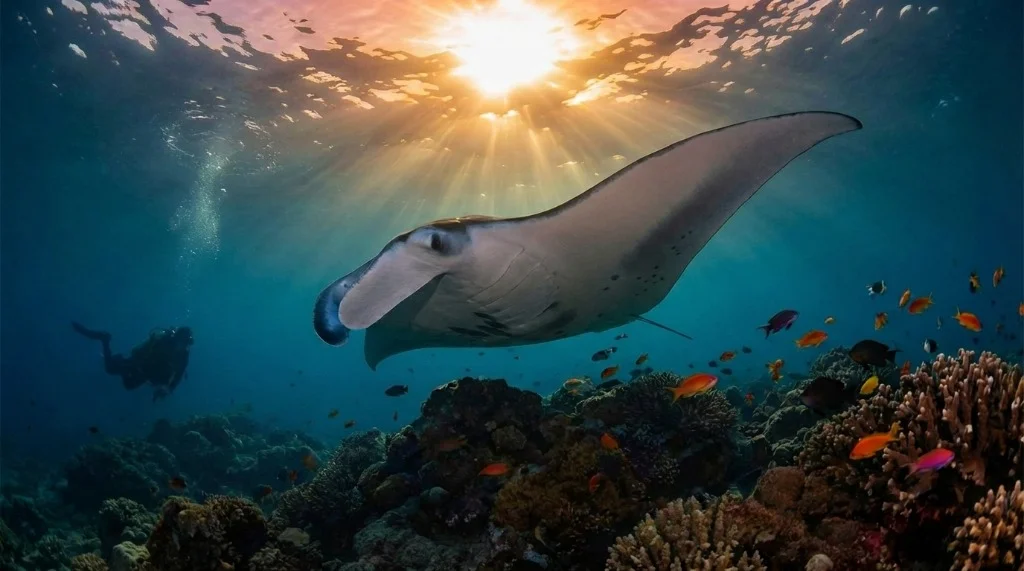
School of bright blue and yellow fusiliers (Caesionidae) swimming along a coral reef slope
Scientific Name

Caesionidae

Size

20–60 cm

Depth

1–60 m

Habitat

coral reef, rocky reef, open water, reef

Conservation

Varies by species

Danger Level

Harmless

About the Fusilier

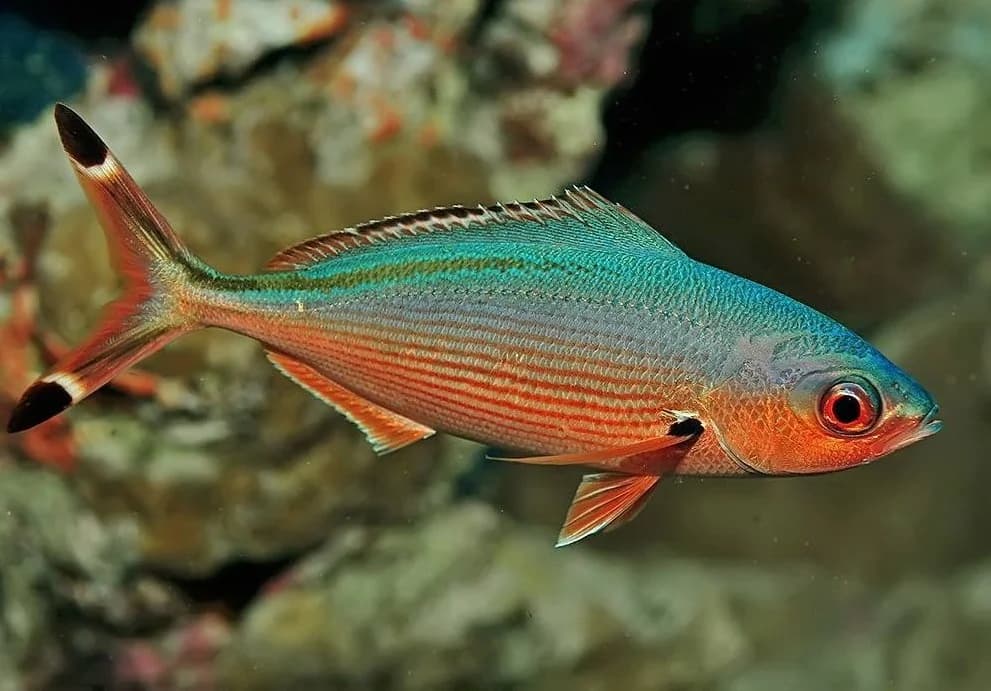
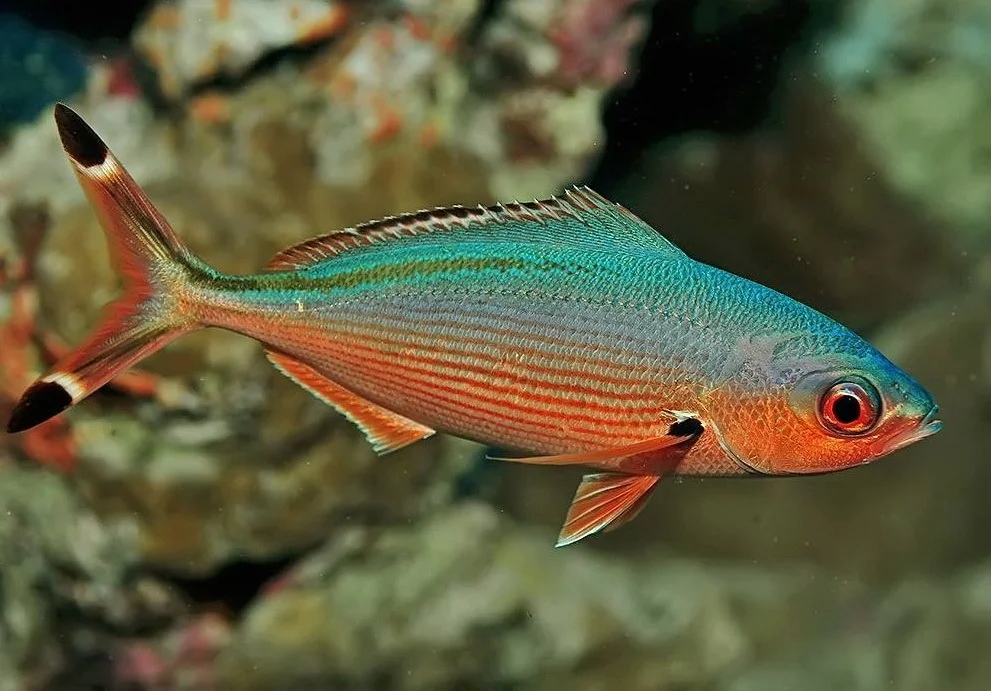
Fusiliers of the family Caesionidae (classified by some modern phylogenetic authorities as a specialized subfamily or group within the snapper family Lutjanidae) are streamlined, fast-swimming reef fishes that form some of the most dazzling midwater shoals in the Indo-Pacific and Red Sea. Spanning genera such as Caesio and Pterocaesio, adults typically measure 25–35 cm (9.8–14 in) in total length, with larger deep-bodied species reaching up to 60 cm (24 in). They inhabit coastal lagoons, outer reef slopes, and steep drop-offs at depths of 1–60 m (3.3–197 ft), painted in shimmering metallic blues, electric yellows, and neon scissortail markings.

Unlike benthic snappers, fusiliers have evolved a fusiform, torpedo-shaped body, a deeply forked tail, and a highly protrusible upper jaw specialized for pelagic planktivory. Throughout the day, huge, synchronized schools of hundreds or thousands of individuals cruise rapidly along current-swept reef walls and pinnacles, picking individual zooplankton from the water column. They frequently form mixed-species feeding aggregations and regularly pause at reef cleaning stations, hovering vertically while cleaner wrasses and shrimp remove parasites from their scales and gills.

For scuba divers, being enveloped by a swirling river of blue-and-gold, yellowback, or neon fusiliers is a quintessential Indo-Pacific diving experience, often signaling the presence of nutrient-rich currents and larger pelagic predators like trevallies, tunas, and reef sharks hunting the edges of the shoal. Once darkness falls on night dives, fusiliers abandon the open water column to shelter individually inside coral crevices, taking on a blotchy reddish or darkened nocturnal coloration.

Further Reading

Did You Know?

Electric-Blue Plankton Rivers That Blush Blotchy Crimson to Sleep

“Pouring endlessly down Indo-Pacific outer reef walls in shimmering ribbons of neon azure and canary yellow, fusiliers of the family Caesionidae are close cousins of benthic snappers that radically redesigned their bodies for nonstop open-water flight. Torpedo-sleek flanks, deeply scissored tails, and upper jaws engineered to slide forward and upward like miniature suction tubes let thousands of Caesio and Pterocaesio individuals pick individual zooplankton from brisk channel currents all day long without ever touching the reef. Return to the very same coral slope with a dive torch after sunset, however, and those hyperactive blue streams have vanished completely. Tucked motionless inside branching coral crevices, sleeping fusiliers flood their skin with red and dark blotched pigments that erase every trace of their daytime neon glow.”

Where You Can See Fusilier

This map highlights the main regions where divers may encounter Fusilier or where the species is commonly associated with suitable marine habitats. Actual sightings depend on local dive sites, season, visibility, depth, and natural behaviour.

World distribution map showing regions where divers can see Fusilier: Indian Ocean, Asia Pacific, Mediterranean
Indian Ocean
Asia Pacific
Mediterranean

Dive Sites with Fusilier

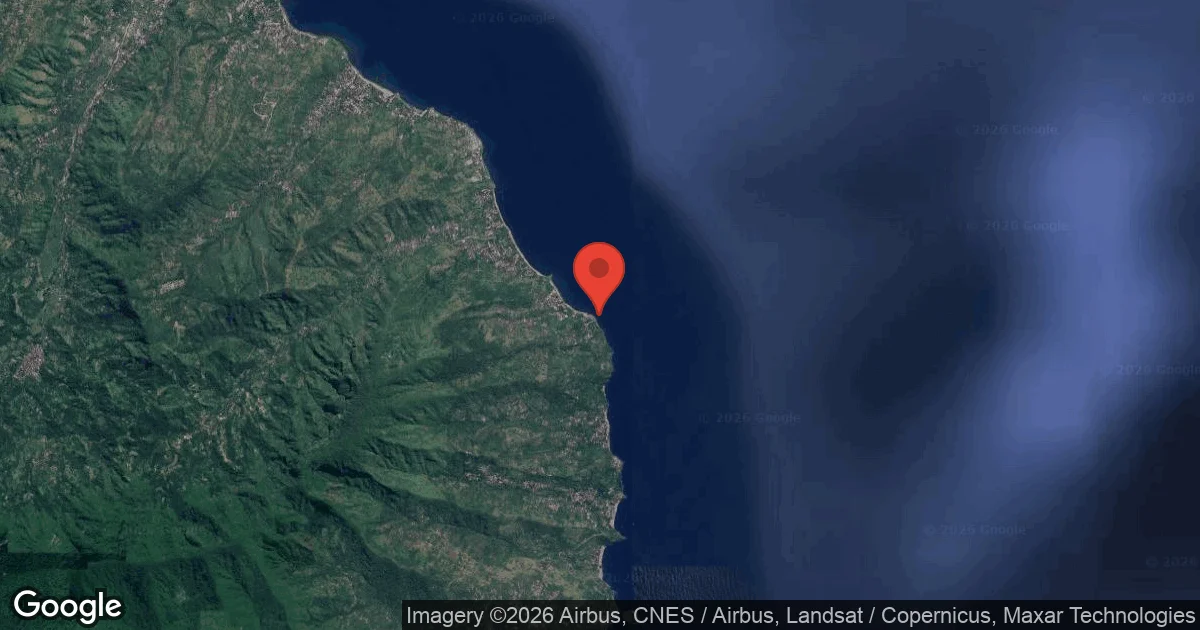
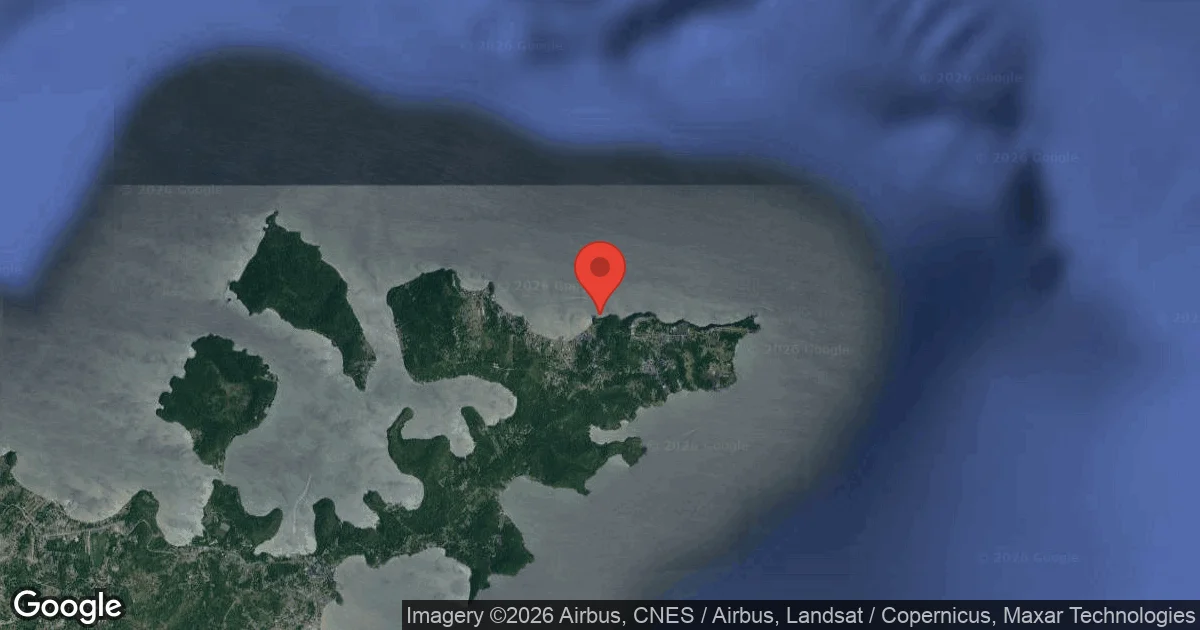
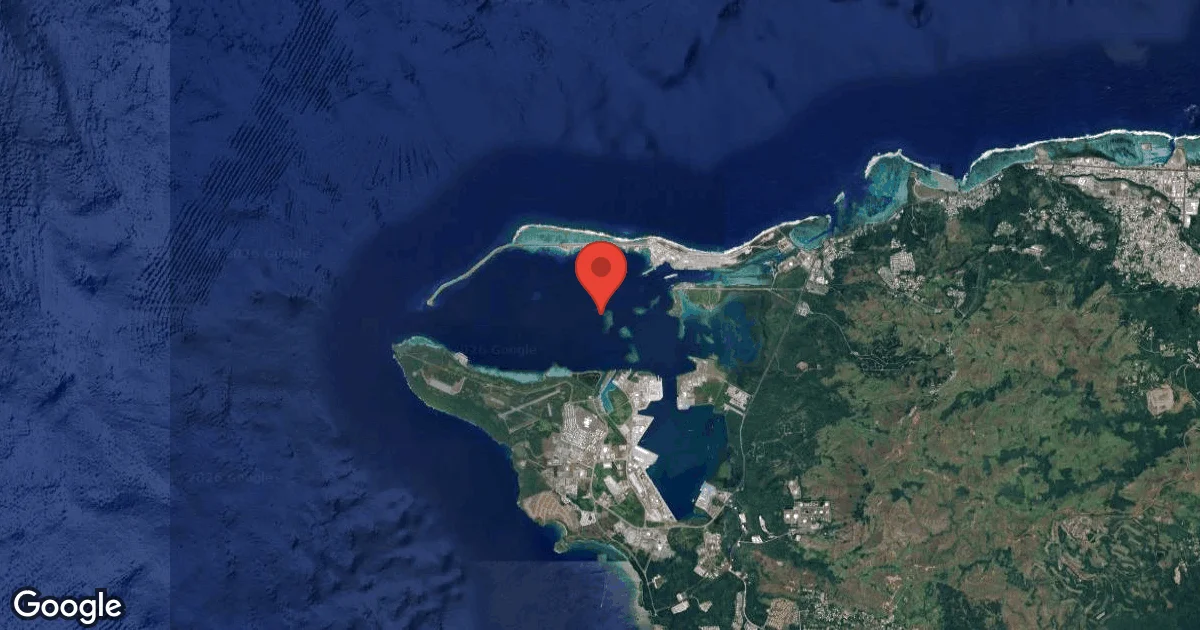
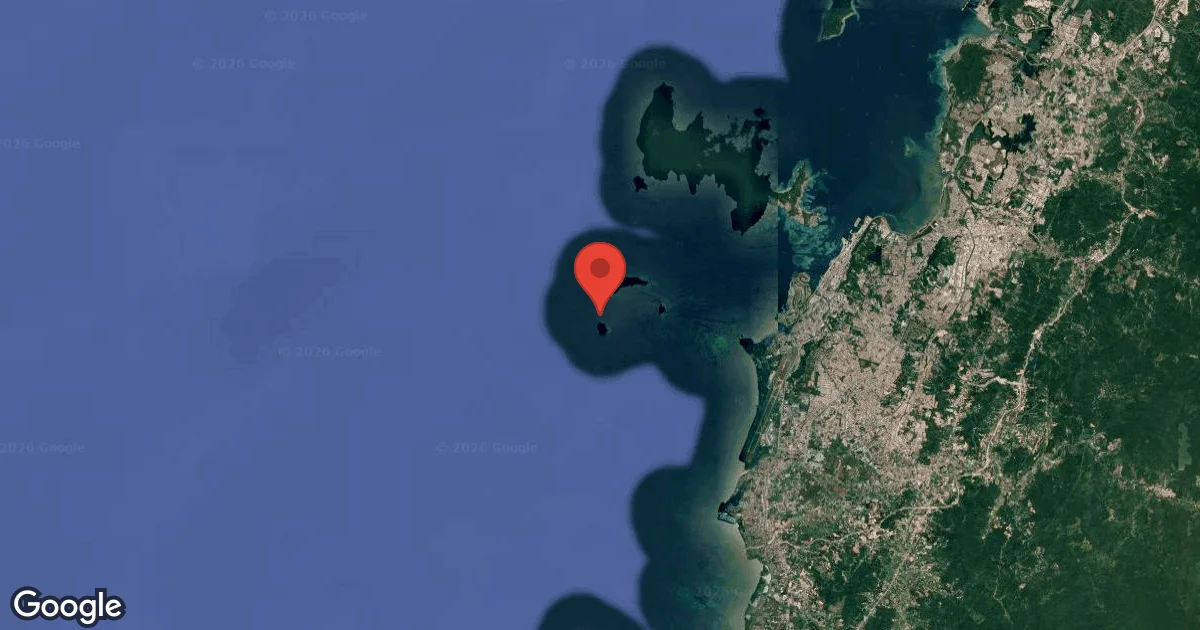
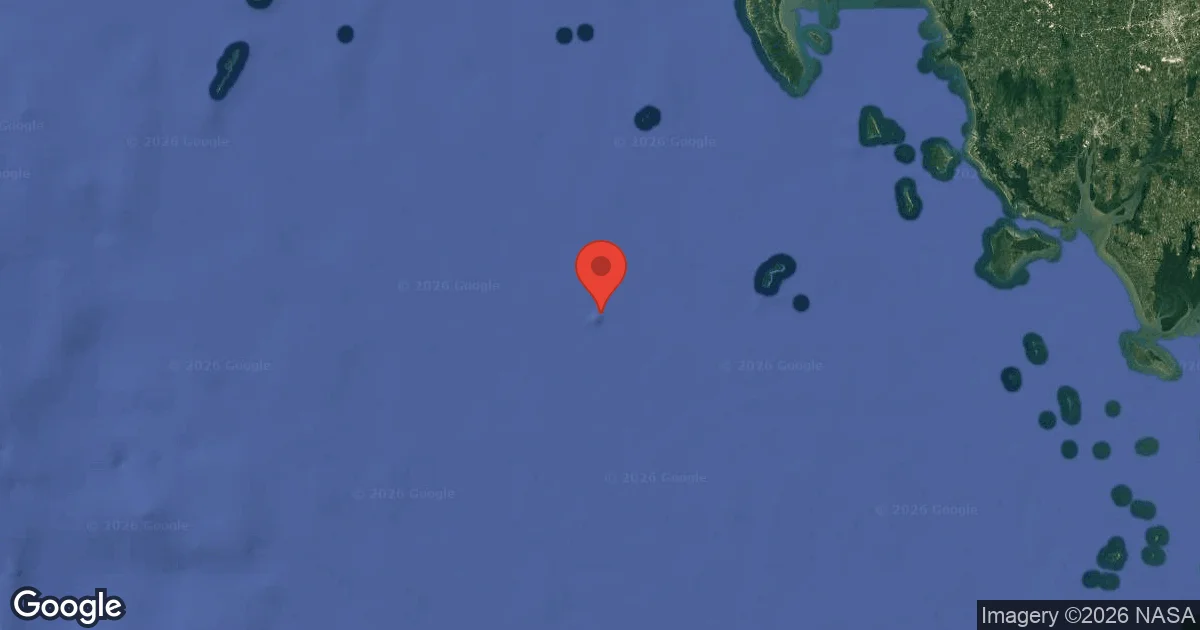
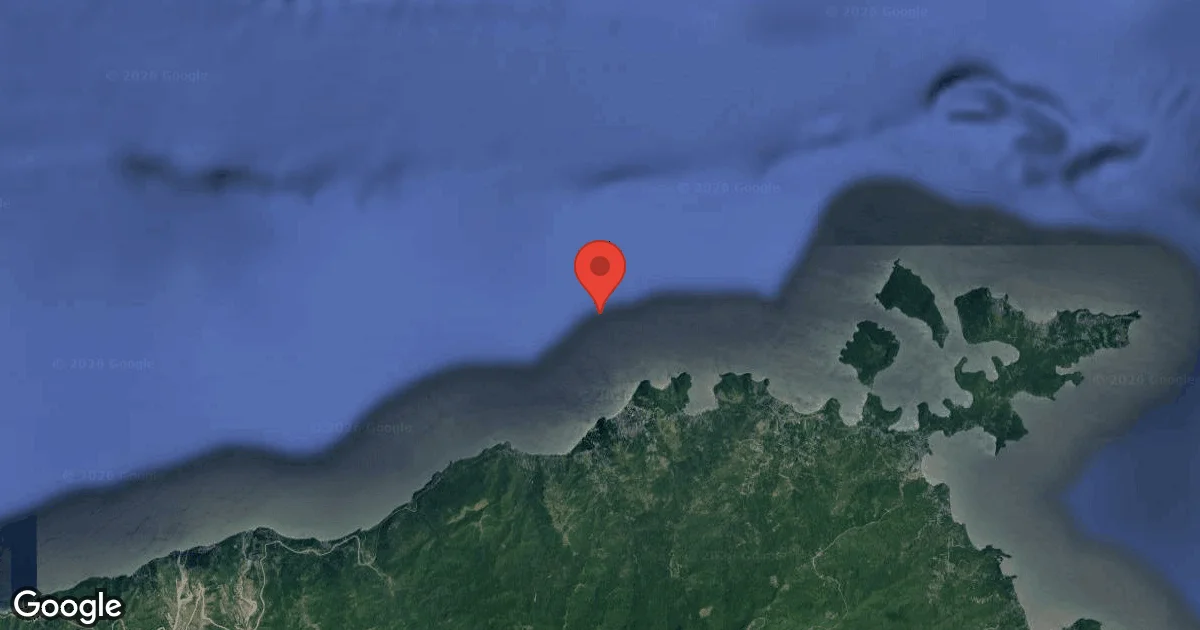
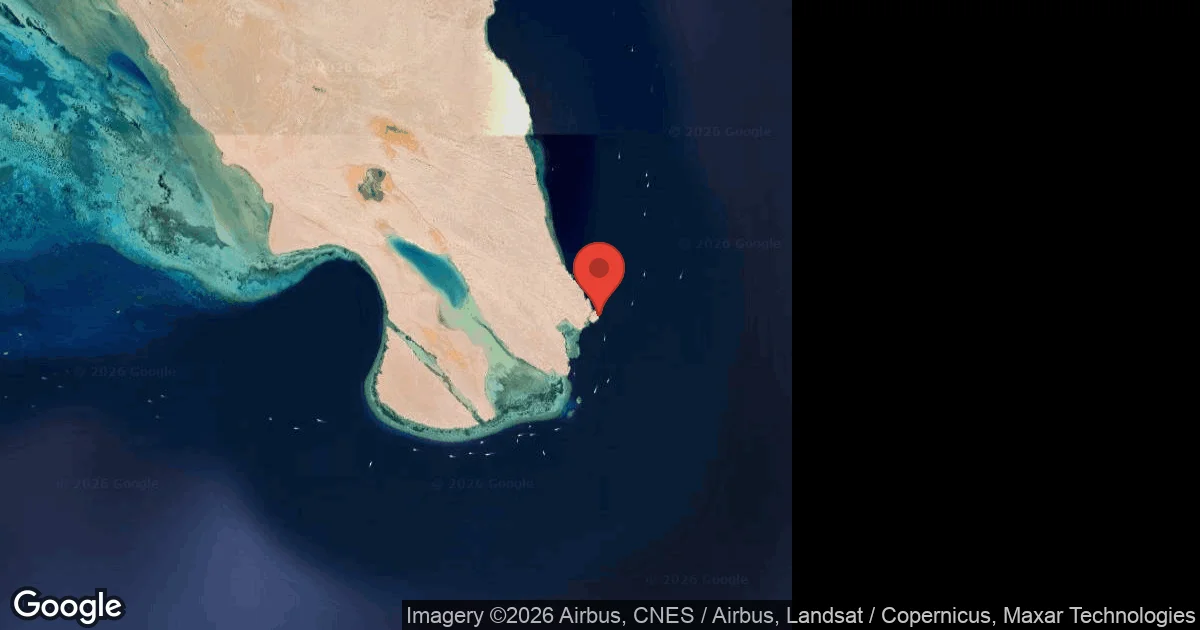
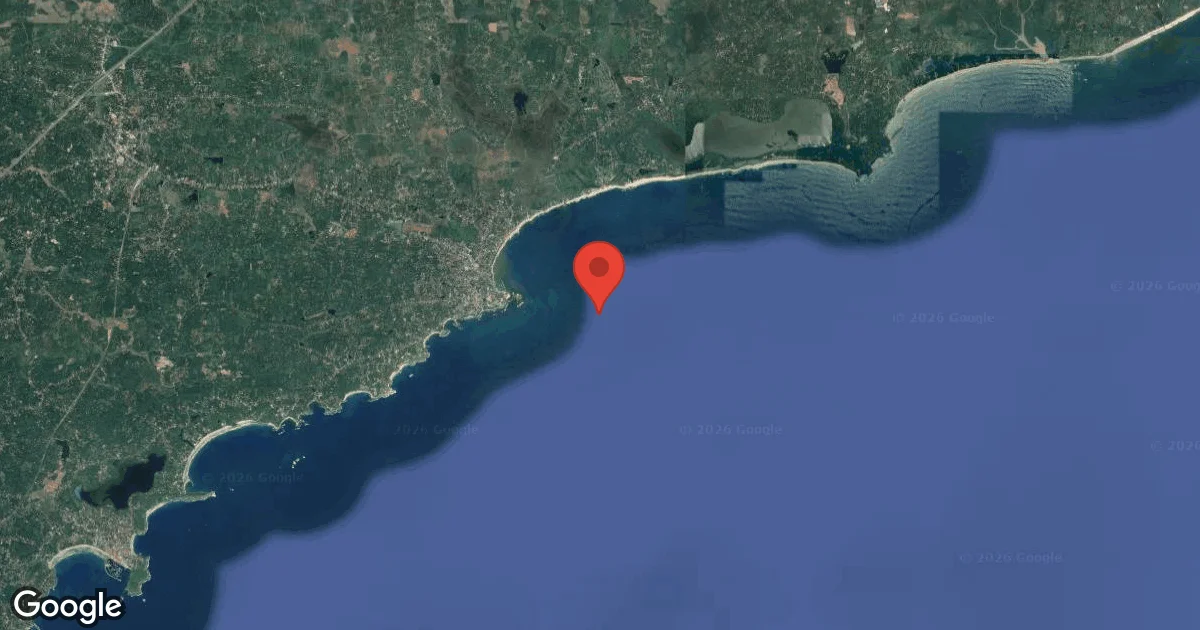
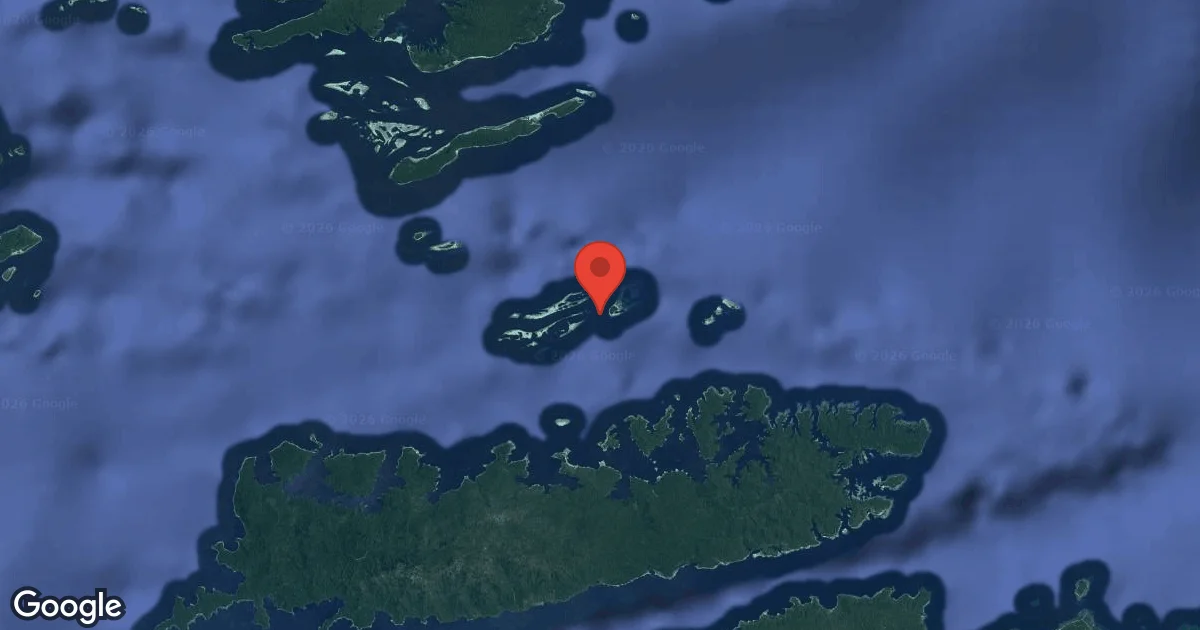
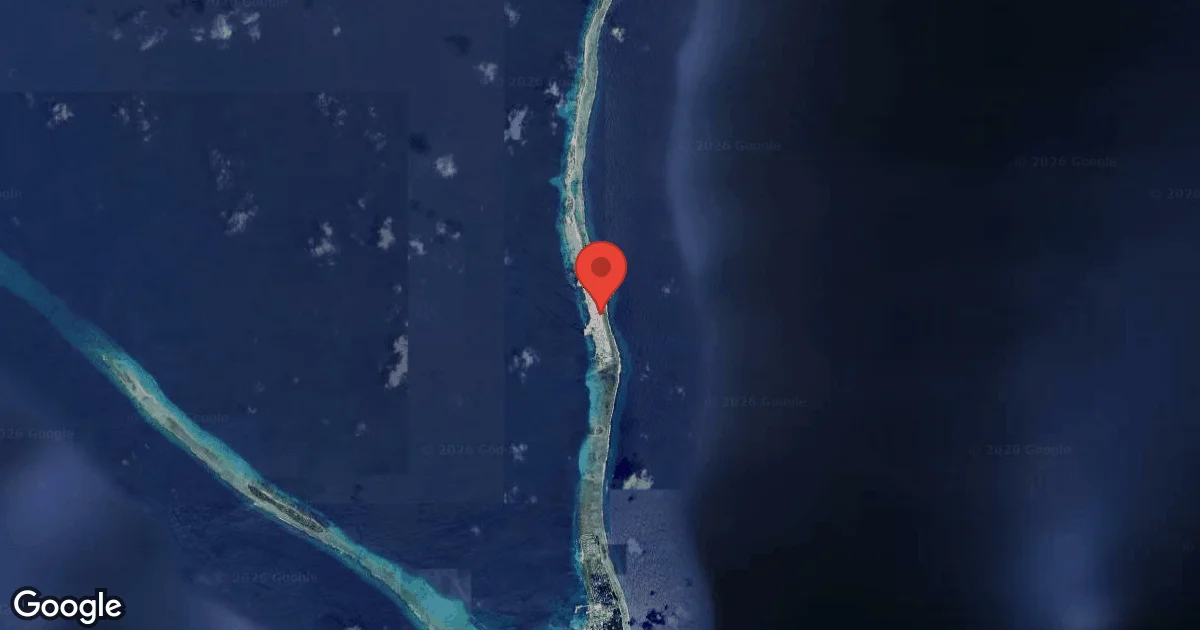
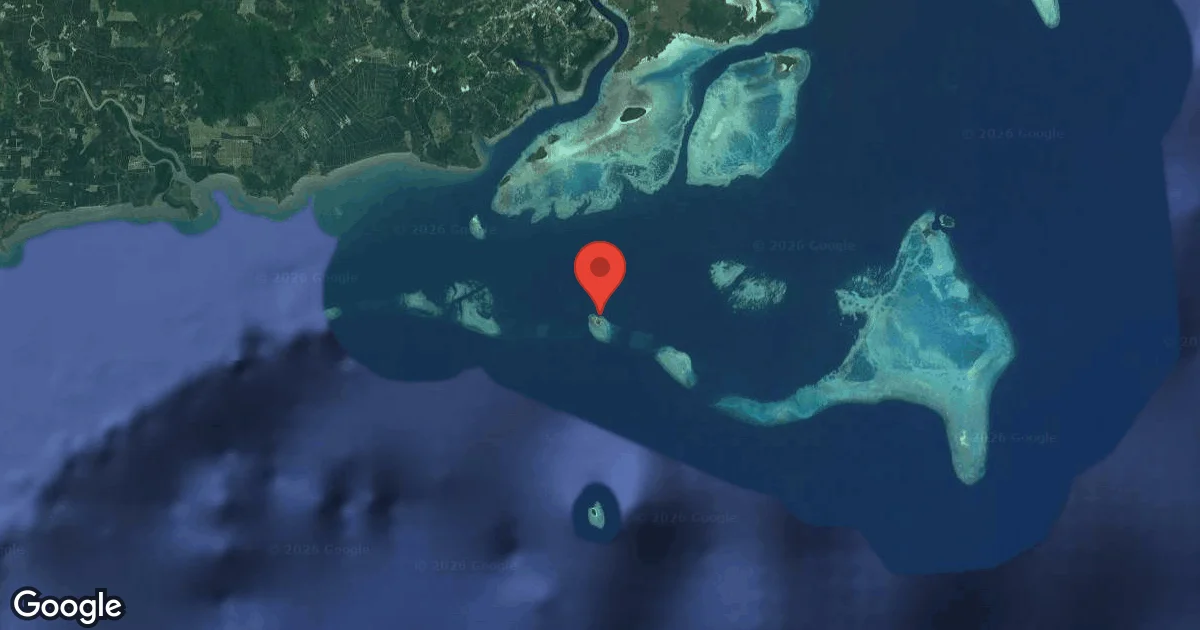
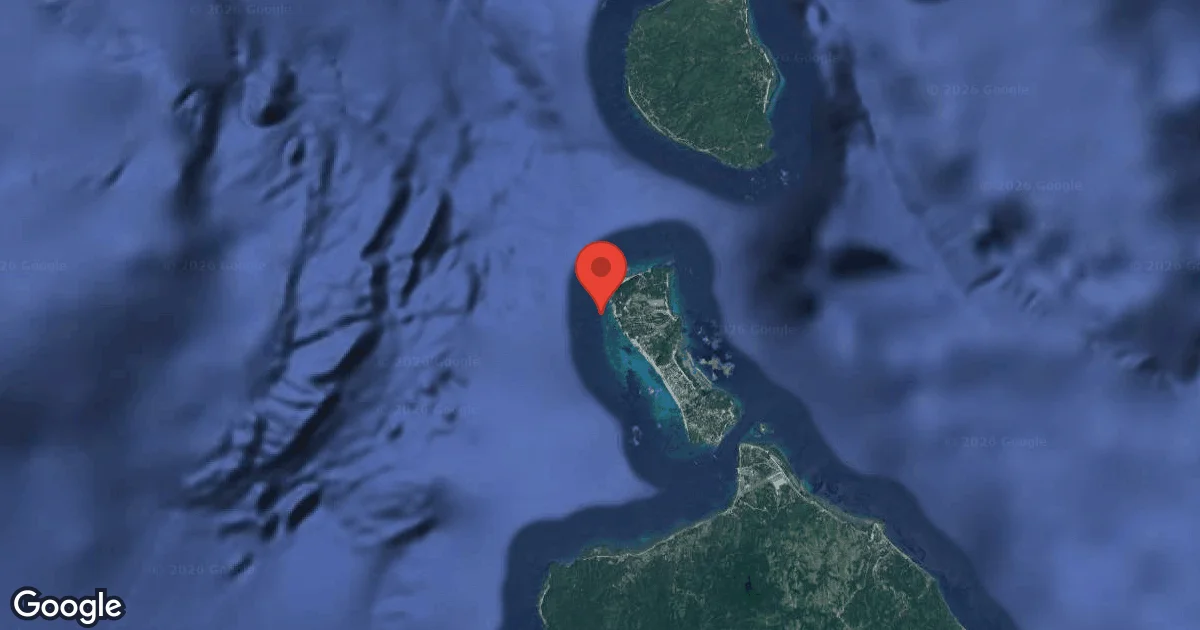
Discover 12 of 151 breathtaking locations where you can encounter this species.
Related Marine Life

Explore other incredible species you can encounter on your diving adventures.