
Diving at Boomers (Australia)
You'll know the moment you're over Boomers, near Jurien Bay: your boat's sounder leaps from 18 m to 6 m in the space of a metre or two. That sudden rise is a reef of bommies and ledges climbing out of seagrass, dropping to about 18 m / 59 ft. Boat access, exposed to swell, and rated intermediate for divers comfortable in open water.
Evening condition tracking at Boomers features an air temperature of 21°C. We have recorded wave heights measuring 1.5 m during this period. These figures outline the environmental parameters currently present.
Dive Site Location & Key Facts
Dive Site Overview
The reef announces itself before you even gear up. One second the depth sounder reads 18 m, the next it's flashing 6 m, and that vertical jump is the whole character of the place: bommies and ledges shouldering up out of a seagrass floor to about 18 m / 59 ft, with an average closer to 12 m / 39 ft.
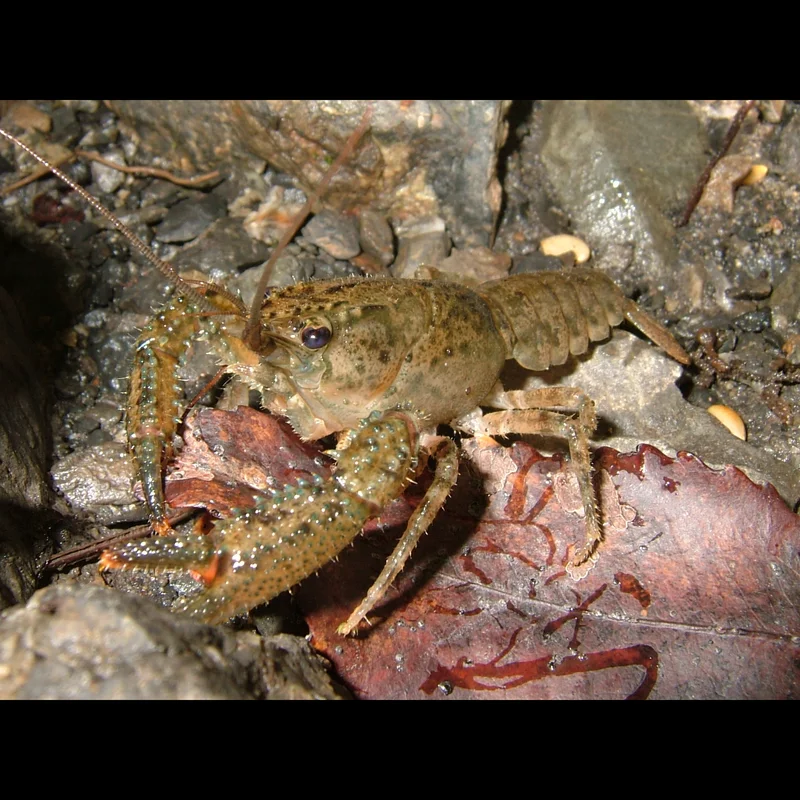
Drop down and you work the structure, finning along the bases of the bommies and peering under ledges where crayfish back into the cracks. Seagrass fills the gaps between formations, so the reef itself holds most of the interest while the open beds in between stay quiet. There's no shore option here and no shelter to duck behind; the site sits out in the open and takes whatever swell is running, which is why a low-swell window matters more than anything else you plan. Work the lee of the bommies, keep an eye on your position over that uneven bottom, and let the relief guide your route. The bommie tops rise to around 6 m / 20 ft while the bases sit near 18 m / 59 ft, so you can plan a multi-level dive and leave the shallowest structure for the end. Seagrass beds fill the low ground between formations, and the dhufish you're hoping for tend to patrol the edges where reef meets grass.
Conditions are Moderate
High Swell Advisory. Not recommended.
Current conditions near Boomers show 21° air, 20° sea temperature, 3.8 m waves, and 28 km/h wind. Forecast data is refreshed regularly to ensure accuracy.
Best Time to Dive
Summer is your window, roughly January through March, when the dive scores hold up and the worst of the swell stays away. Water out here never gets truly warm, peaking around 23°C / 73°F in the warmer months and dropping to about 19°C / 66°F by late winter, so dress for cool water year-round. Swell is the catch. Modelled wave height is high across the whole calendar and climbs toward 3.5 m / 11 ft in mid-winter, and the dive scores collapse right through that June-to-September stretch. The takeaway is simple: this is a fair-weather site, so watch the forecast and go when the wind and swell back off. Rain barely registers and won't factor into your planning. Wind stays moderate through the year and rarely makes the call on its own, so it's the swell you keep watching.
PEAK SEASON SCORE
Scores combine air & water temps, waves, wind & rainfall for overall conditions.
BEST MONTHS TO DIVE
Monthly records compiled from satellite and marine observation nodes over the last 3 years. Data provided by Open-Meteo and MET Norway.
Dive Experience & Conditions
Picture a boat dive worked entirely around structure. You descend onto the reef at about 18 m / 59 ft, then spend the dive following bommies and ledges as they rise and fall, using the shallower tops to stretch your gas toward the end. Buoyancy is the skill that matters, because the good stuff sits tight under the ledges and you don't want to crash into it or kick up the seagrass. Crayfish tuck into the cracks, so slow down and look instead of rushing the route. The reef is exposed, full stop, so even when it's calm below, the surface can be moving, and getting back to the boat in swell is part of the job. Check the conditions with whoever's running the trip before you splash, and if the swell is up, this one waits.
Dive Difficulty & Safety Guidelines
Exposure is the headline, and the warning attached to this site is blunt: it's an open, swell-prone reef with nothing to hide behind. That puts a low-swell forecast at the top of your checklist, because a rough surface makes the descent, the ascent, and the swim back to the boat all harder than the 18 m / 59 ft depth suggests.
The profile itself is straightforward intermediate territory: manageable depth, simple reef navigation, and no overhead to worry about. Keep your buoyancy honest around the ledges, track your position over the uneven bottom so you surface near the boat, and treat the swell as the deciding factor. On a marginal day, the conservative call is to leave it for another time.
Recommended Equipment
- Dive Computer
- DSMB
This gear list is based on verified equipment signals for Boomers, Australia. Always confirm final gear choices with your dive operator, guide, or liveaboard.
Recommended Dive Suit
Forecasts suggest a slight cooling pattern in the days ahead. Cooler days are ahead; you might want a warmer option for later in the week. Divers planning multiple dives may appreciate having a warmer option available.
Factors such as dive duration, depth, and activity level can influence how warm a diver feels underwater.
5mm wetsuit typically balances flexibility and thermal protection in these temperatures. Surface intervals may feel cooler. The latest environmental readings for Boomers suggest water temperatures around 20°C (68°F). Surface air temperatures are resting at 21°C (70°F).
Due to technical issues with our weather providers, live updates are temporarily delayed. The data above reflects the conditions at the time of the last successful fetch.
Emergency & Medical Support
Essential information to help you plan your dive trip to Boomers.

Hyperbaric chambers are a critical part of dive safety infrastructure. Availability varies significantly by region, and not all dive areas have immediate access.
Before diving, it's recommended to:
- confirm nearest medical facilities
- check emergency procedures with local dive operators
- ensure dive insurance covers evacuation if required
Divers Alert Network
Diving emergency assistance available through DAN World.
+1-919-684-9111- 24/7 emergency hotline
- Diving medical assistance
- Evacuation coordination
Emergency contacts are provided for reference. Always verify local emergency services before diving.
Marine Life at Boomers
Crayfish are what you can count on, backed into the ledges and cracks where the reef gives them cover, and dhufish patrol the structure as the other reliable resident. Slow your pace near the overhangs and you'll start spotting the antennae before the animals.
Beyond those two, the records are thin: general reef fish get a mention, but nothing else is firmly logged for the site, so go in expecting the reef and its crayfish instead of a big cast of characters.

Dive Sites Near Boomers
View all dive sites in AustraliaDiscover more underwater gems in this area.
Dive Centers Near Boomers
No Dive Centers Local To Boomers
Are you a dive center visiting this location? Get listed to reach divers.
Nearest Airports
Nearest airports to help plan travel to this dive area.
Search Flights
Check available flights and routes on Expedia, using the nearby airports listed in this section.
Search Flights on ExpediaFrequently Asked Questions
Why is it called Boomers?
The name fits what your sounder does over it: the bottom jumps from around 18 m to 6 m almost instantly as the bommies rise out of the seagrass.
How deep is the dive?
About 18 m / 59 ft at its deepest, averaging closer to 12 m / 39 ft as you work the tops and bases of the reef structure.
What's the main thing to watch?
Swell. The reef is fully exposed with no shelter, and wave height runs high for much of the year, so a low-swell day is essential.
What will I see down there?
Crayfish in the ledges and dhufish around the structure are the reliable sightings. General reef fish get a mention, but little else is firmly recorded.
Is it good for beginners?
It's rated intermediate. The depth is manageable, but the open exposure and swell make it better for divers already comfortable in moving water.
Planning to dive Boomers?
Send one inquiry and receive offers directly from the best verified local dive operators.
Conditions are Moderate
High Swell Advisory. Not recommended.
Current conditions near Boomers show 21° air, 20° sea temperature, 3.8 m waves, and 28 km/h wind. Forecast data is refreshed regularly to ensure accuracy.