
Diving in Australia
Planning dives in Australia means understanding how conditions vary across different types of dive locations. 186 dive locations are currently indexed within Australia on our platform. It provides a clearer overview of available dive options.
Australia's diving identity is shaped by its extraordinary aquatic diversity, spanning from the iconic Great Barrier Reef to the distinct temperate ecosystems along its southern coasts. This vast island continent provides a wide spectrum of underwater experiences, appealing to every diver's interest. Queensland, encompassing the Great Barrier Reef and Coral Sea, stands out for its vibrant coral gardens, abundant reef sharks, and seasonal sightings of dwarf minke whales and humpbacks.
Beyond these established tropical waters, areas like New South Wales and Victoria offer a different, yet equally compelling, dive landscape. Here, divers can discover diverse marine life, including unique endemic species, alongside impressive wrecks and dramatic underwater topography. Western Australia's Ningaloo Reef allows for interactions with whale sharks and manta rays.
The country's extensive coastline, featuring numerous destinations, ensures a rich tapestry of diving. Whether seeking large pelagics, intricate macro life, or historical wrecks, Australia delivers a comprehensive and varied underwater adventure for certified divers.
Dive Map of Australia
Navigating Australia's expansive dive landscape often involves moving between its distinct coastal regions, each offering unique underwater environments. Divers typically plan their expeditions by focusing on major hubs that provide access to clusters of dive sites.
For instance, Cairns and Port Douglas serve as primary gateways to the Great Barrier Reef and the Coral Sea. Further south, destinations like Townsville provide access to significant wrecks such as the SS Yongala. In Western Australia, Exmouth and Coral Bay are starting points for exploring Ningaloo Reef.
Victoria and South Australia, with destinations like Port Lincoln and the Mornington piers, offer temperate water diving experiences. The sheer scale means that multi-region trips are common for those wishing to experience the full spectrum of Australia's underwater offerings.
Dive Sites to Explore
View all 186 sites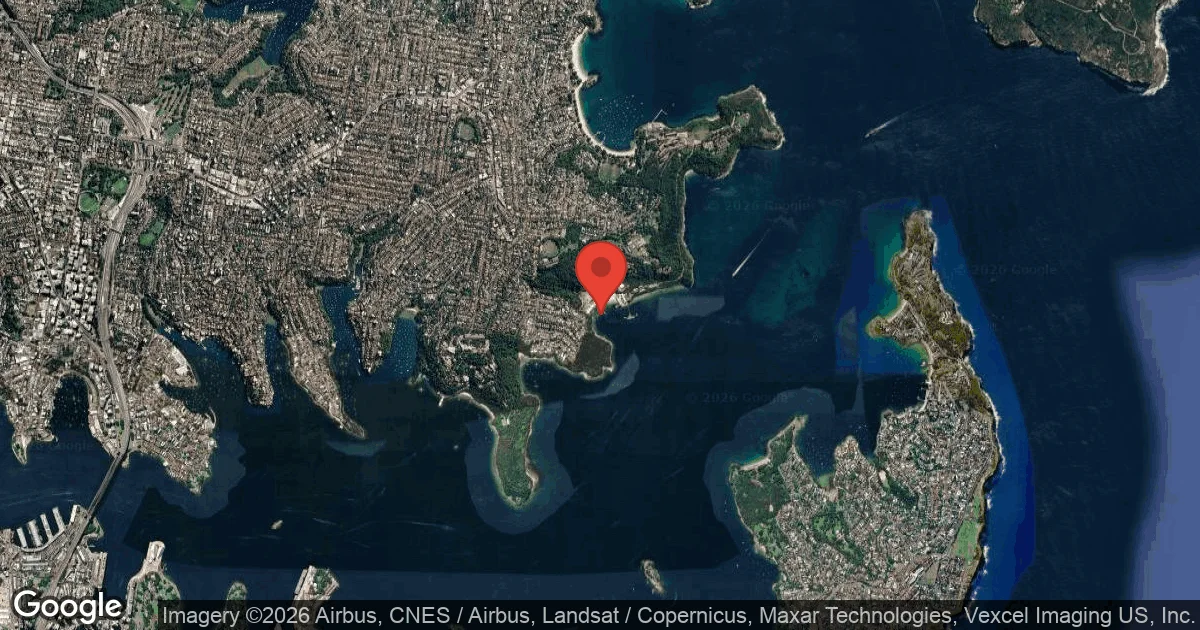
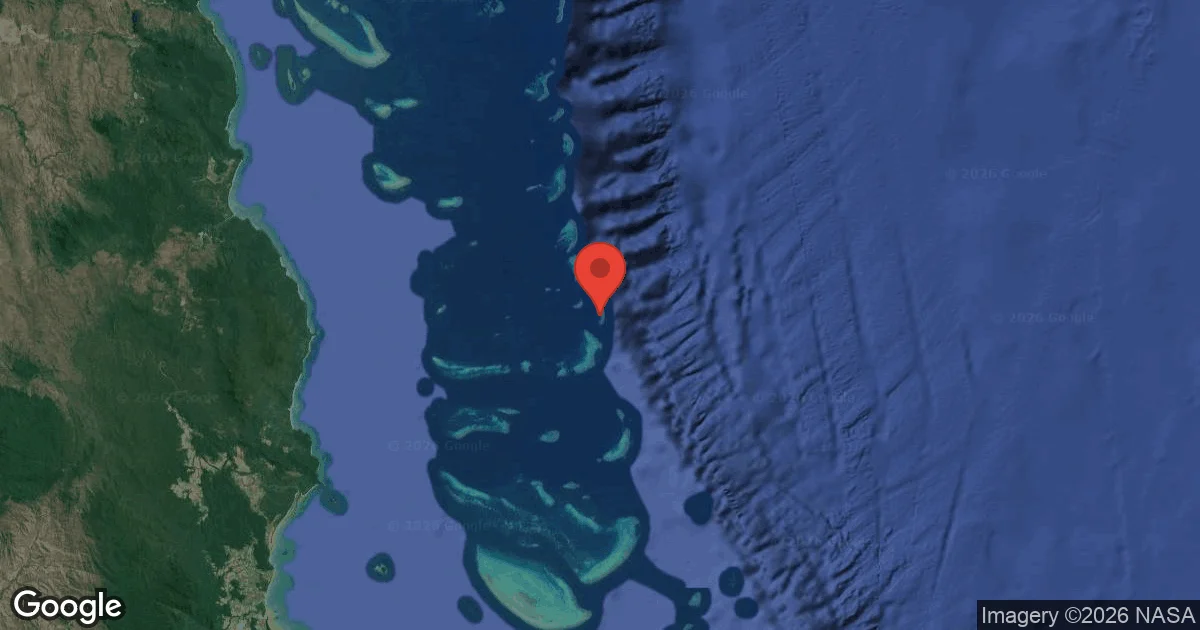
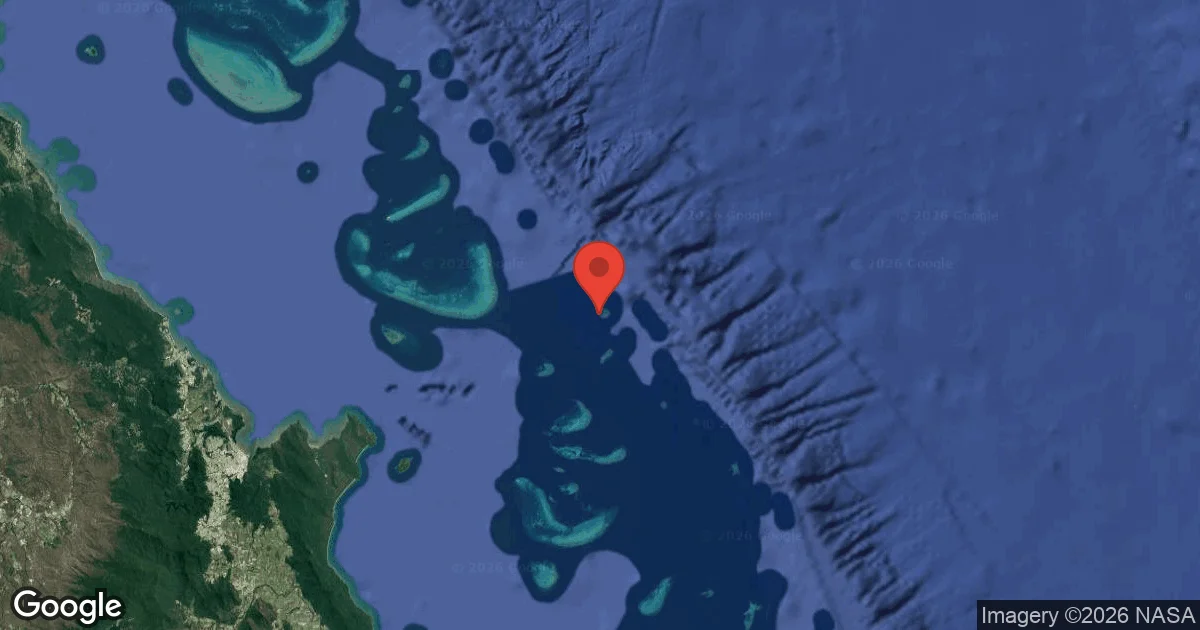
The SS Yongala wreck, located off Townsville in Queensland, stands as one of Australia's most celebrated dive sites, offering a phenomenal experience for wreck enthusiasts. This century-old steamship has become an artificial reef, attracting an incredible density of marine life including giant groupers, manta rays, and various sharks. Diving this site often involves strong currents, making it best suited for advanced divers.
Moving to other regions, Wolf Rock on the Sunshine Coast provides consistent pelagic action. Here, divers frequently encounter manta rays, stingrays, leopard sharks, and gray nurse sharks, making it a hotspot for shark and ray encounters. Visibility can be unpredictable, but the marine life density is consistently high.
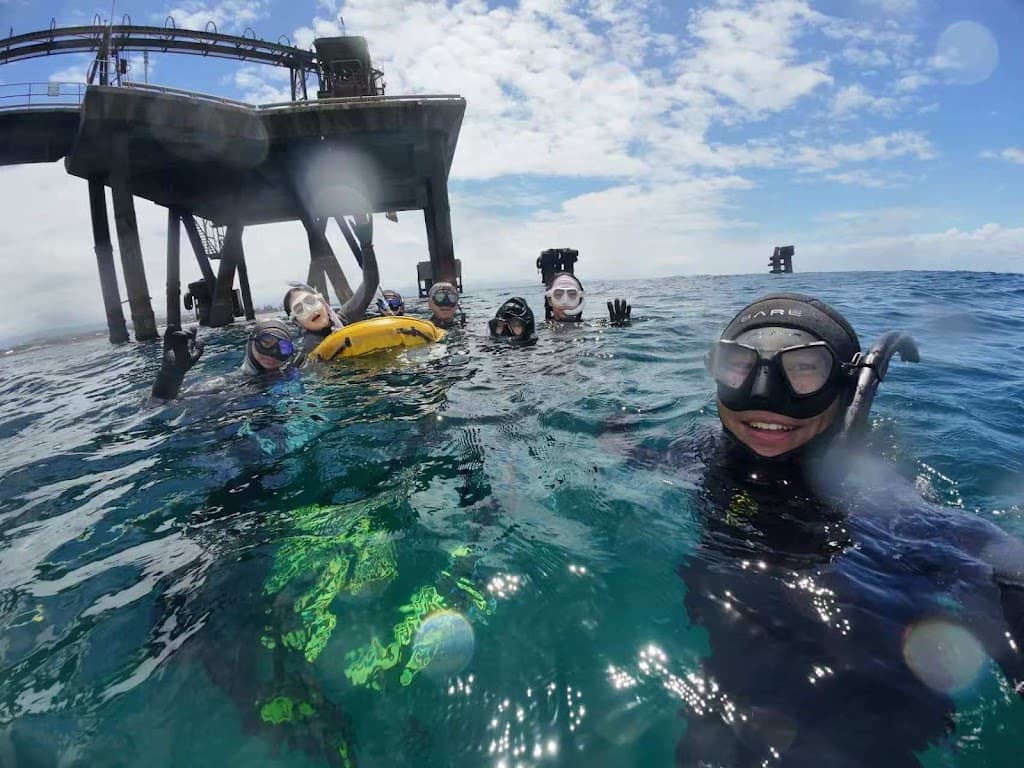
In Western Australia, Navy Pier near Ningaloo Reef offers an easy, shallow dive that surprises with its macro life and resident sharks. Wobbegongs, gray nurse sharks, and whitetip reef sharks are common, alongside an array of nudibranchs and frogfish. The site's protected nature makes it accessible to divers of all levels due to minimal currents and good visibility.
For a different experience, Fish Rock Cave off South West Rocks in New South Wales presents a thrilling 125 m (400 ft) long cave system. Inside, divers can find nurse sharks, wobbegongs, morays, octopuses, and turtles. The Great Barrier Reef's Ribbon Reefs, particularly Cod Hole, are well-regarded for their resident giant potato cods and seasonal dwarf minke whale encounters in June and July. These sites typically boast excellent visibility and vibrant coral health.
Best Time to Dive in Australia
Planning a dive trip to Australia often involves considering the dynamics of high versus low season, which can significantly impact crowd levels and availability. The 'dry' season, from June to November, is generally the high season for the Great Barrier Reef, characterized by lower humidity and less rainfall. While this period offers excellent conditions, it also sees more visitors, necessitating advance bookings for dive boats.
Conversely, the 'wet' season, from December to May, is considered the low season in tropical areas, with higher rainfall but often presenting great diving specials. Despite the rain, dive operators on the Outer Great Barrier Reef often find good conditions as sites are typically 60 km offshore. Specific marine life events also dictate optimal timing: whale sharks are best sighted at Ningaloo Reef between March and August, and dwarf minke whales frequent the Ribbon Reefs in June and July.
For temperate diving regions like Sydney, the winter months from July to October offer the clearest visibility due to calm seas and low algae. This period is ideal for photography and encountering unique species like weedy sea dragons. Meanwhile, summer (December-March) brings warmer waters, which are ideal for newer divers. Overall, Australia offers year-round diving, with specific months maximizing encounters or conditions depending on the region and desired experience.
Monthly Sea Temperatures
Selecting appropriate exposure protection in Australia is crucial, as sea temperatures vary significantly across its vast regions and seasons. In the tropical northern sector of the Great Barrier Reef, water temperatures are notably warm, ranging from a low of 22°C (72°F) in winter (June-August) to a balmy 29°C (84°F) in summer (December-February). Divers typically opt for 3 mm wetsuits or even lycra skins during the warmer months, with 5 mm suits preferred during the cooler winter period.
Further south, in regions like Sydney, the waters are considerably cooler. Temperatures range from approximately 15°C (59°F) in winter to 25°C (77°F) in summer. These cooler conditions often necessitate thicker wetsuits, such as 5-7 mm, or even drysuits for those sensitive to cold, particularly during the July to October period when temperatures can drop to 17-20°C (63-68°F).
In areas like Lord Howe Island and Byron Bay, temperatures typically sit between 21-26°C (70-79°F). Divers should research specific regional temperatures for their planned visit to ensure comfort and safety.
| Jan | Feb | Mar | Apr | May | Jun | Jul | Aug | Sep | Oct | Nov | Dec | |
|---|---|---|---|---|---|---|---|---|---|---|---|---|
| Max | 23° | 22° | 22° | 21° | 19° | 17° | 15° | 15° | 15° | 17° | 20° | 22° |
| Avg | 21° | 21° | 21° | 19° | 18° | 15° | 14° | 14° | 14° | 16° | 18° | 20° |
| Min | 19° | 20° | 20° | 18° | 16° | 14° | 13° | 13° | 14° | 14° | 16° | 18° |
Dive Conditions
Dive conditions in Australia are as varied as its geography, with visibility and currents being primary factors influencing the dive experience. Visibility on the Great Barrier Reef is generally excellent, often described as clear and deep blue, especially on outer reef sites. While tropical rainfall can occur during the wet season, it typically does not significantly affect offshore visibility. However, areas closer to the coast or after a high-intensity cyclone might see reduced clarity.
Currents vary greatly by site. Many popular sites around Sydney experience mild currents, suitable for divers of all levels, with visibility typically ranging from 5 to 10 m (16 to 33 ft), and improving to over 20 m (66 ft) in winter. Slack high tide often provides the best visibility in these areas. In contrast, sites like Rowley Shoals feature strong tidal flows, creating exhilarating drift dives. The SS Yongala wreck also frequently experiences strong currents, making it an advanced dive.
Lord Howe Island and some areas of the Coral Sea can also have significant currents, requiring divers to be proficient in current diving and carry a surface marker buoy. Navy Pier, however, is known for its shallow depth and absence of currents, offering calm conditions. Divers should always check local conditions and forecasts, especially regarding swell and tide, as these can impact visibility and current strength.
Marine Life Highlights
Most Mentioned Species
Marine life in Australia varies across dive locations, with different species appearing depending on environment and conditions. The species highlighted here are the most frequently associated with dive sites in our data, offering a realistic overview of what divers are most likely to encounter.
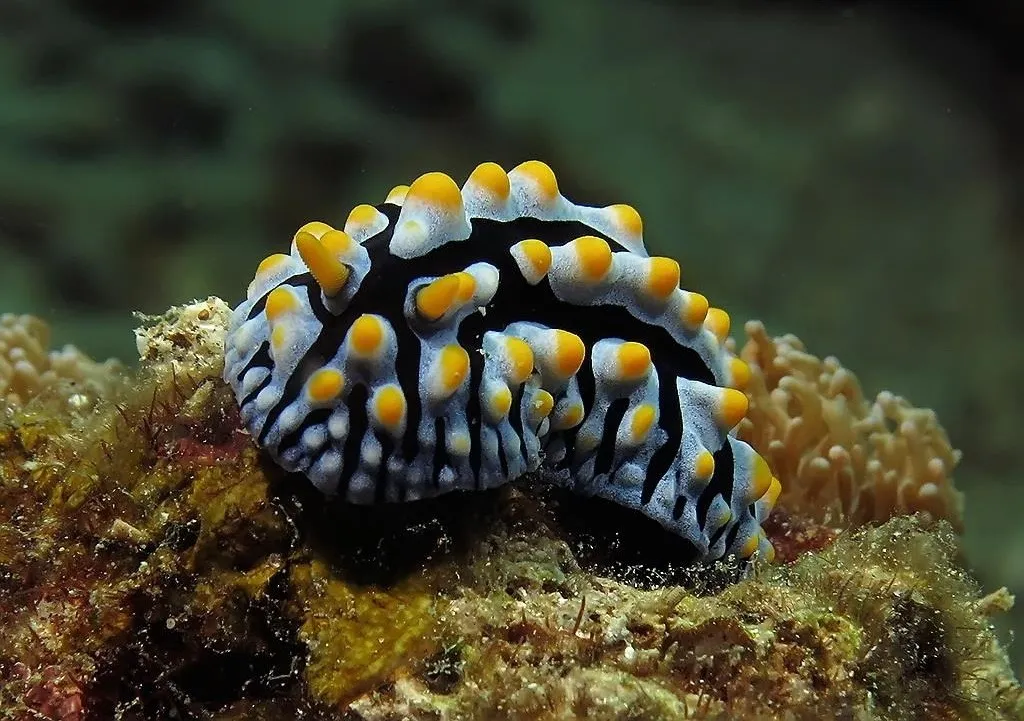
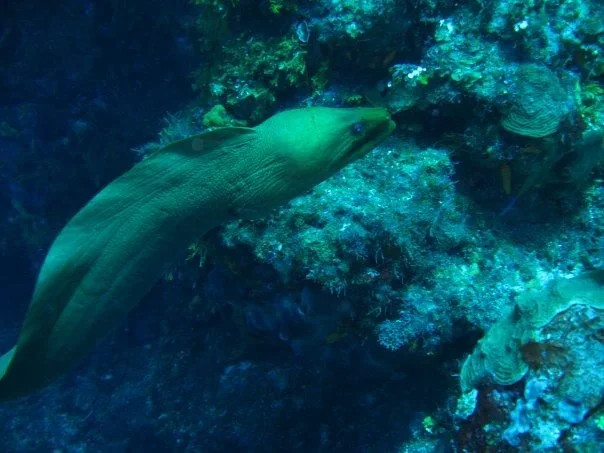
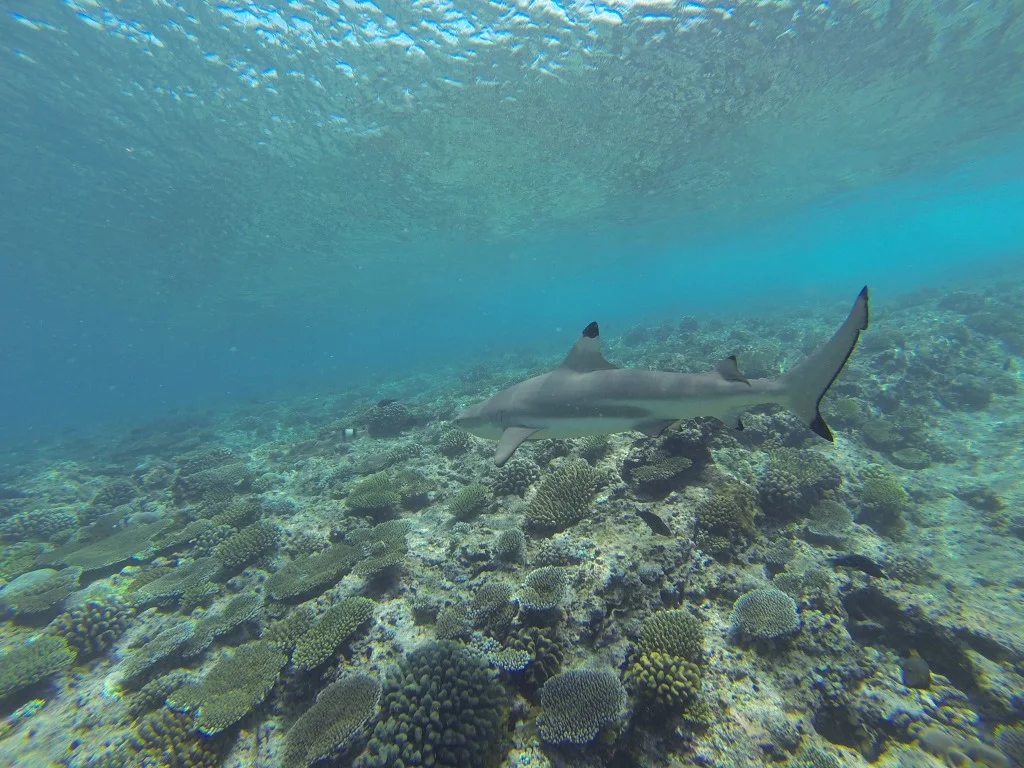
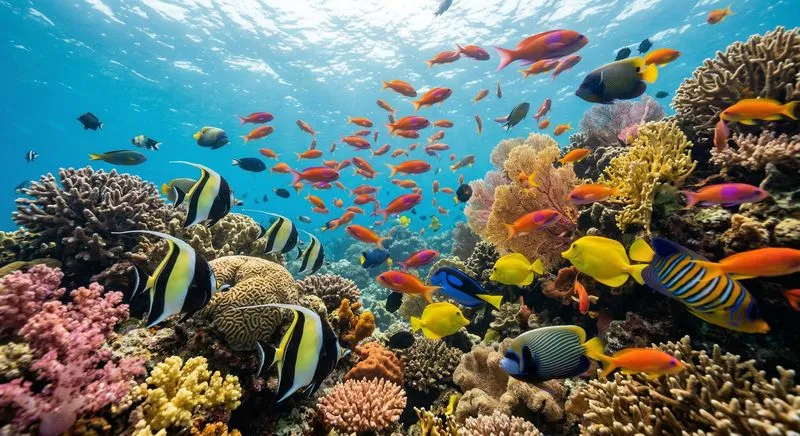
Australia's marine ecosystems showcase an exceptional abundance and diversity of life, from vibrant coral reef species to unique endemic creatures. The Great Barrier Reef alone is home to over 1,500 fish species, 411 types of hard coral, and six of the world's seven marine turtle species. This density ensures a dynamic underwater environment, with encounters ranging from schooling pelagic fish to intricate macro life.
Notable species commonly sighted include grey nurse sharks, leopard sharks, and wobbegongs, especially at sites like Wolf Rock and Navy Pier. Seasonal migrations bring spectacular events, such as dwarf minke whales and humpback whales to the Great Barrier Reef between June and November, and whale sharks to Ningaloo Reef from March to August. Lady Elliot and Lady Musgrave Islands are known for manta rays and guitar sharks.
In temperate southern waters, divers can find truly unique species like the leafy sea dragon, particularly around the Fleurieu Peninsula and Rapid Bay Jetty. Other frequently observed marine life includes octopuses, cuttlefish, seals, blue gropers, barracudas, and a variety of nudibranchs and smaller critters. The annual coral spawning in October/November transforms the reef with new life, attracting a host of invertebrates like decorator crabs and slipper lobsters.
Regions for Diving
Australia's vast coastline offers distinct diving styles across its various regions, each promising a unique underwater experience.
Queensland (Great Barrier Reef & Coral Sea): This region is synonymous with vibrant coral reef diving. The Great Barrier Reef, accessible from destinations like Cairns, Port Douglas, and Bundaberg, provides extensive reef systems teeming with fish species, hard and soft corals, and seasonal encounters with dwarf minke whales and humpbacks. Outer reef sites and the Coral Sea, including Osprey Reef, are known for excellent visibility and pelagic action, with sightings of reef sharks, manta rays, and barracudas. Water temperatures are tropical, ranging from 22-29°C (72-84°F) year-round, making it comfortable for extended dives.
New South Wales: This region offers a diverse array of diving, from shore entries to offshore rocky outcrops and wrecks. Destinations like South West Rocks are home to Fish Rock Cave, an impressive cave system frequented by nurse sharks and wobbegongs. Byron Bay, with Julian Rocks, is known for its blend of tropical and temperate marine life. Visibility here typically ranges from 5 to 10 m (16 to 33 ft), improving in winter (July-October) to over 20 m (66 ft). Water temperatures vary from 15-25°C (59-77°F), requiring suitable exposure protection.
Western Australia (Ningaloo Reef & Rowley Shoals): Western Australia, particularly around Exmouth and Coral Bay, is a prime location for Ningaloo Reef, a UNESCO World Heritage site known for whale shark encounters from March to August and abundant manta rays. Navy Pier offers exceptional macro and resident shark diving in shallow, calm conditions. Further offshore, Rowley Shoals offers exhilarating drift dives with strong currents, accessible only for a short period around October, with vibrant formations and large fish species. Water temperatures at Ningaloo generally range from 22-26°C (72-79°F).
Victoria & South Australia: These southern regions provide cooler water diving with unique temperate marine life and significant wreck sites. Victoria, with destinations like Port Phillip Bay and the Great Ocean Road, features kelp forests, caves, and wreck dives such as the HMAS Canberra. Divers can spot octopuses, seals, seahorses, and weedy sea dragons. South Australia, particularly the Fleurieu Peninsula and Port Lincoln, offers exceptional opportunities for spotting leafy sea dragons and great white shark cage diving at Neptune Islands. Water temperatures are cooler, dropping to around 10-15°C (50-59°F) in winter, requiring thicker wetsuits or drysuits.
Travel & Passport Guide
Travel Basics
Trip Planning
Safety & Diving Considerations
Diving in Australia demands an awareness of local conditions and adherence to safety protocols, especially given the country's diverse and sometimes challenging underwater environments. Strong currents are a significant consideration at several notable sites, such as the SS Yongala wreck, Rowley Shoals, and certain locations within the Coral Sea and around Lord Howe Island. Divers planning to visit these areas should be experienced in drift diving techniques and always carry a surface marker buoy.
While many popular Sydney dive sites generally have mild currents, conditions can change, and it's always prudent to check local forecasts. Victoria's cooler water environments can also be challenging due to temperature and potential for surge; seeking local knowledge before diving in new locations is highly recommended.
The vast distances between dive sites, particularly for remote reefs like Rowley Shoals or Christmas Island, mean that reliable dive operators and well-maintained equipment are essential. Always ensure your dive plan accounts for your certification level, current conditions, and the remote nature of some of Australia's most spectacular dive spots.
Dive Centers in Australia
View all 10 dive centers
Frequently Asked Questions
What is the best time of year to dive the Great Barrier Reef?
The 'dry' season from June to November is generally recommended for the Great Barrier Reef, offering lower humidity, less rainfall, and excellent visibility. However, December to May is the 'wet' season, which can still offer great diving conditions offshore and potentially better deals. Specific marine life events, such as dwarf minke whale season in June and July, also influence optimal timing.
What kind of marine life can I expect to see in Australia?
Australia boasts an incredible array of marine life. In tropical waters, expect reef sharks, manta rays, various coral species, and a multitude of fish. Seasonal highlights include whale sharks at Ningaloo Reef and humpback whales on the Great Barrier Reef. Temperate regions offer unique species like the leafy sea dragon, giant cuttlefish, seals, and diverse macro life.
What are the typical water temperatures for diving?
Water temperatures vary significantly across Australia. Tropical regions like the Great Barrier Reef range from 22°C (72°F) in winter to 29°C (84°F) in summer. Southern regions, such as Sydney, experience cooler temperatures, from 15°C (59°F) in winter to 25°C (77°F) in summer. Divers should plan their exposure protection accordingly, from lycra skins to 7mm wetsuits or drysuits.
Are there strong currents at Australian dive sites?
Currents vary by location. Many sites, particularly shallow ones like Navy Pier, have minimal currents. However, some advanced sites, including the SS Yongala wreck, Rowley Shoals, and parts of the Coral Sea or Lord Howe Island, are known for strong currents and may require experience in drift diving. Always consult local dive operators for current conditions.
Can beginners dive in Australia?
Yes, Australia offers many dive sites suitable for beginners. Shallow reefs on the Great Barrier Reef, protected sites like Navy Pier, and many shore dives around Sydney have calm conditions and manageable depths. Warmer waters in summer are also often ideal for newer divers. Always choose a dive operator that matches your certification level and experience.