
Diving at Eagle Bluff (Australia)
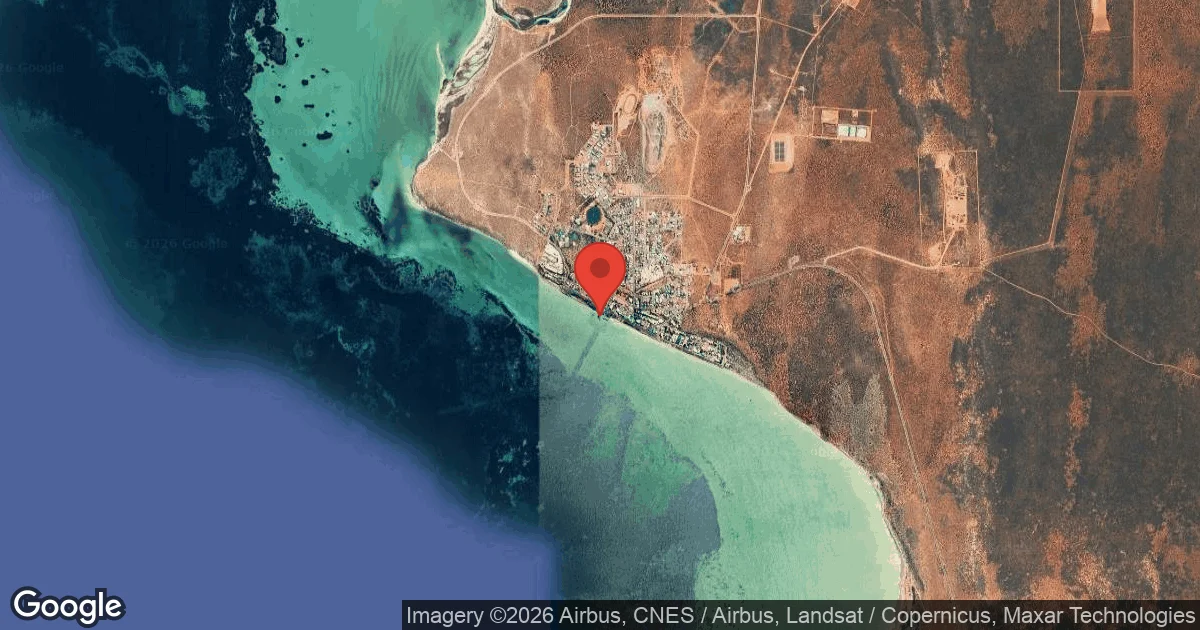
About 25 km south of Denham and reachable by car, Eagle Bluff is a shallow Shark Bay shore snorkel over seagrass and bommies, dropping to only about 4 m / 13 ft. The reason to come is what grazes the grass: dugongs are recorded here. Rated beginner and open-water friendly, it's an easy, bright snorkel best enjoyed when the swell is down.
Evening condition tracking at Eagle Bluff features an air temperature of 18.5°C. We have recorded wave heights measuring 0.4 m during this period. These figures outline the environmental parameters currently present.
Dive Site Location & Key Facts
Dive Site Overview
This is gentle, sunlit water over a patchwork of seagrass and limestone. A soft slope leads out from the beach, with bommies rising among the grass beds and holes and ledges worked into the rock, all sitting in around 4 m / 13 ft at most and closer to 2 m / 7 ft on average.
What lifts it above an ordinary shallow snorkel is the company. The seagrass that fills the gaps between the bommies is exactly what dugongs come to graze, so a glimpse of one moving slowly across the meadow is the moment you're here for. You reach it by car with parking close by, and the diving is easy enough for almost anyone comfortable in the water. Surge and swell can stir the shallows and cloud the visibility on a windy day, so this is a snorkel that rewards picking calm weather; on a settled morning, the bright grass beds and bommies make for a relaxed, unhurried look around. The mix of seagrass, sand and limestone gives the shallow ground variety, and the gentle slope means you can wade in and ease out without fuss. Keep your group together over the open meadow, since there's little to navigate by once you're snorkelling.
Conditions are Good
07:00 - 14:00
Optimal conditions expected
Current conditions near Eagle Bluff show 18° air, 21° sea temperature, 0.5 m waves, and 30 km/h wind. Forecast data is refreshed regularly to ensure accuracy.
Best Time to Dive
Autumn into early winter, roughly April through June, posts the strongest scores here, and they hold up well across the year in this sheltered corner of Shark Bay. Water is warm, peaking near 26.8°C / 80°F in late summer and cooling to about 17°C / 63°F at its winter low, so light protection covers most visits. The gulf does you a favour with the swell, keeping wave height very low at around 0.5–0.8 m / 2–3 ft year-round. The wind is the variable that matters, blowing fresh and topping 32 km/h / 20 mph in summer, and on a breezy day the shallows stir up and visibility drops. Pick a calm morning and the shallow grass beds stay clear and easy to read.
PEAK SEASON SCORE
Scores combine air & water temps, waves, wind & rainfall for overall conditions.
BEST MONTHS TO DIVE
Monthly records compiled from satellite and marine observation nodes over the last 3 years. Data provided by Open-Meteo and MET Norway.
Dive Experience & Conditions
Plan an easy shore snorkel or shallow dive with the bottom always in view. With a maximum near 4 m / 13 ft, there's no pressure on air or time, so you drift the seagrass slowly, checking the bommies and scanning the grass for movement. That movement is what you're watching for, because a dugong working the meadow is the highlight, and the right response is to hold still and give it room. The soft slope and shallow water make navigation simple, with the beach as your constant reference. Surge can reach the shallows when the wind picks up, clouding the water, so a calm day makes the difference between a clear snorkel and a murky one. Keep your group together over the open ground and let the easy depth set a relaxed pace.
Dive Difficulty & Safety Guidelines
Shallow depth and a straightforward beach entry make this an easy, beginner-friendly snorkel, and the open-water level in the notes fits. The conditions to read are surge and swell, which can stir the shallows and drop the visibility on a windy day, so a calm morning is both more pleasant and easier to navigate.
If a dugong appears, keep your distance and let it graze undisturbed; crowding it is both poor form and likely to end the encounter. With the bommies so shallow, steady finning protects the coral and keeps the sand down. Beyond watching the weather and respecting any wildlife, there's little to manage here, and on a calm day it stays a low-stress snorkel for almost anyone.
Recommended Equipment
- Dive Computer
- Hard-soled Dive Boots
This gear list is based on verified equipment signals for Eagle Bluff, Australia. Always confirm final gear choices with your dive operator, guide, or liveaboard.
Recommended Dive Suit
Divers planning relaxed exploration may appreciate the warmth of 3-5mm wetsuit. A hood or vest is suggested for sensitive divers due to surface winds. Surface intervals may feel cooler. Divers often notice that perceived temperature can feel cooler during deeper or longer dives.
At the moment, divers exploring Eagle Bluff will likely experience water temperatures near 21°C (70°F). Surface air temperatures are resting at 18°C (65°F).
Conditions are expected to stay fairly consistent in the days ahead.
Emergency & Medical Support
Essential information to help you plan your dive trip to Eagle Bluff.

Hyperbaric chambers are a critical part of dive safety infrastructure. Availability varies significantly by region, and not all dive areas have immediate access.
Before diving, it's recommended to:
- confirm nearest medical facilities
- check emergency procedures with local dive operators
- ensure dive insurance covers evacuation if required
Divers Alert Network
Diving emergency assistance available through DAN World.
+1-919-684-9111- 24/7 emergency hotline
- Diving medical assistance
- Evacuation coordination
Emergency contacts are provided for reference. Always verify local emergency services before diving.
Marine Life at Eagle Bluff
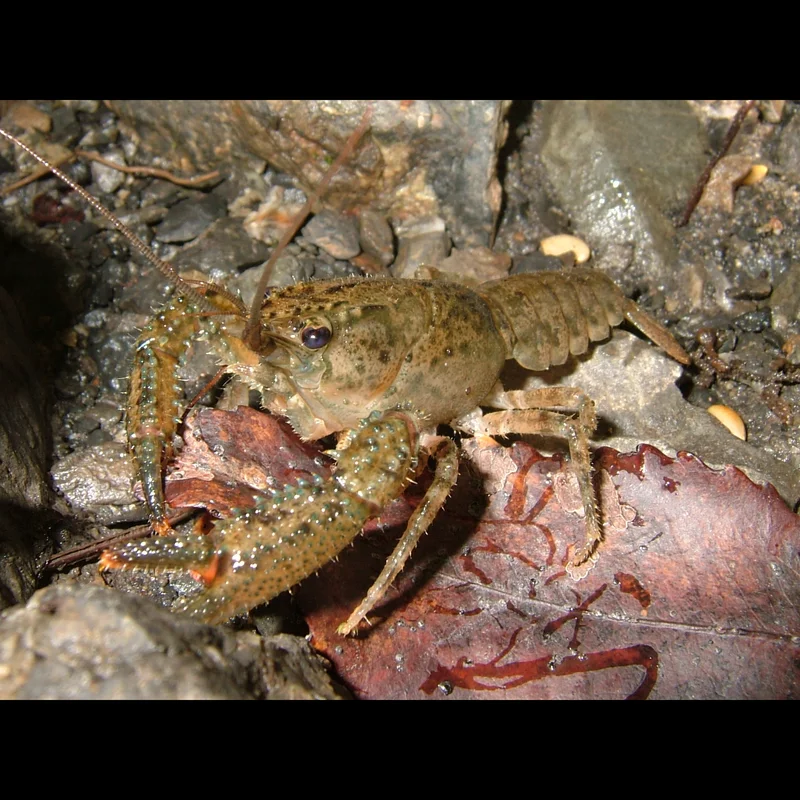
The standout is genuine: dugongs are recorded grazing the seagrass here, and that chance of a slow, close encounter with one is what gives the site its pull. Crayfish are the other confirmed resident, tucked into the limestone among the bommies.
The notes also mention coral trout and tuskfish around the reef, though those carry less certainty than the dugongs and crayfish. Go for the habitat and the possibility of a dugong, and treat the rest as a bonus on a bright, easy snorkel.

Dive Sites Near Eagle Bluff
View all dive sites in AustraliaDiscover more underwater gems in this area.
Dive Centers Near Eagle Bluff
No Dive Centers Local To Eagle Bluff
Are you a dive center visiting this location? Get listed to reach divers.
Nearest Airports
Nearest airports to help plan travel to this dive area.
Search Flights
Check available flights and routes on Expedia, using the nearby airports listed in this section.
Search Flights on ExpediaFrequently Asked Questions
Will I see dugongs at Eagle Bluff?
Dugongs are recorded grazing the seagrass here, which is the site's signature draw. Sightings are never guaranteed, so keep your distance and let any you find graze undisturbed.
How deep is it?
Very shallow, about 4 m / 13 ft at most and closer to 2 m / 7 ft on average, which makes it a snorkel more than a dive.
How do I get there?
By car, about 25 km south of Denham, with parking close to the shore entry.
When are conditions best?
Scores peak in autumn around April to June, and the gulf stays calm year-round, so the priority is simply a low-wind day to keep the shallows clear.
Planning to dive Eagle Bluff?
Send one inquiry and receive offers directly from the best verified local dive operators.
Conditions are Good
07:00 - 14:00
Optimal conditions expected
Current conditions near Eagle Bluff show 18° air, 21° sea temperature, 0.5 m waves, and 30 km/h wind. Forecast data is refreshed regularly to ensure accuracy.