
Diving at Nekker (Belgium)
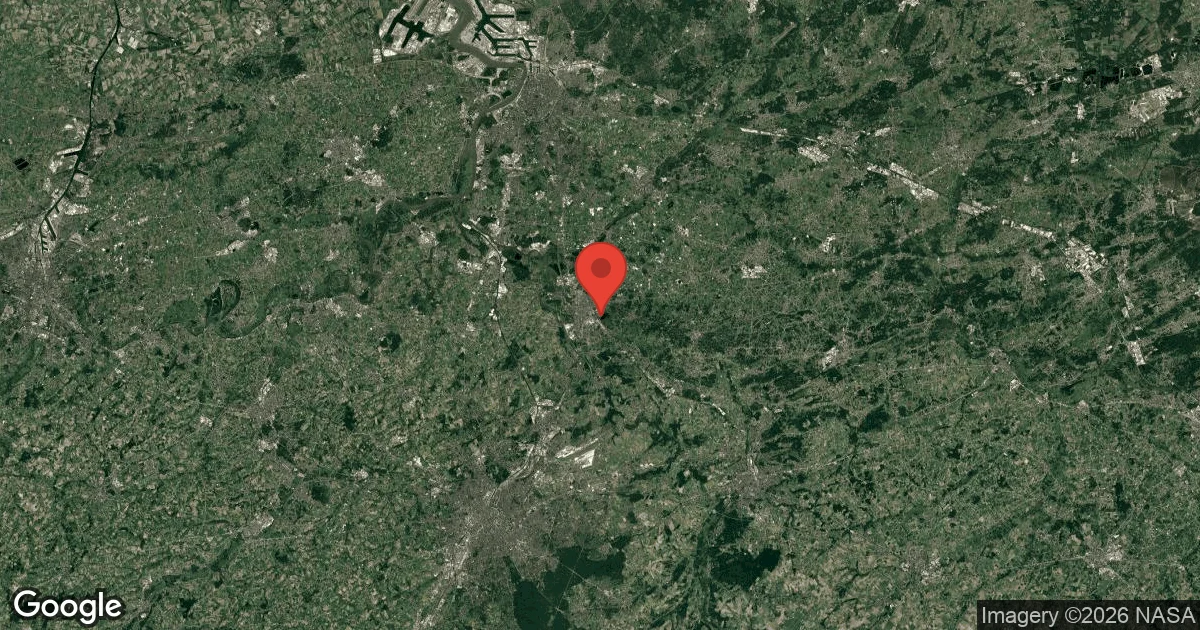
The Nekker recreational center, encompassing 65 hectares in Mechelen, Belgium, features a substantial 30-hectare diving pond. Originating partly from natural formations and partly from E-19 construction sand extraction, this freshwater lake serves multiple recreational uses. Its infrastructure, including platforms at varying depths, is specifically designed to accommodate dive training and skill development.
Recent updates for Nekker show an air temperature measuring 16°C. Overall water conditions reflect the typical seasonal state for Belgium. Please exercise standard safety precautions before entering the water.
Dive Site Location & Key Facts
Dive Site Overview
Nekker's design primarily supports diver training and progressive skill development, distinguishing it as a highly accessible freshwater site. For new divers, three submerged platforms are strategically placed at varying depths, offering clear stations for practicing essential skills like buoyancy control and mask clearing in a controlled environment.
Beyond fundamental exercises, the pond presents a unique underwater landscape shaped by a diverse range of deliberately sunk objects. Divers can navigate around and explore everything from cars and boats to intricate pipe structures and even a full-sized fire truck. These features provide diverse opportunities for underwater navigation practice, wreck penetration techniques (for appropriately certified divers), and general exploration, all within a manageable setting.
The maximum depth of approximately 15 m / 49 ft offers sufficient scope for divers to advance from introductory dives to more complex scenarios, making it suitable for multiple certification levels, from Open Water to more specialized training. This blend of structured training infrastructure and varied underwater features creates an engaging and practical setting for divers looking to refine their abilities or simply explore a unique freshwater world.
Conditions are Good
07:00 - 14:00
Optimal conditions expected
Current conditions near Nekker show 16° air, --° sea temperature, N/A waves, and 23 km/h wind. Forecast data is refreshed regularly to ensure accuracy.
Best Time to Dive
For divers considering a visit, the warmest conditions for Nekker typically occur from June through August, when air temperatures average in the upper teens Celsius (mid-60s Fahrenheit). Water temperatures are also at their highest during these months, reaching up to 16-17°C / 61-63°F in late summer and early autumn. While rain is a consistent factor throughout the year, averaging around 1.8-3.0 mm daily across seasons, the milder air and water temperatures of the summer months generally enhance diver comfort. Visibility varies significantly, sometimes reported from as little as 5 meters (16 feet) to as much as 25 meters (82 feet) depending on the month and recent conditions, with clearer periods often occurring in colder months.
PEAK SEASON SCORE
Scores combine air & water temps, waves, wind & rainfall for overall conditions.
BEST MONTHS TO DIVE
Monthly records compiled from satellite and marine observation nodes over the last 3 years. Data provided by Open-Meteo and MET Norway.
Dive Experience & Conditions
The underwater landscape presents a mix of sandy bottom areas and wall features, alongside various wreck elements. Entry is typically made from the shore, providing straightforward access for divers. Visibility can be quite variable, with reports ranging from an average of 10 meters (33 feet) in February to potentially 25 meters (82 feet) in January and December, though it can drop to 5 meters (16 feet) during other times, particularly in warmer months. With no consistently reported currents, conditions generally remain calm, which is beneficial for training dives and underwater skill practice in this freshwater environment.
Dive Difficulty & Safety Guidelines
Prioritizing diver skill development, Nekker's controlled environment with multiple training platforms makes it a suitable location for Open Water Diver certifications and skill refreshers. While there are no specific hazards consistently reported for this site, divers should always maintain awareness of their surroundings and equipment, particularly when navigating around the various submerged objects. Specialized training like PADI Wreck Diver or PADI Dry Suit Diver is beneficial for making the most of the diverse features and cooler water temperatures experienced here.
Recommended Equipment
Overhead / entanglement risk. Wreck penetration requires proper training.
- Dive Computer
- Primary & Backup Lights
- Wreck Reel
- Cutting Tool
- Hard-soled Dive Boots
This gear list is based on verified equipment signals for Nekker, Belgium. Always confirm final gear choices with your dive operator, guide, or liveaboard.
Recommended Dive Suit
Forecast confidence is somewhat lower, with potential for varied conditions ahead.
Based on regional estimates and current weather, the likely required exposure protection is a 5mm or thicker wetsuit. Note that local currents and upwellings can alter this. A hood or vest is suggested for sensitive divers due to surface winds. A thermal robe or jacket is recommended between dives.
Because recent water temperature readings are not available for Nekker, the guidance below is based mainly on current air conditions and seasonal expectations. Current surface air temperatures are roughly 16°C (61°F).
Due to technical issues with our weather providers, live updates are temporarily delayed. The data above reflects the conditions at the time of the last successful fetch.
Emergency & Medical Support
Essential information to help you plan your dive trip to Nekker.

Hyperbaric chambers are a critical part of dive safety infrastructure. Availability varies significantly by region, and not all dive areas have immediate access.
Before diving, it's recommended to:
- confirm nearest medical facilities
- check emergency procedures with local dive operators
- ensure dive insurance covers evacuation if required
Divers Alert Network
Diving emergency assistance available through DAN Europe.
+39 0642115685- 24/7 emergency hotline
- Diving medical assistance
- Evacuation coordination
Emergency contacts are provided for reference. Always verify local emergency services before diving.
Closest Listed Hyperbaric Chambers
Showing listed hyperbaric chamber facilities within 200 km of this dive site.
Distances are approximate straight-line distances and may not reflect emergency travel time.
Brussels, Center for Hyperbaric Oxygen Therapy
24/7 ListedICU CapableBrussels, Belgium•Approx. 15 km straight-line
Brussels, Center for Hyperbaric Oxygen Therapy
24/7 ListedICU CapableInformation is provided for reference and planning purposes only. Dive Navigator does not verify operational status, staffing, availability, or quality of care at listed facilities. In an emergency, contact local emergency services, DAN, your dive operator, or the chamber directly. Do not travel to a facility without calling ahead.
Antwerpen - Edegem, UZA Hyperbaric Unit
24/7 ListedICU CapableAntwerpen (Edegem), Belgium•Approx. 17 km straight-line
Antwerpen - Edegem, UZA Hyperbaric Unit
24/7 ListedICU CapableInformation is provided for reference and planning purposes only. Dive Navigator does not verify operational status, staffing, availability, or quality of care at listed facilities. In an emergency, contact local emergency services, DAN, your dive operator, or the chamber directly. Do not travel to a facility without calling ahead.
Information is provided for reference and planning purposes only. Dive Navigator does not verify operational status, staffing, availability, or quality of care at listed facilities. In an emergency, contact local emergency services, DAN, your dive operator, or the chamber directly. Do not travel to a facility without calling ahead.
Marine Life at Nekker
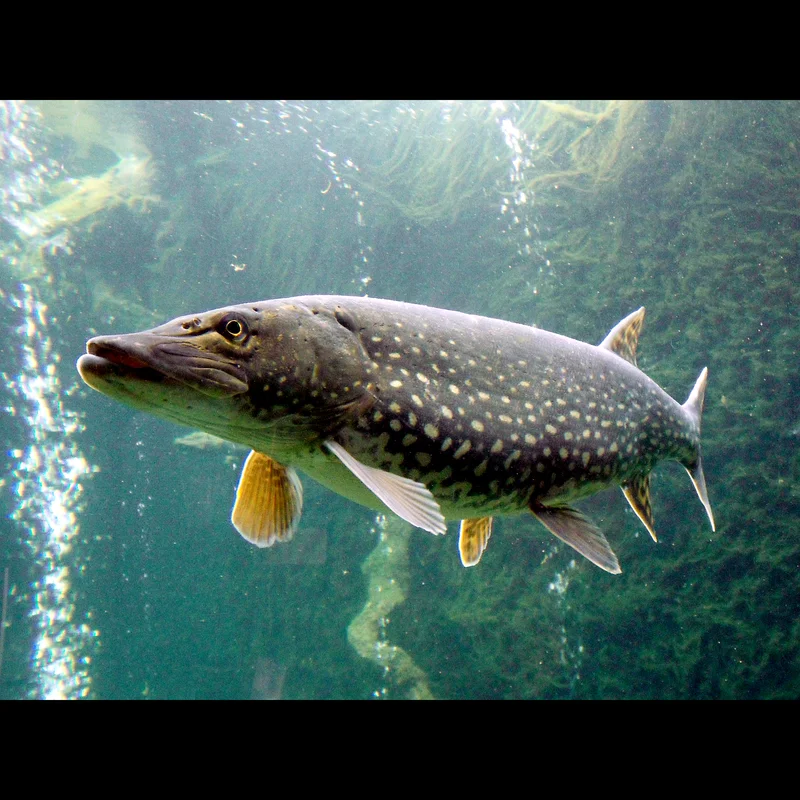
While a freshwater environment, the aquatic inhabitants of Nekker provide a distinct viewing experience. Divers frequently encounter a significant population of pike, often observed lurking among the various submerged structures and platforms.
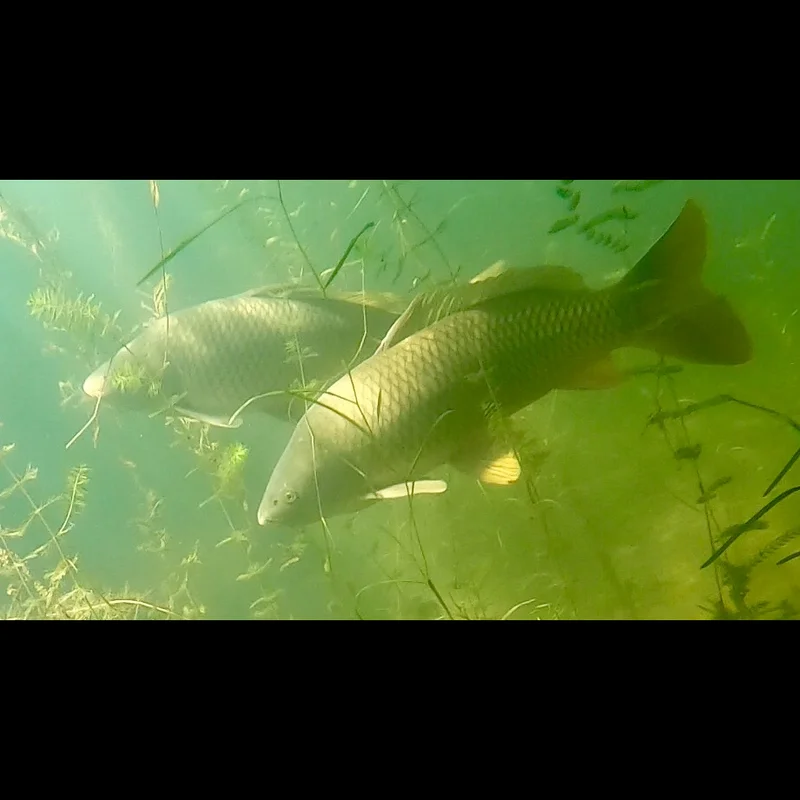
The lake also supports a large number of grass carp, which are commonly seen grazing near the bottom or in shallower areas. Occasional sightings of catfish are reported, adding to the diversity of the larger species present.
This freshwater ecosystem, with its specific flora and fauna, offers a different kind of underwater encounter compared to typical marine sites, providing valuable insights into inland aquatic life.

Dive Sites Near Nekker
View all dive sites in BelgiumDiscover more underwater gems in this area.
Dive Centers Near Nekker
Today: 00:00 - 19:00
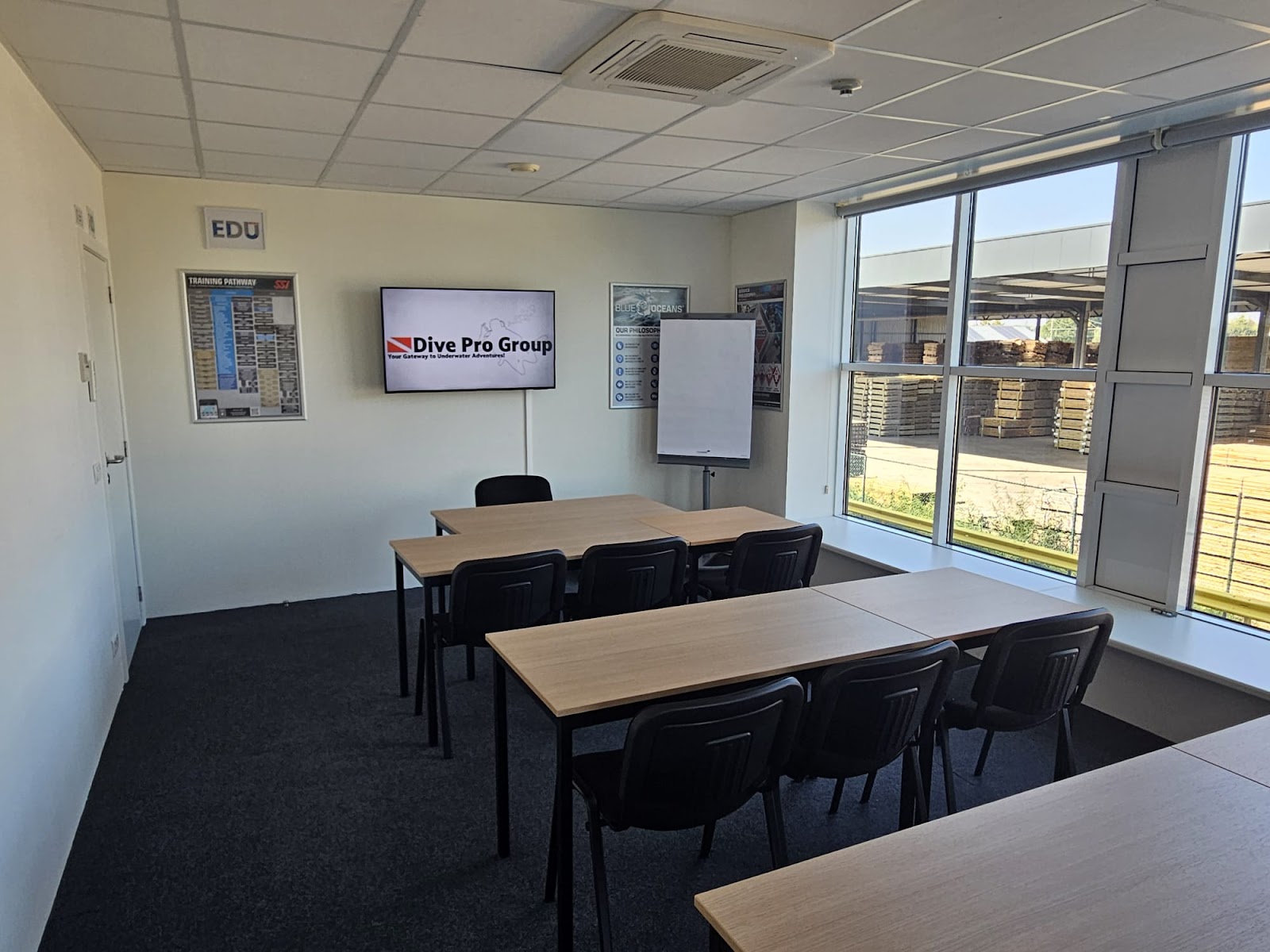
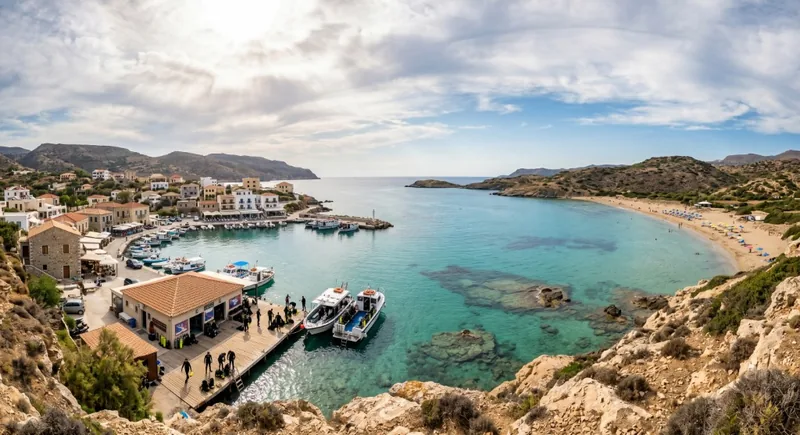
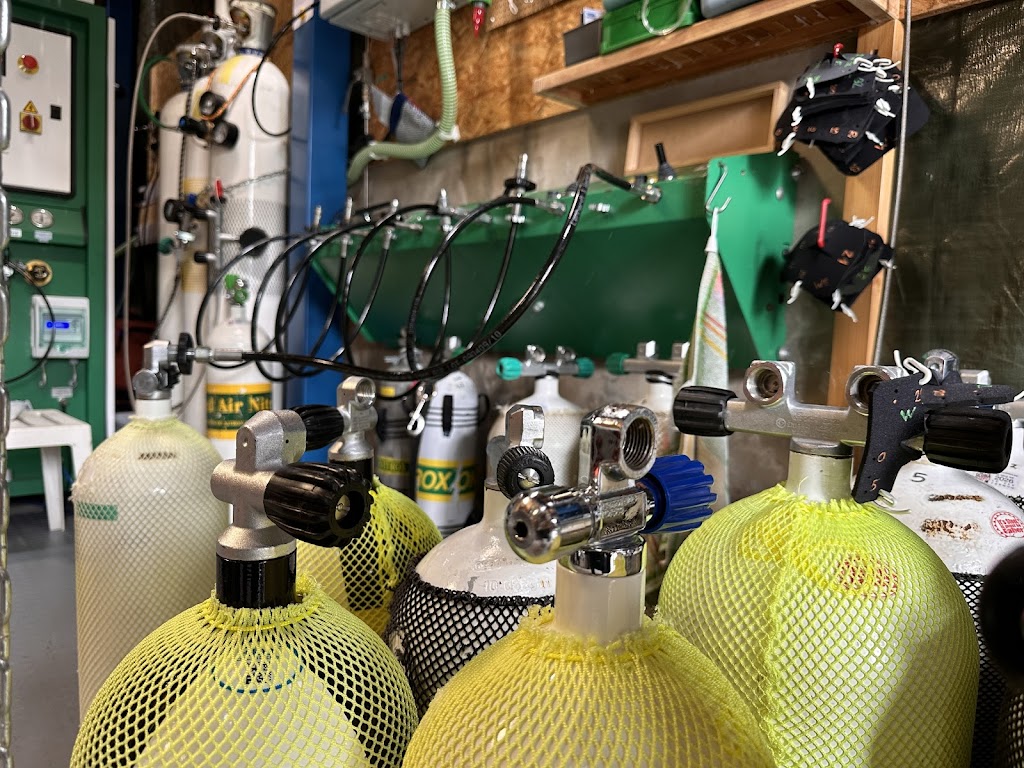
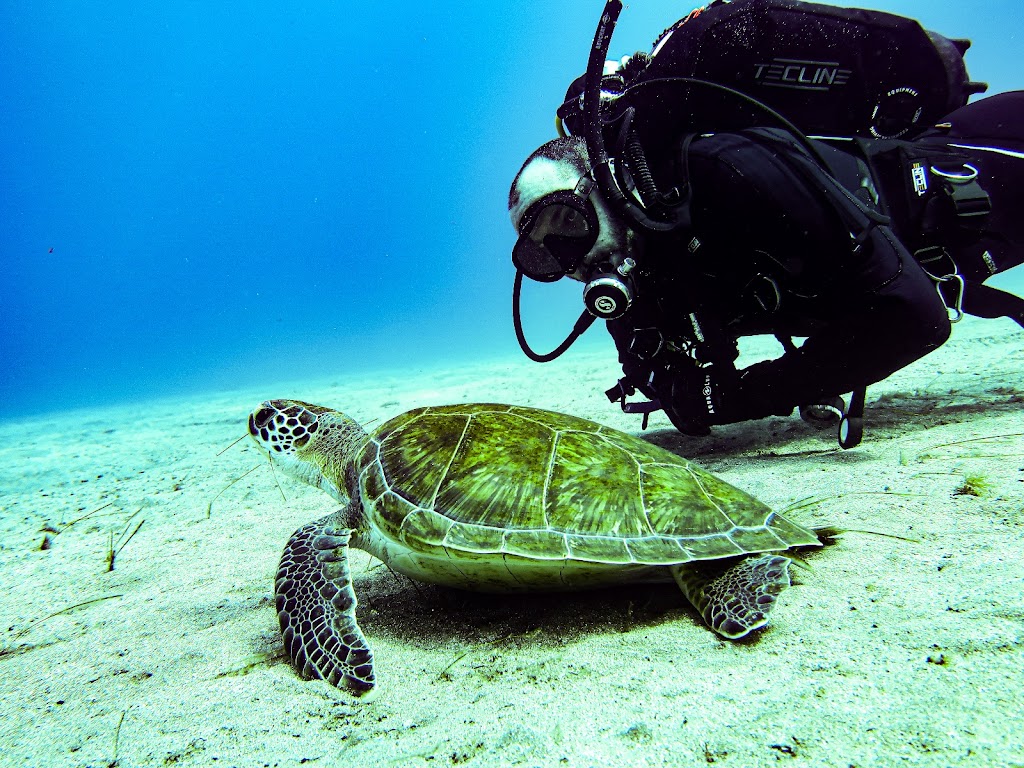

Nearest Airports
Nearest airports to help plan travel to this dive area.
Search Flights
Check available flights and routes on Expedia, using the nearby airports listed in this section.
Search Flights on ExpediaFrequently Asked Questions
What is Nekker primarily known for among divers?
It's primarily recognized as an excellent training ground due to its controlled environment and submerged platforms. Many divers also visit to refine skills and explore the diverse collection of sunken objects.
What types of underwater objects can I expect to explore?
The site features numerous deliberately sunk items, including cars, boats, pipe structures, and even a fire truck. These provide varied exploration and navigation opportunities.
When is the best time to dive at Nekker for warmer conditions?
The warmest conditions typically occur from June through August, with water temperatures reaching their highest in late summer and early autumn.
How is the visibility generally at Nekker?
Visibility is quite variable, sometimes reported from around 5 meters to over 20 meters, depending on the season and recent activity. Clearer periods often occur in colder months.
What marine life can divers observe in this freshwater environment?
Divers frequently encounter significant populations of pike, often seen near structures, and large numbers of grass carp. Occasional sightings of catfish also add to the aquatic diversity.
Are there any strong currents to be aware of?
No, there are no consistently reported currents at Nekker. The conditions generally remain calm, which makes it ideal for training dives and practicing skills.
What is the maximum depth available for diving?
The maximum depth available at the site is approximately 15 meters, providing sufficient range for recreational dive training and exploration.
Planning to dive Nekker?
Send one inquiry and receive offers directly from the best verified local dive operators.
Conditions are Good
07:00 - 14:00
Optimal conditions expected
Current conditions near Nekker show 16° air, --° sea temperature, N/A waves, and 23 km/h wind. Forecast data is refreshed regularly to ensure accuracy.