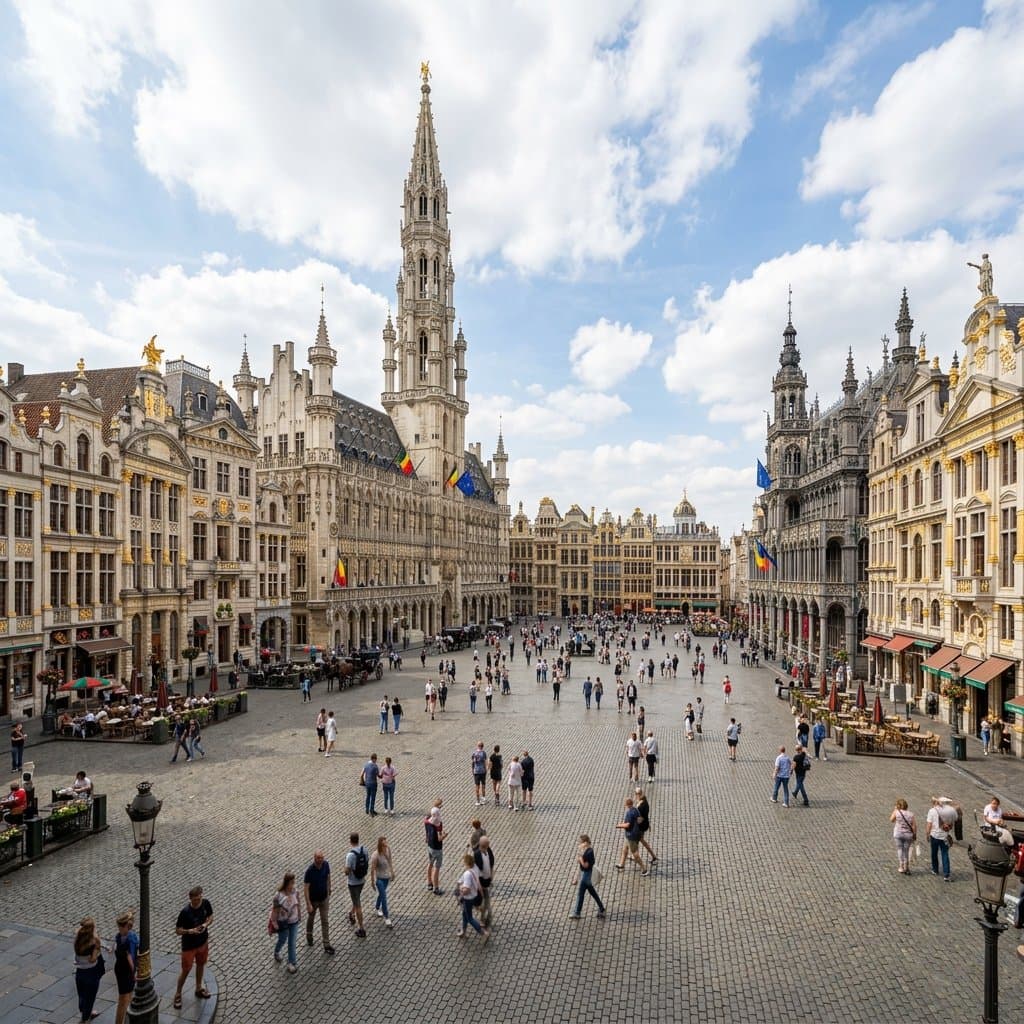
Diving in Belgium
Across Belgium, dive sites differ in depth, clarity, and overall conditions, requiring a flexible approach to planning. We currently feature 8 mapped dive sites across Belgium.
Belgium's diving identity is uniquely shaped by its blend of cold-water wreck exploration and specialized inland facilities. Along the North Sea coast, divers find historic shipwrecks scattered off Oostende and Zeebrugge, offering a distinct open-water experience. Complementing this are various inland freshwater sites like Todi, La Gombe, and the Vodelée quarry, which provide clear conditions for training and recreational dives.
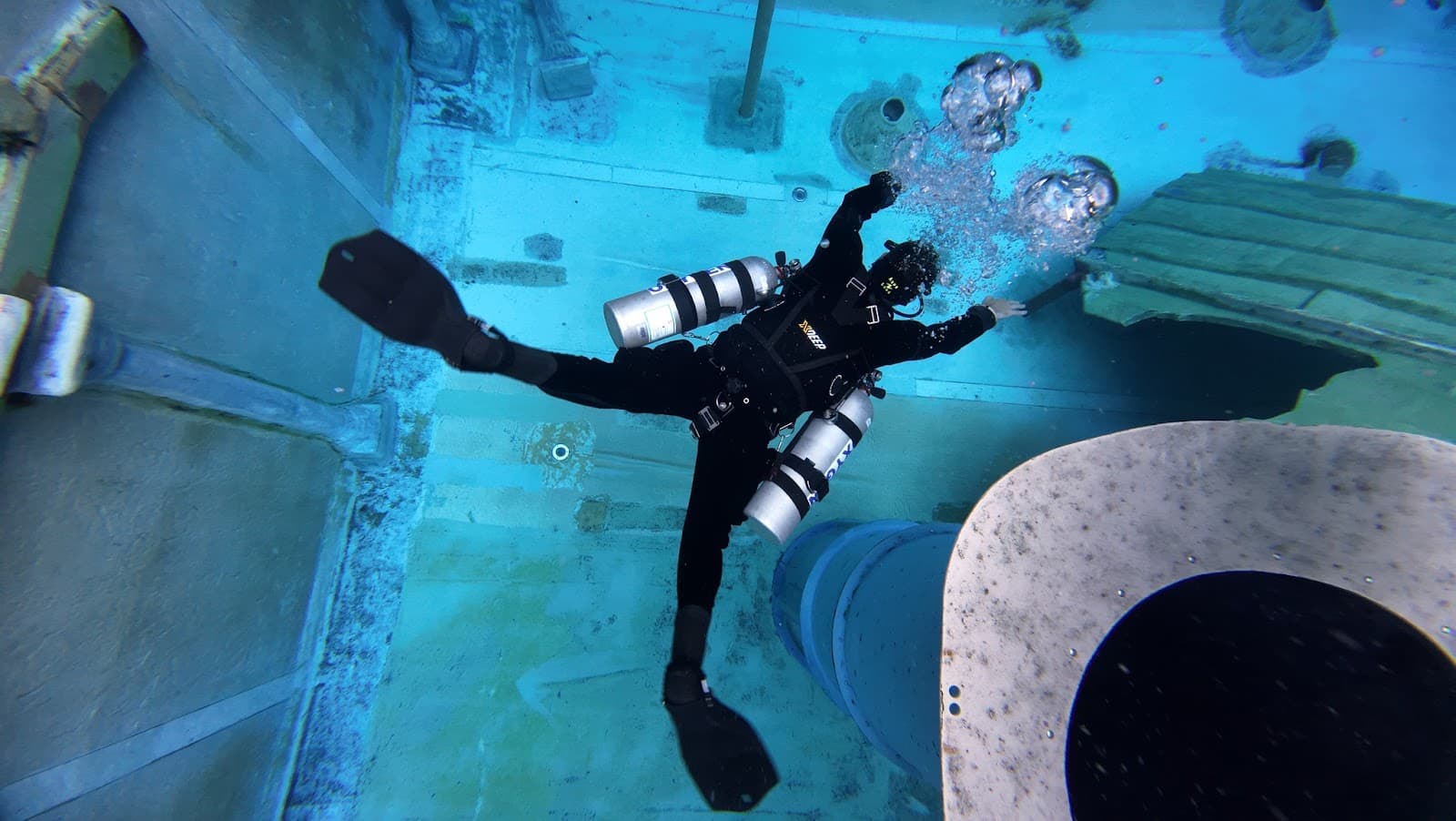
Adding to this diverse profile is NEMO33 in Brussels, one of the world's deepest indoor pools, designed for comfortable year-round diving. This combination allows for varied diving experiences, from exploring maritime history to honing skills in controlled environments, making Belgium a destination for diverse diving interests.
Dive Map of Belgium
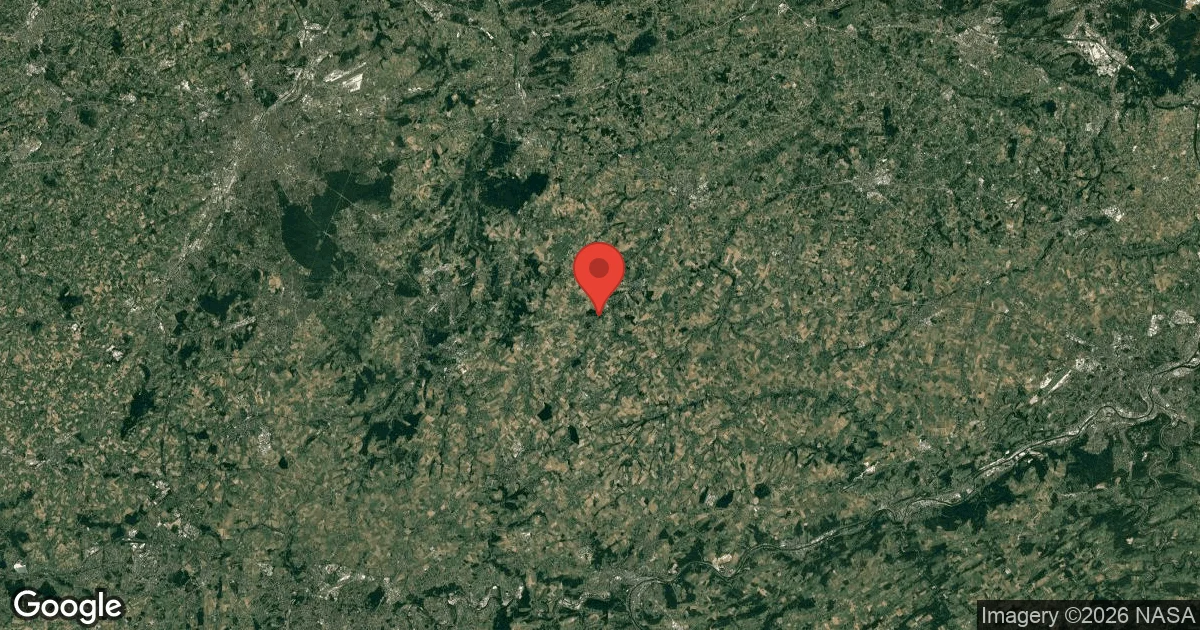
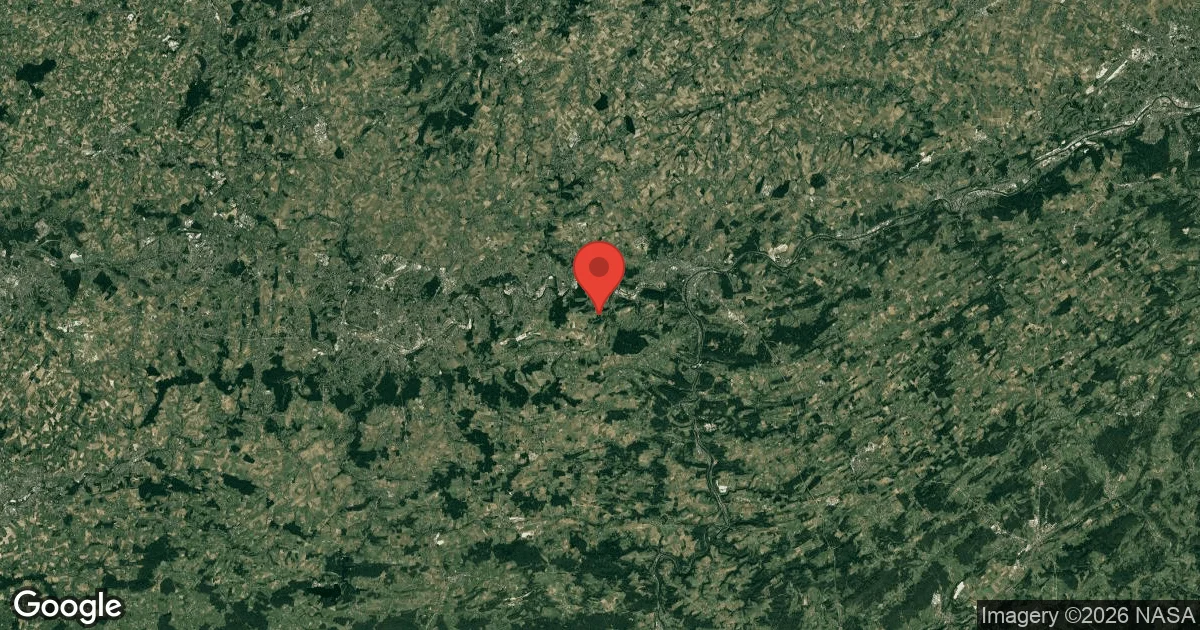
Exploring Belgium's dive landscape encourages discovery across distinct regions. The North Sea coast presents opportunities for wreck exploration, particularly near Oostende and Zeebrugge. Inland, a network of freshwater sites provides different training and recreational options.
Notable locations include Todi, La Gombe, and the Vodelée quarry. Brussels also features NEMO33, a significant deep-diving pool. Another area under development is Scouffleny, located near Nivelles.
Dive Sites to Explore
View all 8 sites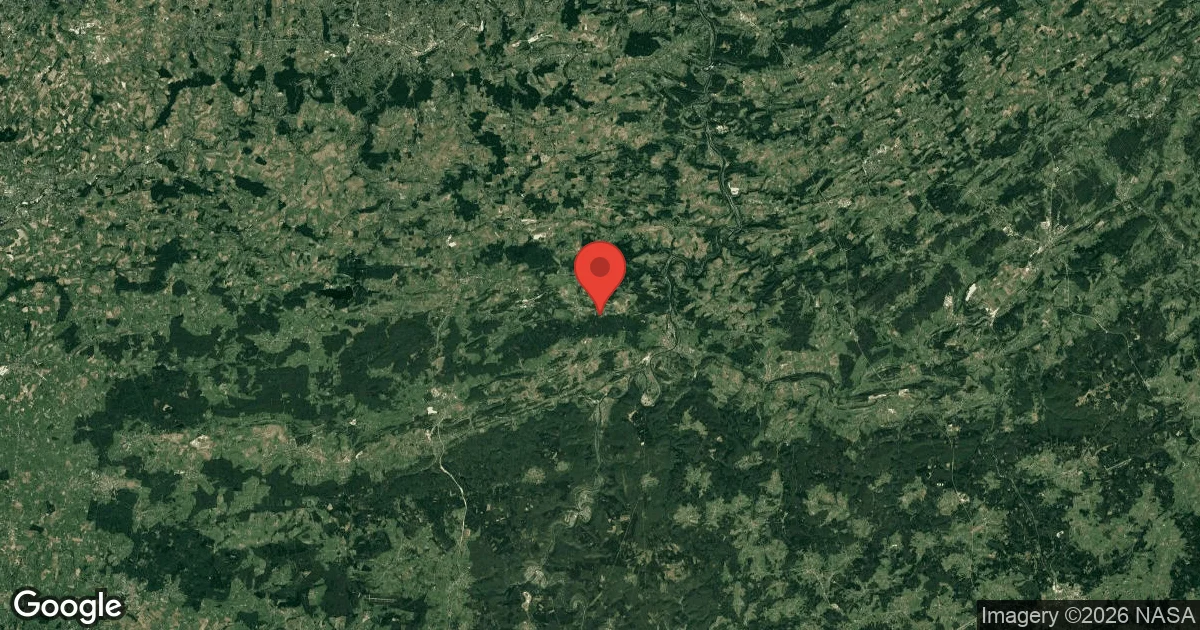
Belgium's dive sites offer a range of depths, catering to different diving preferences. Along the North Sea coast, divers can explore historic shipwrecks off Oostende and Zeebrugge, where average depths typically range from 19 m to 50 m (62 ft to 164 ft).
Inland, freshwater quarries such as Todi, La Gombe, and the Vodelée quarry provide alternative environments, often with different depth profiles. NEMO33 in Brussels stands out as one of the deepest pools globally, specifically designed for deep training and controlled recreational diving.
Best Time to Dive in Belgium
Diving in Belgium is possible throughout the year, offering flexibility for divers regarding high and low season dynamics. Inland facilities, such as NEMO33, are designed for comfortable diving all year round, providing a consistent environment regardless of external weather.
For open water experiences, cold-water diving is a year-round activity. Air temperatures range from 6°C to 30°C (43°F to 86°F), which influences surface conditions but doesn't preclude diving during any month.
Monthly Sea Temperatures
Water temperatures in Belgium demonstrate a notable variation depending on the dive location. Open water sites along the coast or in inland quarries typically range from 5°C to 23°C (41°F to 73°F).
In contrast, purpose-built facilities like NEMO33 in Brussels maintain a consistent temperature of 33°C (91°F). This distinct difference allows divers to choose between natural cold-water conditions and a consistently warm, controlled environment for their underwater activities.
| Jan | Feb | Mar | Apr | May | Jun | Jul | Aug | Sep | Oct | Nov | Dec | |
|---|---|---|---|---|---|---|---|---|---|---|---|---|
| Max | 9° | 9° | 9° | 11° | 14° | 17° | 18° | 20° | 19° | 17° | 16° | 13° |
| Avg | 7° | 7° | 7° | 9° | 12° | 15° | 17° | 18° | 18° | 16° | 14° | 10° |
| Min | 5° | 5° | 5° | 7° | 10° | 13° | 15° | 17° | 17° | 14° | 12° | 8° |
Dive Conditions
Dive conditions in Belgium's documented sites generally feature mild currents. Expected current speeds are consistently around 1 knot. This indicates a relatively gentle water movement for many dive locations, which can be advantageous for various skill levels.
Specific data regarding surge, thermoclines, or waves for open water sites is not widely detailed at a national level. However, the consistent low current suggests generally manageable conditions.
Marine Life Highlights
Most Mentioned Species
Marine life in Belgium varies across dive locations, with different species appearing depending on environment and conditions. The species highlighted here are the most frequently associated with dive sites in our data, offering a realistic overview of what divers are most likely to encounter.
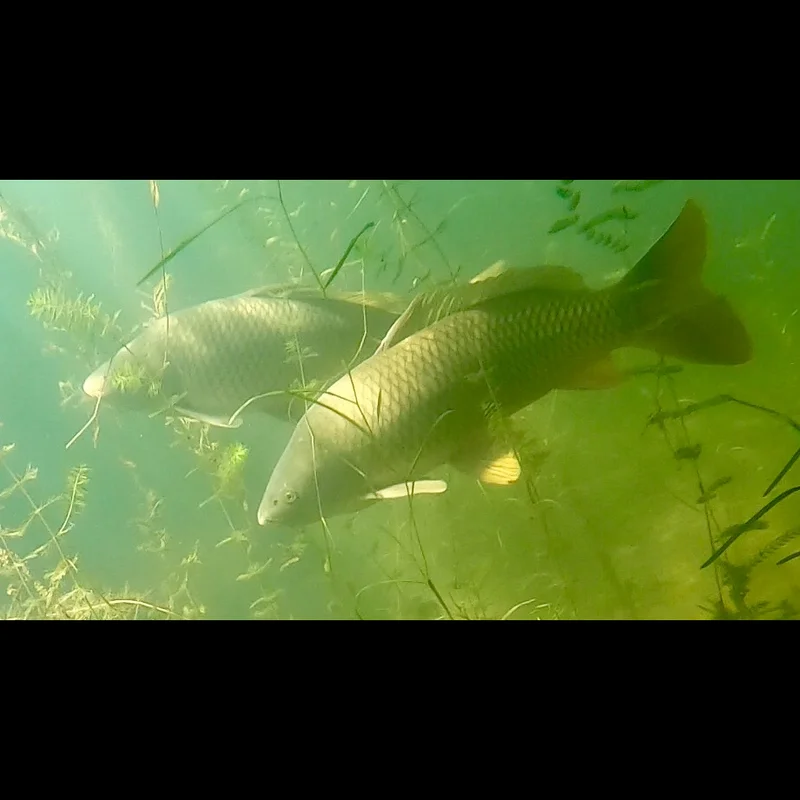
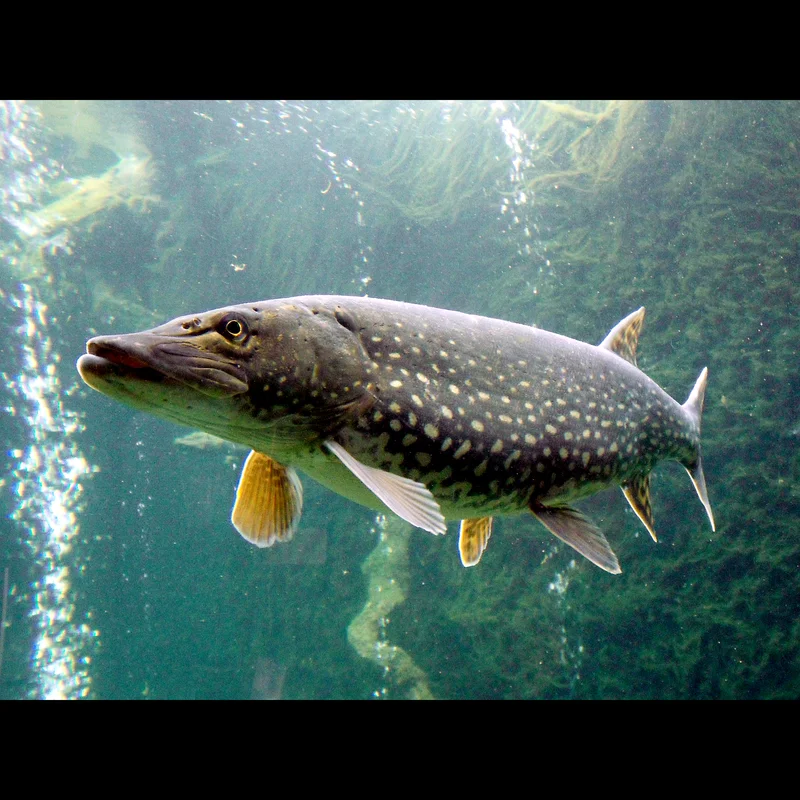
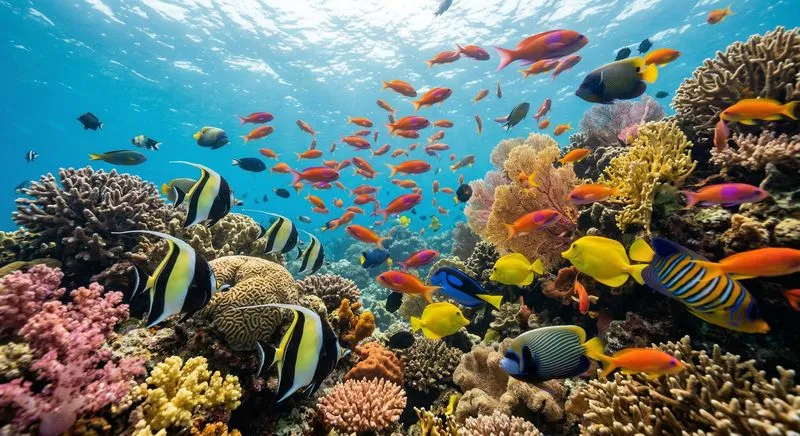
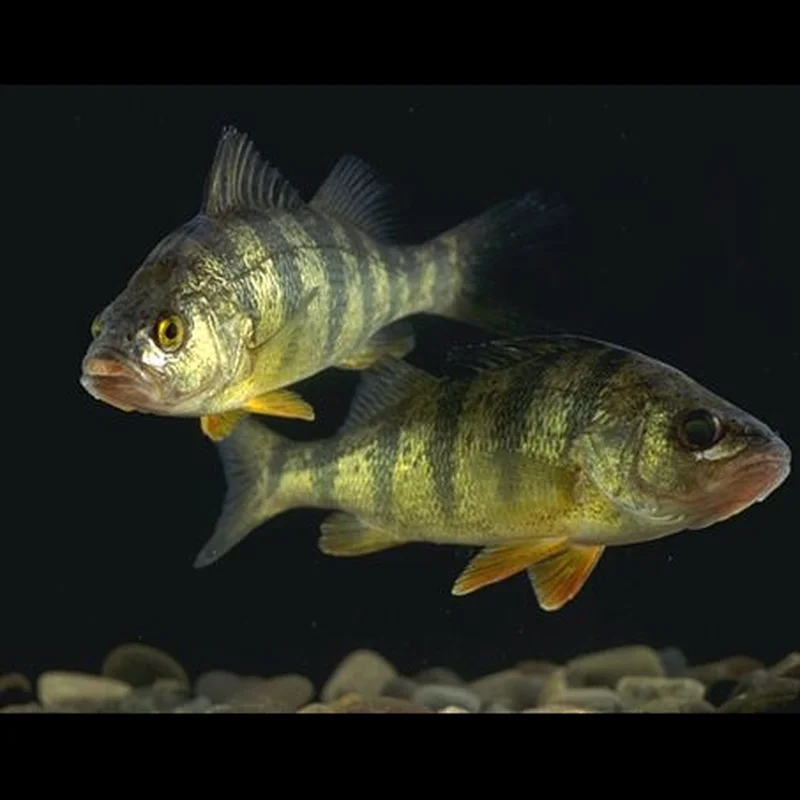
Marine life encounters in Belgium are primarily defined by cold-water species along the coast and freshwater inhabitants inland. Divers exploring coastal wrecks might observe lobsters, crabs, and various flatfish.
Inland quarry sites introduce encounters with freshwater fish. The structure of historic shipwrecks also provides shelter and habitat for marine organisms, contributing to the biological interest of these sites.
Regions for Diving
Diving in Belgium can be explored by moving through its key regions, each offering different experiences. The North Sea coast, particularly around Oostende and Zeebrugge, is known for its historic shipwrecks and cold-water diving, where temperatures range from 5°C to 23°C (41°F to 73°F).
Inland, locations like Todi, La Gombe, and the Vodelée quarry provide freshwater environments. Brussels hosts NEMO33, a deep diving pool with a consistent 33°C (91°F) temperature, making it suitable for year-round diving. Scouffleny, near Nivelles, is another area mentioned for future facilities.
Travel & Passport Guide
Travel Basics
Trip Planning
Safety & Diving Considerations
Planning for diving in Belgium involves understanding the conditions and logistics to ensure a safe experience. Currents are generally mild, typically around 1 knot, which can simplify dive planning and execution.
The country supports year-round cold-water diving, necessitating appropriate thermal protection. Inland facilities offer controlled environments that are ideal for training and recreational dives, providing a predictable setting for divers to develop skills.
Dive Centers in Belgium
View all 30 dive centers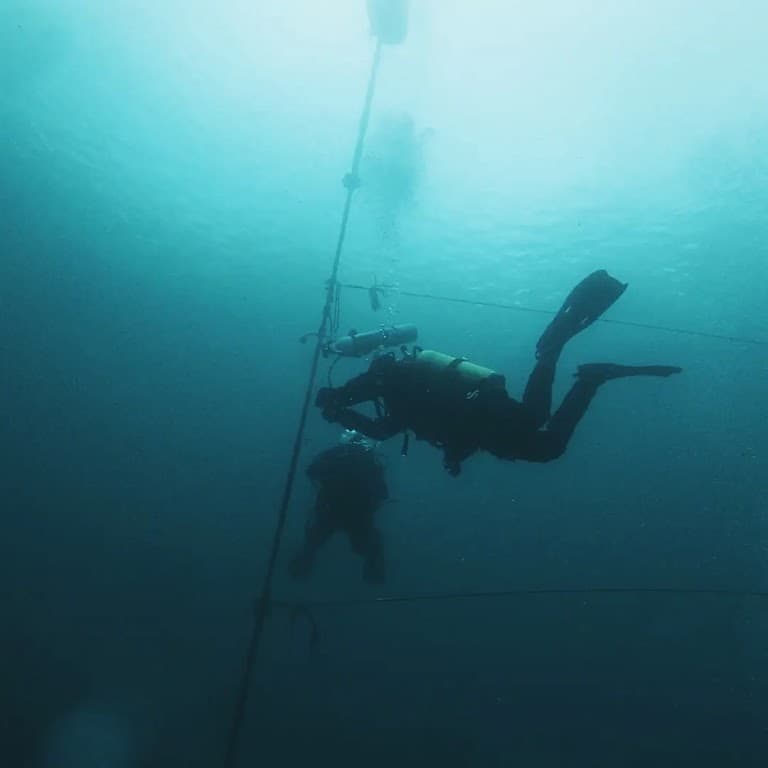

Frequently Asked Questions
What types of diving are available in Belgium?
Belgium offers a mix of cold-water wreck diving along its North Sea coast and freshwater diving in inland quarries. Additionally, specialized indoor deep pools like NEMO33 in Brussels provide controlled environments for training and recreation.
What are the typical water temperatures for diving in Belgium?
Open water sites in Belgium typically have water temperatures ranging from 5°C to 23°C (41°F to 73°F). For a warmer experience, NEMO33 in Brussels maintains a consistent 33°C (91°F).
When is the best time to dive in Belgium?
Diving in Belgium is possible year-round, especially in controlled inland facilities like NEMO33. Cold-water diving along the coast is also a year-round activity. Air temperatures vary from 6°C to 30°C (43°F to 86°F).
What marine life might I see while diving in Belgium?
Divers in Belgium might encounter lobsters, crabs, and flatfish in coastal areas. Inland freshwater sites feature various freshwater fish. Wreck structures also provide habitats for marine organisms.