
Diving at Grand Narrows (Canada)
Grand Narrows, nestled within Cape Breton, Nova Scotia, marks a significant diving locale within the Barra Strait. This area is characterized by its dramatic channel topography, where landmasses narrow, creating distinct underwater environments. The drive to the site itself provides scenic views through Cape Breton's rolling hills and along the Bras d'Or lakes, setting the stage for the dive experience.
As evening covers Grand Narrows, the local air temperature is measured at 13°C. The current wave height at the surface is recorded at 0.3 m. These late-day readings characterize the surface conditions for the night.
Dive Site Location & Key Facts
Dive Site Overview
The primary draw for divers at Grand Narrows is a historic barge wreck, intentionally scuttled in the 1950s. This compelling artificial reef rests just minutes from shore, making it an accessible yet rewarding dive target for certified divers.
Exploring the barge reveals its substantial structures, now heavily colonized by various forms of sessile sea life. These encrusting organisms and invertebrates have transformed the metal hulk into a vibrant habitat. Maximum depth at the site extends to approximately 18 m (60 ft), placing it well within recreational limits.
Water temperatures show a noticeable stratification; surface readings have been reported around 21°C (70°F), while deeper sections can drop to 18°C (64°F). Within the Barra Strait, strong tidal flows are inherently generated by its constricted nature.
Planning around these currents is crucial, with many local operators timing dives for periods of minimal flow to ensure a safer, more leisurely exploration of the wreck site. Divers should anticipate conditions where careful management of buoyancy and finning technique enhances the experience. Visibility at the site can range, often improving during slack tide conditions.
Weather Error: fetch failed
Best Time to Dive
Optimizing visibility and comfort at Grand Narrows typically aligns with late spring through early fall, when overall conditions tend to be more favorable. May through October months generally receive 'Excellent' dive scores, benefiting from milder air temperatures and reduced precipitation. During July, for instance, average air temperatures reach approximately 21°C (70°F) with about 5.1 mm of rain, while August sees similar air temperatures around 19.5°C (67°F) and 4.0 mm of rain. These periods often present improved water clarity and calmer surface conditions. Conversely, colder months, despite receiving 'Good' dive scores, may present lower visibility and more challenging conditions due to increased wave action and wind speeds, making meticulous planning essential.
PEAK SEASON SCORE
Scores combine air & water temps, waves, wind & rainfall for overall conditions.
BEST MONTHS TO DIVE
Monthly records compiled from satellite and marine observation nodes over the last 3 years. Data provided by Open-Meteo and MET Norway.
Dive Experience & Conditions
Approaching Grand Narrows for a dive typically involves a shore entry, with the wreck accessible a short distance away. Divers entering the water should anticipate a potential temperature stratification; surface temperatures can be significantly warmer than those encountered at deeper sections, where the water might drop to 18°C (64°F). This site's primary dynamic is the tidal current flowing through the channel. Experienced local operators often time dives to minimize the effect of these currents, allowing for a more relaxed exploration of the wreck. Encountering the current can quickly transform the dive, making awareness of tidal charts and dive master guidance crucial for a smooth experience.
Dive Difficulty & Safety Guidelines
Navigating the dive at Grand Narrows requires an understanding of the site's most notable characteristic: strong tidal currents. These currents within the Barra Strait can present a considerable challenge if not properly managed. It's highly advisable to dive with a local professional who can accurately time entries and exits to periods of slack tide or minimal flow.
This approach helps mitigate potential risks associated with drift and reduces the physical effort required during the dive. Always maintain awareness of your dive team, monitor air consumption, and carry appropriate signaling devices.
Planning for conditions that might include cooler water at depth is also a key safety consideration.
Recommended Equipment
Overhead / entanglement risk. Wreck penetration requires proper training.
Current and surface separation risk. Local briefing strongly recommended.
- Dive Computer
- DSMB
- Primary & Backup Lights
- Wreck Reel
- Reel / Spool
- Cutting Tool
This gear list is based on verified equipment signals for Grand Narrows, Canada. Always confirm final gear choices with your dive operator, guide, or liveaboard.
Recommended Dive Suit
With water temperatures around 13°C (56°F), many divers find a a thicker wetsuit or drysuit provides comfortable protection.
Being prepared with flexible exposure options is a common approach among experienced divers.
Weather patterns are currently shifting, so expect some variability in conditions.
Emergency & Medical Support
Essential information to help you plan your dive trip to Grand Narrows.

Hyperbaric chambers are a critical part of dive safety infrastructure. Availability varies significantly by region, and not all dive areas have immediate access.
Before diving, it's recommended to:
- confirm nearest medical facilities
- check emergency procedures with local dive operators
- ensure dive insurance covers evacuation if required
Divers Alert Network
Diving emergency assistance available through DAN World.
+1-919-684-9111- 24/7 emergency hotline
- Diving medical assistance
- Evacuation coordination
Emergency contacts are provided for reference. Always verify local emergency services before diving.
Marine Life at Grand Narrows
Around the submerged barge wreck, an active underwater landscape thrives, attracting various forms of marine life. Divers can expect to observe the wreck structure itself, which is often blanketed in encrusting organisms and sessile invertebrates.
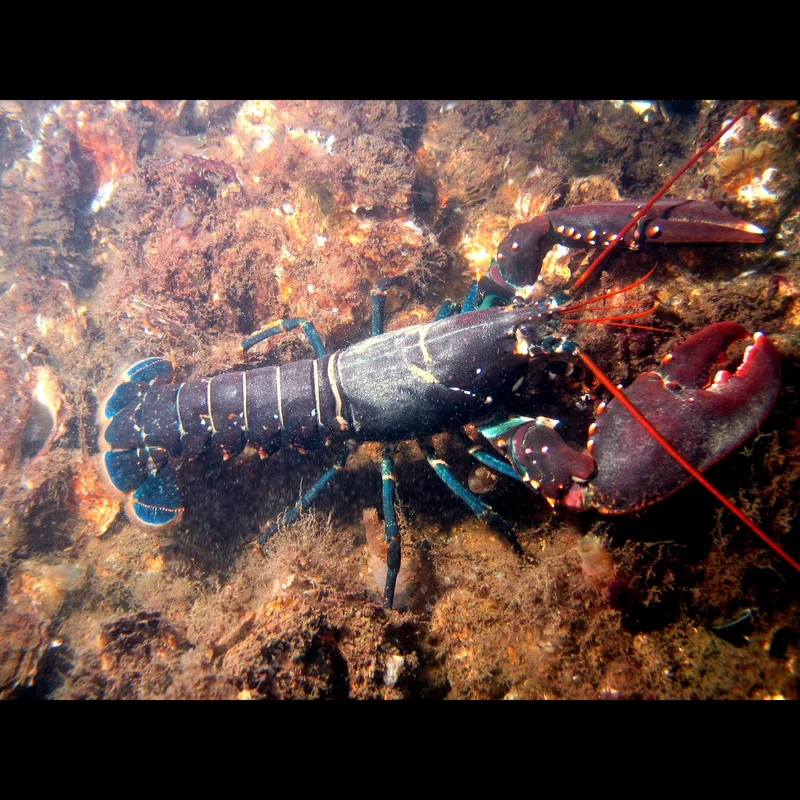
Examining the crevices and under sections of nearby rocks frequently reveals lobsters lurking, a common inhabitant of the area's sandy bottom. While general regional reports sometimes mention larger pelagic species, the immediate wreck site provides a more consistent habitat for bottom-dwelling creatures and schooling fish, creating a visually engaging dive.
Dive Centers Near Grand Narrows
No Dive Centers Local To Grand Narrows
Are you a dive center visiting this location? Get listed to reach divers.
Nearest Airports
Nearest airports to help plan travel to this dive area.
Search Flights
Check available flights and routes on Expedia, using the nearby airports listed in this section.
Search Flights on ExpediaFrequently Asked Questions
What type of dive is Grand Narrows best known for?
Grand Narrows is primarily known for its wreck diving, specifically a barge that sank in the 1950s. It also offers a drift diving experience when the tidal currents are active through the strait.
Are there strong currents at Grand Narrows?
Yes, strong currents due to tidal flow are a known characteristic of the Barra Strait at Grand Narrows. Dives are typically planned to coincide with periods of minimal current to ensure a safer and more enjoyable experience.
What is the typical water temperature?
Water temperatures can vary. Surface temperatures have been recorded around 21°C (70°F), while at the maximum depth of 18 m (60 ft), temperatures can drop to about 18°C (64°F). A thermocline is often present.
What kind of marine life can I expect to see?
The wreck is home to diverse sea life, with many organisms covering its structure. Divers frequently encounter lobsters hiding under rocks near the wreck and various other bottom-dwelling creatures.
What is the maximum depth of the dive site?
The maximum depth typically explored at the Grand Narrows wreck site is around 18 meters (60 feet), suitable for recreational divers.
Should I dive with a local guide?
Diving with a local professional is highly recommended due to the strong tidal currents. They possess the expertise to time dives correctly and navigate the site safely, maximizing your dive experience.