
Diving in Canada
Dive conditions in Canada are influenced by local geography, resulting in noticeable differences between sites. Our database currently contains 64 dive locations across Canada. This makes it easier to assess where and when to dive.
Diving in Canada offers a diverse experience across its distinct geographical regions, primarily known through the Great Lakes, British Columbia, and Atlantic Canada. Planning a dive trip here involves considering the varied conditions each area presents. While specific dive styles and marine life details aren't broadly documented, the country provides opportunities to explore different underwater environments.
Divers can anticipate conditions that shift significantly from one coast to the inland lakes, necessitating adaptability in equipment and approach. The focus remains on engaging with the unique characteristics of each documented region.
Dive Map of Canada
Diving activity in Canada is not extensively documented at a national level, with most available information focused on specific locations rather than broad regional patterns. Known diving areas are primarily concentrated within three distinct geographical regions: the Great Lakes, British Columbia, and Atlantic Canada.
These regions represent the main points of interest for exploring Canada's underwater landscapes, as specific destinations or individual dive sites are not widely detailed in broader contexts.
Dive Sites to Explore
View all 64 sites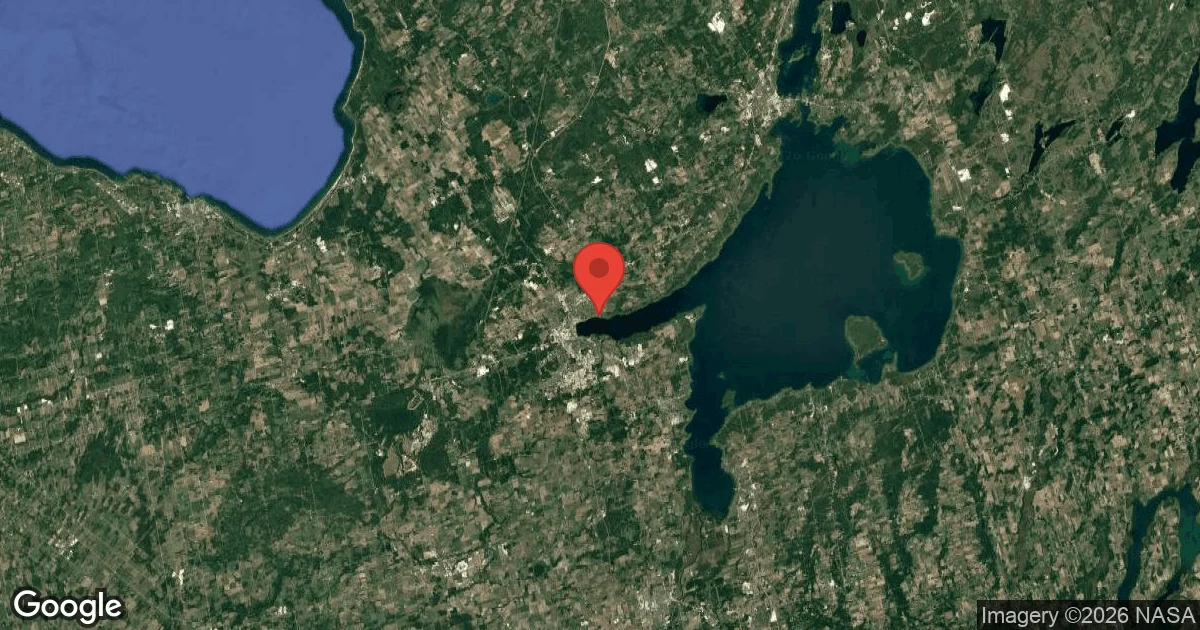
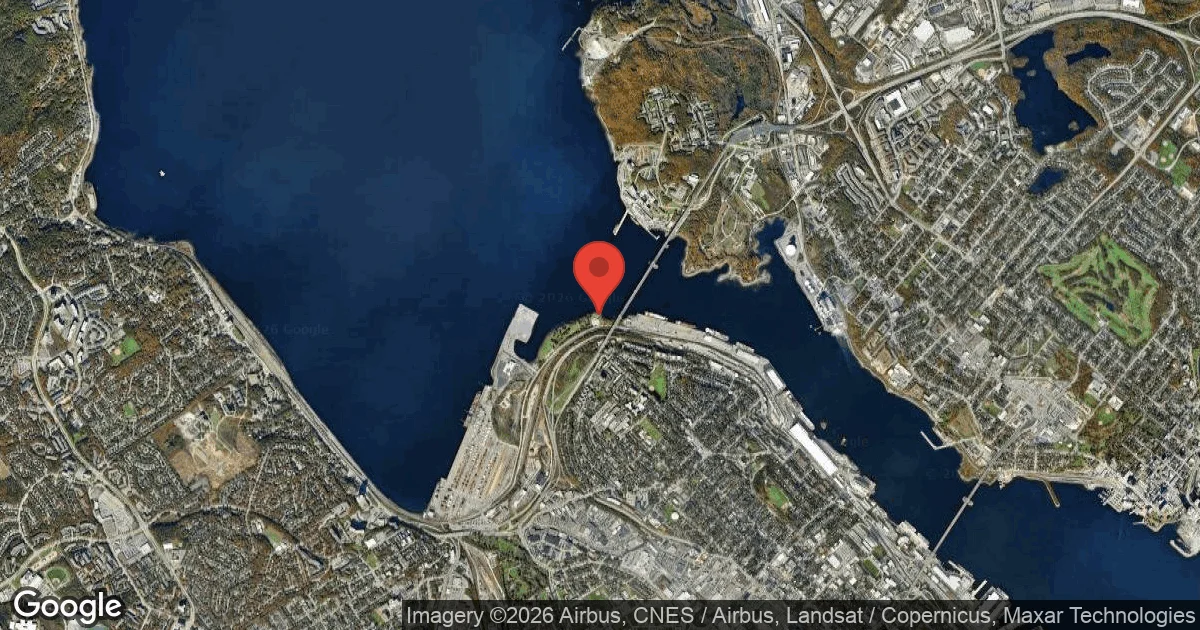
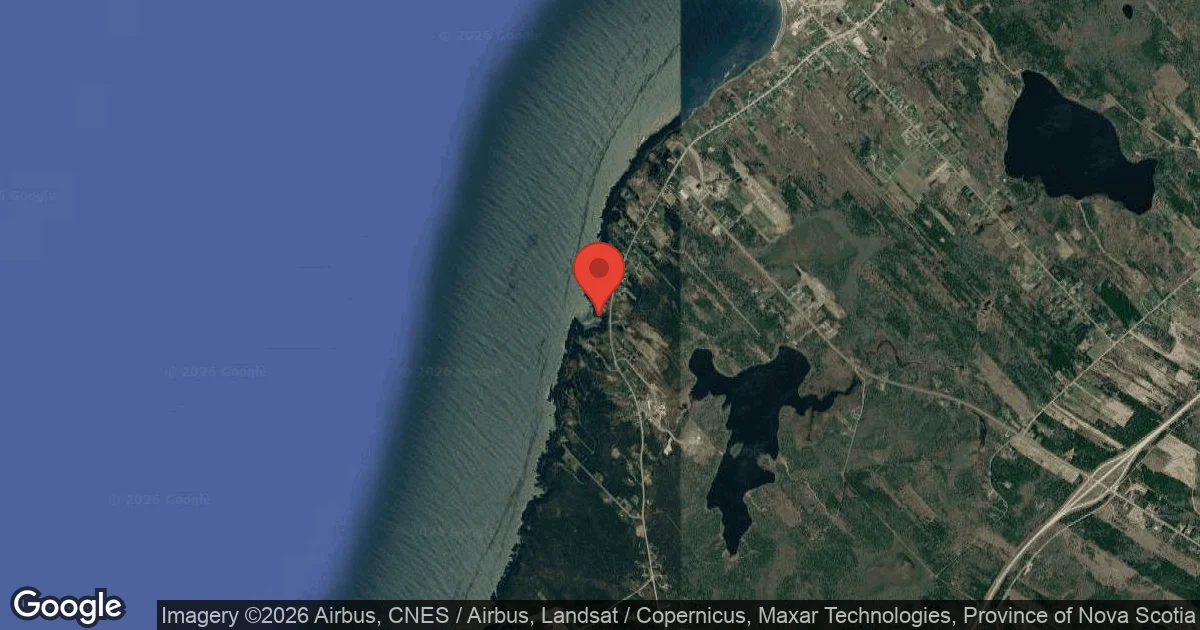
Available dive information is concentrated around a limited number of documented locations rather than being widely distributed. There are no specific dive sites or predominant dive types detailed across Canada in the available data.
However, British Columbia is noted for offering excellent visibility during its diving season. This suggests that while specific sites aren't named, conditions in certain regions can be favorable for exploration.
Best Time to Dive in Canada
Planning a dive around specific marine life patterns in Canada is not widely detailed in available data. However, the country does offer distinct seasonal diving opportunities.
General diving is typically favorable from June to September. For those interested in a unique experience, Atlantic Canada features iceberg diving, which is popular in May. The Great Lakes region has a diving season from April to October, with July and August often considered the best months. British Columbia experiences excellent visibility during its cooler months, specifically from October to April.
Monthly Sea Temperatures
Specific national sea temperature ranges for Canada's diverse diving regions are not extensively documented in available data.
| Jan | Feb | Mar | Apr | May | Jun | Jul | Aug | Sep | Oct | Nov | Dec | |
|---|---|---|---|---|---|---|---|---|---|---|---|---|
| Max | 0° | -1° | 0° | 4° | 8° | 11° | 15° | 14° | 11° | 7° | 5° | 2° |
| Avg | -1° | -1° | -1° | 2° | 5° | 9° | 12° | 11° | 9° | 5° | 3° | 0° |
| Min | -2° | -2° | -2° | 0° | 3° | 7° | 10° | 8° | 6° | 3° | 0° | -2° |
Dive Conditions
Details on the underwater environment in Canada are not extensively documented for most regions. However, British Columbia stands out for its noted visibility.
Divers in British Columbia can expect excellent visibility from October to April. Information on currents across various Canadian dive locations is not widely available.
Marine Life Highlights
Most Mentioned Species
Marine life in Canada varies across dive locations, with different species appearing depending on environment and conditions. The species highlighted here are the most frequently associated with dive sites in our data, offering a realistic overview of what divers are most likely to encounter.
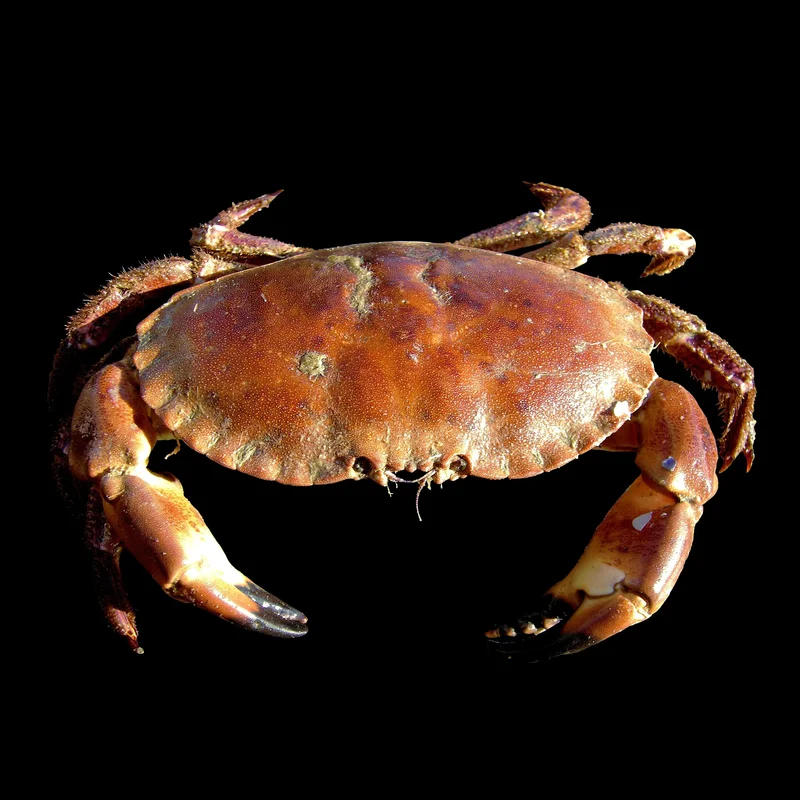
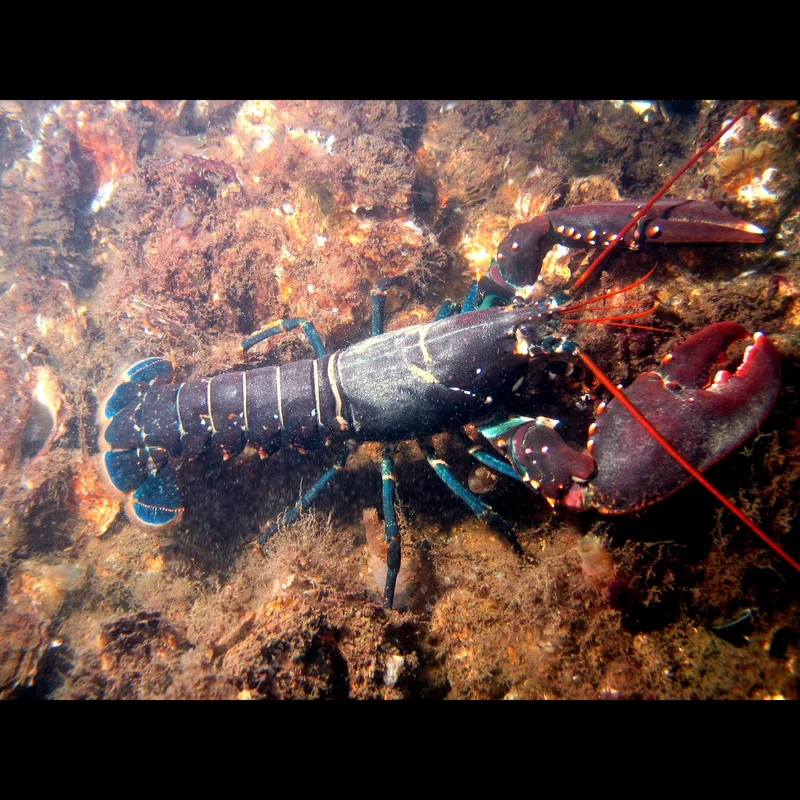
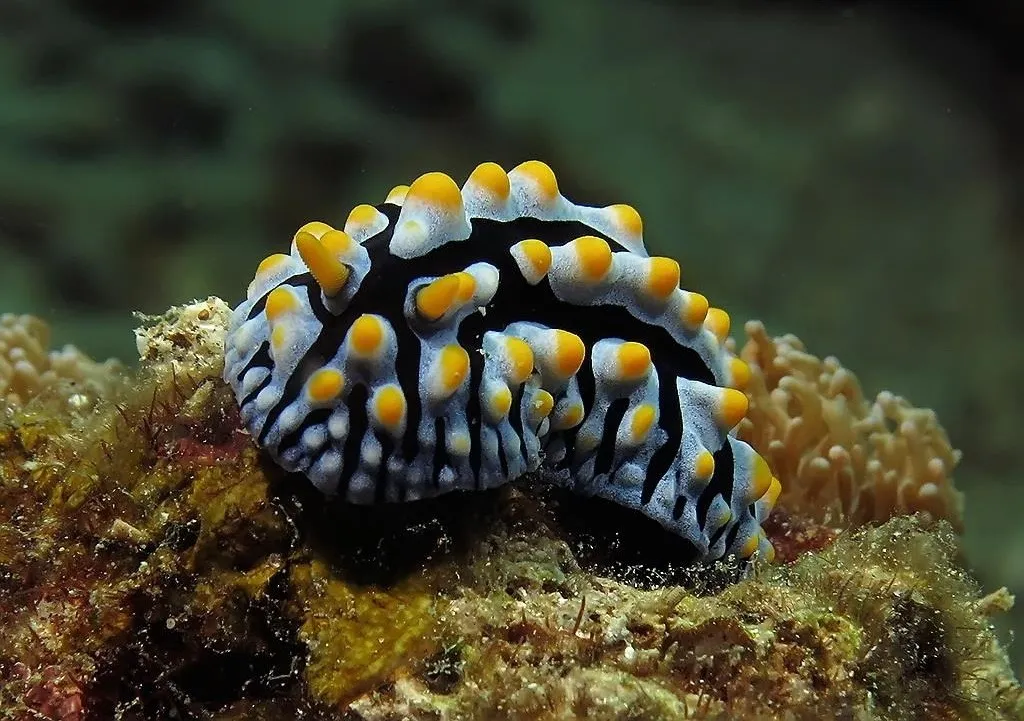
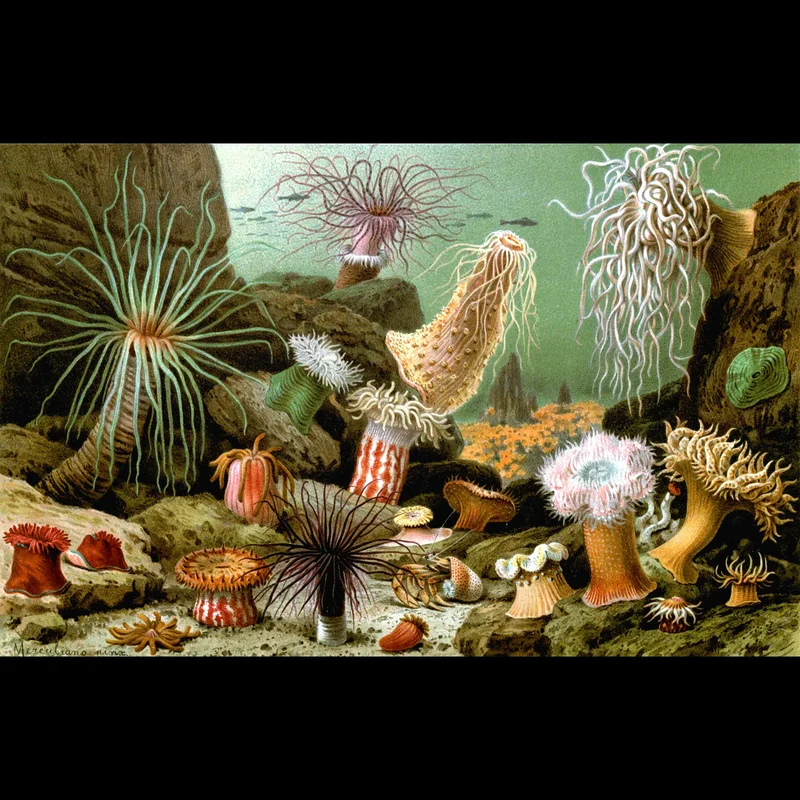
Detailed information regarding specific marine life biodiversity across Canadian diving locations is not extensively documented in available sources.
Regions for Diving
Exploring Canada's diving opportunities involves focusing on three primary regions, each offering unique seasonal windows. In Atlantic Canada, May is notable for iceberg diving, attracting those seeking a distinct cold-water experience.
The Great Lakes region provides a longer diving season, running from April through October, with the warmest and most active months being July and August. Moving west, British Columbia offers excellent visibility for divers, particularly from October to April. This extended period of clear conditions makes it an appealing destination for cooler-water diving.
Travel & Passport Guide
Travel Basics
Trip Planning
Safety & Diving Considerations
Logistical and planning details concerning diving safety and specific currents in Canada are not extensively documented at a national level.
Dive Centers in Canada
View all 18 dive centers

Frequently Asked Questions
When is the best time to dive in Canada?
The best time to dive in Canada generally spans from June to September. The Great Lakes region specifically sees its best months in July and August, while British Columbia offers excellent visibility between October and April. Atlantic Canada provides a unique opportunity for iceberg diving in May.
Which regions in Canada offer diving opportunities?
Diving opportunities in Canada are primarily documented in three regions: the Great Lakes, British Columbia, and Atlantic Canada. Each region offers a distinct diving experience, often characterized by specific seasonal conditions.